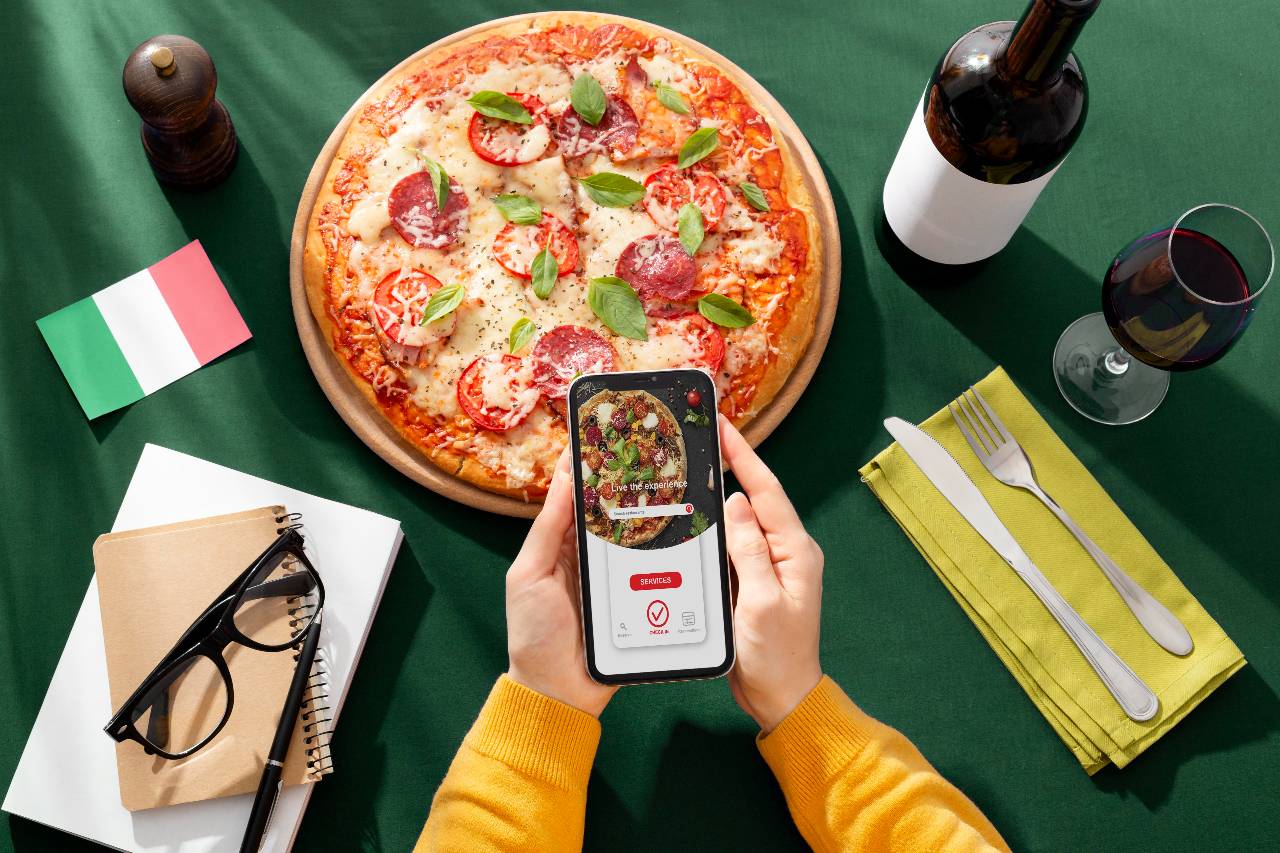
Best Restaurant Marketing Ideas for 2026
This guide outlines restaurant marketing ideas that help operators attract nearby customers, convert demand faster, and strengthen long-term retention.
marketing ideas
Apr 16, 2026
This guide outlines restaurant marketing ideas that help operators attract nearby customers, convert demand faster, and strengthen long-term retention.
Apr 16, 2026

A clear host training process helps restaurants manage greetings, waitlists, reservations, seating decisions, and guest communication more consistently.
Apr 15, 2026
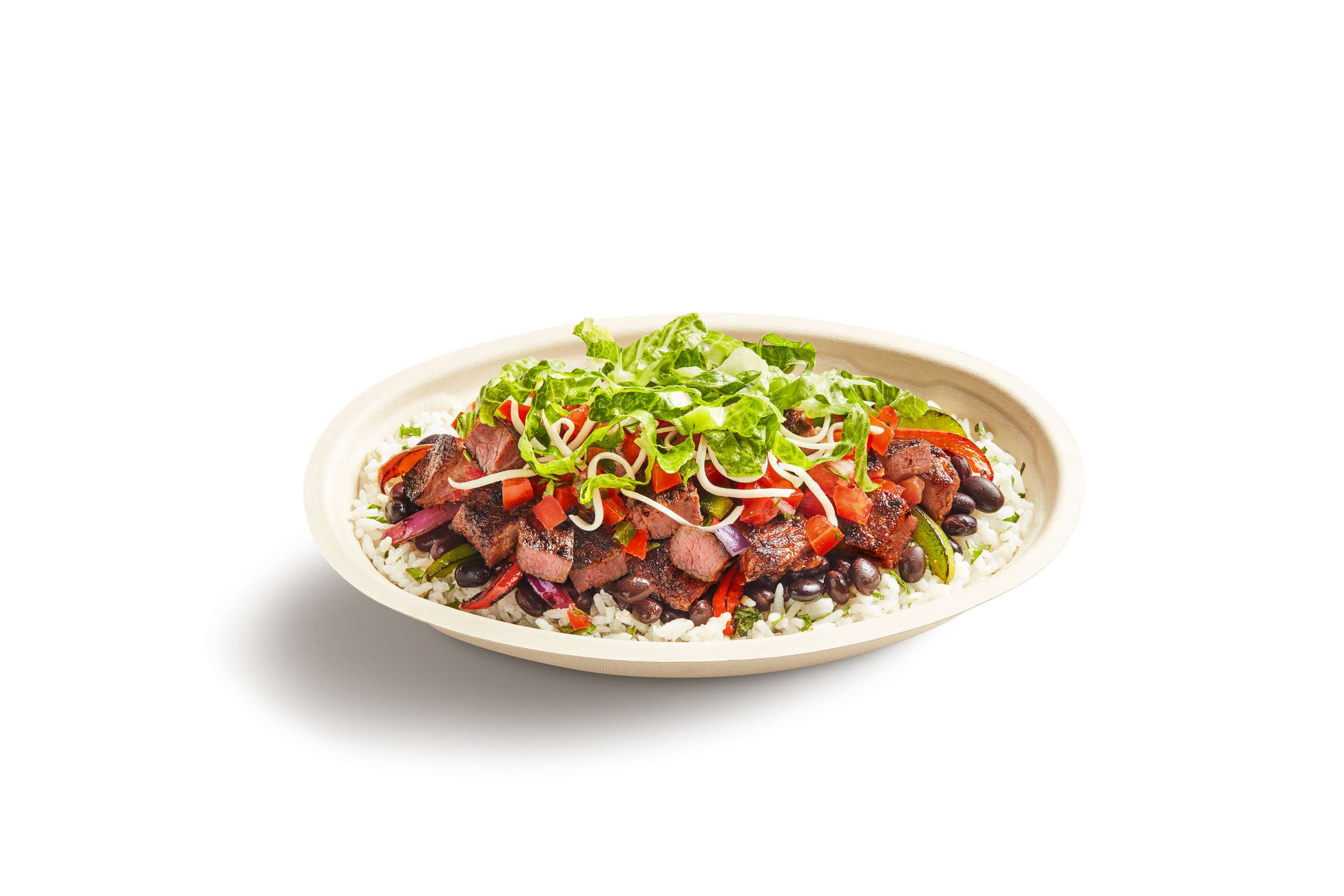
Chipotle reshapes loyalty with Rewards on Repeat, blending in-store promotions, staff incentives, and simpler redemption to boost traffic.
Apr 16, 2026

Photo by Salah Ait Mokhtar on Unsplash
A refined look at Papa Murphy’s strategy as MTY guides a cautious turnaround amid a crowded pizza landscape—digital play, local marketing, and a new Detroit-style offering.
Apr 16, 2026

Photo by Sergio Mena Ferreira on Unsplash
Mo’ Bettahs leaves Kansas City as it pivots to a PE-backed national expansion to Phoenix, Indianapolis, and Minneapolis.
Apr 16, 2026

Photo by Kate Trysh on Unsplash
Applebee’s O-M-Cheese Burger fuses spectacle with value, driving social buzz and foot traffic—a signal for the skillet-cheese moment in casual dining.
Apr 16, 2026

Photo by Diego Mattevi on Unsplash
GoTo Foods taps Misra and Lambert to harmonize digital momentum with disciplined development across seven brands, aiming for stronger guest experiences and franchisee economics.
Apr 16, 2026
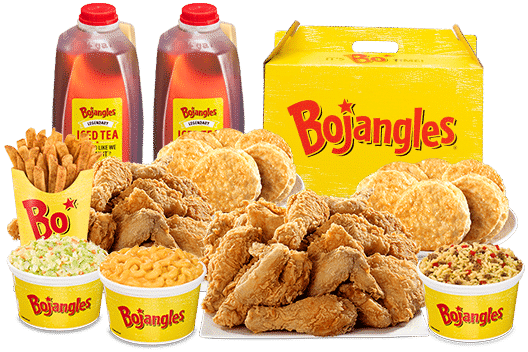
Bojangles launches Bo’s Chicken Rippers in an eight-week pilot, turning bites into a hands-on, sauce-forward experience with interactive, tear-apart slabs.
Apr 16, 2026
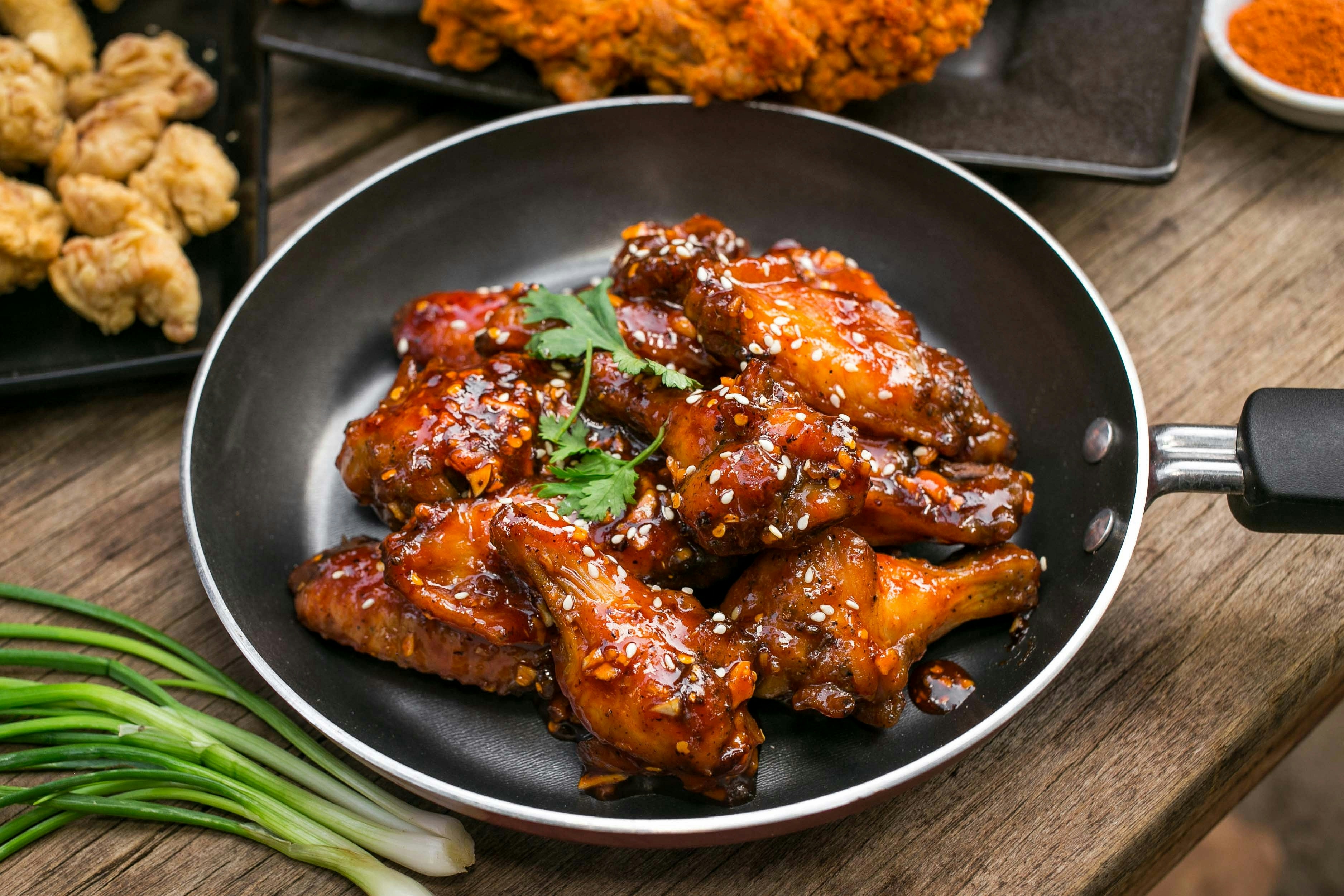
Photo by Jim Sosengphet on Unsplash
Popeyes teams with One Piece for a limited menu and merch drop, blending bold flavors with anime fandom to boost traffic and loyalty.
Apr 16, 2026
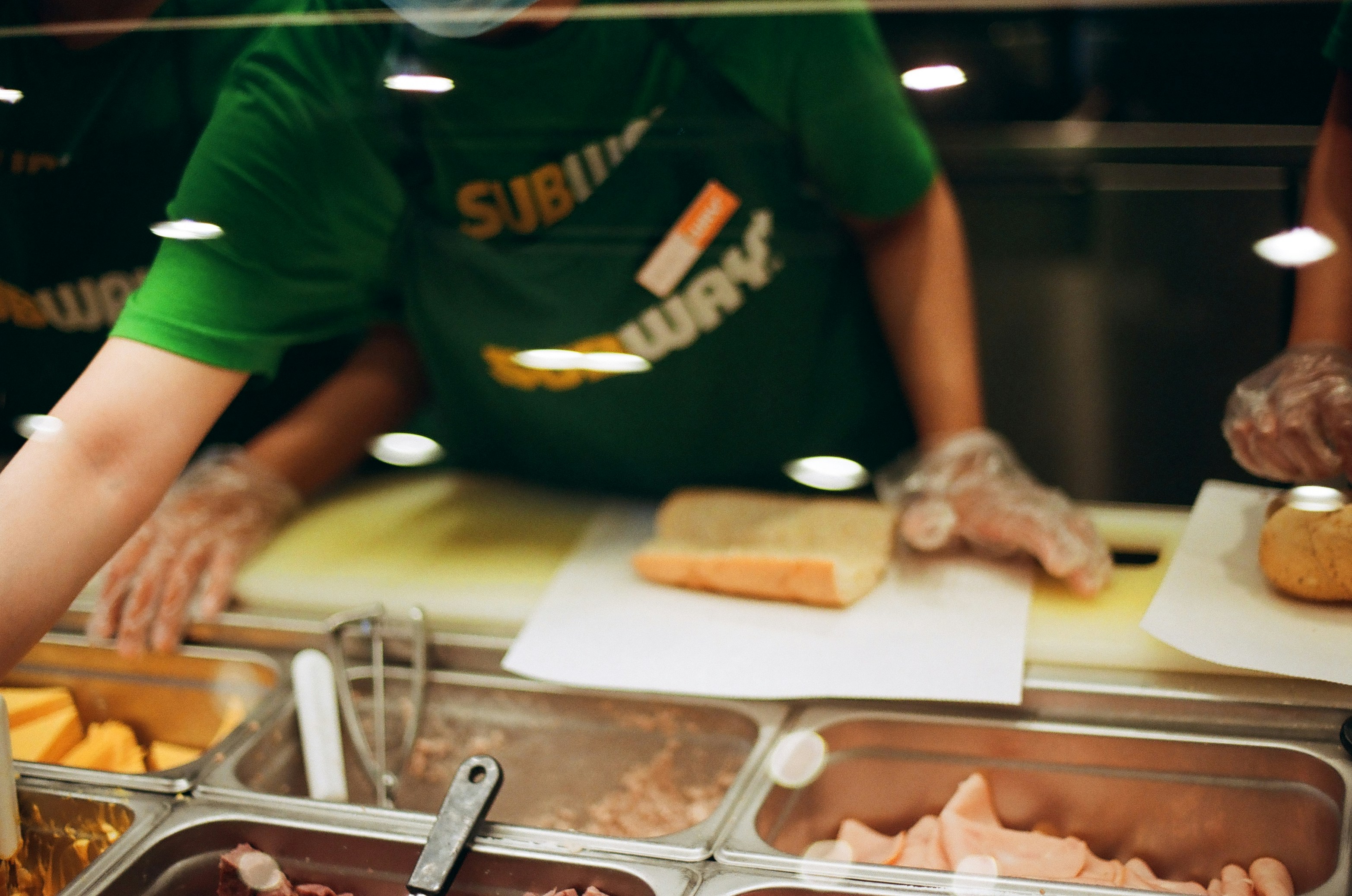
Photo by dedy kurniawan on Unsplash
A close look at Jersey Mike’s rapid expansion, leadership shift, and international push under Blackstone’s ownership.
Apr 16, 2026
Discover the recent leadership changes at Starbucks, including the retirement of CEO Michael Conway and the implications for the company's organizational structure.
Photo by Athar Khan on Unsplash
Michael Conway, who recently held the position of CEO, North America at Starbucks, has announced his retirement. Conway's journey within the company has been significant, starting in 2013 and eventually being promoted to the newly created role of CEO, North America. Prior to this role, he served as the group president of international and channel development, where he played a crucial role in leading Starbucks' retail growth and operations in 80 markets. Conway's retirement marks the end of an era for his leadership within the company.

Photo by Athar Khan on Unsplash
Conway's retirement has sparked changes within the Starbucks leadership team. The shift in the executive structure was initially designed to establish a clear geographic focus within the company, bridged by global functions with specialized expertise. With Conway's departure, there is anticipation of adjustments to the organizational chart, especially given the recent appointment of Brian Niccol as the chief executive officer, replacing Laxman Narasimhan. This change in leadership likely signifies a new direction for the company's structure and strategic priorities.
Photo by Athar Khan on Unsplash
Following Michael Conway's retirement, Sara Trilling, the current president of Starbucks North America, will now lead retail operations across the region. Trilling, who brings over 22 years of experience with the company, previously held the position of senior vice president of the north division. Her tenure since 2002 has provided her with extensive knowledge of the company's operations and culture, making her a suitable candidate to steer the retail segment in North America through this transition period.
Despite his retirement as CEO, North America, Michael Conway will continue to contribute to Starbucks as an executive advisor until the end of November. This continued involvement allows Conway to provide insights and guidance based on his extensive experience within the company, ensuring a smooth transition period and continuity in strategic decision-making. Conway's expertise and institutional knowledge will be valuable assets during this transitional phase.