
Best Restaurant Marketing Ideas for 2026
This guide outlines restaurant marketing ideas that help operators attract nearby customers, convert demand faster, and strengthen long-term retention.
marketing ideas
Apr 16, 2026
This guide outlines restaurant marketing ideas that help operators attract nearby customers, convert demand faster, and strengthen long-term retention.
Apr 16, 2026

A clear host training process helps restaurants manage greetings, waitlists, reservations, seating decisions, and guest communication more consistently.
Apr 15, 2026

Chipotle reshapes loyalty with Rewards on Repeat, blending in-store promotions, staff incentives, and simpler redemption to boost traffic.
Apr 16, 2026

Photo by Salah Ait Mokhtar on Unsplash
A refined look at Papa Murphy’s strategy as MTY guides a cautious turnaround amid a crowded pizza landscape—digital play, local marketing, and a new Detroit-style offering.
Apr 16, 2026

Photo by Sergio Mena Ferreira on Unsplash
Mo’ Bettahs leaves Kansas City as it pivots to a PE-backed national expansion to Phoenix, Indianapolis, and Minneapolis.
Apr 16, 2026

Photo by Kate Trysh on Unsplash
Applebee’s O-M-Cheese Burger fuses spectacle with value, driving social buzz and foot traffic—a signal for the skillet-cheese moment in casual dining.
Apr 16, 2026

Photo by Diego Mattevi on Unsplash
GoTo Foods taps Misra and Lambert to harmonize digital momentum with disciplined development across seven brands, aiming for stronger guest experiences and franchisee economics.
Apr 16, 2026
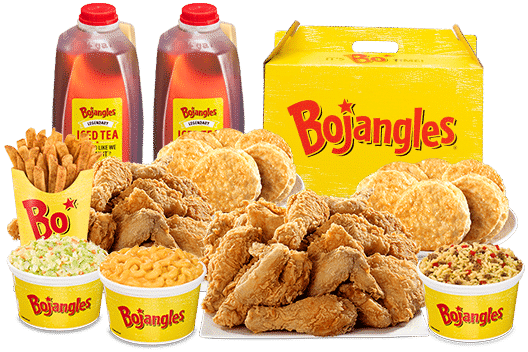
Bojangles launches Bo’s Chicken Rippers in an eight-week pilot, turning bites into a hands-on, sauce-forward experience with interactive, tear-apart slabs.
Apr 16, 2026
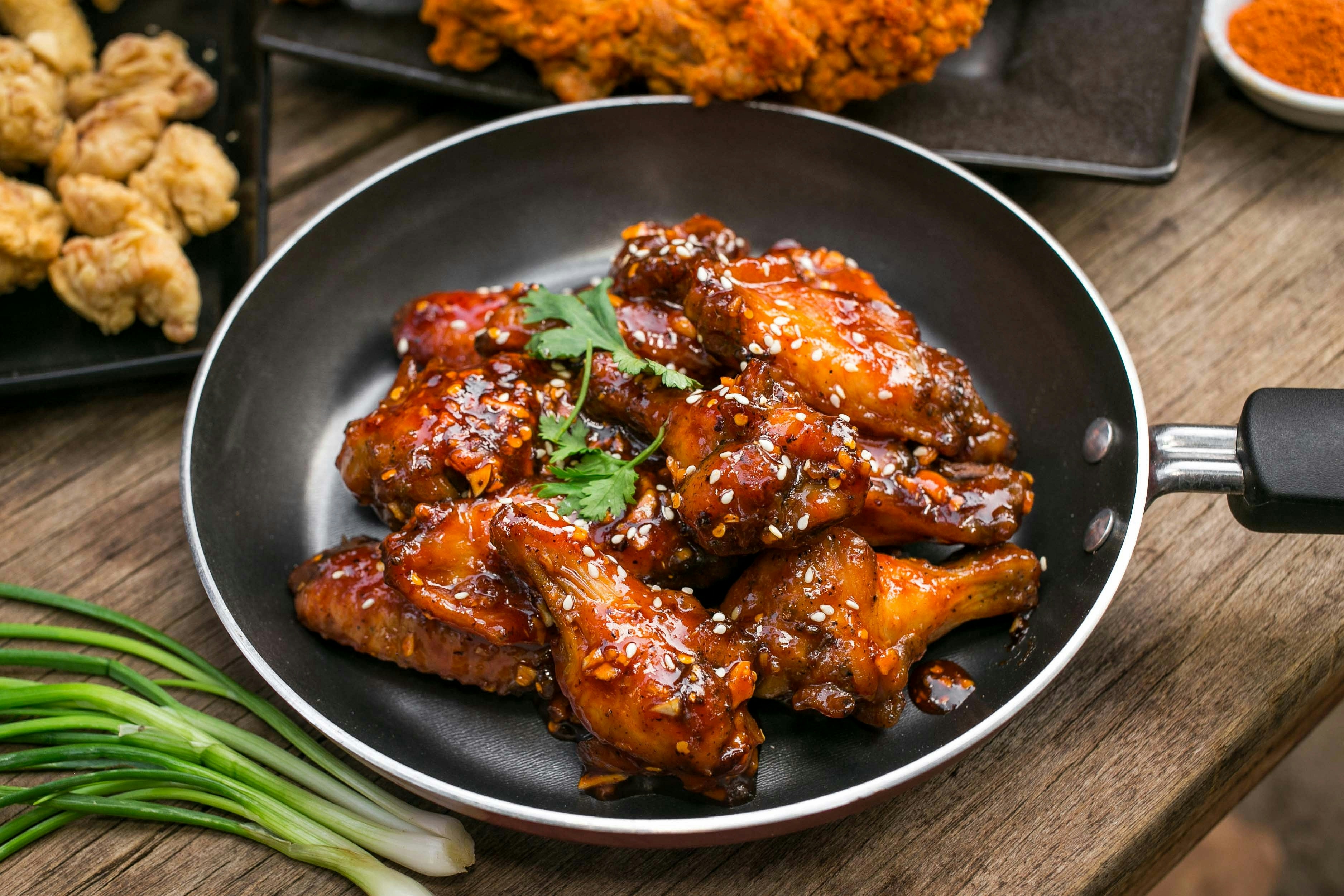
Photo by Jim Sosengphet on Unsplash
Popeyes teams with One Piece for a limited menu and merch drop, blending bold flavors with anime fandom to boost traffic and loyalty.
Apr 16, 2026
Photo by dedy kurniawan on Unsplash
A close look at Jersey Mike’s rapid expansion, leadership shift, and international push under Blackstone’s ownership.
Apr 16, 2026
Explore the impact of a recent court ruling against the adopt-and-amend tactic on Michigan labor laws and tipped workers' rights.

Photo by Bruno Guerrero on Unsplash
The recent ruling by the court in Michigan sheds light on the adopt-and-amend tactic, a strategy employed by lawmakers to weaken existing labor laws. In this case, the state legislature, under Republican control, initially adopted laws related to minimum wage and sick leave in 2018. However, shortly after, amendments were introduced to significantly diminish the impact of these laws. This tactic was utilized to delay the implementation of labor law reforms, impacting thousands of workers in the state.
The court's decision emphasized the importance of voter approval in legislative processes. According to the Michigan Constitution, amendments to initiatives cannot be made without the consent of the voters. This ruling highlights the democratic principle of safeguarding the rights of the electorate in shaping laws that affect their livelihoods. The rejection of the adopt-and-amend scheme underscores the need for transparency and accountability in legislative actions.

Photo by Bruno Guerrero on Unsplash
One noteworthy outcome of the court ruling is the positive effect on tipped workers in Michigan. Advocacy groups, such as One Fair Wage, have lauded the decision for leading to wage increases for nearly half a million workers in the state. Michigan's move to eliminate the subminimum wage for tipped workers sets a precedent, marking the state as a trailblazer in this crucial labor rights issue. This shift not only benefits the workers directly affected but also sets a progressive example for other states to follow.
Trade organizations, like the National Restaurant Association (NRA), have played a significant role in advocating for the preservation of the tipped subminimum wage. Despite recent challenges in cities like Chicago and Washington, D.C., the NRA has been staunch in its support of the current compensation model. The debate surrounding the tip credit system continues, with opponents citing potential job losses as a consequence of its elimination. However, economic data from jurisdictions that have altered this system show varying impacts on employment, prompting further discussion and analysis.

Photo by Bruno Guerrero on Unsplash
Looking ahead, the Michigan court decision is likely to have far-reaching implications for the treatment of tipped workers and the enforcement of minimum wage laws. The NRA's commitment to safeguarding the tip credit underscores the ongoing debate in the industry regarding fair compensation practices. As states reevaluate their labor regulations, the experiences of Michigan and other jurisdictions will serve as valuable case studies in determining the best approach to protect the rights and livelihoods of service industry workers.