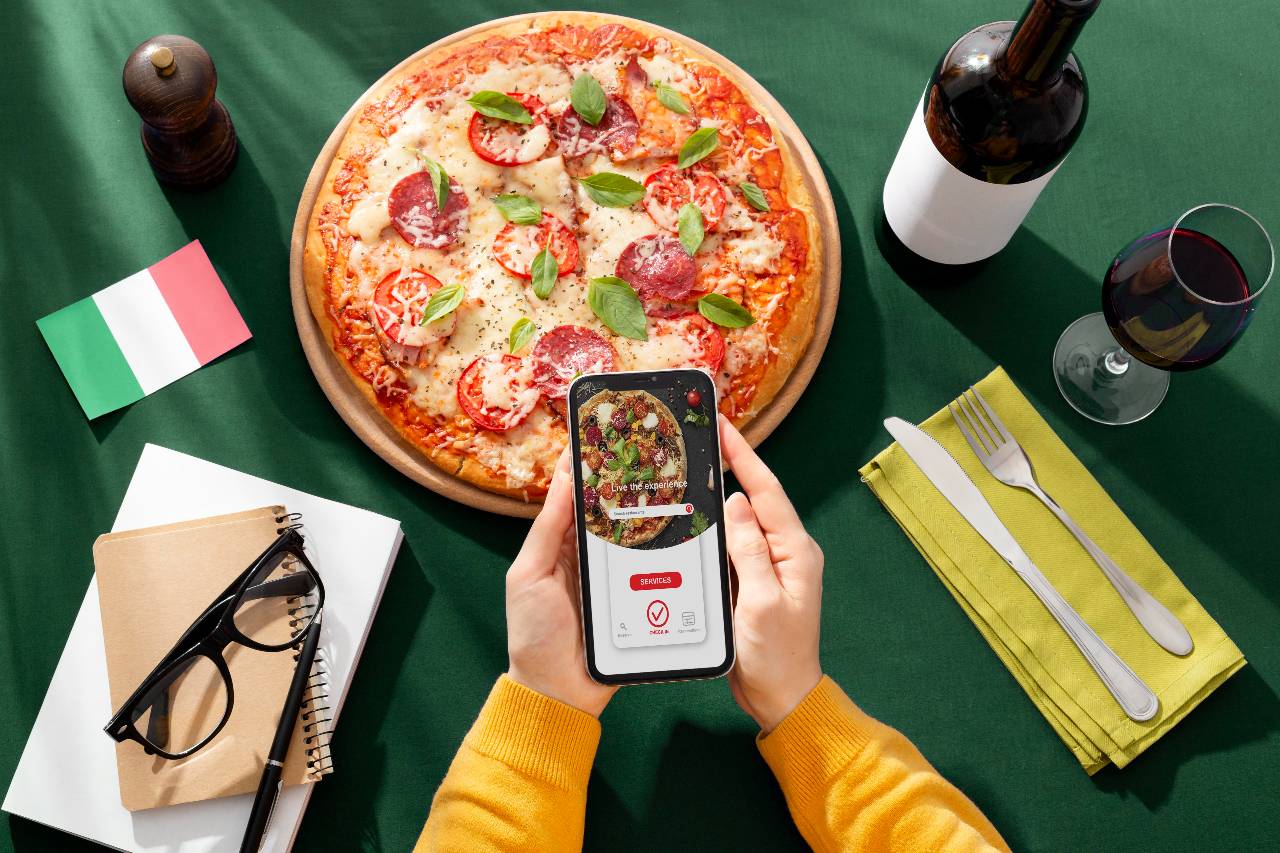
Best Restaurant Marketing Ideas for 2026
This guide outlines restaurant marketing ideas that help operators attract nearby customers, convert demand faster, and strengthen long-term retention.
marketing ideas
Apr 16, 2026
This guide outlines restaurant marketing ideas that help operators attract nearby customers, convert demand faster, and strengthen long-term retention.
Apr 16, 2026

A clear host training process helps restaurants manage greetings, waitlists, reservations, seating decisions, and guest communication more consistently.
Apr 15, 2026
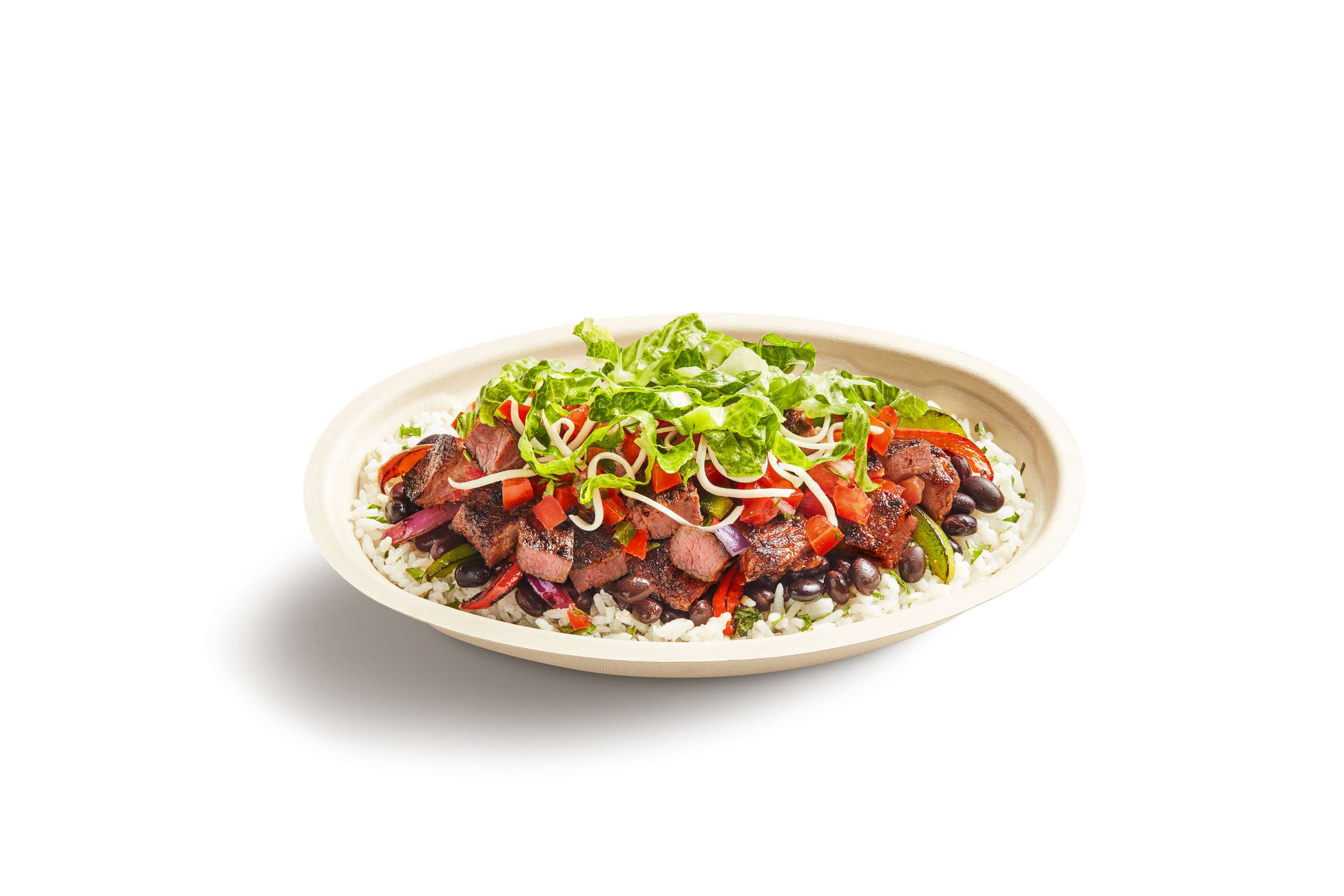
Chipotle reshapes loyalty with Rewards on Repeat, blending in-store promotions, staff incentives, and simpler redemption to boost traffic.
Apr 16, 2026
Photo by Salah Ait Mokhtar on Unsplash
A refined look at Papa Murphy’s strategy as MTY guides a cautious turnaround amid a crowded pizza landscape—digital play, local marketing, and a new Detroit-style offering.
Apr 16, 2026

Photo by Sergio Mena Ferreira on Unsplash
Mo’ Bettahs leaves Kansas City as it pivots to a PE-backed national expansion to Phoenix, Indianapolis, and Minneapolis.
Apr 16, 2026

Photo by Kate Trysh on Unsplash
Applebee’s O-M-Cheese Burger fuses spectacle with value, driving social buzz and foot traffic—a signal for the skillet-cheese moment in casual dining.
Apr 16, 2026

Photo by Diego Mattevi on Unsplash
GoTo Foods taps Misra and Lambert to harmonize digital momentum with disciplined development across seven brands, aiming for stronger guest experiences and franchisee economics.
Apr 16, 2026
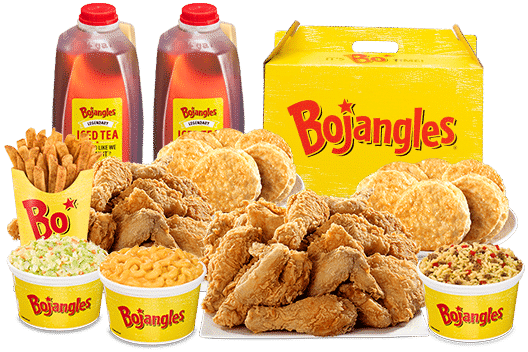
Bojangles launches Bo’s Chicken Rippers in an eight-week pilot, turning bites into a hands-on, sauce-forward experience with interactive, tear-apart slabs.
Apr 16, 2026
Photo by Jim Sosengphet on Unsplash
Popeyes teams with One Piece for a limited menu and merch drop, blending bold flavors with anime fandom to boost traffic and loyalty.
Apr 16, 2026
Photo by dedy kurniawan on Unsplash
A close look at Jersey Mike’s rapid expansion, leadership shift, and international push under Blackstone’s ownership.
Apr 16, 2026
Launched on "September 29, 2025," JJ Rewards replaces Freaky Fast Rewards with a clear, tiered points system designed to nurture habitual ordering through transparency and real-time tracking.
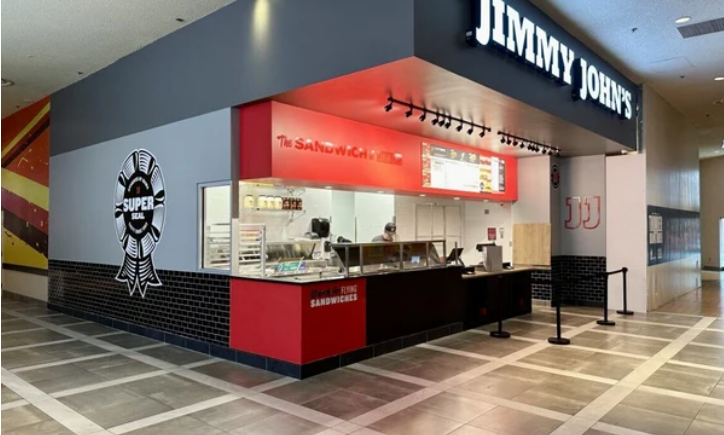
Jimmy John’s has exchanged the lightning-bolt thrill of surprises for the steadier warmth of routine. With JJ Rewards—launched on "September 29, 2025"—the brand retires its Freaky Fast Rewards program and ushers in a softer, more legible promise: every order translates into progress you can see. Instead of waiting for serendipity, members now collect "10" points for each dollar spent and redeem them against a menu-mapped ladder of treats. It’s an inviting change of pace, the kind you settle into like a familiar corner seat. The company’s language is deliberate and soothing, framing the program as "more rewarding, transparent, and personalized." That phrasing signals a move away from chance toward a sense of ownership—customers guide their own path, choosing when to indulge and when to save. In a category that often chases excitement, Jimmy John’s is betting that clarity feels just as engaging, especially when the rewards are close enough to taste. The effect is gently transformative: a loyalty experience that behaves like a standing date rather than a surprise party—steady, welcoming, and easy to fold into the week’s rhythm of lunches and late-afternoon cravings. Analysis: The launch marks a clear repositioning from unpredictability to control, using transparency and a defined accrual structure to encourage repeat, comfortable ordering patterns.
At the heart of JJ Rewards is a simple promise: behavior in, benefits out, without fine-print guessing games. The brand frames the redesign as a step toward a calmer, clearer experience where customers understand how every purchase nudges them toward something satisfying. The mechanic links spend directly to menu items—with point counts displayed and progress tracked in real time—so members can plan ahead rather than hope. The company’s positioning is steady by design. By aligning incentives with spending patterns, the program aims to weave loyalty into the actual ordering journey. The phrase "more rewarding, transparent, and personalized" sets the tone. Real-time visibility turns points from an abstraction into a visible, gentle countdown to the next side or sandwich—evidence that small moments add up. This recalibration makes the program feel less like a lottery and more like a ledger of small rewards that build with each routine choice. In a world of flash deals, there’s comfort in a system that behaves exactly as it says it will. Analysis: By prioritizing rules customers can grasp, the brand converts loyalty from a sporadic thrill into a dependable decision driver, positioning points as a planned part of every order.
JJ Rewards translates spending into milestones that mirror the menu, making each threshold feel tangible. Members earn "10" points per dollar and can redeem at set tiers: "150" points unlocks Kickin’ Ranch sauce; at "400" points, a pickle or chips; "450" points for drinks; and "500" points for desserts. From there, the ladder steps into heartier territory—"1,200" points for an Original sandwich, "1,500" for Favorites, "1,600" for wraps, and "1,700" for the Toasted Sandwiches introduced earlier in the year. The design invites two pleasant paths: quick wins that punctuate ordinary days, or patient saving for something more substantial. Real-time tracking, paired with the freedom to choose when to redeem, turns the app or website into a reassuring progress bar. The ladder’s clarity eases the mental math that so often deters engagement, replacing it with straightforward wayfinding from first bite to free bite. It reads like a menu of milestones—no riddles, just a gentle progression from sauce to sandwich, each rung easy to understand and satisfying to reach. Analysis: Fixed tiers reduce cognitive load and strengthen perceived value, allowing members to style their engagement—either frequent small redemptions or saving for larger items—without ambiguity.
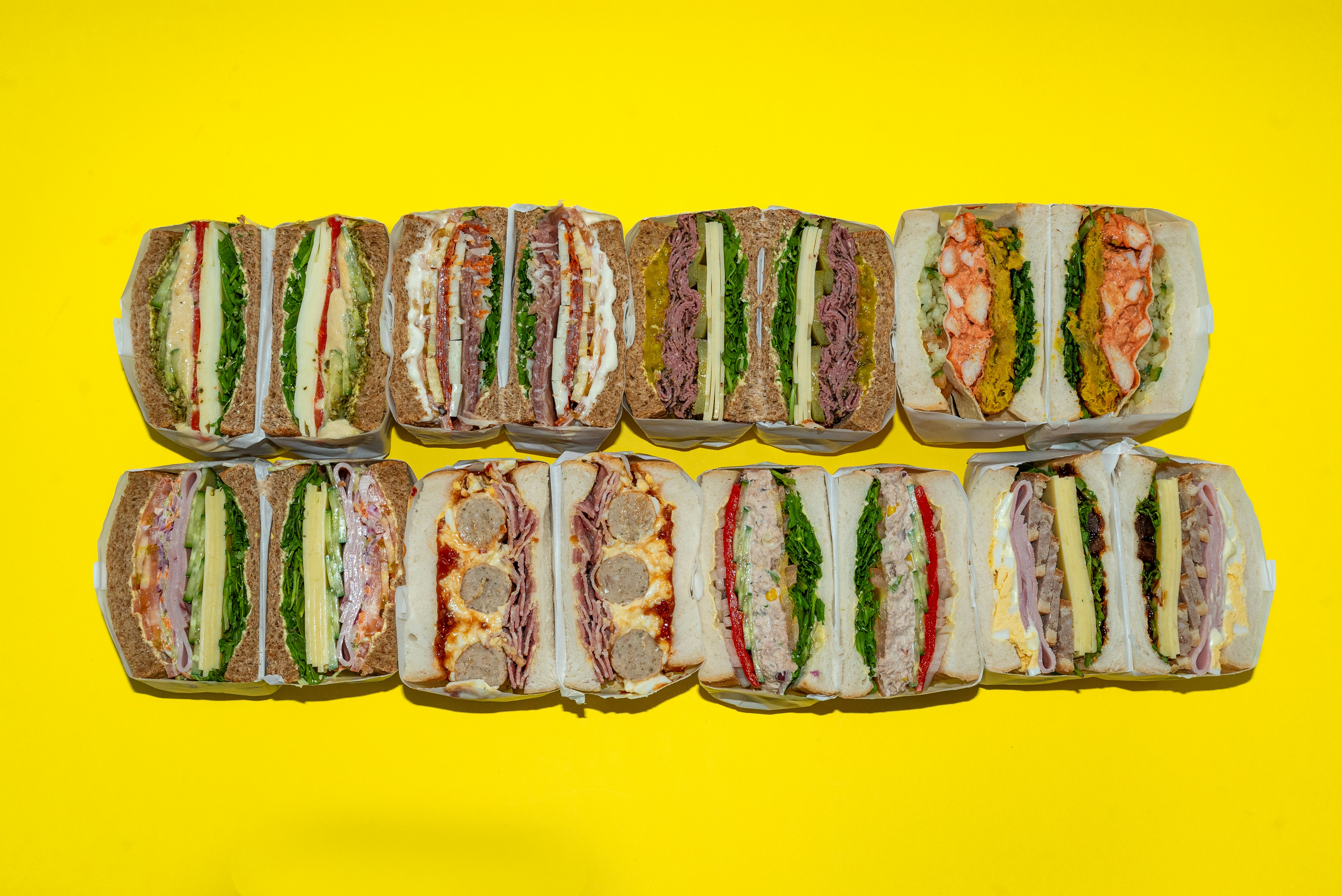
To welcome members into the new rhythm, Jimmy John’s set the table with immediate value. At launch, the company granted a "600-point" bonus—enough for a premium side such as Pesto Bowtie Pasta Salad or Homestyle Potato Salad—so members could experience redemption without waiting. The gesture says, simply, this is how it works, and it works right away. New members receive a free "8″" Original or Favorite sandwich when they join via the website or mobile app, an upfront invitation that pairs discovery with delight. Existing members were automatically enrolled, with points balances transferred intact, and familiar perks like a free birthday sandwich remain. The continuity offers a soothing sense of care, a promise that loyal habits are honored even as the system evolves. That stack of benefits—the join gift, the launch bonus, and carried-over balances—creates momentum. It lowers the barrier to testing the new ladder and makes the first steps intuitive. From that first premium side to the next free sandwich, the path is lit. Analysis: Seamless migration and early bonuses are an adoption accelerant, demonstrating redemption mechanics immediately while reassuring long-time members that their past engagement still matters.
JJ Rewards arrives amid an industry leaning into behavioral loyalty and omnichannel reach. Chipotle’s student-targeted program, introduced in August 2025, awards "12 points per dollar" and offers a "1,000-point" onboarding bonus, pairing those mechanics with merchandise collaborations to deepen relevance for college audiences. Benchmarking in the same context underscores why brands are investing: loyalty members visit "22%" more often and are "twice as likely" to engage than non-members. Starbucks reports "over 34 million" active loyalty users, with purchases from those members representing "nearly 60%" of U.S. company-owned transactions. Platforms are also retooling. DoorDash has enhanced its Commerce Platform to support spend- or visit-based structures, cross-channel accrual and redemption, and automated marketing—tools that make omnichannel loyalty easier to implement without point-of-sale complexity. Its Going Out feature—launched in "September 2025"—bundles reservations, in-store rewards, and exclusive offers through DashPass, stitching together experiences that extend beyond delivery. Against this backdrop, Jimmy John’s choice to make points predictable and menu-linked aligns with the habits shaped by these programs. It’s a familiar cadence in a crowded field, designed to be read at a glance and trusted order after order. Analysis: The predictable ladder positions Jimmy John’s within prevailing loyalty norms, helping it compete for frequency among customers trained by high-visibility programs and platform ecosystems.
Some operational nuances remain outside the frame. The information highlights accrual, launch bonuses, migration, and the tiered ladder, yet it does not specify point expiration timelines, category exclusions, or limits on redemptions per transaction. There’s no mention of targeted offers, earn boosters, or differential accrual rates beyond the base "10" points per dollar. It’s also not indicated how redemptions interact with discounts or whether in-store and delivery accrue identically, aside from the ability to join via website or mobile app. These omissions don’t disrupt the core value story, which rests on clarity of accrual and a visible path to rewards. Still, such details can shape day-to-day feel—how often members redeem, whether points linger or nudge faster, and how consistent the experience is across channels. For now, the centerpiece remains a ladder that is easy to understand and ready to use. The absence of these specifics keeps the focus on the headline promise: a system where what you spend neatly maps to what you get, without the drama. Analysis: Unspecified policies leave room for future refinement but do not undermine the main proposition of transparent accrual and predictable redemptions that customers can track in real time.
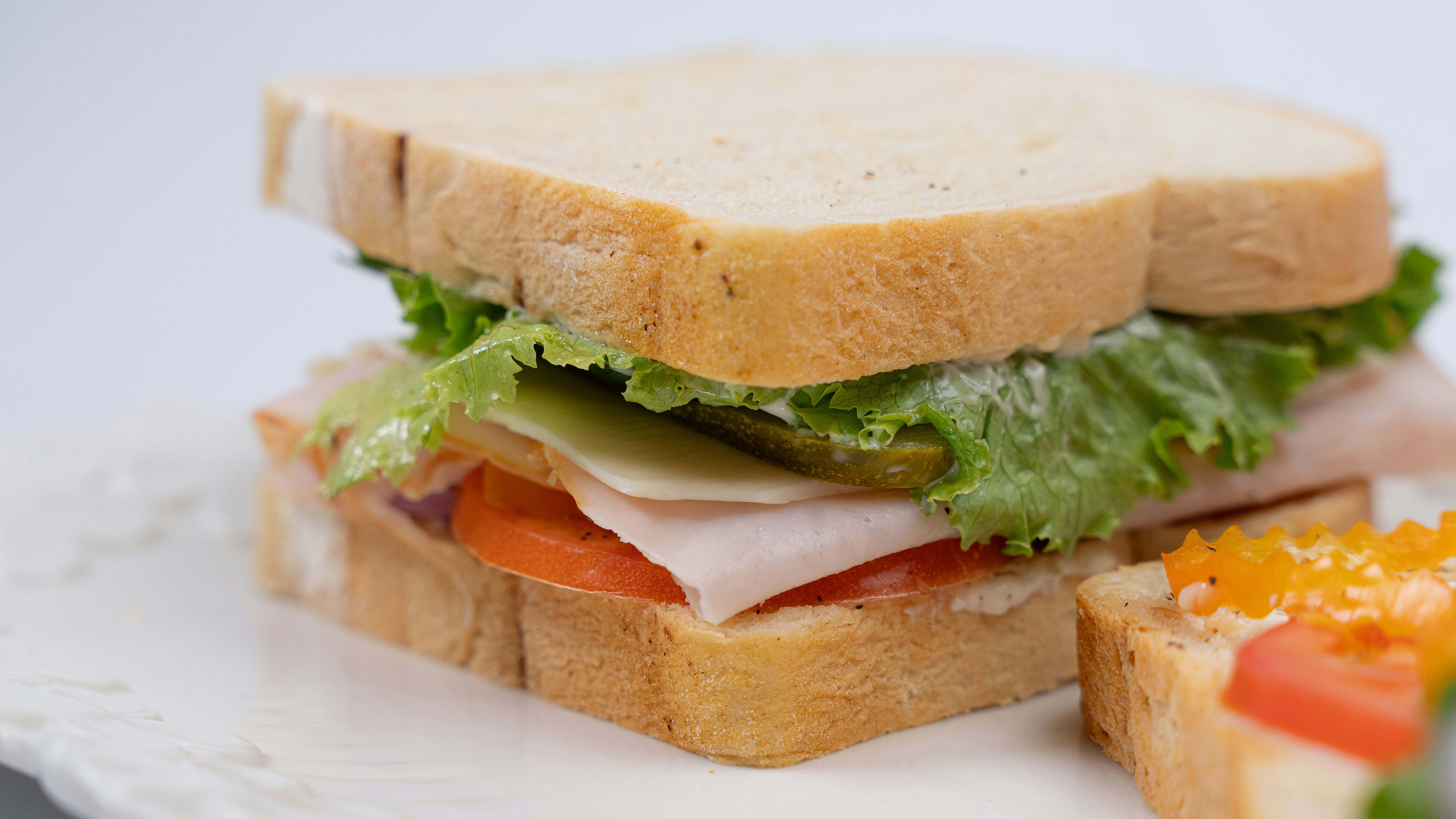
By anchoring JJ Rewards in visible milestones and immediate onboarding value, Jimmy John’s is inviting customers into a habit that feels soothingly straightforward. The thresholds—from "150" to "1,700" points—offer both small satisfactions and larger treats, encouraging members to keep an eye on their progress with each order. Described as "more rewarding, transparent, and personalized," the program is built to mirror how people already purchase, letting rewards become a natural extension of that flow. The gentle lesson here is that reliability can be its own kind of delight. When customers can see exactly how close they are to a free sauce, side, or sandwich, loyalty becomes a companion to daily decisions rather than an occasional surprise. It’s the comfort of knowing what’s next—like finding your usual table open, your favorite sandwich ready, and the path to a free one neatly highlighted. In a marketplace where noise often drowns out nuance, this measured approach reads as intentional and kind. Make it clear. Make it trackable. Let customers choose their moment. That’s how a points program becomes a ritual: one calm, credible step at a time. Analysis: If execution matches design, the predictability of JJ Rewards can convert casual users into repeat customers, weaving rewards into the cadence of ordering rather than relying on sporadic excitement.