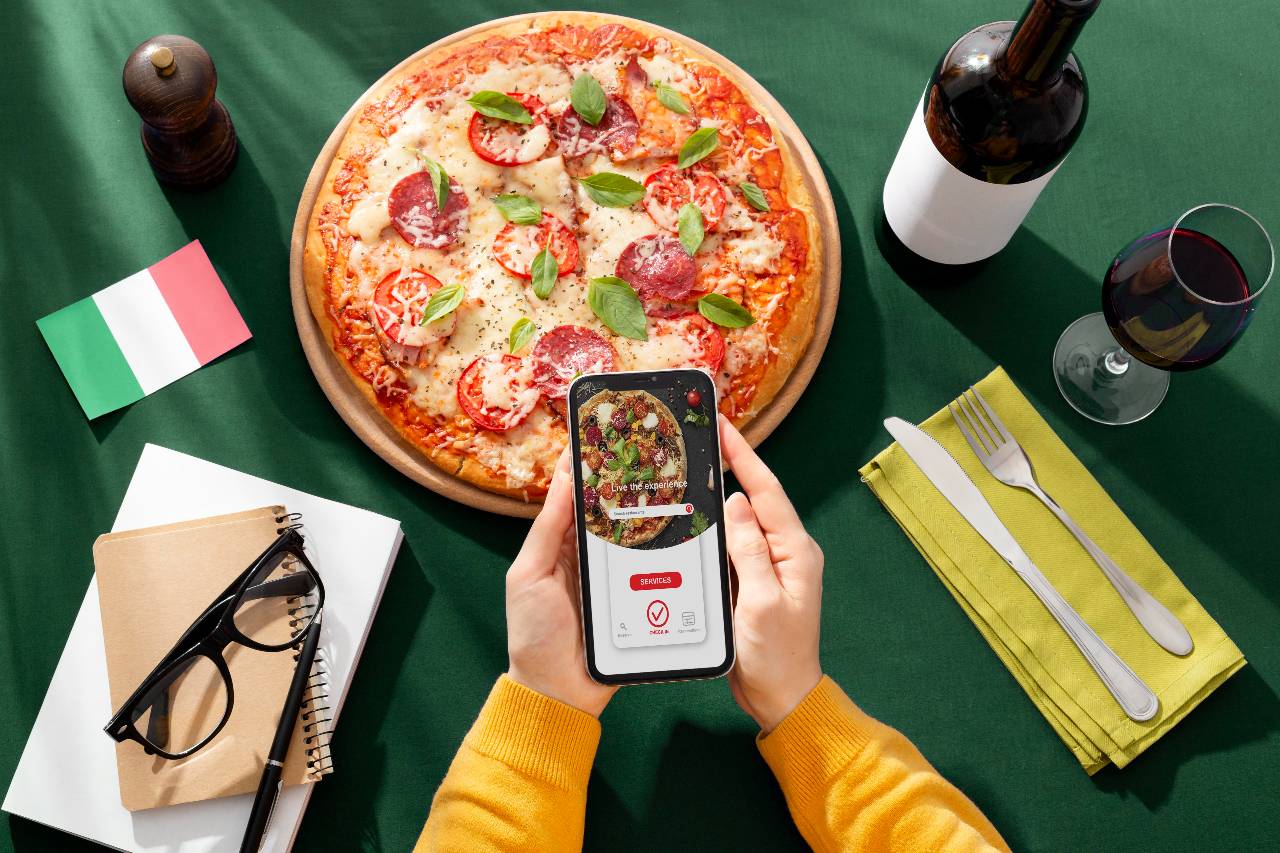
Best Restaurant Marketing Ideas for 2026
This guide outlines restaurant marketing ideas that help operators attract nearby customers, convert demand faster, and strengthen long-term retention.
marketing ideas
Apr 16, 2026
This guide outlines restaurant marketing ideas that help operators attract nearby customers, convert demand faster, and strengthen long-term retention.
Apr 16, 2026

A clear host training process helps restaurants manage greetings, waitlists, reservations, seating decisions, and guest communication more consistently.
Apr 15, 2026
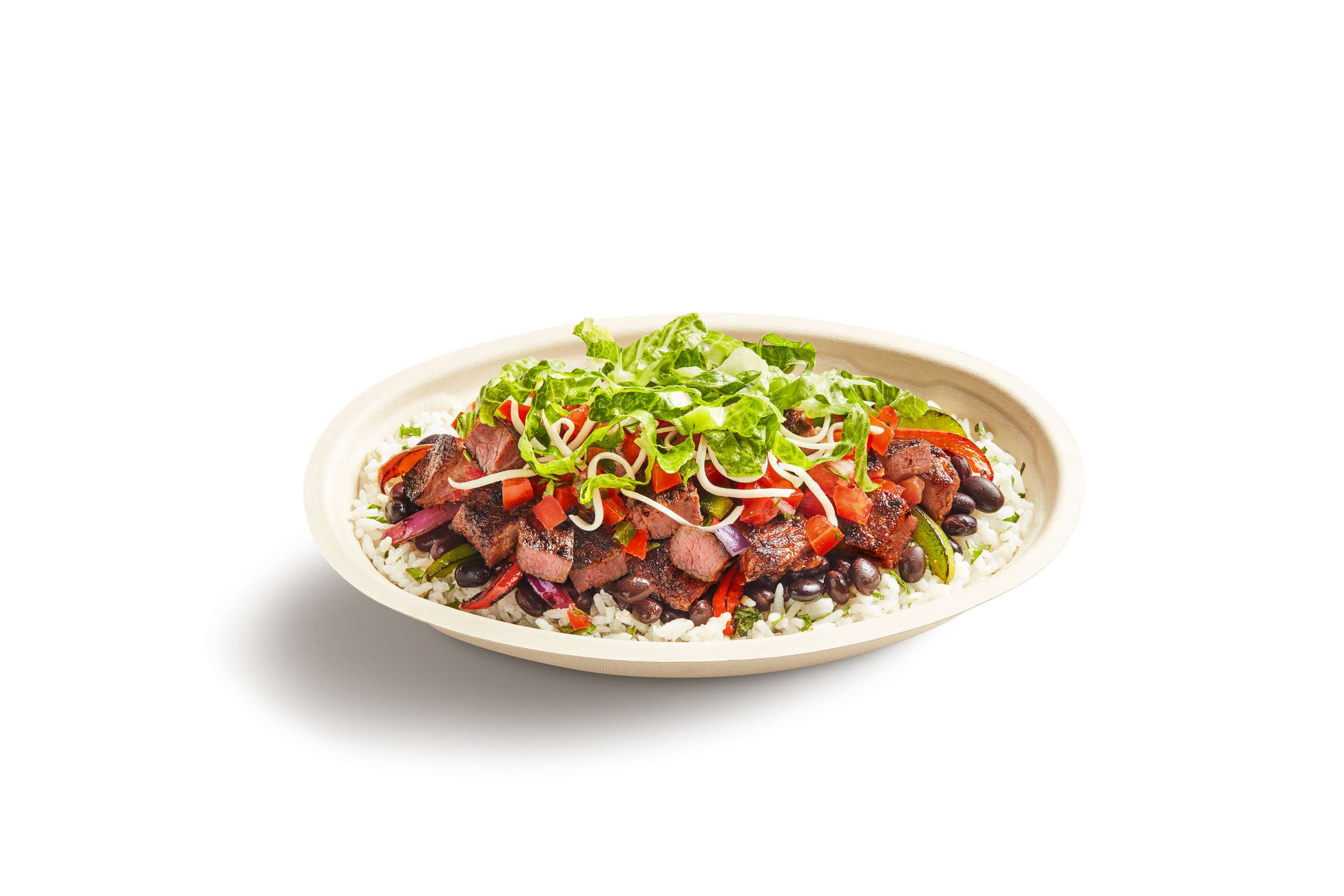
Chipotle reshapes loyalty with Rewards on Repeat, blending in-store promotions, staff incentives, and simpler redemption to boost traffic.
Apr 16, 2026
Photo by Salah Ait Mokhtar on Unsplash
A refined look at Papa Murphy’s strategy as MTY guides a cautious turnaround amid a crowded pizza landscape—digital play, local marketing, and a new Detroit-style offering.
Apr 16, 2026
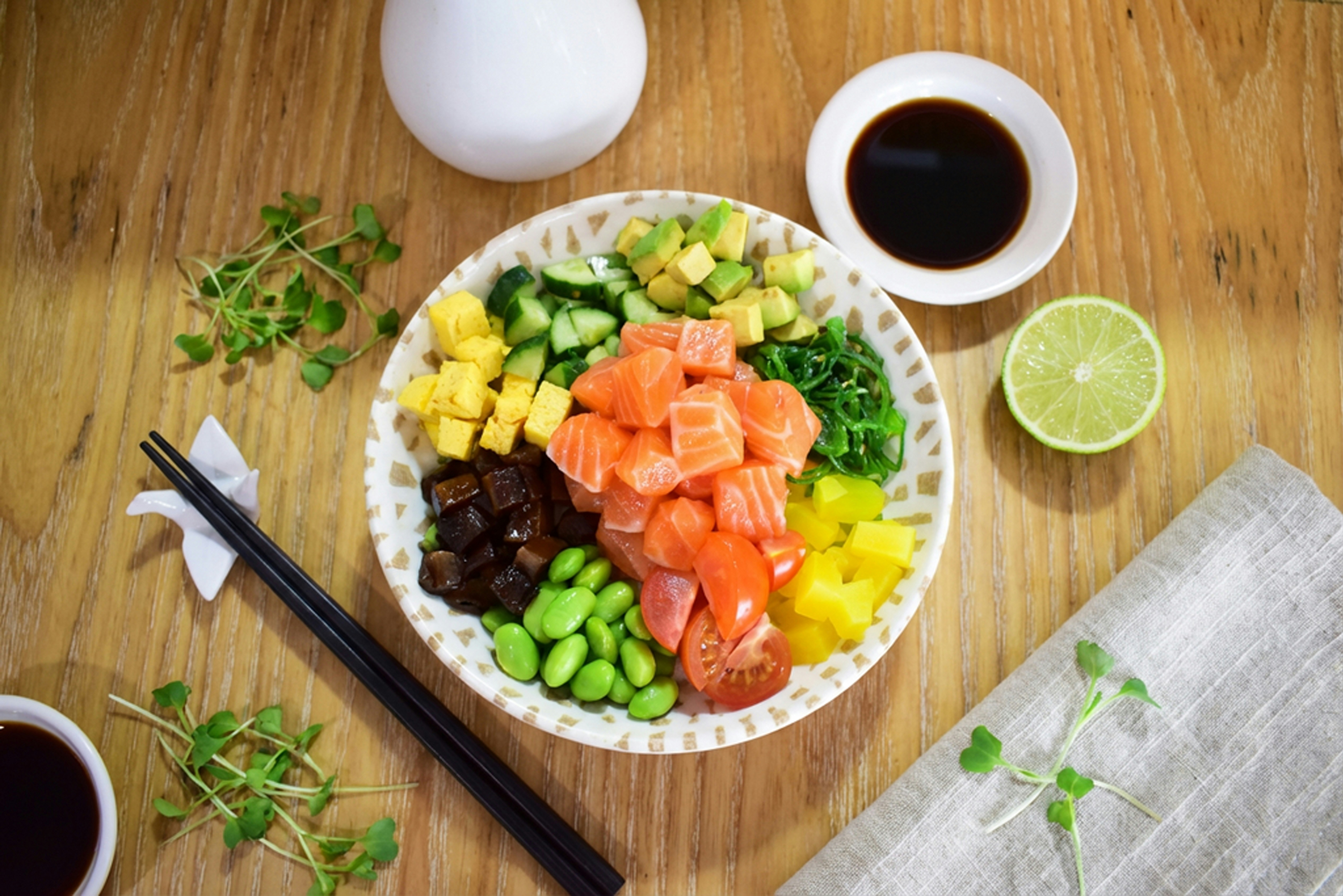
Photo by Sergio Mena Ferreira on Unsplash
Mo’ Bettahs leaves Kansas City as it pivots to a PE-backed national expansion to Phoenix, Indianapolis, and Minneapolis.
Apr 16, 2026

Photo by Kate Trysh on Unsplash
Applebee’s O-M-Cheese Burger fuses spectacle with value, driving social buzz and foot traffic—a signal for the skillet-cheese moment in casual dining.
Apr 16, 2026

Photo by Diego Mattevi on Unsplash
GoTo Foods taps Misra and Lambert to harmonize digital momentum with disciplined development across seven brands, aiming for stronger guest experiences and franchisee economics.
Apr 16, 2026
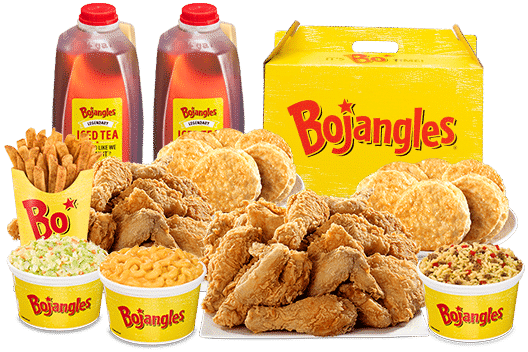
Bojangles launches Bo’s Chicken Rippers in an eight-week pilot, turning bites into a hands-on, sauce-forward experience with interactive, tear-apart slabs.
Apr 16, 2026
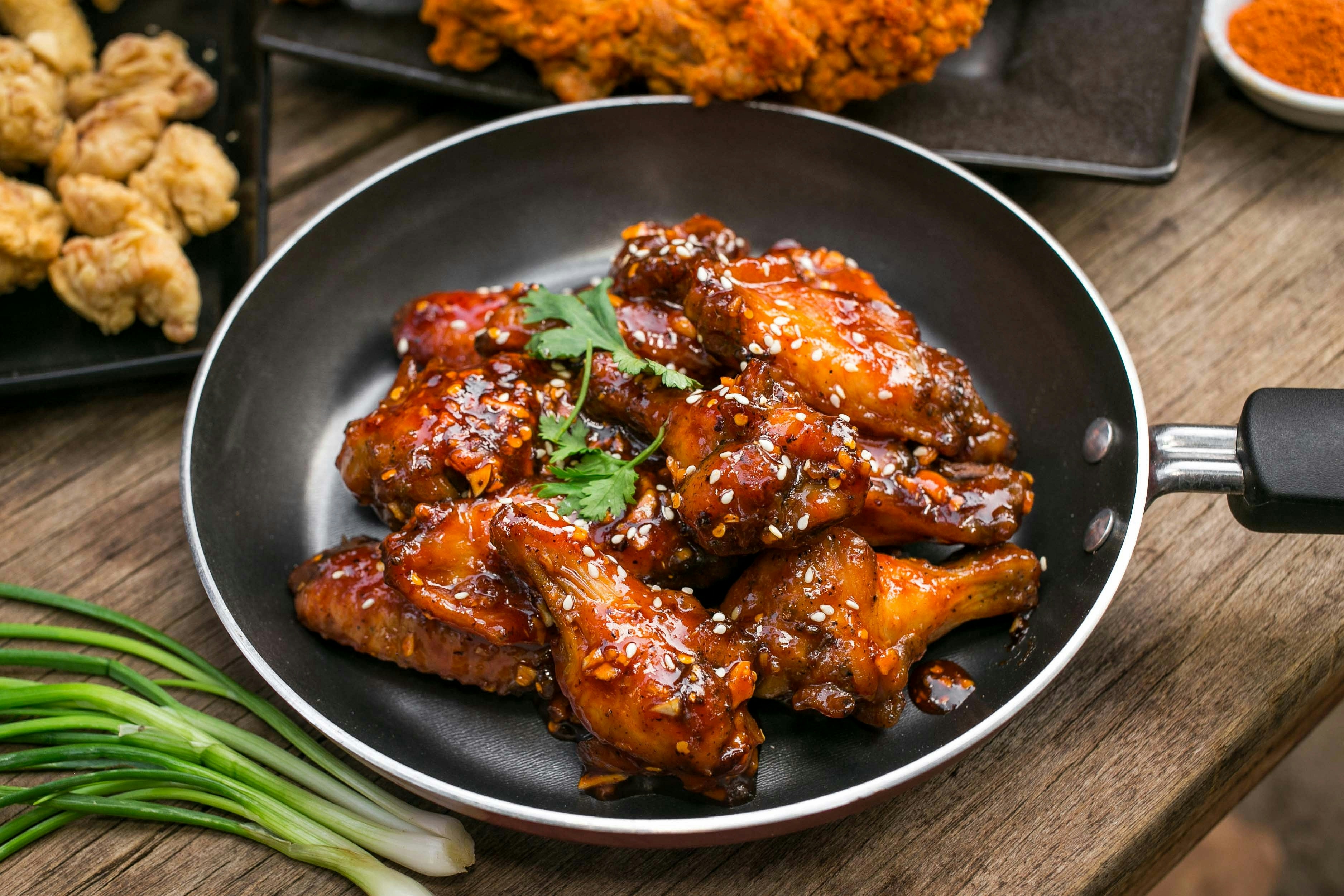
Photo by Jim Sosengphet on Unsplash
Popeyes teams with One Piece for a limited menu and merch drop, blending bold flavors with anime fandom to boost traffic and loyalty.
Apr 16, 2026
Photo by dedy kurniawan on Unsplash
A close look at Jersey Mike’s rapid expansion, leadership shift, and international push under Blackstone’s ownership.
Apr 16, 2026
Explore how Hawkers Asian Street Food navigates Chapter 11 bankruptcy protection while prioritizing brand integrity and operational control.

Filing for Chapter 11 bankruptcy protection, Hawkers Asian Street Food demonstrates a strategic move to retain operational control amid financial challenges. By leveraging this legal process, the restaurant aims to navigate its debt obligations while protecting the core functions of the business. This proactive step allows Hawkers to continue its daily operations, uphold vendor commitments, and ensure a smooth transition towards financial stability.
The decision to file for Chapter 11 bankruptcy also underscores Hawkers' commitment to safeguarding its brand integrity from potential overreaching lenders. By taking this protective measure, the restaurant asserts its dedication to maintaining the quality of customer experiences and upholding its reputation in the market. This strategic maneuver aims to shield the brand from undue influence and pave the way for a sustainable future post-restructuring.
Hawkers' initial growth strategy, marked by a debt capital agreement to expand nationally, showcases the brand's ambition to establish a prominent presence across the United States. Despite achieving notable success evidenced by impressive systemwide sales growth and store expansion, unforeseen financial hurdles have prompted the need for bankruptcy protection. This juxtaposition highlights the complexities of scaling a business while managing financial risks in a competitive industry.
Amid the uncertainties of bankruptcy proceedings, Hawkers Asian Street Food remains steadfast in prioritizing the guest experience. By emphasizing the safety and well-being of team members, stakeholders, and customers, the restaurant underscores its commitment to delivering exceptional service even during challenging times. This focus on quality hospitality reflects Hawkers' dedication to sustaining customer loyalty and trust throughout the restructuring phase.
The journey of Hawkers Asian Street Food serves as a poignant reminder of the delicate balance between growth aspirations and financial constraints in the realm of hospitality. While the brand continues to aspire to be a household name, the bankruptcy filing necessitates a strategic reassessment of its expansion plans. This adaptive approach underscores the importance of aligning growth trajectories with sustainable financial practices to ensure long-term viability and success.