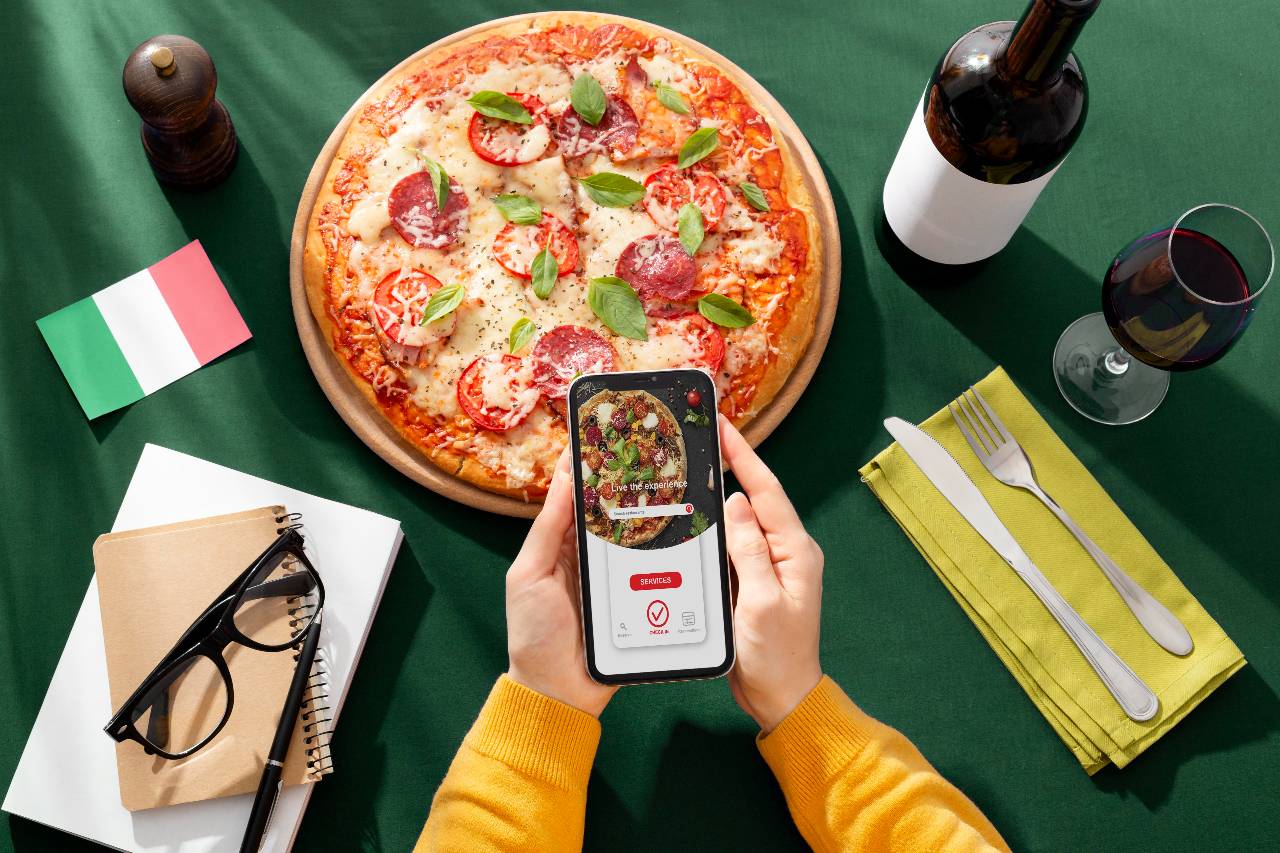
Best Restaurant Marketing Ideas for 2026
This guide outlines restaurant marketing ideas that help operators attract nearby customers, convert demand faster, and strengthen long-term retention.
marketing ideas
Apr 16, 2026
This guide outlines restaurant marketing ideas that help operators attract nearby customers, convert demand faster, and strengthen long-term retention.
Apr 16, 2026

A clear host training process helps restaurants manage greetings, waitlists, reservations, seating decisions, and guest communication more consistently.
Apr 15, 2026
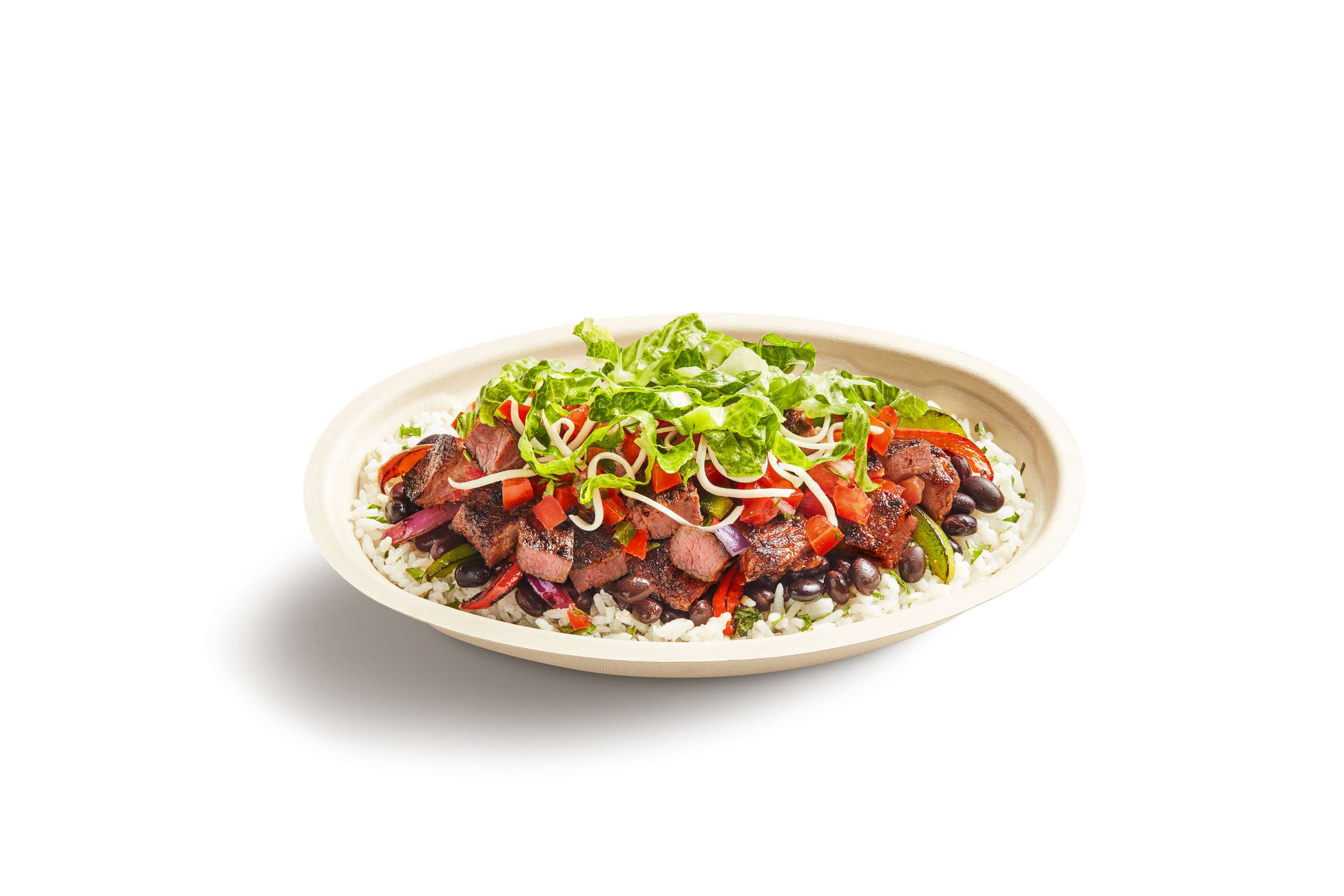
Chipotle reshapes loyalty with Rewards on Repeat, blending in-store promotions, staff incentives, and simpler redemption to boost traffic.
Apr 16, 2026
Photo by Salah Ait Mokhtar on Unsplash
A refined look at Papa Murphy’s strategy as MTY guides a cautious turnaround amid a crowded pizza landscape—digital play, local marketing, and a new Detroit-style offering.
Apr 16, 2026
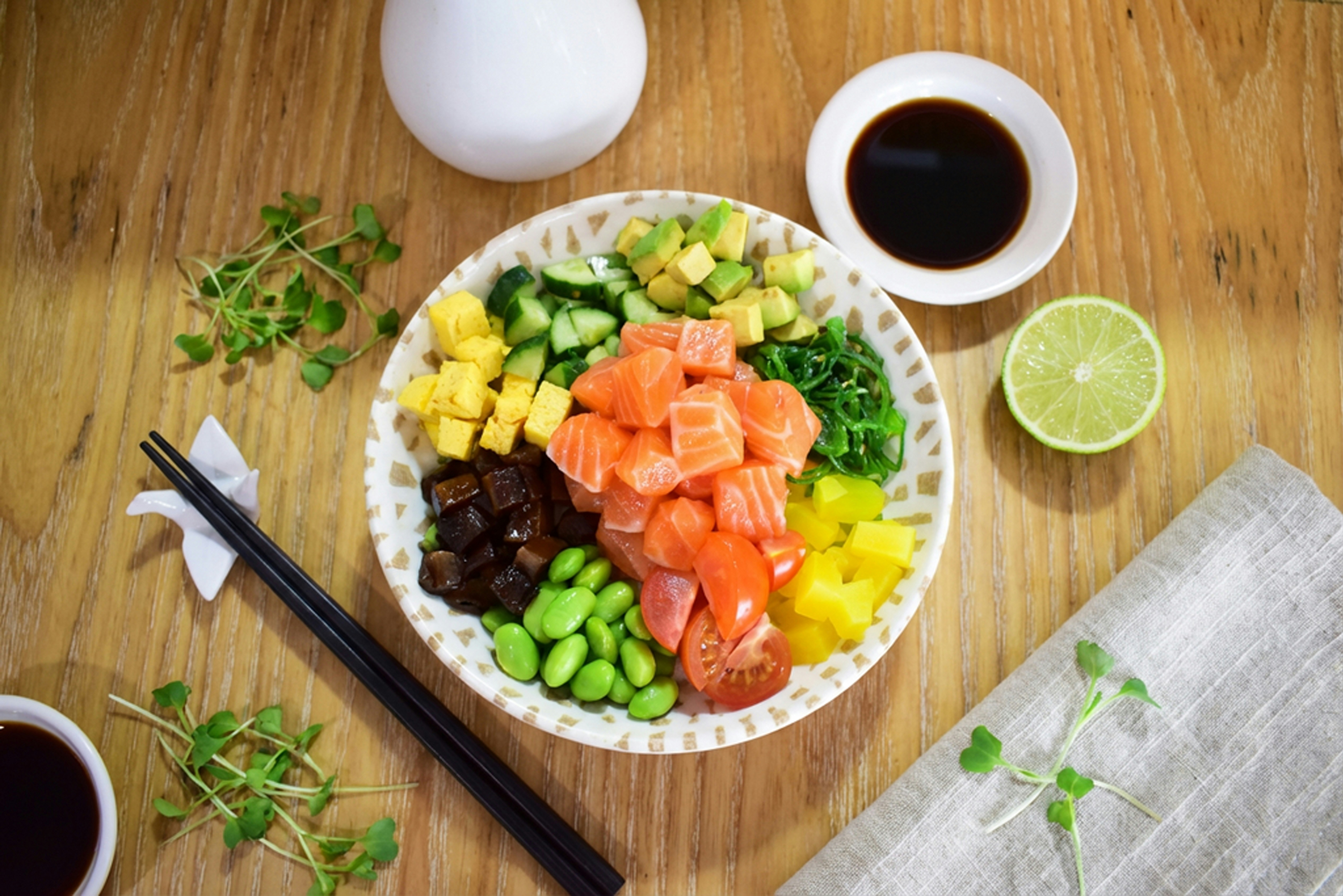
Photo by Sergio Mena Ferreira on Unsplash
Mo’ Bettahs leaves Kansas City as it pivots to a PE-backed national expansion to Phoenix, Indianapolis, and Minneapolis.
Apr 16, 2026
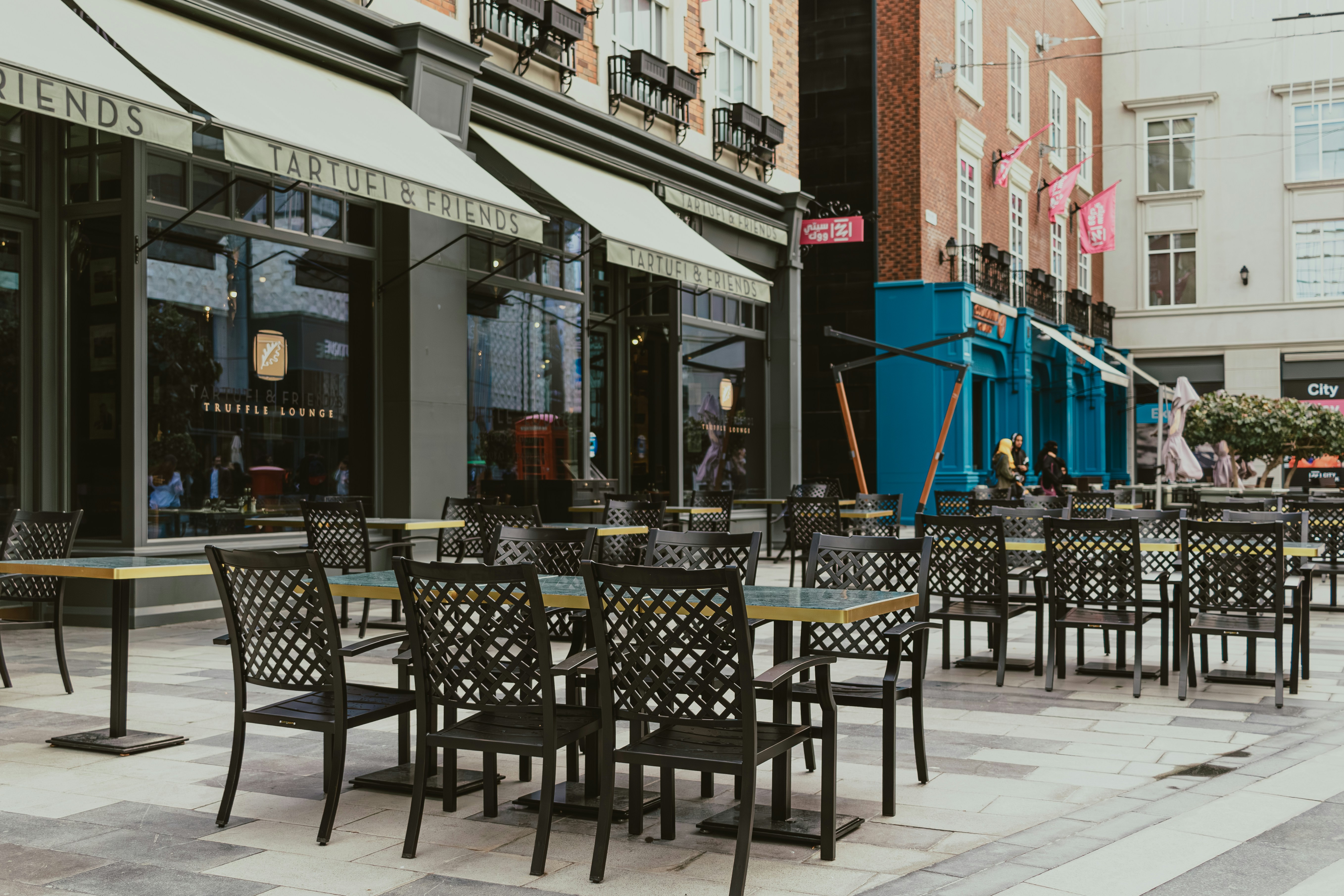
Photo by Kate Trysh on Unsplash
Applebee’s O-M-Cheese Burger fuses spectacle with value, driving social buzz and foot traffic—a signal for the skillet-cheese moment in casual dining.
Apr 16, 2026

Photo by Diego Mattevi on Unsplash
GoTo Foods taps Misra and Lambert to harmonize digital momentum with disciplined development across seven brands, aiming for stronger guest experiences and franchisee economics.
Apr 16, 2026
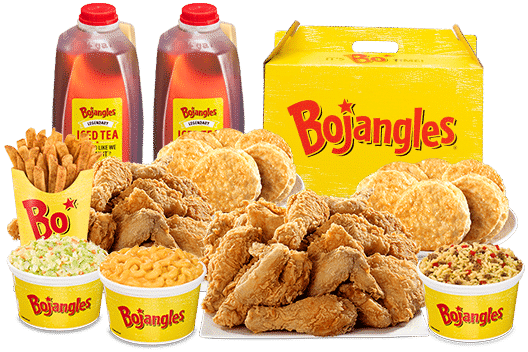
Bojangles launches Bo’s Chicken Rippers in an eight-week pilot, turning bites into a hands-on, sauce-forward experience with interactive, tear-apart slabs.
Apr 16, 2026
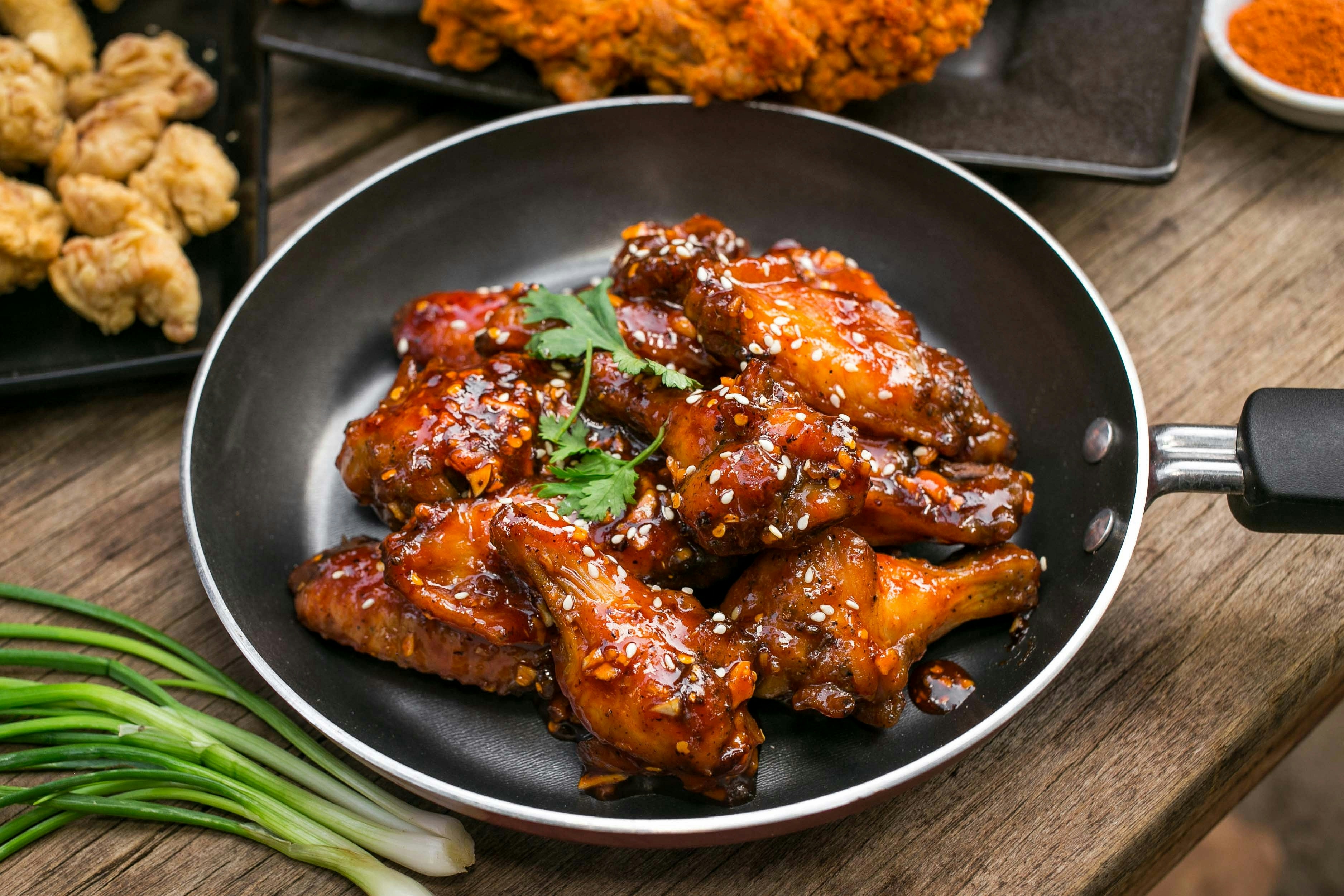
Photo by Jim Sosengphet on Unsplash
Popeyes teams with One Piece for a limited menu and merch drop, blending bold flavors with anime fandom to boost traffic and loyalty.
Apr 16, 2026
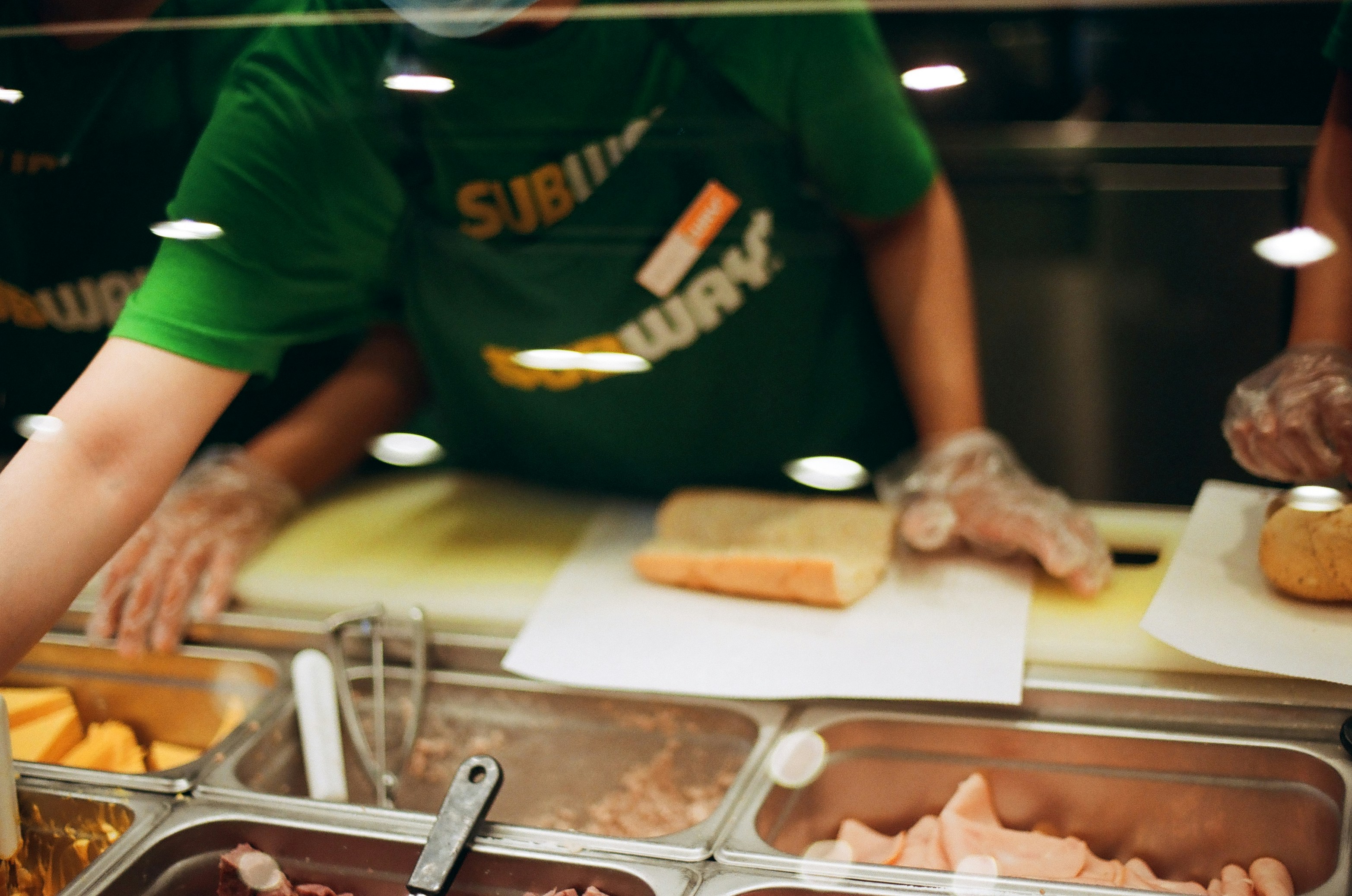
Photo by dedy kurniawan on Unsplash
A close look at Jersey Mike’s rapid expansion, leadership shift, and international push under Blackstone’s ownership.
Apr 16, 2026
Explore how intelligent kiosk solutions and digital transformation are reshaping the fast-food industry, enhancing efficiency, and adapting to rising minimum wages.
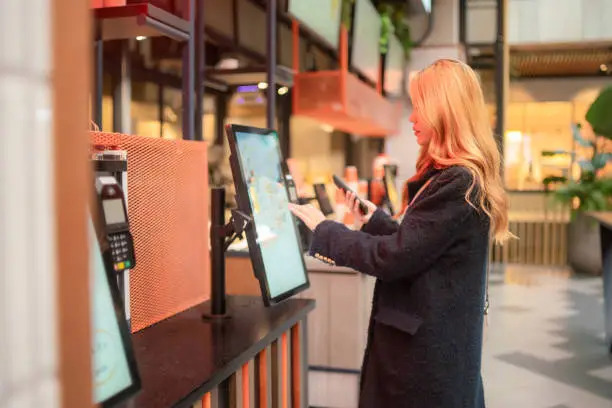
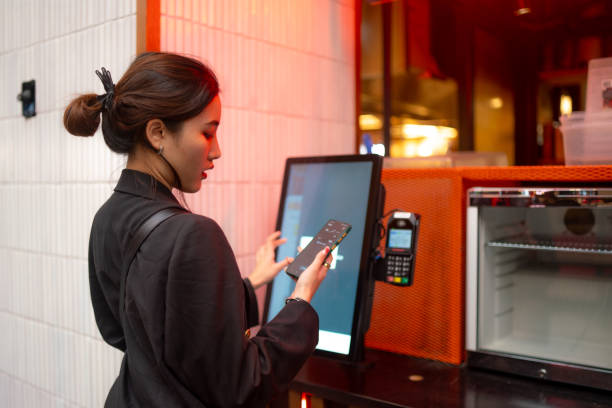
Intelligent kiosk solutions have become a game-changer in the fast-food industry, especially in the face of rising minimum wages and the need for improved efficiency. These innovative technologies empower restaurants to enhance both the guest experience and operational efficiency.
One of the significant benefits of implementing self-service technology like intelligent kiosks is the strategic reallocation of labor within fast-food establishments. By automating routine order-taking processes, employees can redirect their focus towards manual, hands-on tasks that directly contribute to food quality, hygiene, and overall guest satisfaction.
The efficiencies gained from intelligent kiosk solutions are substantial. With a remarkable 99% order accuracy rate, these technologies not only reduce wait times but also significantly improve guest satisfaction. Moreover, kiosks are proven sales boosters, with average check sizes via kiosks being 20% higher than traditional cashier transactions.
The integration of smart technology in the fast-food sector goes beyond mere efficiency gains. It fosters value creation by enabling customers to explore menu options thoroughly, customize orders, and respond to tailored upsell suggestions powered by artificial intelligence. This not only enhances sales per labor hour but also mitigates the impact of rising minimum wages on the bottom line.
The adoption of self-service solutions like intelligent kiosks reflects a broader trend towards creating a more efficient and customer-centric restaurant ecosystem. By leveraging technology to adapt to changing times, fast-food establishments can ensure they remain competitive and responsive to evolving customer needs and industry trends.
As California sets an example with its minimum wage legislation, it showcases how the right technology investments can drive positive transformations within the fast-food industry. By embracing digital solutions, restaurants can navigate wage increases without compromising jobs or resorting to significant price hikes, setting a potential blueprint for the industry nationwide.