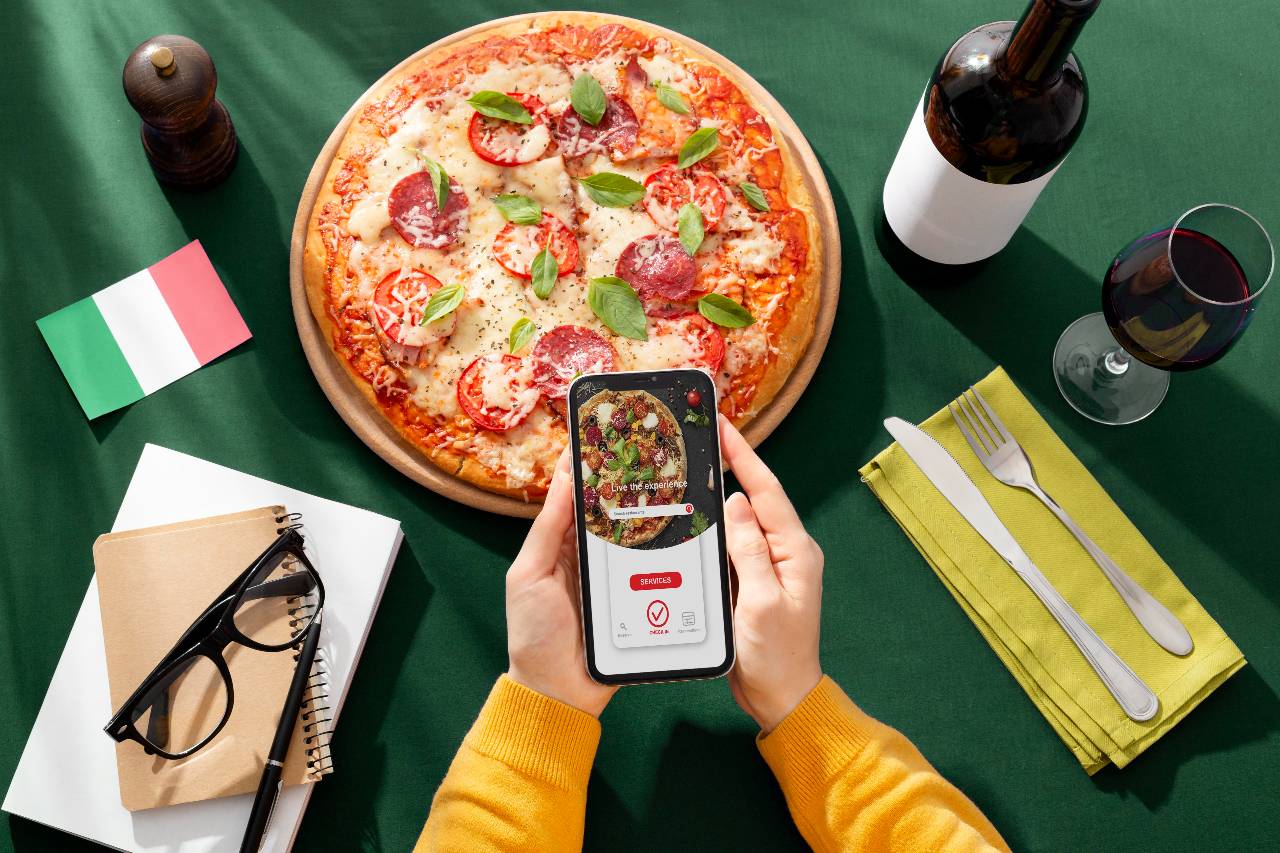
Best Restaurant Marketing Ideas for 2026
This guide outlines restaurant marketing ideas that help operators attract nearby customers, convert demand faster, and strengthen long-term retention.
marketing ideas
Apr 16, 2026
This guide outlines restaurant marketing ideas that help operators attract nearby customers, convert demand faster, and strengthen long-term retention.
Apr 16, 2026

A clear host training process helps restaurants manage greetings, waitlists, reservations, seating decisions, and guest communication more consistently.
Apr 15, 2026
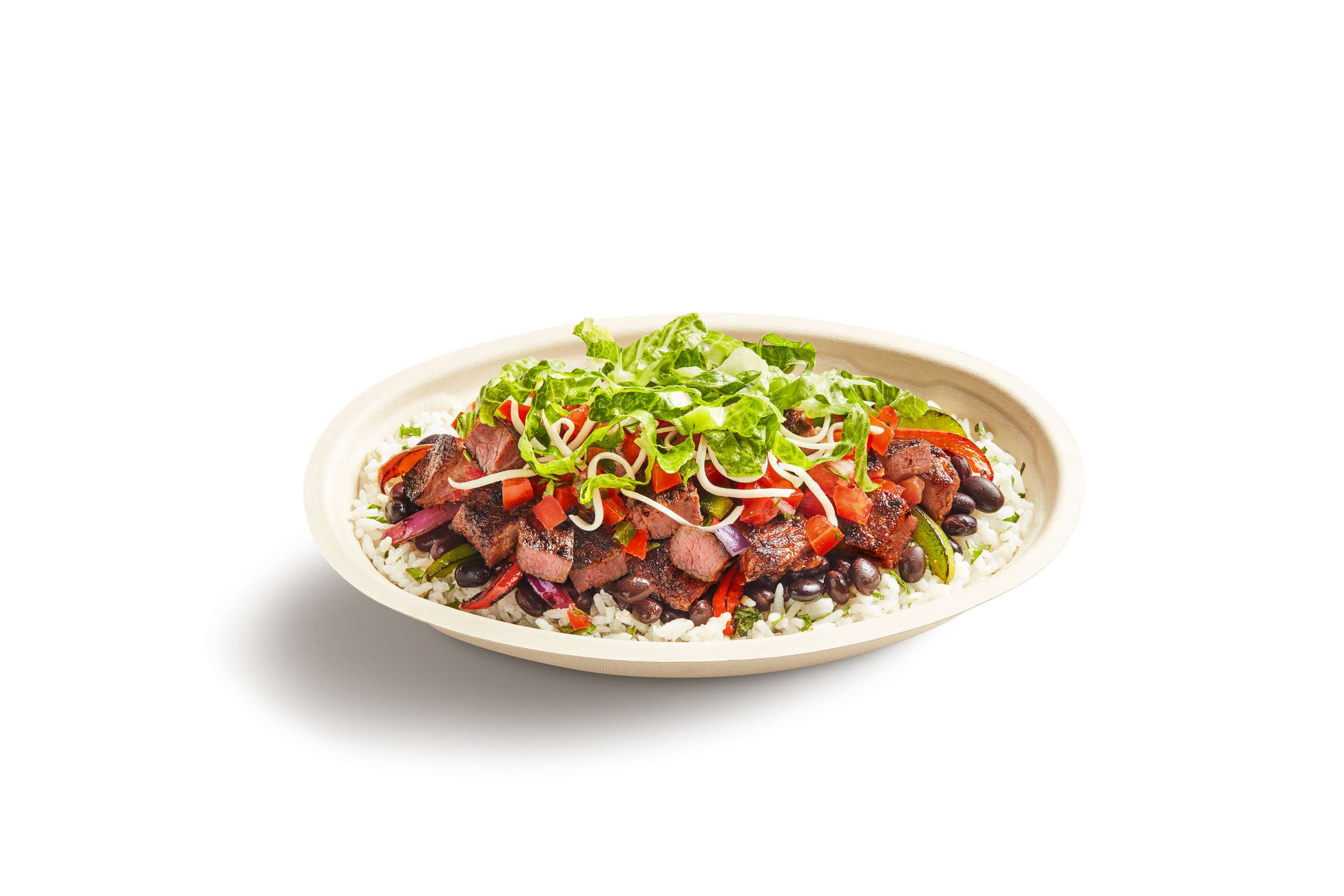
Chipotle reshapes loyalty with Rewards on Repeat, blending in-store promotions, staff incentives, and simpler redemption to boost traffic.
Apr 16, 2026
Photo by Salah Ait Mokhtar on Unsplash
A refined look at Papa Murphy’s strategy as MTY guides a cautious turnaround amid a crowded pizza landscape—digital play, local marketing, and a new Detroit-style offering.
Apr 16, 2026
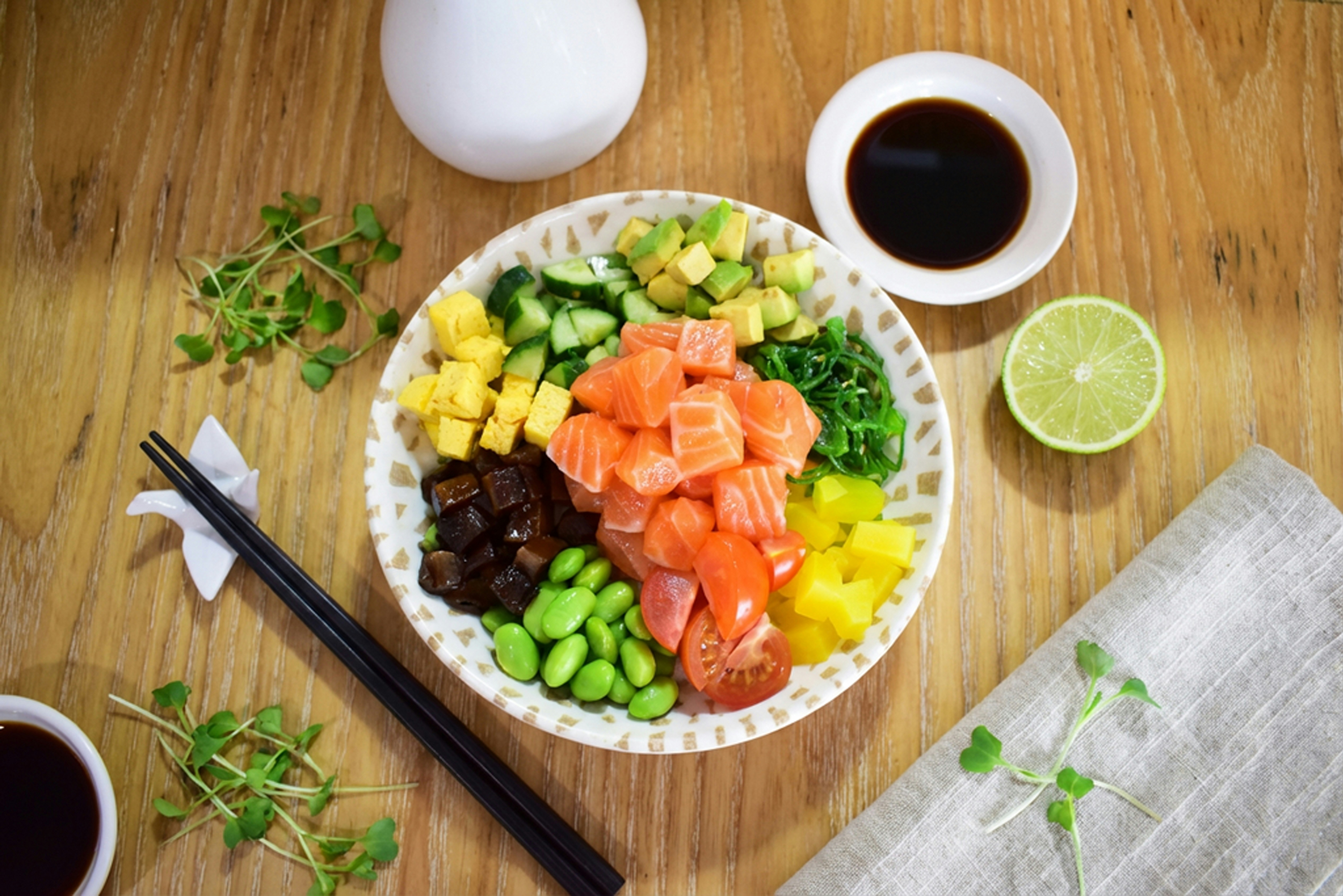
Photo by Sergio Mena Ferreira on Unsplash
Mo’ Bettahs leaves Kansas City as it pivots to a PE-backed national expansion to Phoenix, Indianapolis, and Minneapolis.
Apr 16, 2026
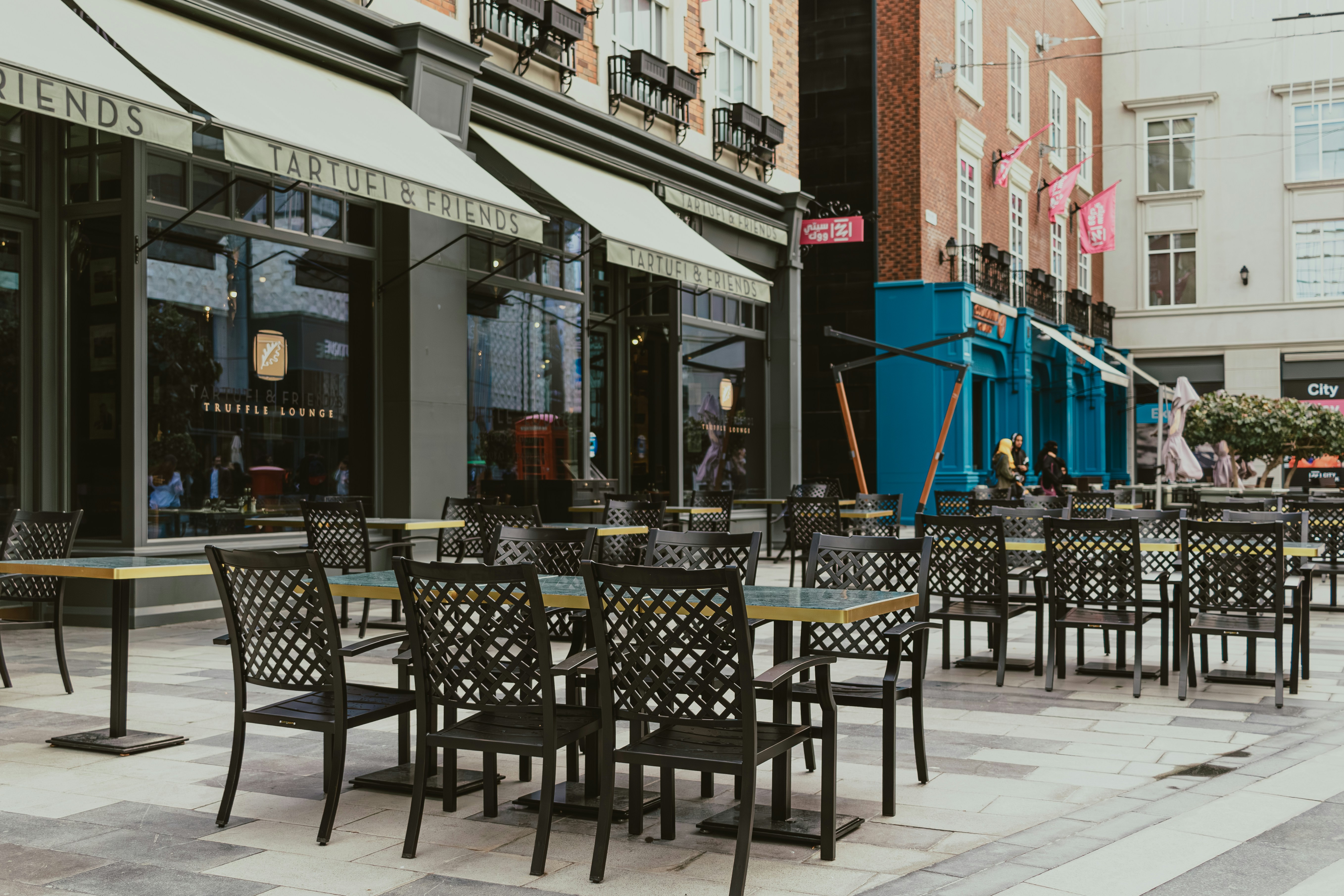
Photo by Kate Trysh on Unsplash
Applebee’s O-M-Cheese Burger fuses spectacle with value, driving social buzz and foot traffic—a signal for the skillet-cheese moment in casual dining.
Apr 16, 2026

Photo by Diego Mattevi on Unsplash
GoTo Foods taps Misra and Lambert to harmonize digital momentum with disciplined development across seven brands, aiming for stronger guest experiences and franchisee economics.
Apr 16, 2026
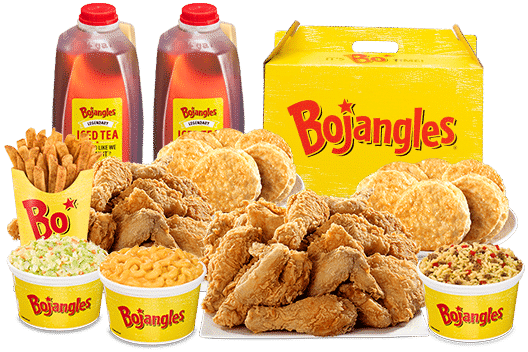
Bojangles launches Bo’s Chicken Rippers in an eight-week pilot, turning bites into a hands-on, sauce-forward experience with interactive, tear-apart slabs.
Apr 16, 2026
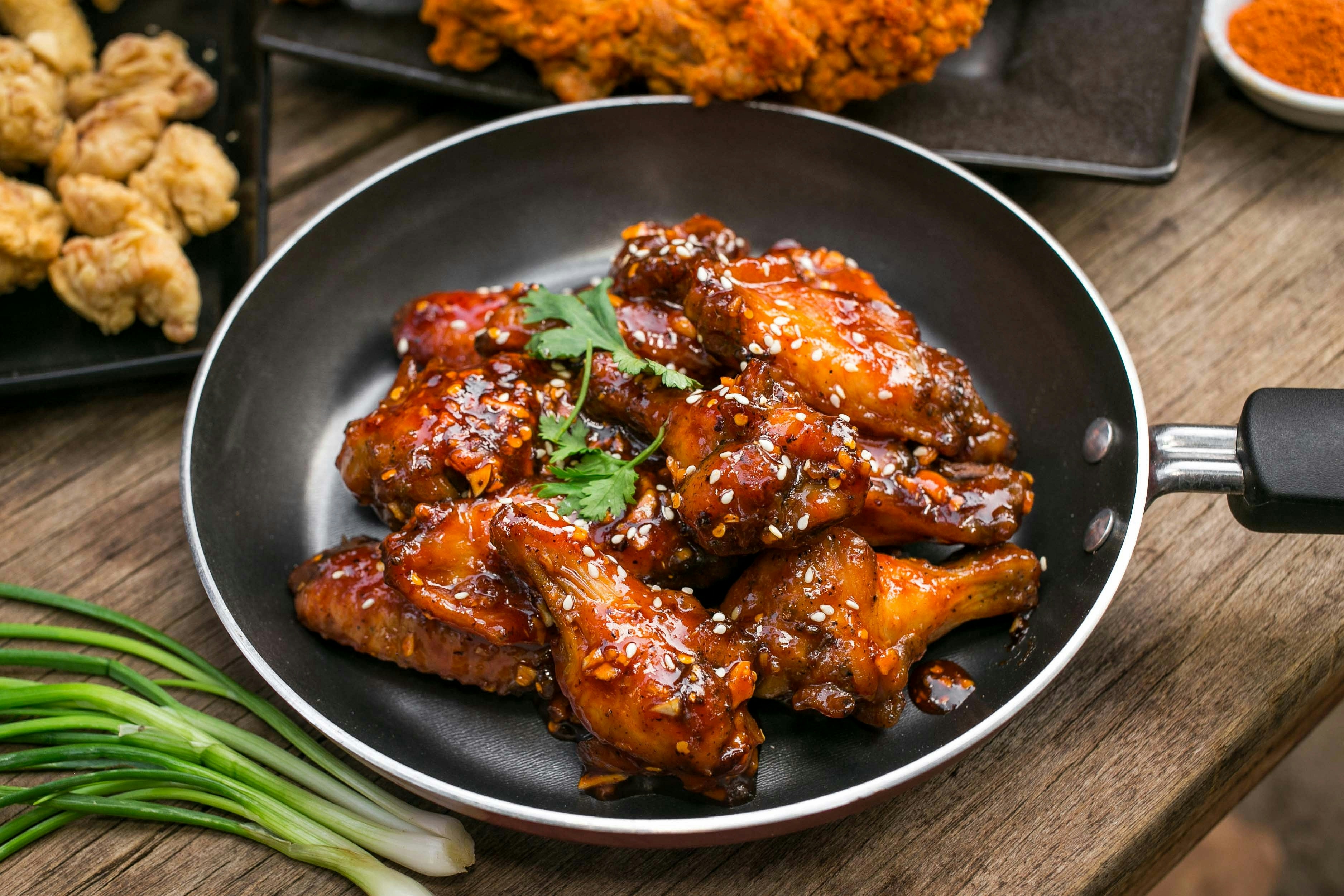
Photo by Jim Sosengphet on Unsplash
Popeyes teams with One Piece for a limited menu and merch drop, blending bold flavors with anime fandom to boost traffic and loyalty.
Apr 16, 2026
Photo by dedy kurniawan on Unsplash
A close look at Jersey Mike’s rapid expansion, leadership shift, and international push under Blackstone’s ownership.
Apr 16, 2026
Discover the crucial role of menu strategy in driving revenue for restaurants using self-ordering kiosks. Learn how to develop a strategic menu plan tied to business objectives.

Photo by Taylor Grote on Unsplash

Photo by Taylor Grote on Unsplash
Self-ordering kiosks have become crucial in the QSR and fast casual restaurant industry due to their ability to reduce labor costs. While they excel in cutting expenses by eliminating frontline order takers, one aspect where many self-ordering kiosks fall short is revenue generation. The missing link often lies in the absence of a well-defined menu strategy that aligns with high-level business objectives.

Photo by Taylor Grote on Unsplash
A menu strategy serves as a roadmap for restaurants to prioritize menu categories and products in a way that supports overarching business goals. By outlining specific tactics aligned with these objectives, a menu strategy not only guides the development of the self-ordering kiosk's menu communications but also influences all other menu-related touchpoints like mobile apps and menu boards.
Many self-ordering kiosks suffer from suboptimal menu design and communications as they are often developed without a robust menu strategy. Software specialists and engineers, lacking expertise in menu strategy, rely on subjective opinions and graphical elements when creating menu interfaces. In contrast, a skilled menu strategist employs data-driven insights and consumer analytics to craft a focused menu strategy.

Photo by Taylor Grote on Unsplash
To create an effective menu strategy, restaurants should follow a structured approach that encompasses six essential steps. These steps include establishing clear business objectives, identifying and prioritizing food platforms, defining key tactics for each objective, leveraging success factors, addressing weaknesses, and recognizing potential risks that could impact the menu strategy.

Photo by Taylor Grote on Unsplash
When developing a menu strategy, it's crucial to define specific business objectives that the menu should accomplish. These objectives could range from increasing average check size to boosting sales during specific day parts or promoting certain menu items. Prioritizing these objectives based on their impact on the business is key to driving success.
Understanding the strategic importance of different food platforms is essential in menu planning. By recognizing which categories drive the most sales and profits, restaurants can prioritize food platforms accordingly. For instance, if beverages contribute significantly to revenue, they should be highlighted over less profitable items like desserts.
Each business objective in the menu strategy should be supported by specific tactics that outline actionable steps to achieve the desired outcomes. These tactics serve as the executional elements that bridge the gap between objectives and implementation. Having clear and measurable tactics ensures a focused approach towards reaching the set goals.

Photo by Taylor Grote on Unsplash
Identifying and leveraging menu strengths, unique characteristics, and signature dishes that set the brand apart from competitors is vital for enhancing the menu strategy. Equally important is acknowledging and addressing weaknesses in the menu lineup. By optimizing strengths and mitigating weaknesses, restaurants can create a more competitive and appealing menu.
Recognizing external risks that could hinder the achievement of business objectives is a critical aspect of menu strategy development. Competitors offering similar or superior menu options, changing consumer preferences, or economic factors are examples of risks that restaurants need to consider. By proactively identifying and mitigating these risks, businesses can safeguard against potential challenges.