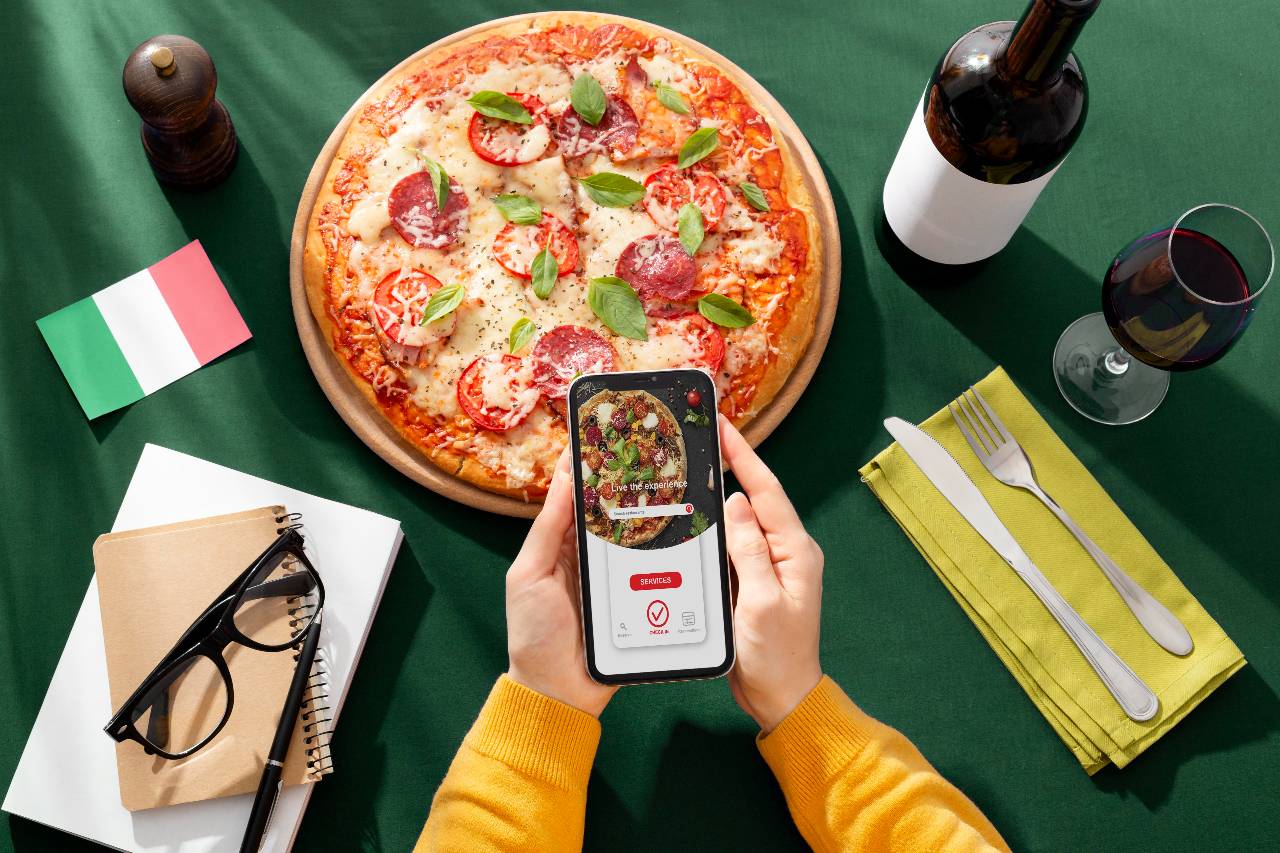
Best Restaurant Marketing Ideas for 2026
This guide outlines restaurant marketing ideas that help operators attract nearby customers, convert demand faster, and strengthen long-term retention.
marketing ideas
Apr 16, 2026
This guide outlines restaurant marketing ideas that help operators attract nearby customers, convert demand faster, and strengthen long-term retention.
Apr 16, 2026

A clear host training process helps restaurants manage greetings, waitlists, reservations, seating decisions, and guest communication more consistently.
Apr 15, 2026
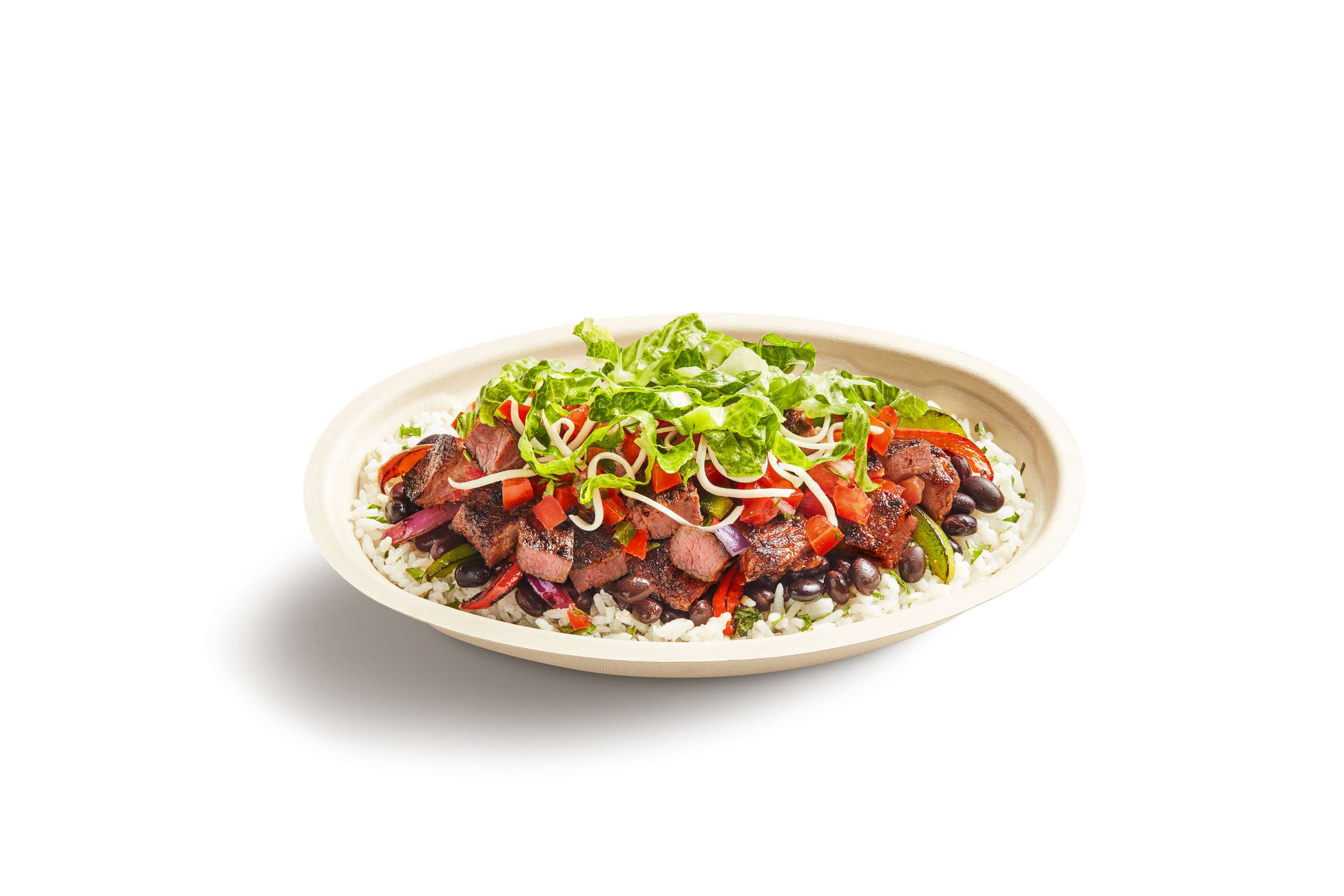
Chipotle reshapes loyalty with Rewards on Repeat, blending in-store promotions, staff incentives, and simpler redemption to boost traffic.
Apr 16, 2026
Photo by Salah Ait Mokhtar on Unsplash
A refined look at Papa Murphy’s strategy as MTY guides a cautious turnaround amid a crowded pizza landscape—digital play, local marketing, and a new Detroit-style offering.
Apr 16, 2026
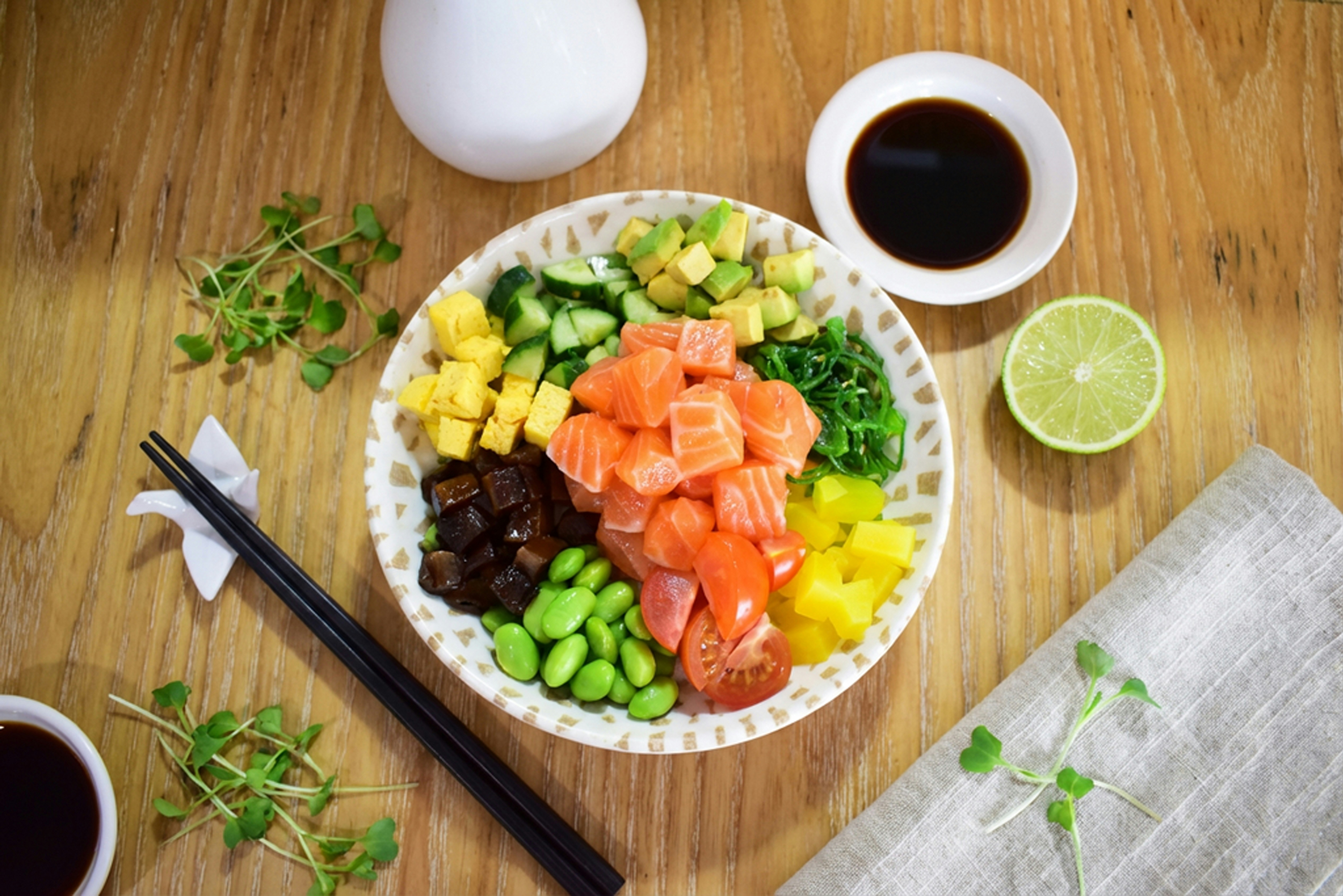
Photo by Sergio Mena Ferreira on Unsplash
Mo’ Bettahs leaves Kansas City as it pivots to a PE-backed national expansion to Phoenix, Indianapolis, and Minneapolis.
Apr 16, 2026
Photo by Kate Trysh on Unsplash
Applebee’s O-M-Cheese Burger fuses spectacle with value, driving social buzz and foot traffic—a signal for the skillet-cheese moment in casual dining.
Apr 16, 2026

Photo by Diego Mattevi on Unsplash
GoTo Foods taps Misra and Lambert to harmonize digital momentum with disciplined development across seven brands, aiming for stronger guest experiences and franchisee economics.
Apr 16, 2026
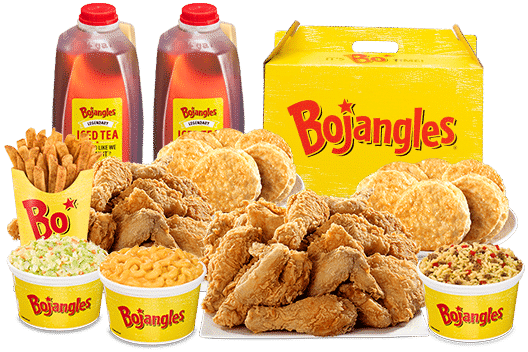
Bojangles launches Bo’s Chicken Rippers in an eight-week pilot, turning bites into a hands-on, sauce-forward experience with interactive, tear-apart slabs.
Apr 16, 2026
Photo by Jim Sosengphet on Unsplash
Popeyes teams with One Piece for a limited menu and merch drop, blending bold flavors with anime fandom to boost traffic and loyalty.
Apr 16, 2026
Photo by dedy kurniawan on Unsplash
A close look at Jersey Mike’s rapid expansion, leadership shift, and international push under Blackstone’s ownership.
Apr 16, 2026
Explore how Pizza Hut's recent buyout and franchise dynamics are reshaping the restaurant industry landscape. Understand the implications of bankruptcy on franchise operations and market share.
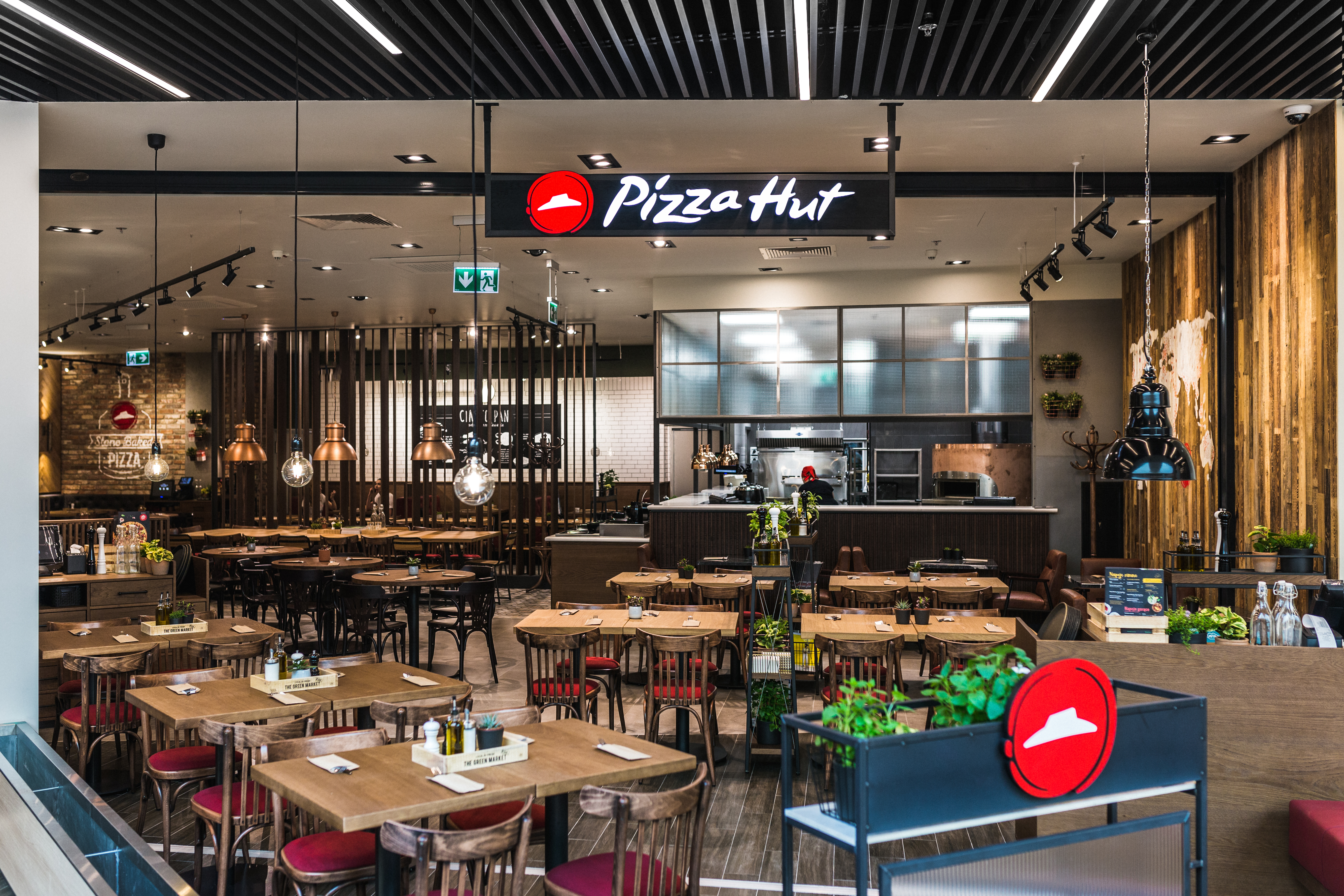
In a significant move that has reshaped Pizza Hut's operational landscape, the recent buyout has more than doubled the company-operated store count. With a chain predominantly relying on franchise operations, the addition of these new stores marks a strategic shift towards a more company-owned model. As of the latest financial disclosures, Pizza Hut had only seven company-operated units, highlighting the magnitude of this acquisition.
The bankruptcy filing by EYM, a major operator of Pizza Hut franchises, has sent ripples through the industry. With EYM's decision to sell 127 of its Pizza Hut restaurants through Chapter 11 proceedings, many locations have likely faced closure during this tumultuous period. Reports from local media sources have indicated a significant number of EYM-operated Pizza Huts shutting down, showcasing the real-world impact of such financial challenges on franchise operations.
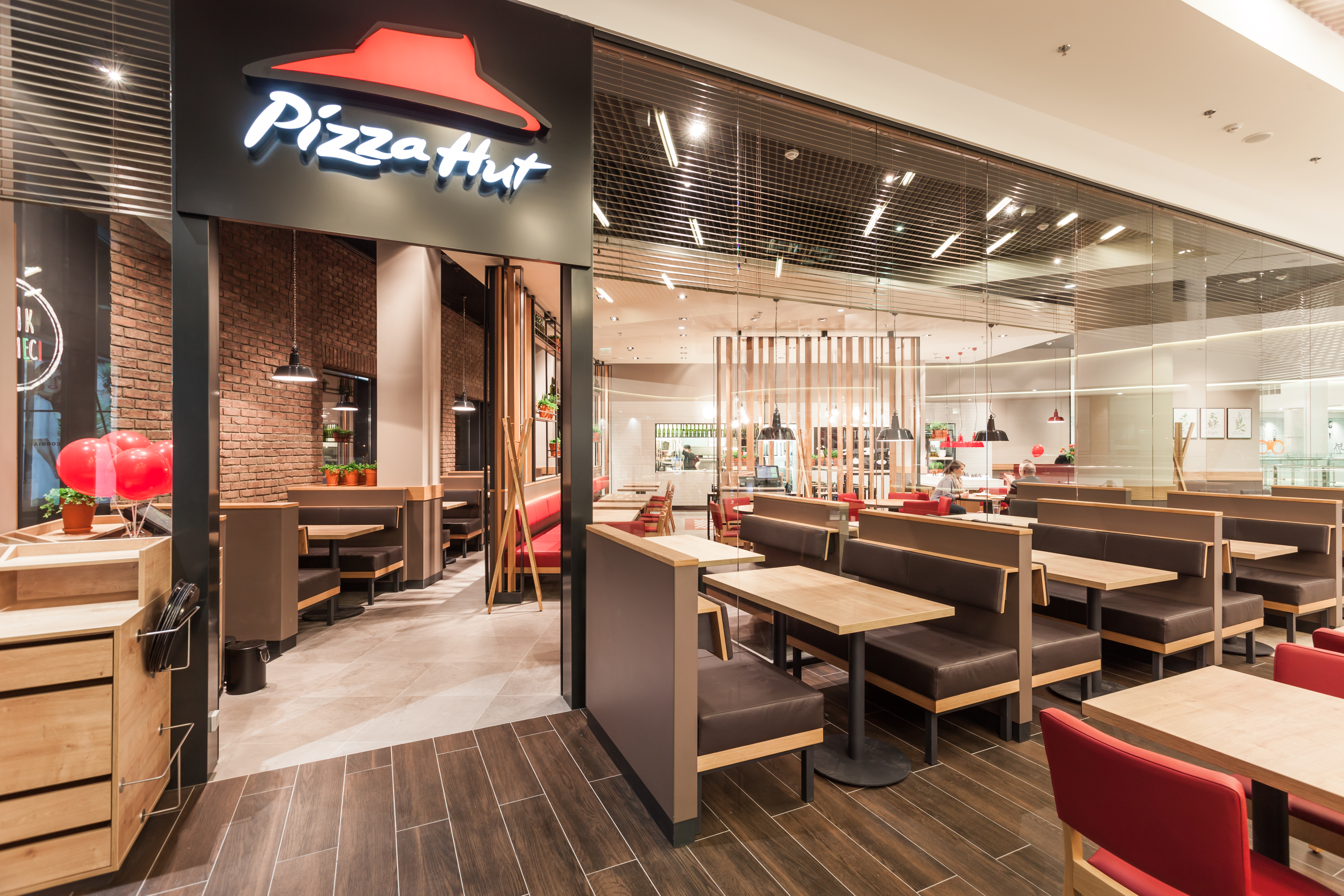
Analyzing the broader market repercussions of these events reveals noteworthy insights. With about one-third of Pizza Hut's extensive store network located in the U.S., the closure of almost a full percentage point of these stores post-EYM's bankruptcy reflects a substantial shift in the company's domestic presence. This restructuring has not only affected Pizza Hut's footprint but also changed the competitive dynamics within the fast-food restaurant sector.
The practice of franchisors acquiring units from bankrupt operators is a common occurrence in the restaurant industry, as demonstrated by Burger King's strategic moves. Acquiring a significant number of restaurants during asset auctions or bankruptcies allows franchisors to expand their portfolio, solidify market share, and often reinvigorate underperforming locations. Such acquisitions present opportunities for growth while mitigating the risks associated with new store development.