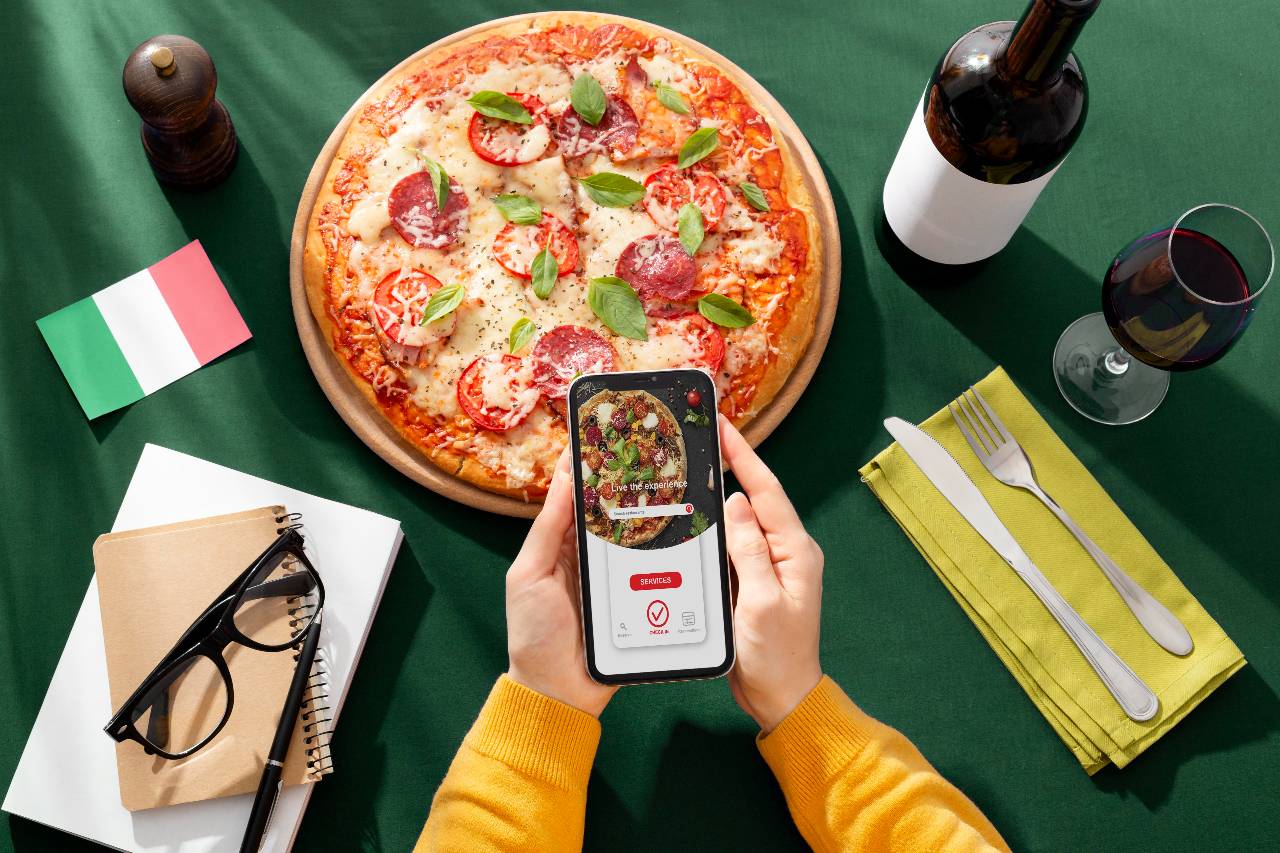
Best Restaurant Marketing Ideas for 2026
This guide outlines restaurant marketing ideas that help operators attract nearby customers, convert demand faster, and strengthen long-term retention.
marketing ideas
Apr 16, 2026
This guide outlines restaurant marketing ideas that help operators attract nearby customers, convert demand faster, and strengthen long-term retention.
Apr 16, 2026

A clear host training process helps restaurants manage greetings, waitlists, reservations, seating decisions, and guest communication more consistently.
Apr 15, 2026
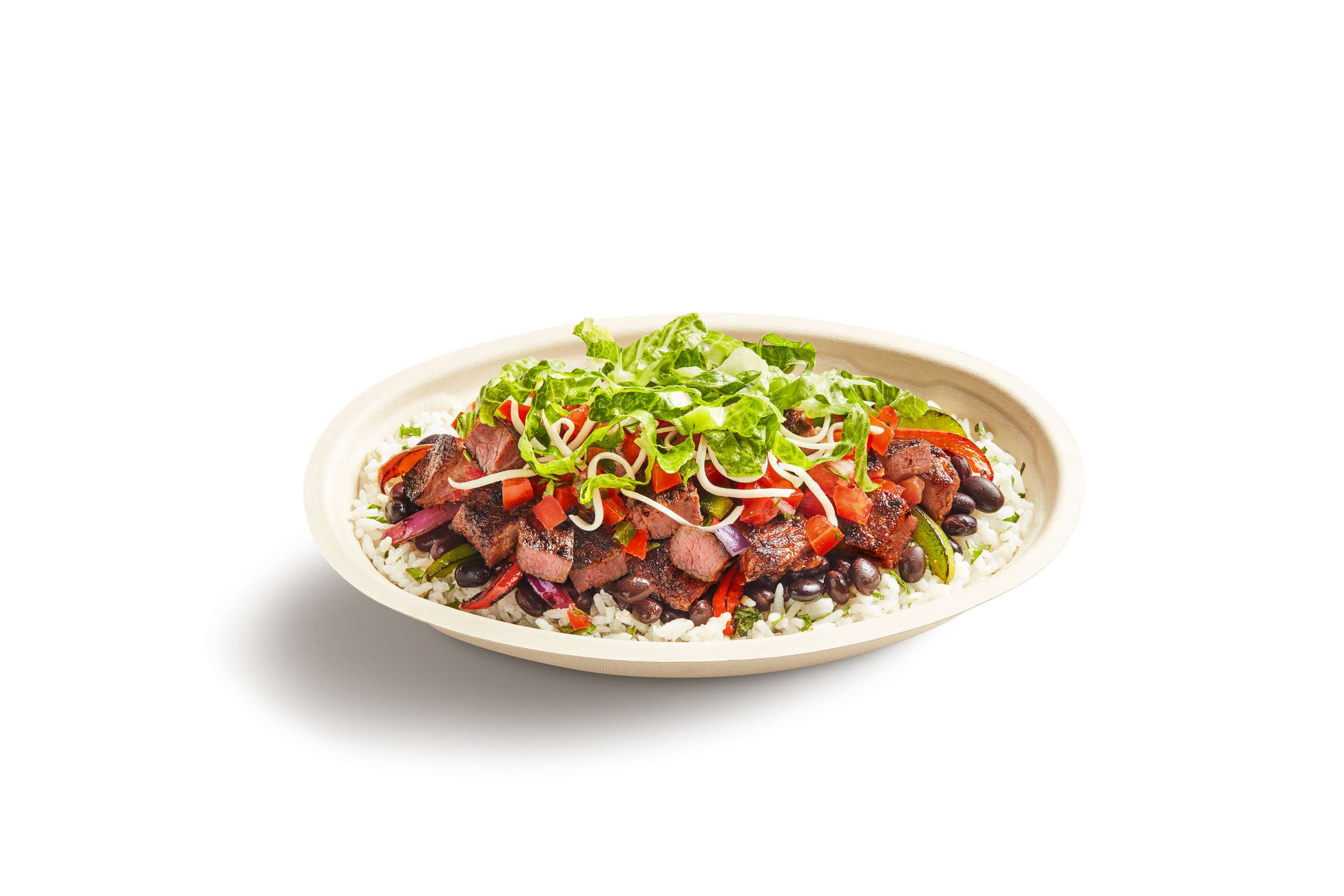
Chipotle reshapes loyalty with Rewards on Repeat, blending in-store promotions, staff incentives, and simpler redemption to boost traffic.
Apr 16, 2026

Photo by Salah Ait Mokhtar on Unsplash
A refined look at Papa Murphy’s strategy as MTY guides a cautious turnaround amid a crowded pizza landscape—digital play, local marketing, and a new Detroit-style offering.
Apr 16, 2026

Photo by Sergio Mena Ferreira on Unsplash
Mo’ Bettahs leaves Kansas City as it pivots to a PE-backed national expansion to Phoenix, Indianapolis, and Minneapolis.
Apr 16, 2026

Photo by Kate Trysh on Unsplash
Applebee’s O-M-Cheese Burger fuses spectacle with value, driving social buzz and foot traffic—a signal for the skillet-cheese moment in casual dining.
Apr 16, 2026

Photo by Diego Mattevi on Unsplash
GoTo Foods taps Misra and Lambert to harmonize digital momentum with disciplined development across seven brands, aiming for stronger guest experiences and franchisee economics.
Apr 16, 2026
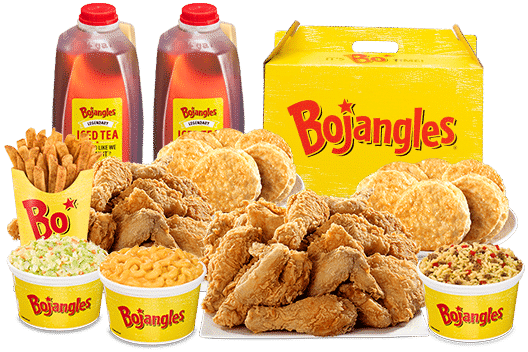
Bojangles launches Bo’s Chicken Rippers in an eight-week pilot, turning bites into a hands-on, sauce-forward experience with interactive, tear-apart slabs.
Apr 16, 2026
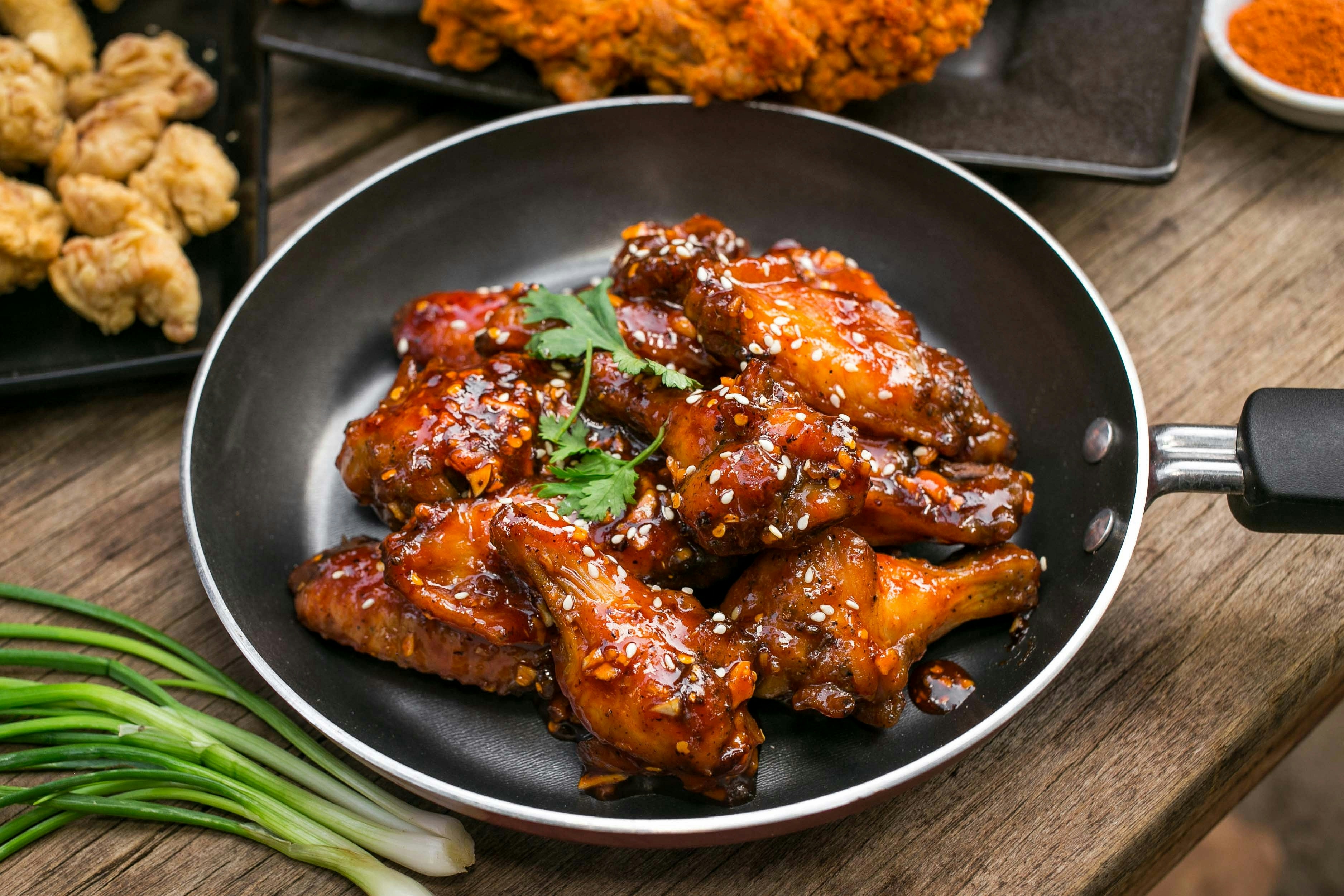
Photo by Jim Sosengphet on Unsplash
Popeyes teams with One Piece for a limited menu and merch drop, blending bold flavors with anime fandom to boost traffic and loyalty.
Apr 16, 2026
Photo by dedy kurniawan on Unsplash
A close look at Jersey Mike’s rapid expansion, leadership shift, and international push under Blackstone’s ownership.
Apr 16, 2026
Learn about Red Robin's recent $8.3 million investment to pay down debt, strengthen its business strategy, and the addition of new board members.
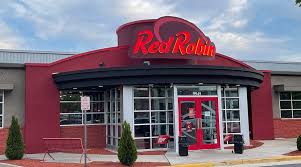
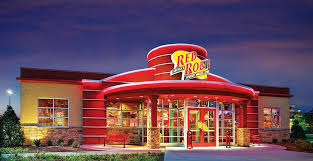
The recent $8.3 million investment in Red Robin Gourmet Burgers signifies a significant move to reduce the company's debt burden and bolster its current business strategy. With JCP Investment Management LLC and Jumana Capital LLC injecting capital into the casual dining chain, Red Robin aims to strengthen its financial position and drive future growth initiatives.
JCP and Jumana's decision to invest in Red Robin stemmed from their belief that the company's shares were undervalued at the time of purchase, presenting an attractive investment opportunity. With a history of activist investing within the industry, these firms bring a strategic approach to their involvement with Red Robin, aiming to unlock value and drive positive change within the organization.
The addition of James C. Pappas and Christopher Martin to Red Robin’s board of directors marks an important development in the company's leadership. Both individuals bring valuable expertise and experience to the board, with Pappas specializing in revitalization phases of restaurant brands and Martin contributing industry and financial acumen. Their inclusion is set to play a crucial role in steering Red Robin towards its envisioned comeback.
James Pappas expressed the intention to reduce debt through various means, including leveraging investment proceeds, enhancing operational cash flow, and exploring selective franchising options for company-operated restaurants. By strengthening Red Robin's balance sheet, the company aims to ensure the sustained delivery of quality dining experiences and create long-term shareholder value.
The recent investments and amendments to debt agreements align with Red Robin’s North Star strategy, initiated in 2023 under CEO G.J. Hart. This strategic framework focuses on driving customer engagement and satisfaction, ultimately positioning the company for sustainable growth and success. Despite some challenges due to macroeconomic factors, the strategy continues to show promising results.