Best Restaurant Marketing Ideas for 2026
This guide outlines restaurant marketing ideas that help operators attract nearby customers, convert demand faster, and strengthen long-term retention.
marketing ideas
Apr 16, 2026
This guide outlines restaurant marketing ideas that help operators attract nearby customers, convert demand faster, and strengthen long-term retention.
Apr 16, 2026

A clear host training process helps restaurants manage greetings, waitlists, reservations, seating decisions, and guest communication more consistently.
Apr 15, 2026
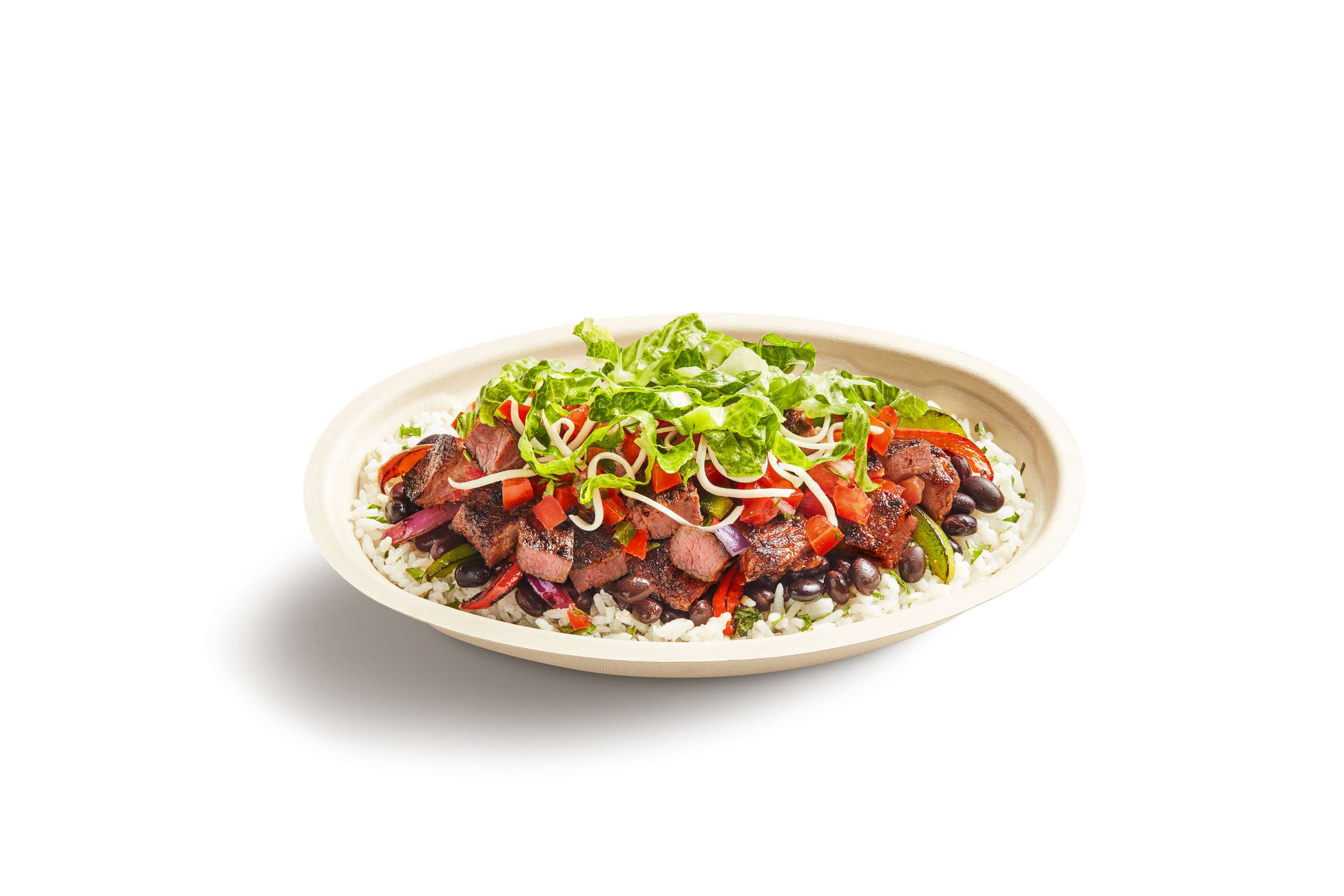
Chipotle reshapes loyalty with Rewards on Repeat, blending in-store promotions, staff incentives, and simpler redemption to boost traffic.
Apr 16, 2026
Photo by Salah Ait Mokhtar on Unsplash
A refined look at Papa Murphy’s strategy as MTY guides a cautious turnaround amid a crowded pizza landscape—digital play, local marketing, and a new Detroit-style offering.
Apr 16, 2026
Photo by Sergio Mena Ferreira on Unsplash
Mo’ Bettahs leaves Kansas City as it pivots to a PE-backed national expansion to Phoenix, Indianapolis, and Minneapolis.
Apr 16, 2026
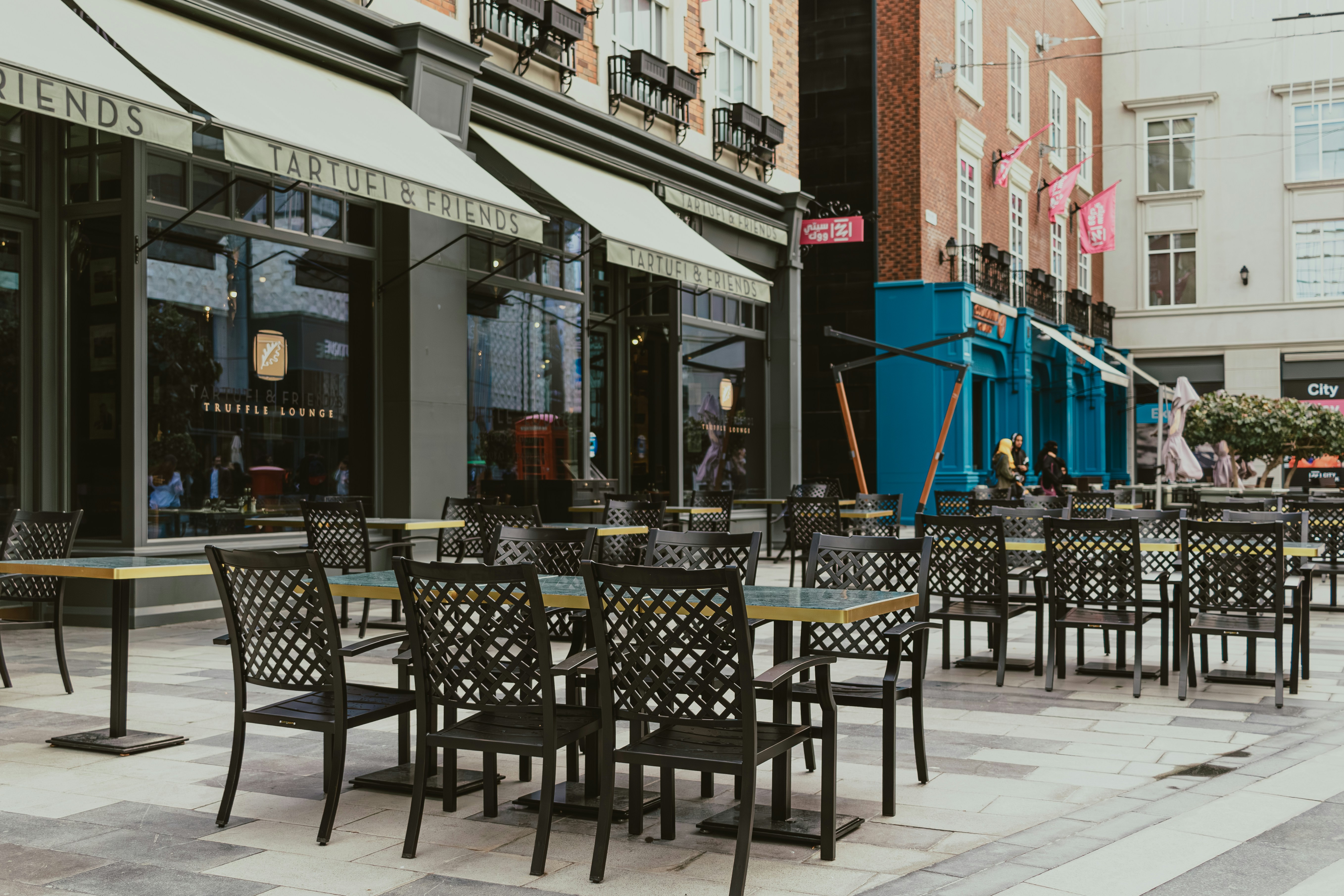
Photo by Kate Trysh on Unsplash
Applebee’s O-M-Cheese Burger fuses spectacle with value, driving social buzz and foot traffic—a signal for the skillet-cheese moment in casual dining.
Apr 16, 2026
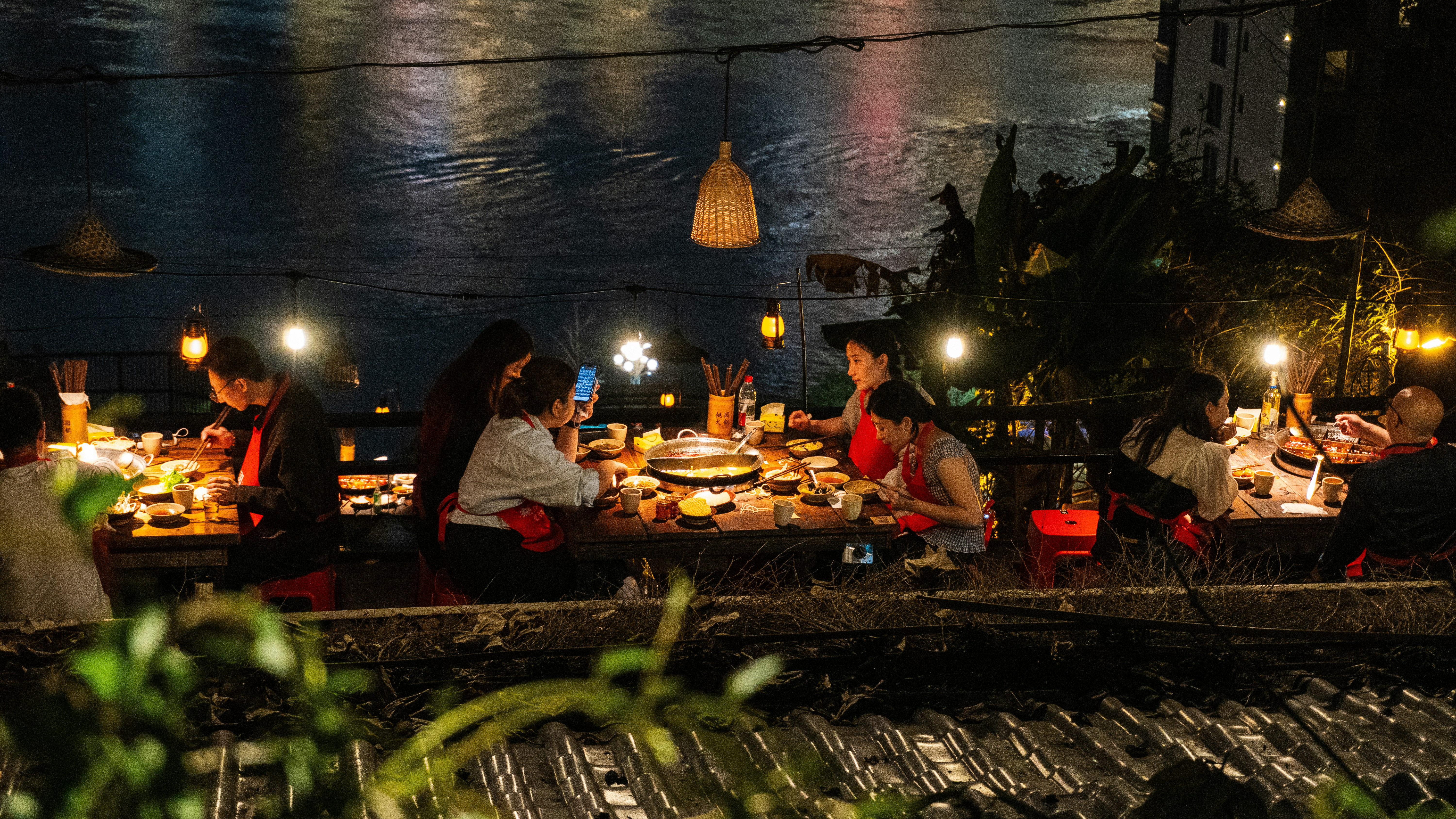
Photo by Diego Mattevi on Unsplash
GoTo Foods taps Misra and Lambert to harmonize digital momentum with disciplined development across seven brands, aiming for stronger guest experiences and franchisee economics.
Apr 16, 2026
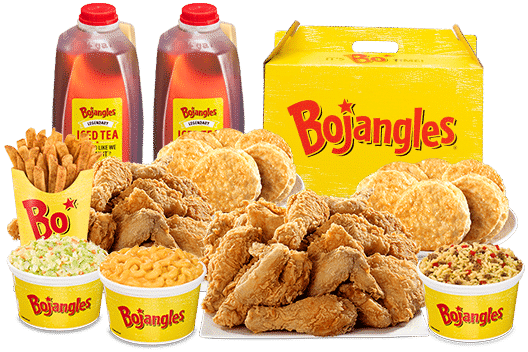
Bojangles launches Bo’s Chicken Rippers in an eight-week pilot, turning bites into a hands-on, sauce-forward experience with interactive, tear-apart slabs.
Apr 16, 2026
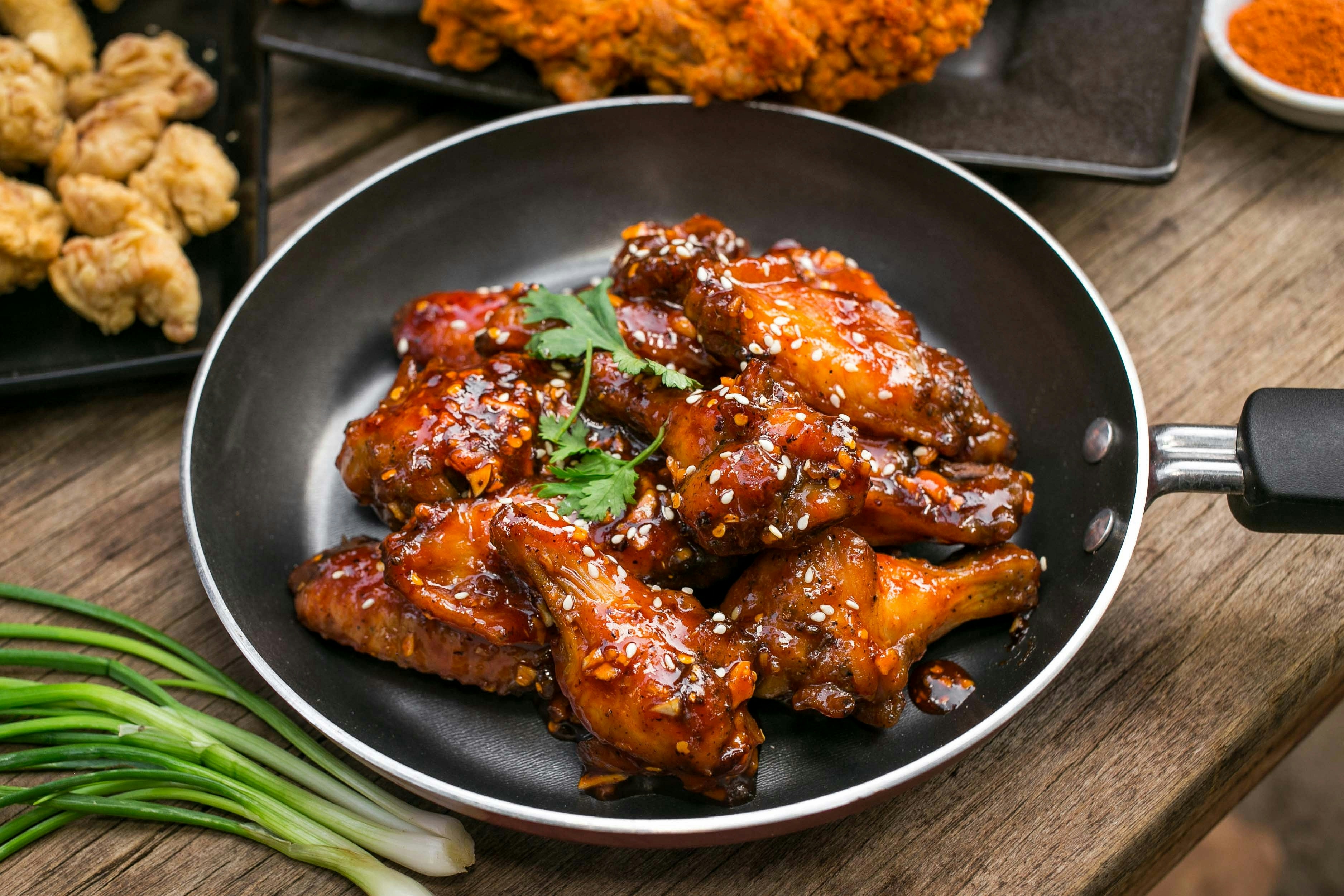
Photo by Jim Sosengphet on Unsplash
Popeyes teams with One Piece for a limited menu and merch drop, blending bold flavors with anime fandom to boost traffic and loyalty.
Apr 16, 2026
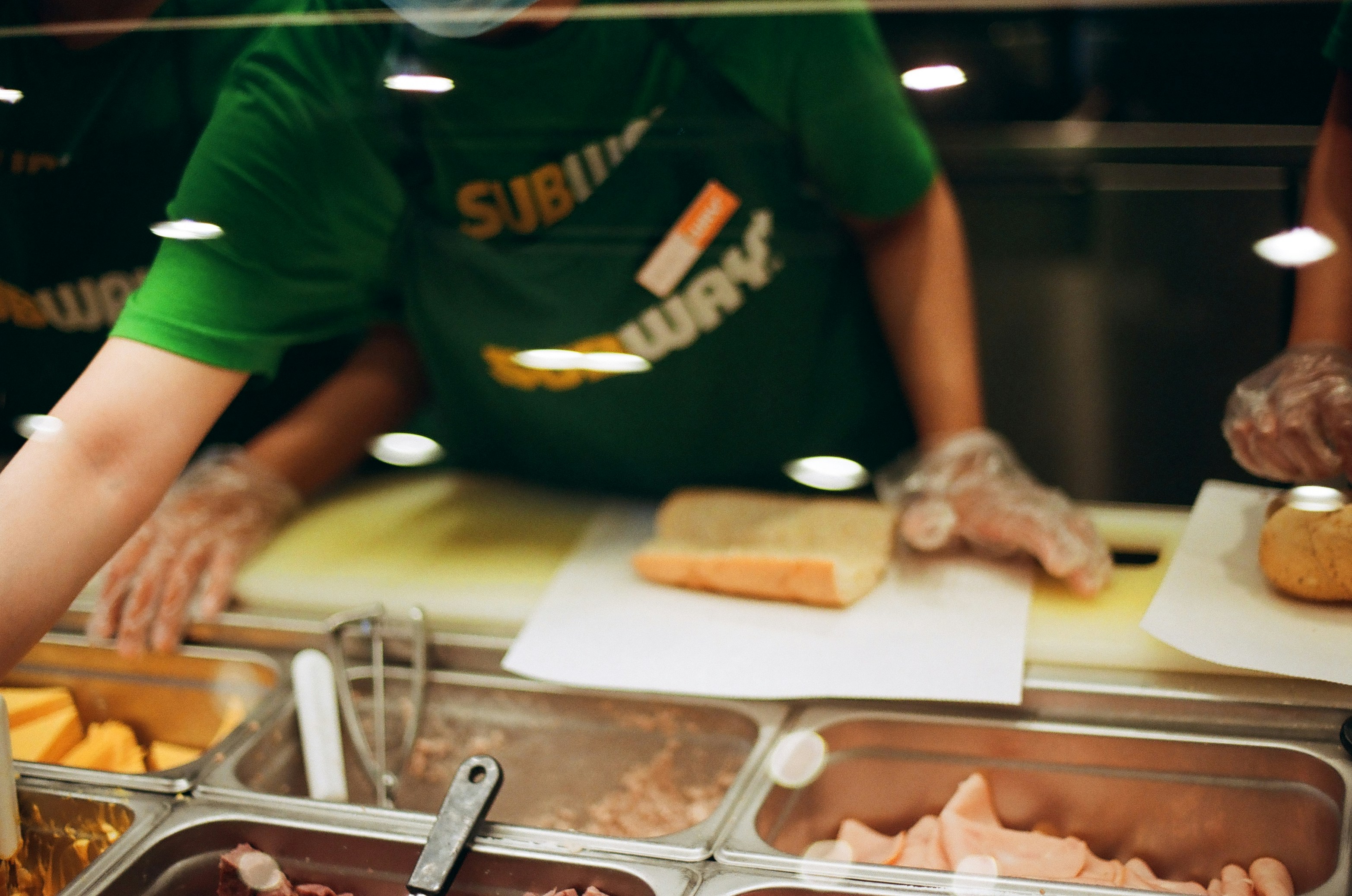
Photo by dedy kurniawan on Unsplash
A close look at Jersey Mike’s rapid expansion, leadership shift, and international push under Blackstone’s ownership.
Apr 16, 2026
Discover how restaurant brands like New York Fries are leveraging malls as potential hotspots for expansion and growth in the dining industry.
Photo by Louis Hansel on Unsplash

Photo by Louis Hansel on Unsplash
Once considered traditional shopping hubs, malls have evolved into lifestyle destinations offering a diverse mix of shopping, dining, and entertainment options. The integration of higher-end restaurants, movie theaters, and experiential venues has transformed malls into experiential centers, attracting a broader audience beyond just shoppers. This evolution aligns with changing consumer preferences, where experiences and convenience play a significant role in their choices.
Photo by Louis Hansel on Unsplash
New York Fries, a popular Canadian franchise known for its focus on fries, hot dogs, and poutine, recognized the untapped potential of malls in the U.S. market. By leveraging the compact footprints of mall spaces, the brand strategically aims to penetrate the American market. With its successful track record in Canada, where it has achieved a $100 million brand status, New York Fries serves as a prime example of a restaurant brand capitalizing on mall locations for growth.
Photo by Louis Hansel on Unsplash
Dave Colebrook, the president of LSR and Emerging Brands at Recipe, highlights malls as the real estate sweet spot for New York Fries. Despite the challenges faced by malls due to e-commerce and the pandemic, Colebrook sees malls as an opportunity for brands to establish a strong presence. The strategic positioning of eateries within these lifestyle centers allows brands to tap into constant foot traffic and offer a unique dining experience to mall visitors.
Mall dining is witnessing a resurgence as consumers seek convenient and varied dining options in one location. The integration of dining spaces within malls caters to the demand for experiential dining and social gatherings. As restaurants like New York Fries expand into mall settings, they contribute to the diversification of mall offerings, attracting a larger pool of customers. This trend indicates a promising future for restaurant brands looking to establish a presence in malls.