Best Restaurant Marketing Ideas for 2026
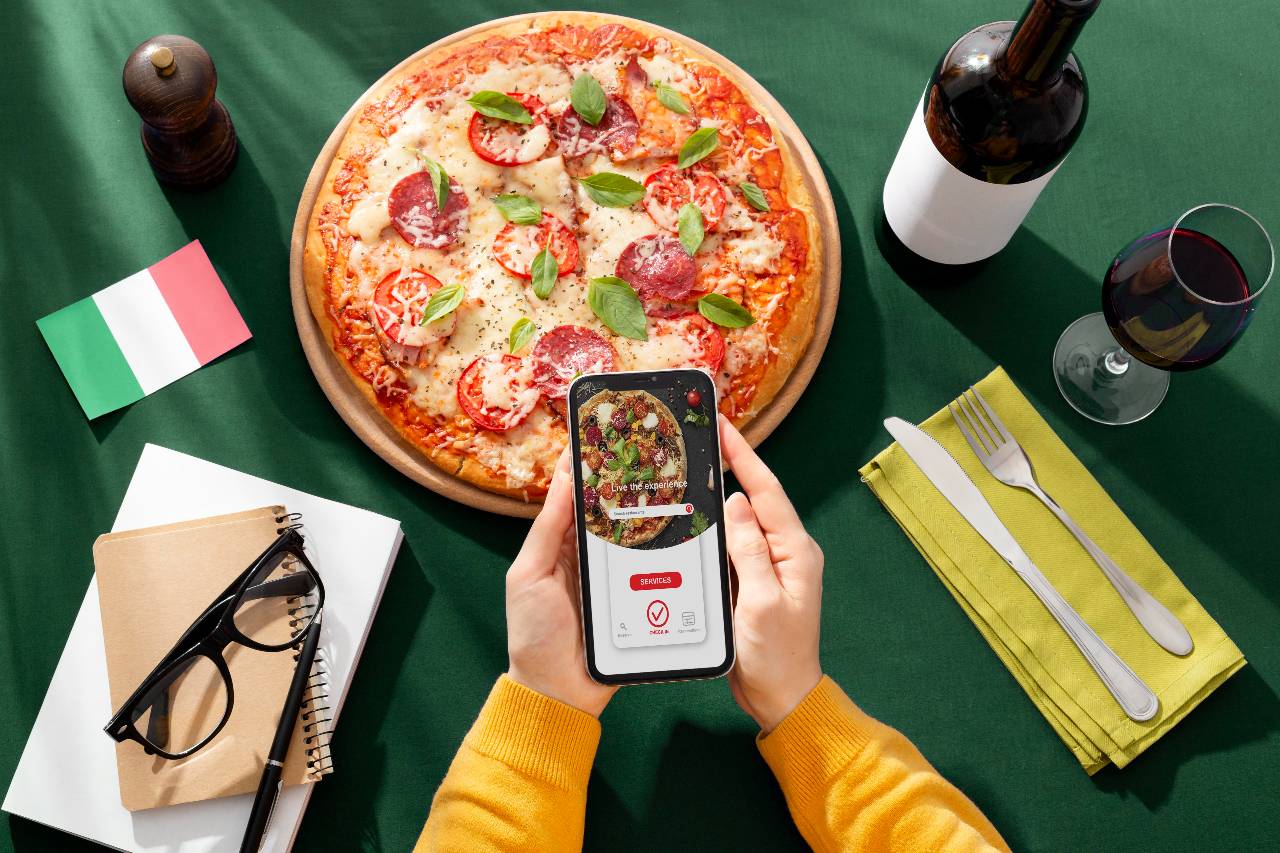
This guide outlines restaurant marketing ideas that help operators attract nearby customers, convert demand faster, and strengthen long-term retention.
marketing ideas
Apr 16, 2026
This guide outlines restaurant marketing ideas that help operators attract nearby customers, convert demand faster, and strengthen long-term retention.
Apr 16, 2026

A clear host training process helps restaurants manage greetings, waitlists, reservations, seating decisions, and guest communication more consistently.
Apr 15, 2026
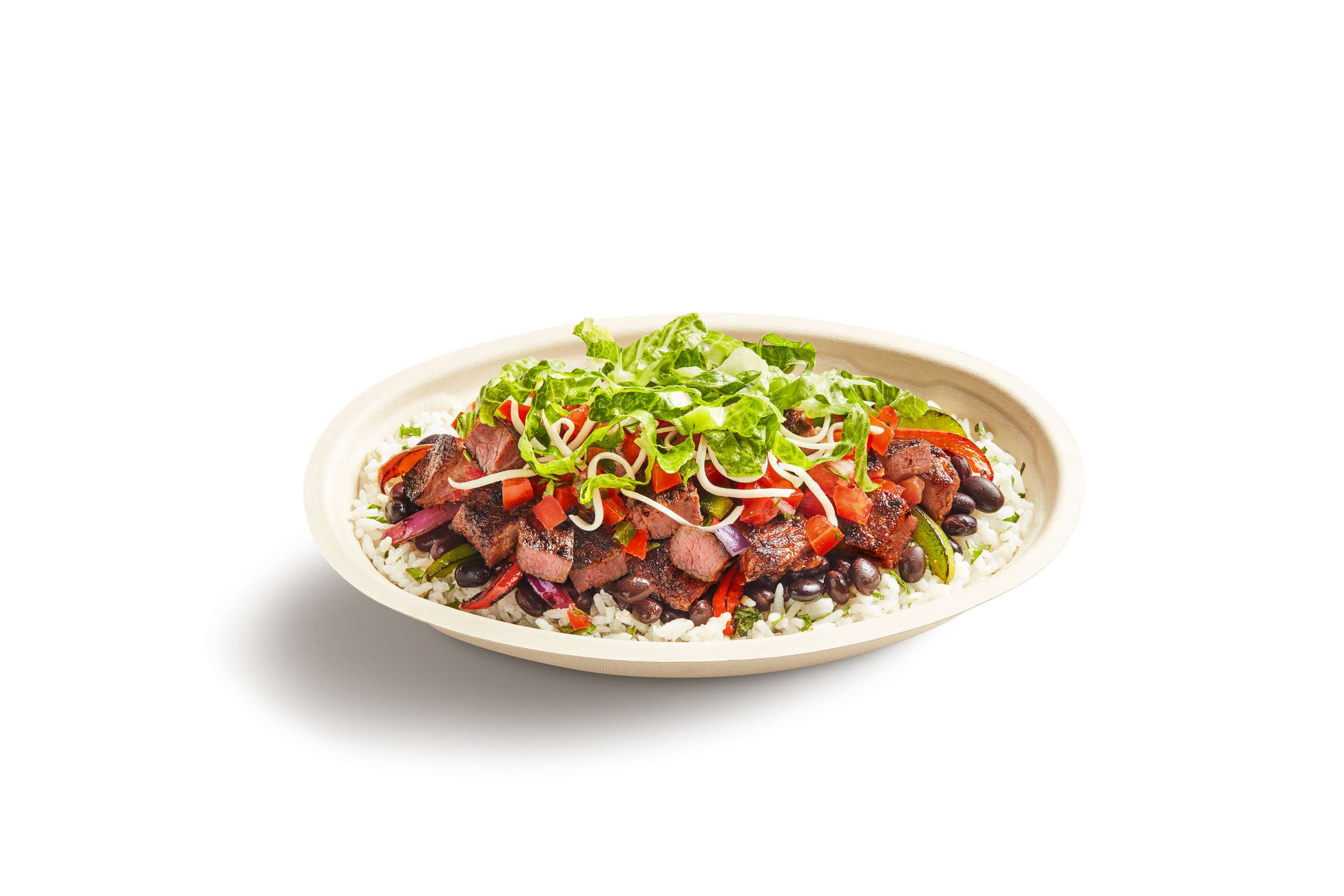
Chipotle reshapes loyalty with Rewards on Repeat, blending in-store promotions, staff incentives, and simpler redemption to boost traffic.
Apr 16, 2026
Photo by Salah Ait Mokhtar on Unsplash
A refined look at Papa Murphy’s strategy as MTY guides a cautious turnaround amid a crowded pizza landscape—digital play, local marketing, and a new Detroit-style offering.
Apr 16, 2026
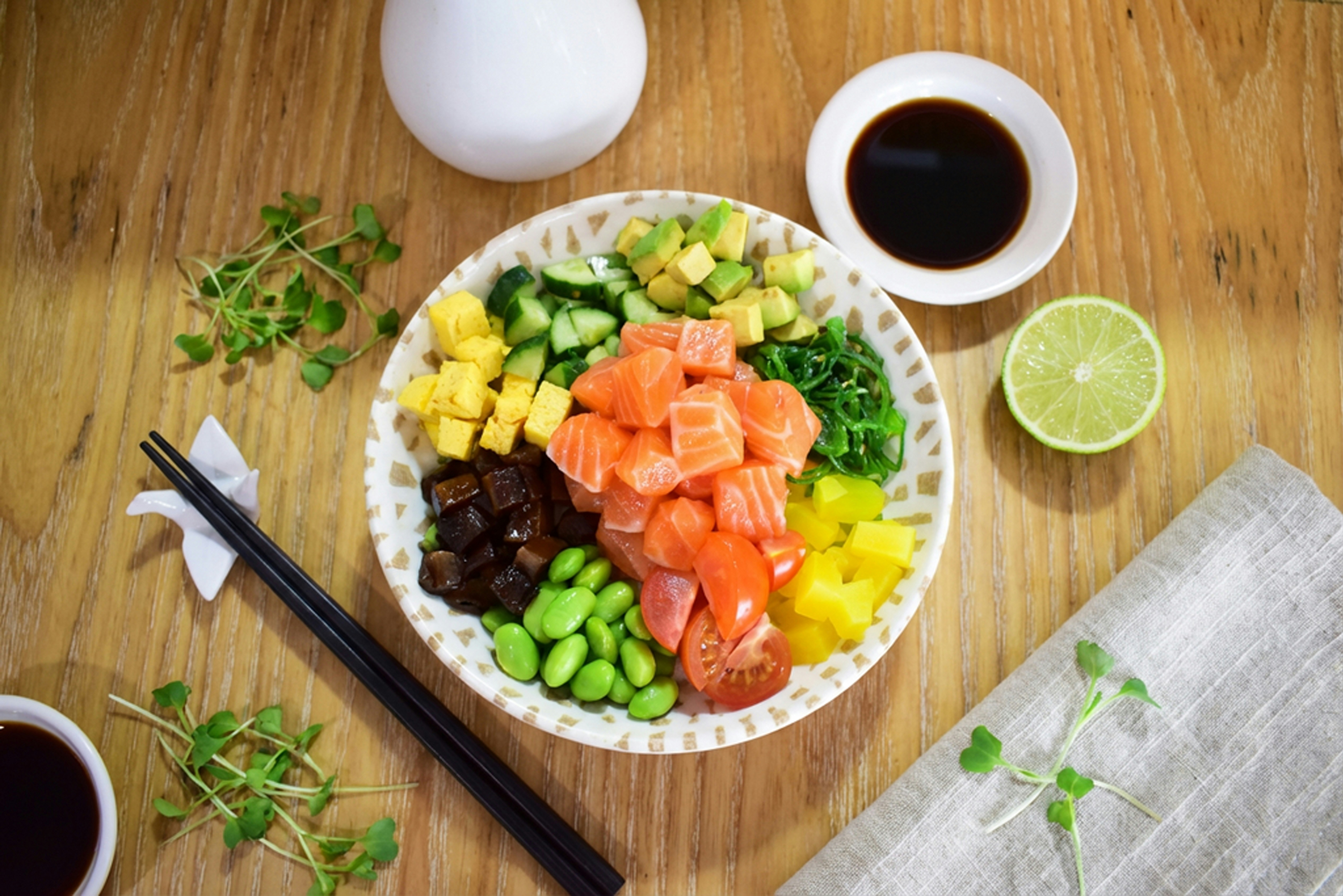
Photo by Sergio Mena Ferreira on Unsplash
Mo’ Bettahs leaves Kansas City as it pivots to a PE-backed national expansion to Phoenix, Indianapolis, and Minneapolis.
Apr 16, 2026

Photo by Kate Trysh on Unsplash
Applebee’s O-M-Cheese Burger fuses spectacle with value, driving social buzz and foot traffic—a signal for the skillet-cheese moment in casual dining.
Apr 16, 2026

Photo by Diego Mattevi on Unsplash
GoTo Foods taps Misra and Lambert to harmonize digital momentum with disciplined development across seven brands, aiming for stronger guest experiences and franchisee economics.
Apr 16, 2026
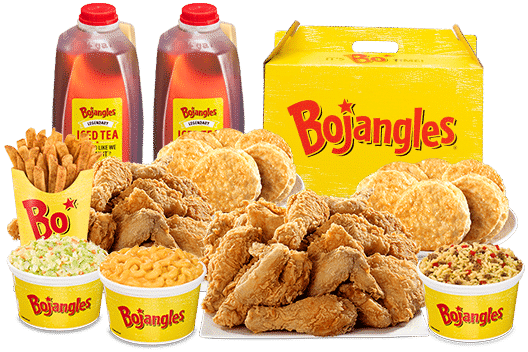
Bojangles launches Bo’s Chicken Rippers in an eight-week pilot, turning bites into a hands-on, sauce-forward experience with interactive, tear-apart slabs.
Apr 16, 2026
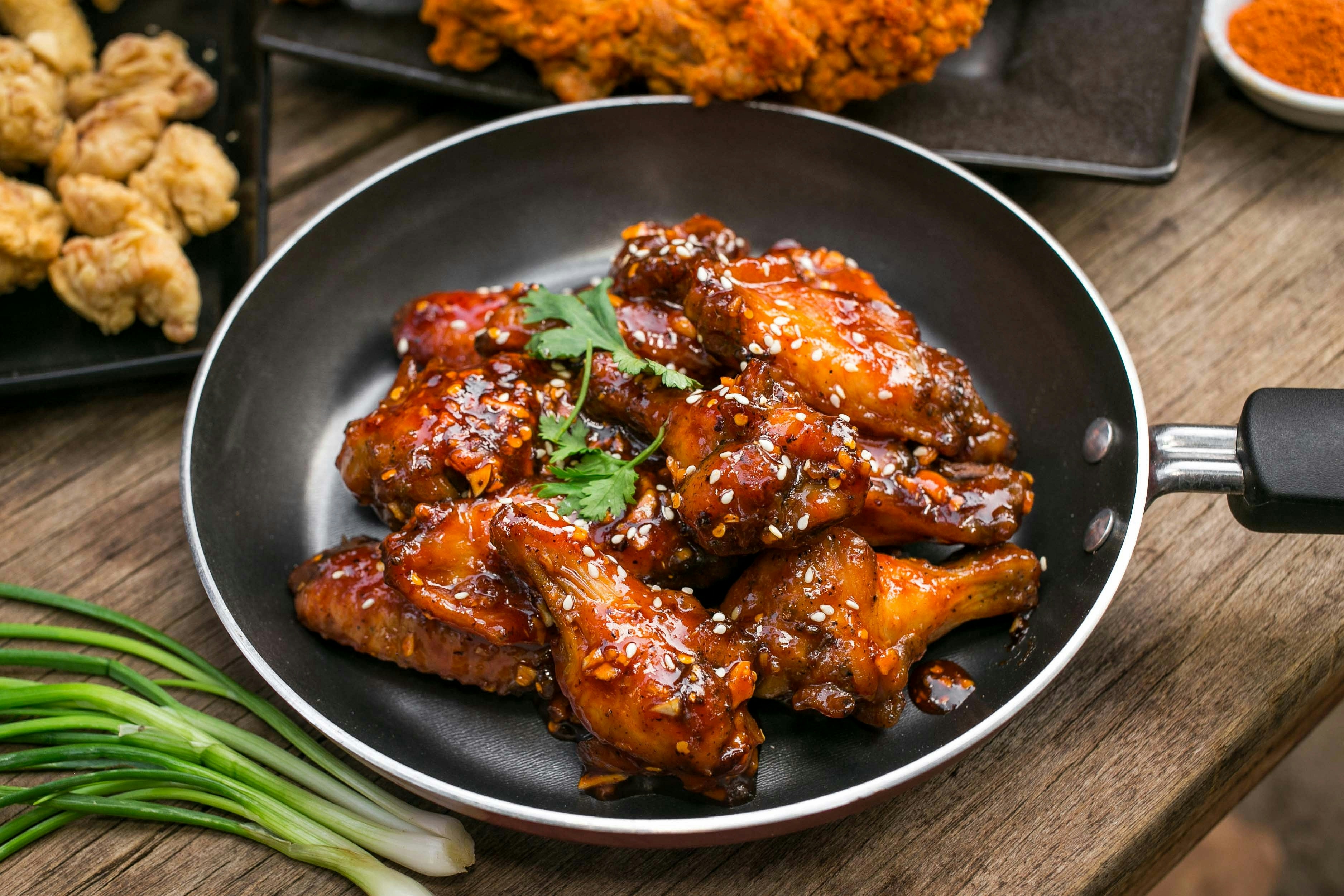
Photo by Jim Sosengphet on Unsplash
Popeyes teams with One Piece for a limited menu and merch drop, blending bold flavors with anime fandom to boost traffic and loyalty.
Apr 16, 2026
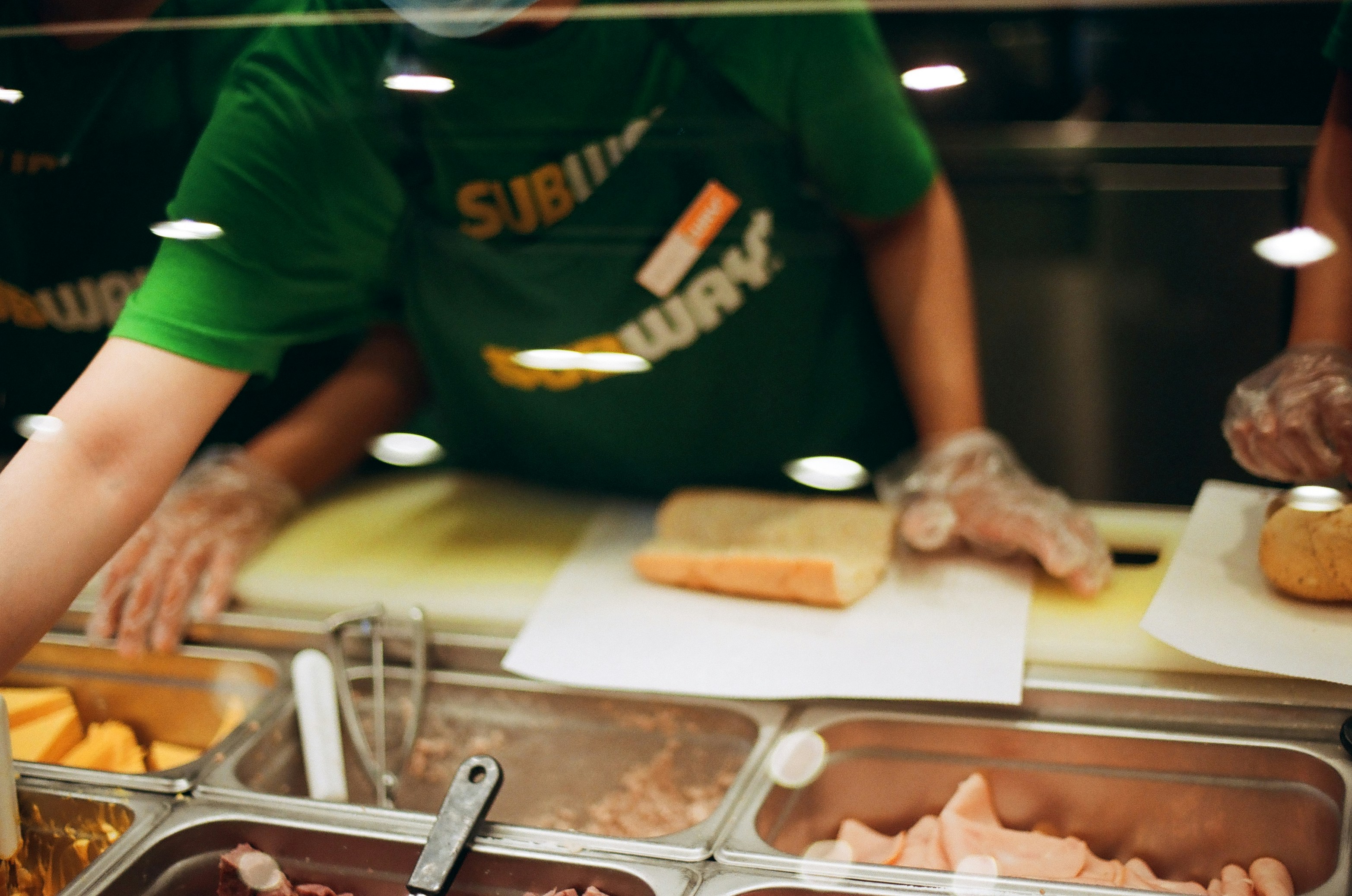
Photo by dedy kurniawan on Unsplash
A close look at Jersey Mike’s rapid expansion, leadership shift, and international push under Blackstone’s ownership.
Apr 16, 2026
Discover how Quick-Service Restaurants are leveraging emotional connection through Connected TV advertising to enhance customer engagement and drive sales.

Photo by Murilo Viviani on Unsplash
Quick-Service Restaurants (QSRs) are currently facing a critical juncture as economic pressures and escalating inflation rates have led to a significant increase in menu prices, with a staggering 60% surge over the last decade. This phenomenon, termed 'fast-flation,' has presented QSRs with the challenging task of balancing heightened operational costs while upholding their reputation for providing affordable dining options. Consequently, the industry is witnessing a decline in customer visits as the cost of eating out surpasses that of dining at home.
To combat the adverse effects of rising costs and dwindling market share, QSRs are compelled to innovate and adopt novel strategies to attract customers back to their establishments. Initiatives such as offering exclusive coupons, revamping loyalty programs, and exploring new marketing avenues have become imperative for QSR brands looking to revitalize their customer base and reinforce brand loyalty in this competitive landscape.

Photo by Murilo Viviani on Unsplash
Connected TV (CTV) has emerged as a potent marketing channel for QSRs seeking to engage both existing and prospective customers effectively. The growth of CTV ad spend, projected to exceed $30 billion this year and reach over $42 billion by 2027, highlights the increasing importance of leveraging this platform. Notably, a substantial 92% of ad-supported CTV viewers had visited a QSR in the last six months, underscoring the medium's relevance for the industry.
Photo by Murilo Viviani on Unsplash
While CTV offers immense potential for QSR marketing, fully exploiting its capabilities requires a deeper understanding of consumer sentiments and preferences. The integration of Generative AI (GenAI) has opened up new avenues for brands to establish emotional connections with audiences on CTV. By analyzing content scenes in real-time, GenAI enables QSRs to deliver personalized ads that resonate with viewer emotions, fostering a more profound engagement.
Traditional genre-based targeting on CTV often falls short in capturing the nuanced emotional nuances of content, leading to mismatches between ads and viewer sentiments. This disconnect can deter interest and impact brand perception negatively. Leveraging GenAI allows QSRs to align their advertising with the emotional tone of the programming, ensuring a seamless and impactful viewing experience that resonates positively with customers.
As Quick-Service Restaurants navigate a challenging economic environment, prioritizing customer engagement and loyalty becomes paramount. Emotions-based targeting on CTV, powered by GenAI, represents a new frontier for QSR marketing, enabling brands to create memorable and genuine connections with viewers. By aligning ad emotions with on-screen content, QSRs can enhance brand loyalty, drive sales, and combat customer pullback effectively.
In conclusion, the evolution of marketing strategies in the Quick-Service Restaurant industry underscores the significance of embracing technological advancements like GenAI for precise emotional targeting. By capitalizing on the power of emotions and personalized advertising on CTV, QSR brands can forge stronger relationships with customers, foster brand loyalty, and thrive in an increasingly competitive market landscape.