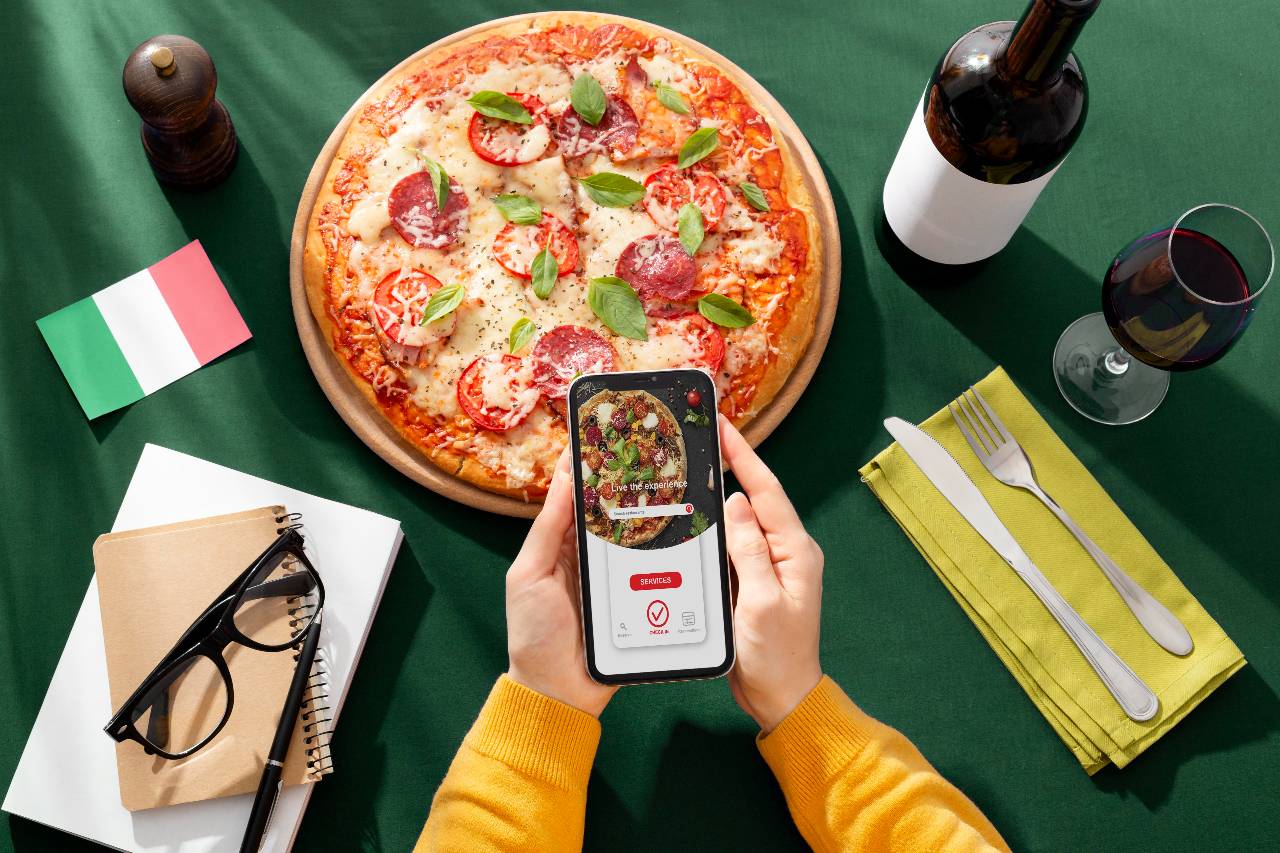
Best Restaurant Marketing Ideas for 2026
This guide outlines restaurant marketing ideas that help operators attract nearby customers, convert demand faster, and strengthen long-term retention.
marketing ideas
Apr 16, 2026
This guide outlines restaurant marketing ideas that help operators attract nearby customers, convert demand faster, and strengthen long-term retention.
Apr 16, 2026

A clear host training process helps restaurants manage greetings, waitlists, reservations, seating decisions, and guest communication more consistently.
Apr 15, 2026
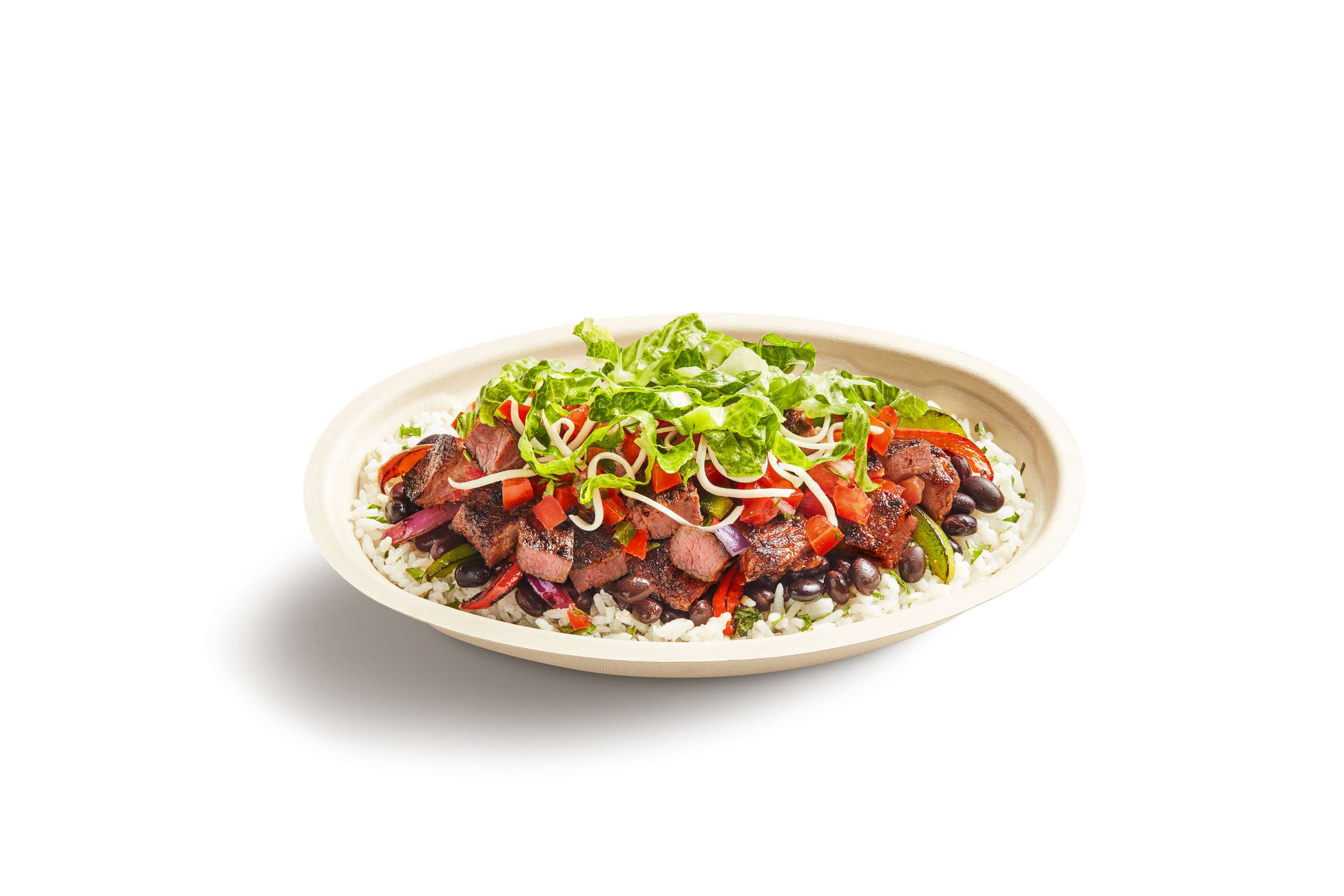
Chipotle reshapes loyalty with Rewards on Repeat, blending in-store promotions, staff incentives, and simpler redemption to boost traffic.
Apr 16, 2026
Photo by Salah Ait Mokhtar on Unsplash
A refined look at Papa Murphy’s strategy as MTY guides a cautious turnaround amid a crowded pizza landscape—digital play, local marketing, and a new Detroit-style offering.
Apr 16, 2026
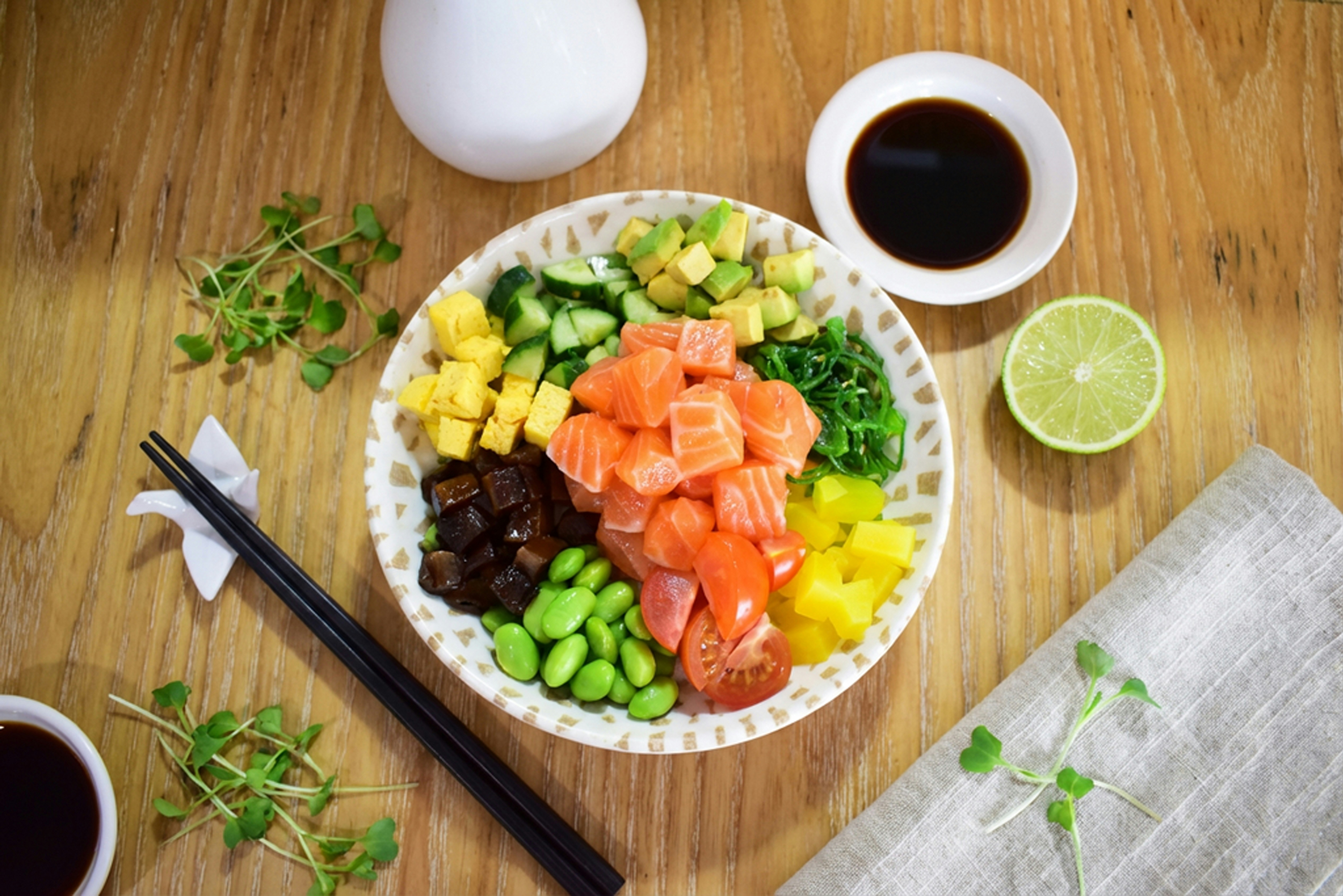
Photo by Sergio Mena Ferreira on Unsplash
Mo’ Bettahs leaves Kansas City as it pivots to a PE-backed national expansion to Phoenix, Indianapolis, and Minneapolis.
Apr 16, 2026
Photo by Kate Trysh on Unsplash
Applebee’s O-M-Cheese Burger fuses spectacle with value, driving social buzz and foot traffic—a signal for the skillet-cheese moment in casual dining.
Apr 16, 2026

Photo by Diego Mattevi on Unsplash
GoTo Foods taps Misra and Lambert to harmonize digital momentum with disciplined development across seven brands, aiming for stronger guest experiences and franchisee economics.
Apr 16, 2026
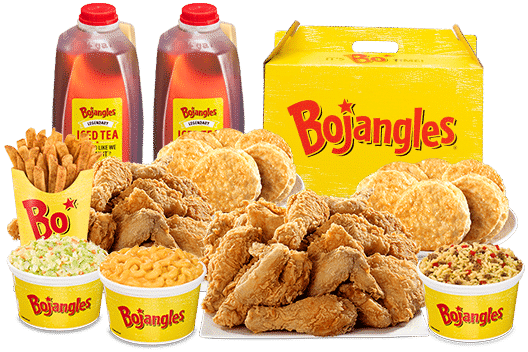
Bojangles launches Bo’s Chicken Rippers in an eight-week pilot, turning bites into a hands-on, sauce-forward experience with interactive, tear-apart slabs.
Apr 16, 2026
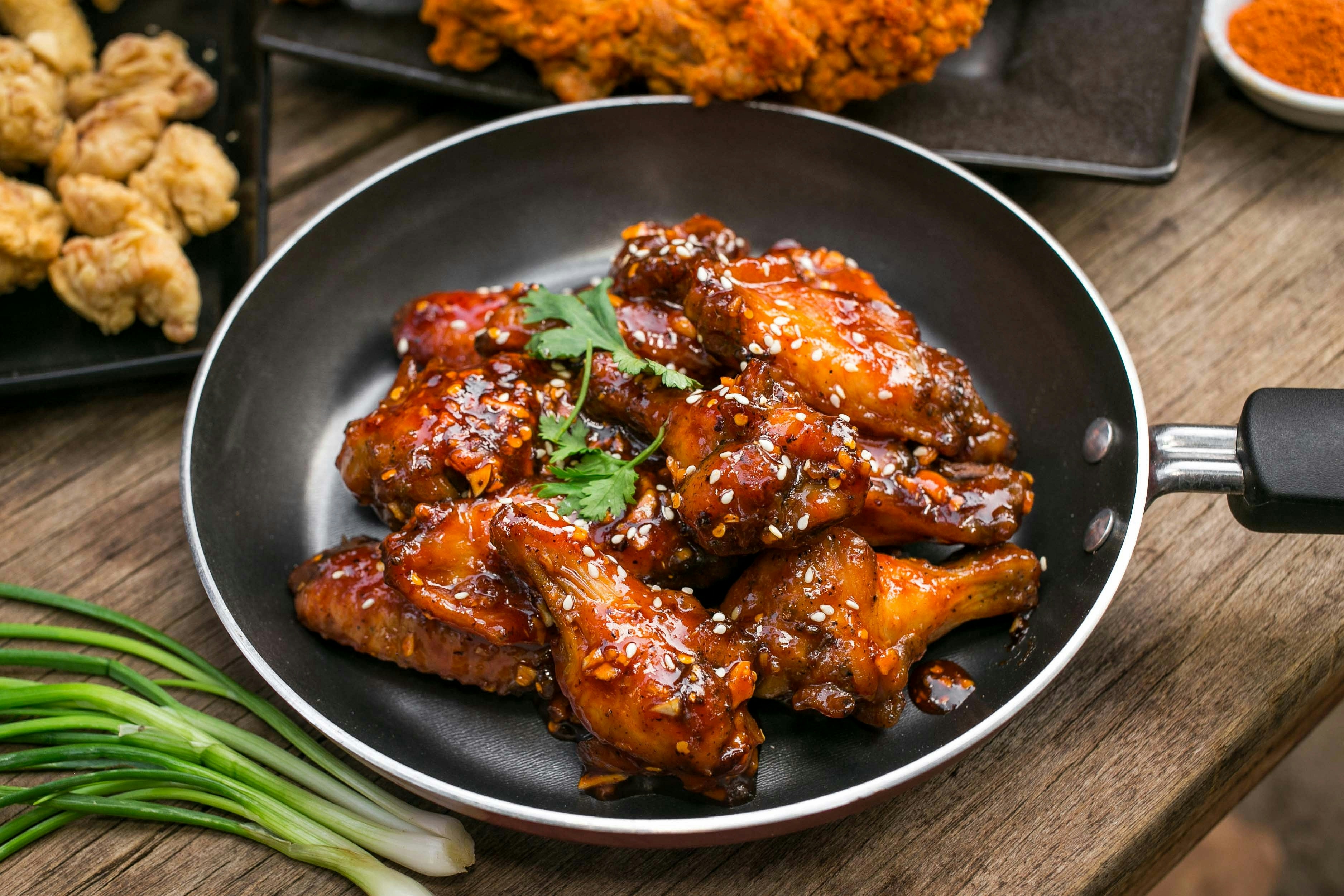
Photo by Jim Sosengphet on Unsplash
Popeyes teams with One Piece for a limited menu and merch drop, blending bold flavors with anime fandom to boost traffic and loyalty.
Apr 16, 2026
Photo by dedy kurniawan on Unsplash
A close look at Jersey Mike’s rapid expansion, leadership shift, and international push under Blackstone’s ownership.
Apr 16, 2026
Explore how major fast casual chains are expanding despite consumer trends, with a focus on new unit openings and growth strategies.

Photo by Logan Voss on Unsplash
Shake Shack, despite a slowdown in sales growth, is embarking on an ambitious plan to open a significant number of new stores. With a focus on diversification beyond its traditional markets, the chain aims to drive revenue through new locations. By strategically placing outlets in areas like Washington, Arizona, and New Jersey, Shake Shack is not only offsetting declining same-store sales in some regions but also setting new records in initial sales in suburban markets.

Photo by Logan Voss on Unsplash
Wingstop's global expansion has been a remarkable success story, with new markets exceeding domestic performance levels. The chain's entry into countries like Australia and the U.K. has been met with enthusiastic reception, indicating a strong demand for its offerings. By leveraging this international growth momentum, Wingstop has revised its unit growth outlook upwards, showcasing the brand's resilience and appeal in diverse markets.
Chipotle's emphasis on market diversification, especially in Canada and upcoming ventures in Mexico, signals a broader strategy to tap into lucrative markets beyond its homeland. The chain's focus on Chipotlanes and innovative store designs reflects a commitment to enhancing customer experience while driving growth. With a solid track record and plans to reach 7,000 units in the long term, Chipotle is poised for sustained success.
Cava's steady expansion into new regions like the Midwest and Southern Florida underscores its commitment to capturing diverse consumer markets. With a strong performance in new store metrics and an eye on achieving average unit volumes above $3 million, the chain's growth trajectory remains promising. By introducing new design elements and prototypes, Cava is enhancing its dining experience to attract and retain customers in a competitive landscape.
Despite facing profitability challenges and sales downturns, Sweetgreen remains proactive in its development plans. By introducing automated kitchen technologies and recalibrating its real estate strategy, the chain demonstrates agility and foresight in adapting to market dynamics. The brand's focus on new markets and a long-term growth target reaffirms its confidence in navigating through tough times towards sustainable growth.