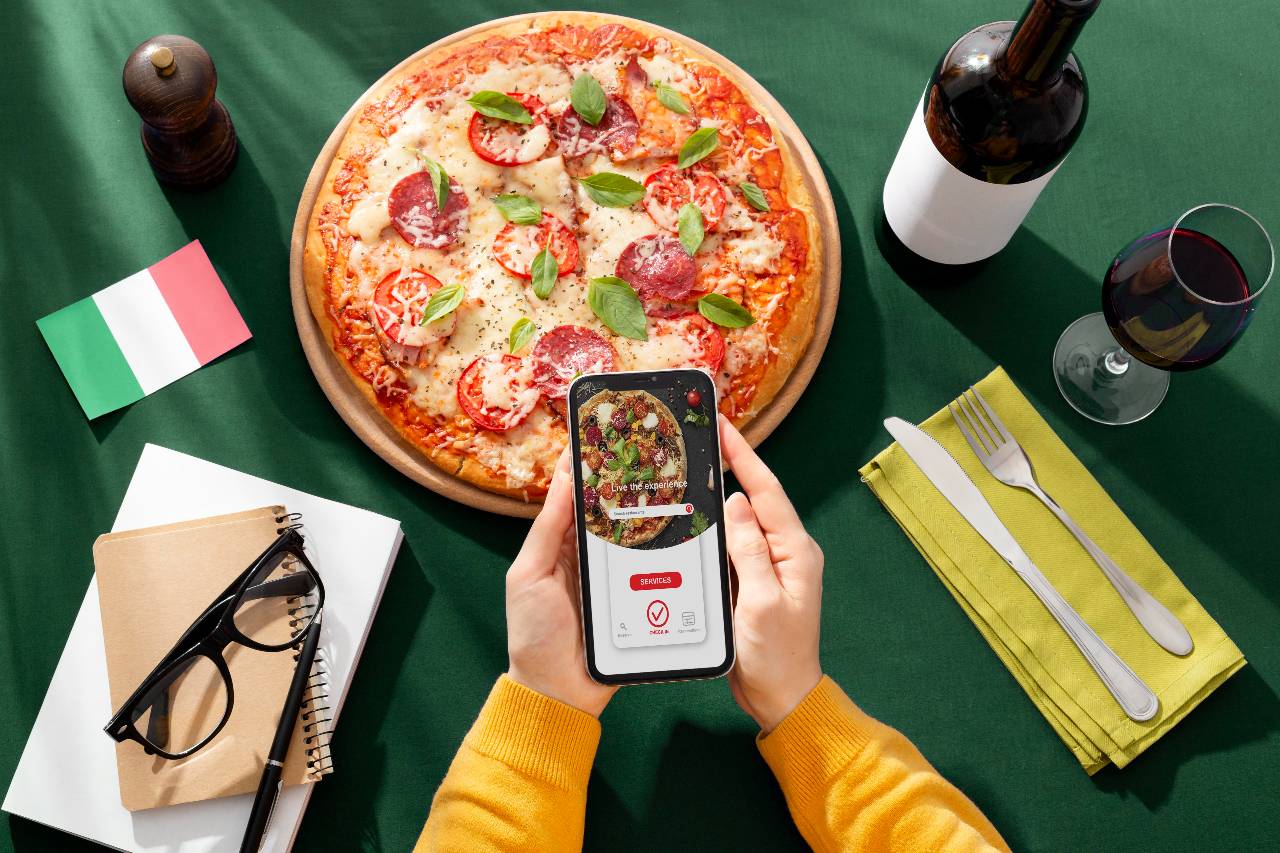
Best Restaurant Marketing Ideas for 2026
This guide outlines restaurant marketing ideas that help operators attract nearby customers, convert demand faster, and strengthen long-term retention.
marketing ideas
Apr 16, 2026
This guide outlines restaurant marketing ideas that help operators attract nearby customers, convert demand faster, and strengthen long-term retention.
Apr 16, 2026

A clear host training process helps restaurants manage greetings, waitlists, reservations, seating decisions, and guest communication more consistently.
Apr 15, 2026
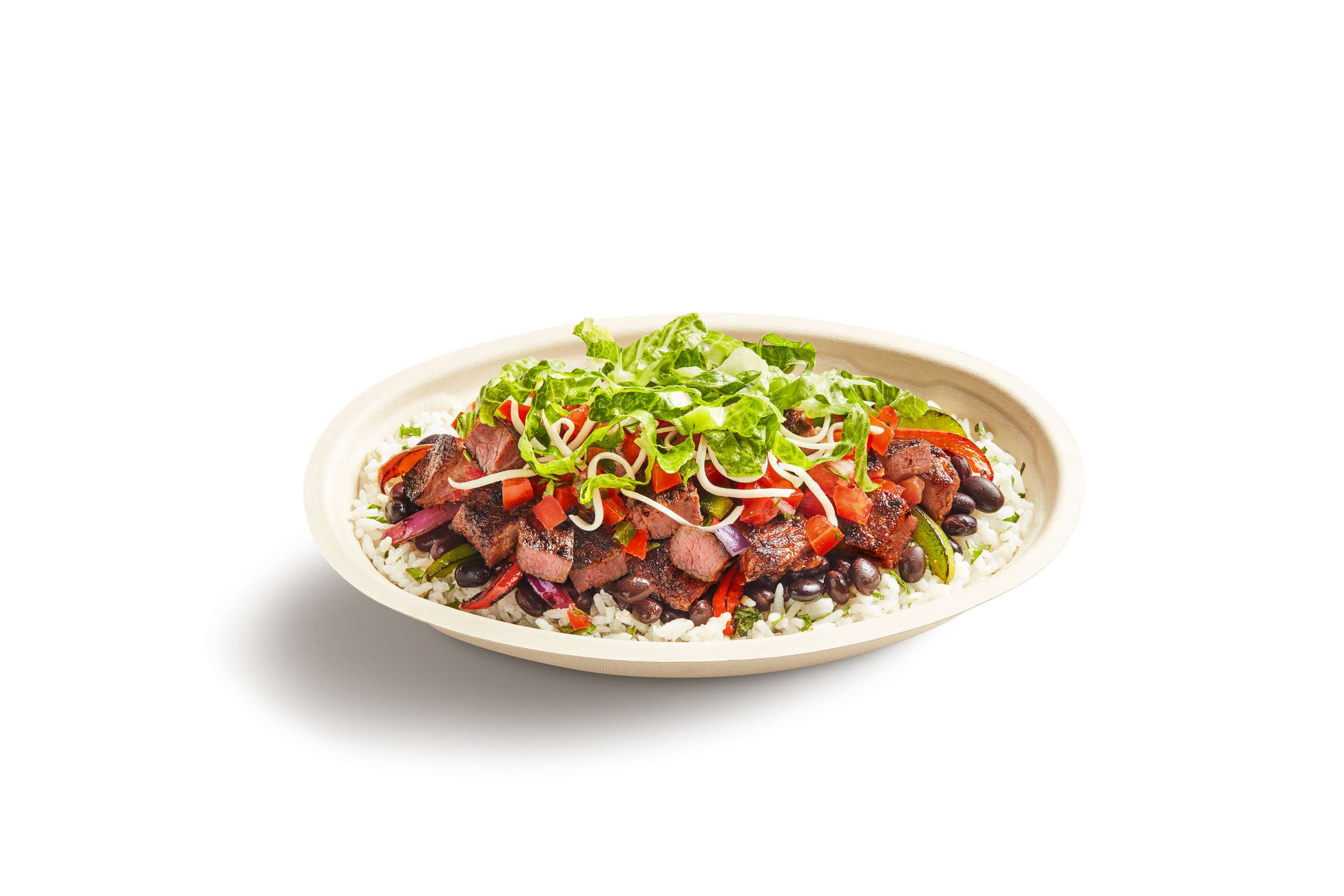
Chipotle reshapes loyalty with Rewards on Repeat, blending in-store promotions, staff incentives, and simpler redemption to boost traffic.
Apr 16, 2026
Photo by Salah Ait Mokhtar on Unsplash
A refined look at Papa Murphy’s strategy as MTY guides a cautious turnaround amid a crowded pizza landscape—digital play, local marketing, and a new Detroit-style offering.
Apr 16, 2026
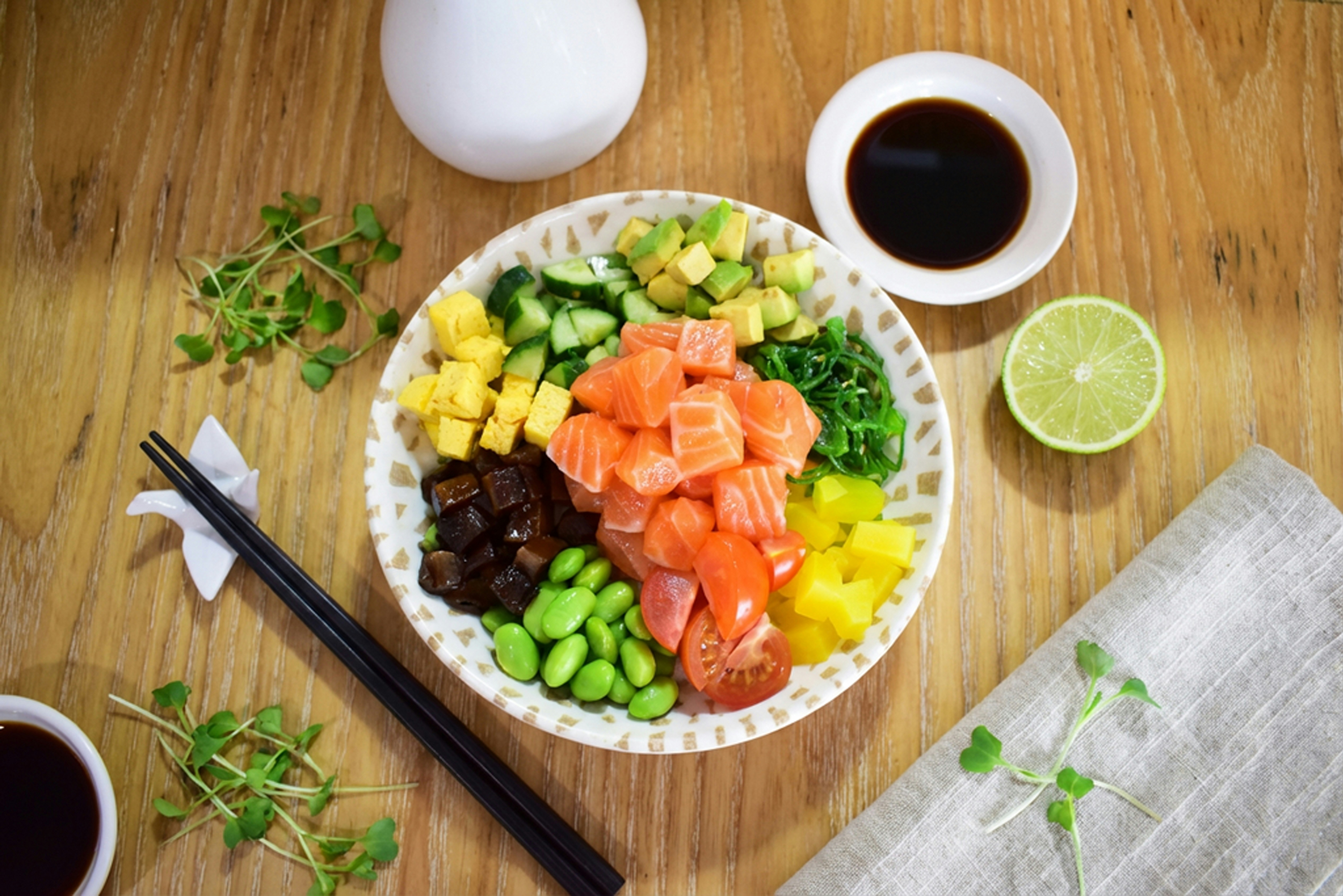
Photo by Sergio Mena Ferreira on Unsplash
Mo’ Bettahs leaves Kansas City as it pivots to a PE-backed national expansion to Phoenix, Indianapolis, and Minneapolis.
Apr 16, 2026
Photo by Kate Trysh on Unsplash
Applebee’s O-M-Cheese Burger fuses spectacle with value, driving social buzz and foot traffic—a signal for the skillet-cheese moment in casual dining.
Apr 16, 2026
Photo by Diego Mattevi on Unsplash
GoTo Foods taps Misra and Lambert to harmonize digital momentum with disciplined development across seven brands, aiming for stronger guest experiences and franchisee economics.
Apr 16, 2026
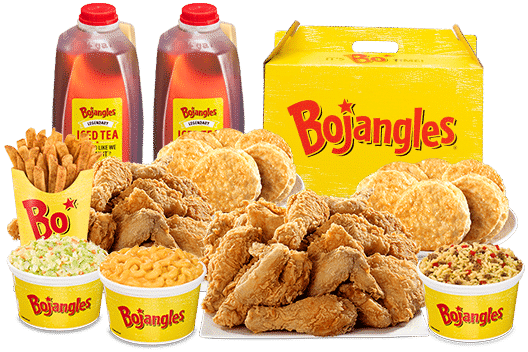
Bojangles launches Bo’s Chicken Rippers in an eight-week pilot, turning bites into a hands-on, sauce-forward experience with interactive, tear-apart slabs.
Apr 16, 2026
Photo by Jim Sosengphet on Unsplash
Popeyes teams with One Piece for a limited menu and merch drop, blending bold flavors with anime fandom to boost traffic and loyalty.
Apr 16, 2026
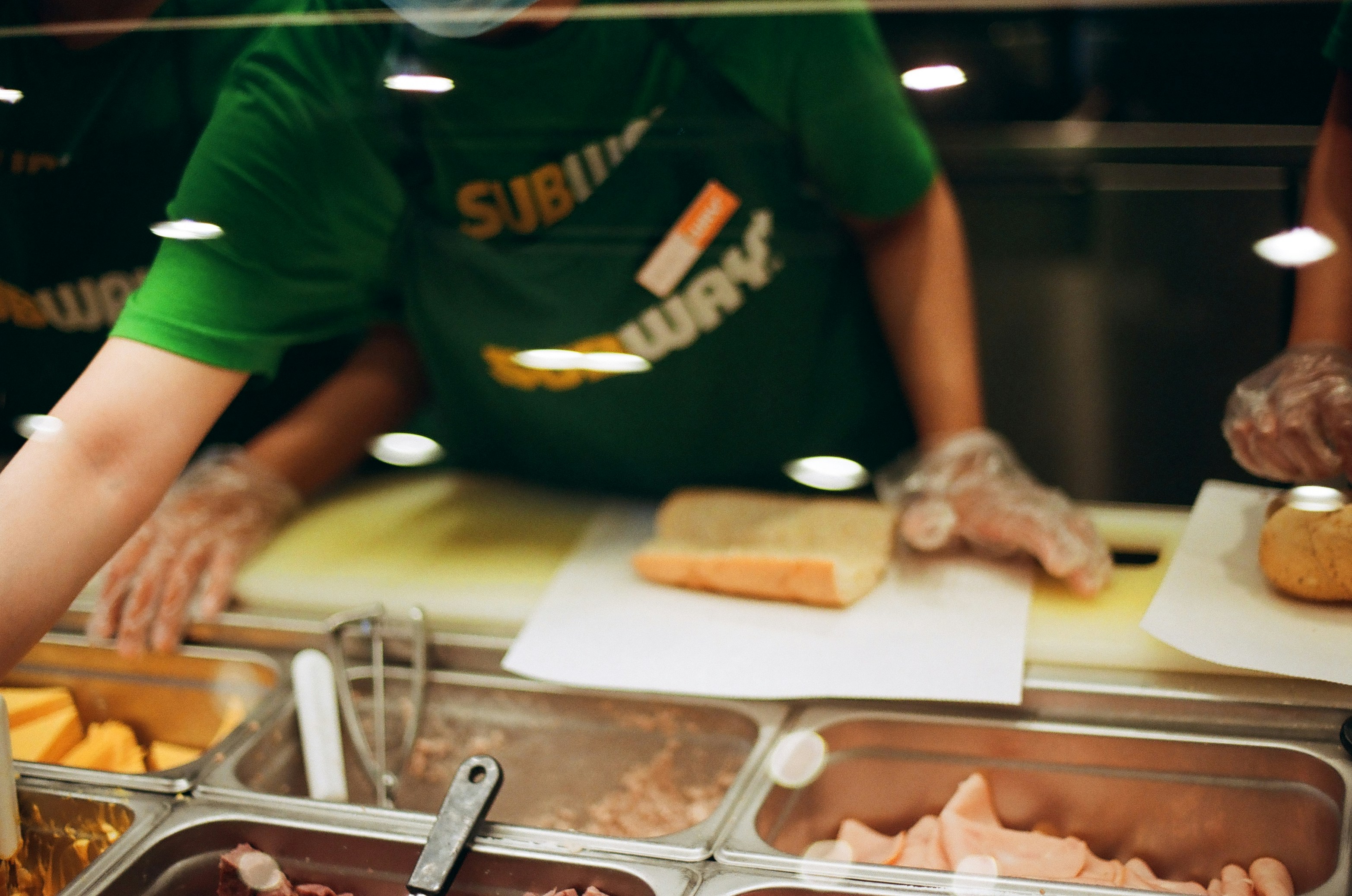
Photo by dedy kurniawan on Unsplash
A close look at Jersey Mike’s rapid expansion, leadership shift, and international push under Blackstone’s ownership.
Apr 16, 2026
Discover the importance of maintaining a brand's core essence during a rebranding process, with insights from Cracker Barrel's recent misstep.
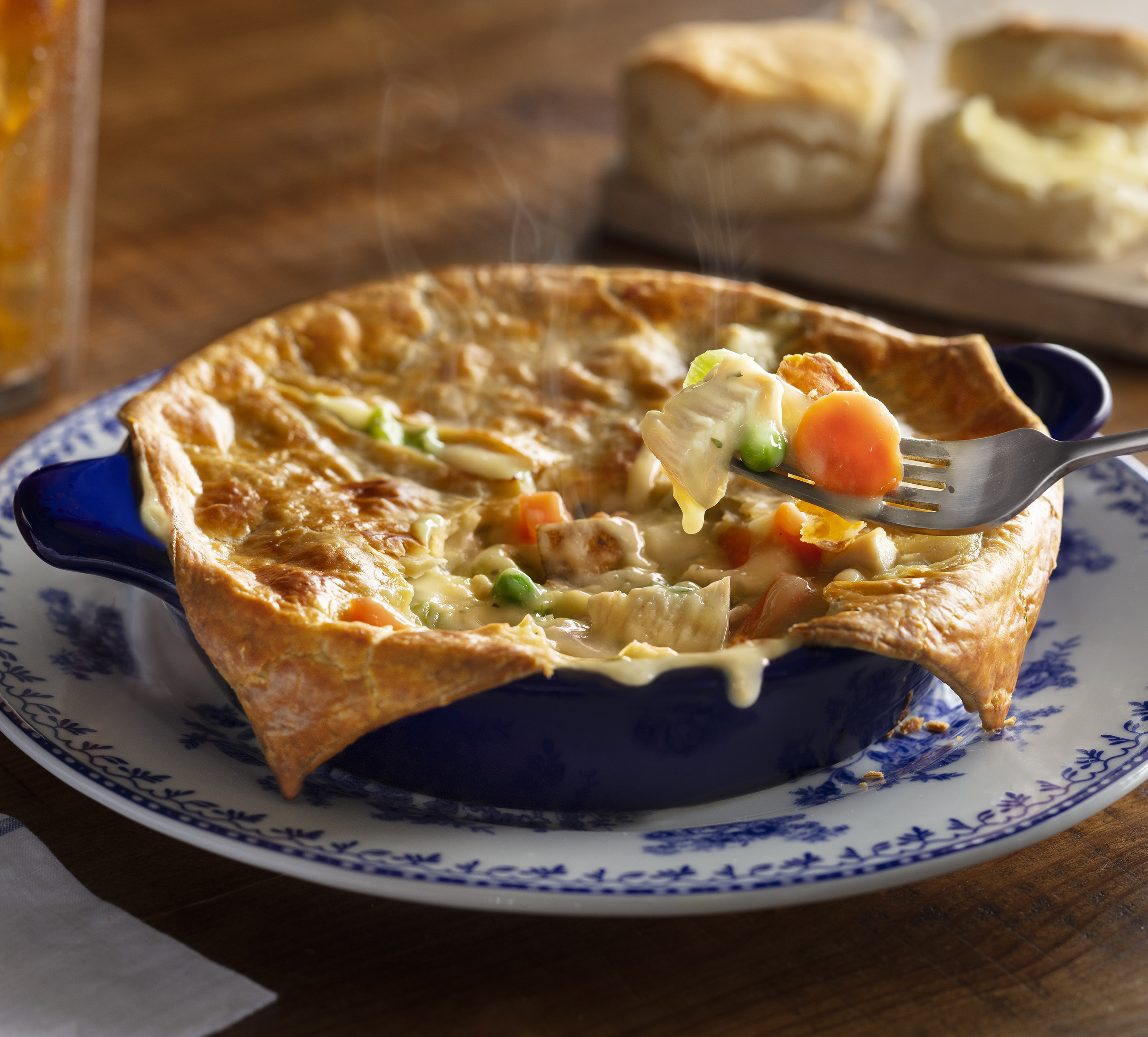
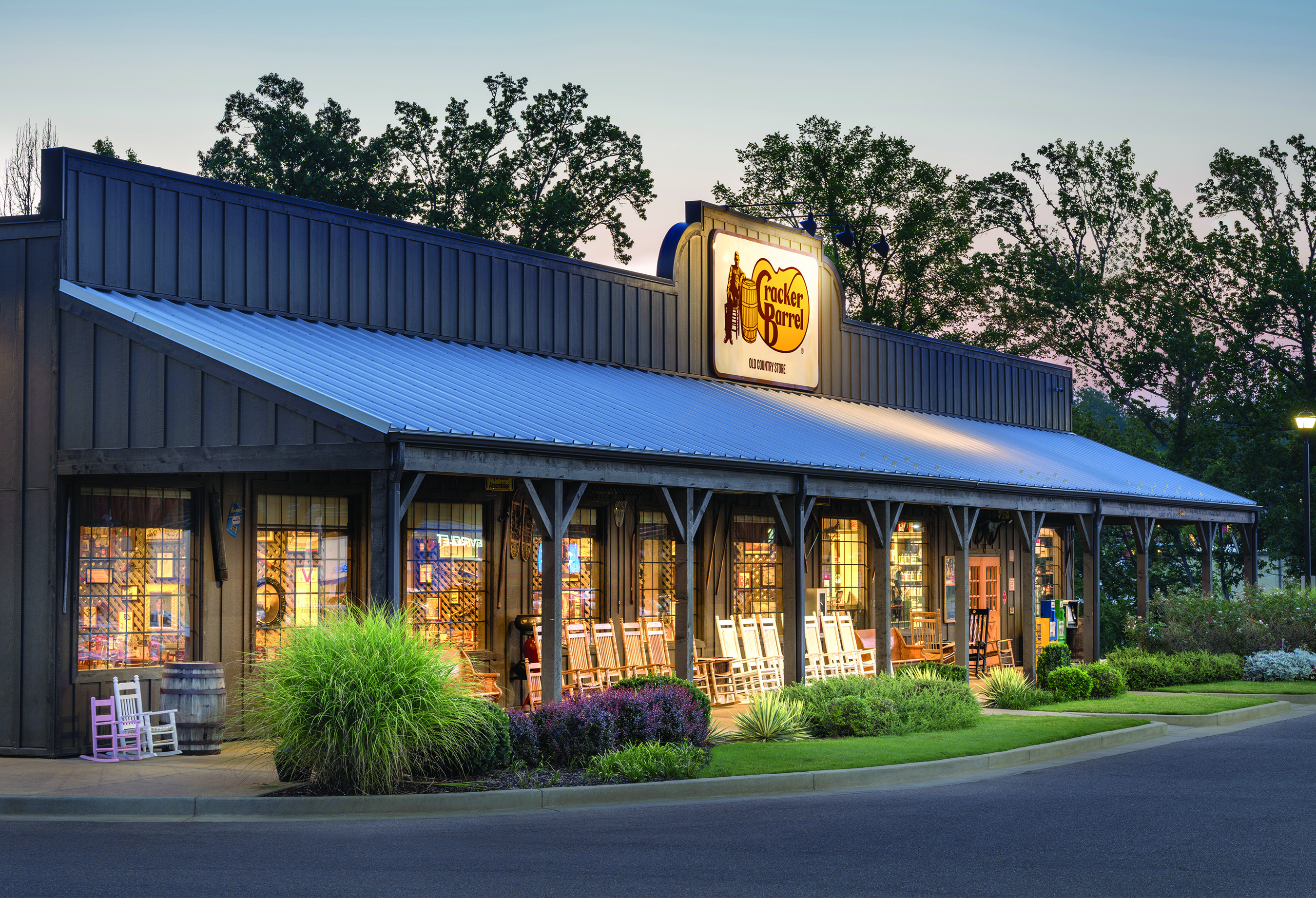
Cracker Barrel's recent rebranding debacle serves as a poignant reminder of the critical importance of emotional resonance in branding. When a brand strips away elements that deeply resonate with its core audience in a bid to modernize, it risks losing its soul and connection with loyal customers.
The case of Cracker Barrel underscores the necessity of conducting thorough equity research before embarking on a rebranding journey. By neglecting to understand the emotional equities that define a brand for its loyal consumers, companies risk alienating their core audience and undermining brand loyalty.
The removal of Uncle Herschel from Cracker Barrel's branding highlights the significance of symbols in brand identity. Uncle Herschel was more than just a character; he was a symbol of warmth and nostalgia for many customers. Losing such symbols without proper validation can have far-reaching consequences for a brand's identity.
Cracker Barrel's packaging redesign misstep emphasizes the role of packaging as an extension of the brand experience. The shift from old-fashioned design cues to a more generic supermarket aesthetic detracted from the brand's unique identity, showcasing the importance of aligning all brand touchpoints with its core essence.
Cracker Barrel's rebranding disaster underscores the necessity of anchoring brand evolution in strategy and authenticity. Without a solid foundation rooted in the brand's core values and emotional connections, even well-intentioned design choices can lead to a catastrophic loss of brand identity and consumer trust.