
Best Restaurant Marketing Ideas for 2026
This guide outlines restaurant marketing ideas that help operators attract nearby customers, convert demand faster, and strengthen long-term retention.
marketing ideas
Apr 16, 2026
This guide outlines restaurant marketing ideas that help operators attract nearby customers, convert demand faster, and strengthen long-term retention.
Apr 16, 2026

A clear host training process helps restaurants manage greetings, waitlists, reservations, seating decisions, and guest communication more consistently.
Apr 15, 2026

Chipotle reshapes loyalty with Rewards on Repeat, blending in-store promotions, staff incentives, and simpler redemption to boost traffic.
Apr 16, 2026

Photo by Salah Ait Mokhtar on Unsplash
A refined look at Papa Murphy’s strategy as MTY guides a cautious turnaround amid a crowded pizza landscape—digital play, local marketing, and a new Detroit-style offering.
Apr 16, 2026

Photo by Sergio Mena Ferreira on Unsplash
Mo’ Bettahs leaves Kansas City as it pivots to a PE-backed national expansion to Phoenix, Indianapolis, and Minneapolis.
Apr 16, 2026

Photo by Kate Trysh on Unsplash
Applebee’s O-M-Cheese Burger fuses spectacle with value, driving social buzz and foot traffic—a signal for the skillet-cheese moment in casual dining.
Apr 16, 2026

Photo by Diego Mattevi on Unsplash
GoTo Foods taps Misra and Lambert to harmonize digital momentum with disciplined development across seven brands, aiming for stronger guest experiences and franchisee economics.
Apr 16, 2026
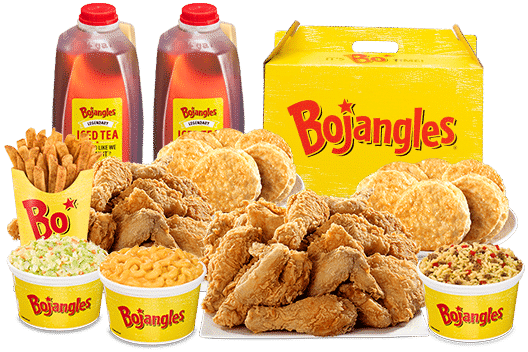
Bojangles launches Bo’s Chicken Rippers in an eight-week pilot, turning bites into a hands-on, sauce-forward experience with interactive, tear-apart slabs.
Apr 16, 2026

Photo by Jim Sosengphet on Unsplash
Popeyes teams with One Piece for a limited menu and merch drop, blending bold flavors with anime fandom to boost traffic and loyalty.
Apr 16, 2026

Photo by dedy kurniawan on Unsplash
A close look at Jersey Mike’s rapid expansion, leadership shift, and international push under Blackstone’s ownership.
Apr 16, 2026
Discover the latest advancements in AI and robotics, shaping the future of technology. Explore how innovations are revolutionizing industries.

Photo by Rostislav Budzan on Unsplash
Artificial Intelligence (AI) is revolutionizing industries globally, with applications ranging from automation to decision-making algorithms. AI systems can analyze vast amounts of data in real-time, enabling businesses to make informed decisions swiftly. In healthcare, AI assists in diagnostics and personalized treatment plans, improving patient outcomes. Moreover, AI-driven chatbots enhance customer service by providing instant responses and personalized interactions.
Robotics plays a crucial role in automating repetitive tasks and enhancing operational efficiency across various sectors. Collaborative robots, known as cobots, work alongside humans in manufacturing, streamlining production and ensuring worker safety. In warehouses, autonomous robots optimize inventory management and order processing, reducing errors and increasing productivity. The integration of robotics in agriculture enables precision farming, resulting in higher yields and sustainable practices.

Photo by Rostislav Budzan on Unsplash
The convergence of AI and robotics is propelling technological advancements and driving innovation in unprecedented ways. Industries like finance leverage AI-powered algorithms for fraud detection and risk management, enhancing security measures. Swarm robotics, inspired by collective behavior in nature, enables multiple robots to collaborate on complex tasks efficiently. The development of AI-driven autonomous vehicles is reshaping transportation systems, promising safer and more efficient mobility solutions.
As AI and robotics continue to evolve, ethical considerations regarding data privacy, algorithm bias, and job displacement become critical. It is essential for organizations and policymakers to address these issues proactively to ensure responsible use of emerging technologies. The future implications of AI and robotics span various aspects, from redefining work environments to shaping societal norms. Embracing innovation while prioritizing ethical practices is key to harnessing the full potential of AI and robotics.