Best Restaurant Marketing Ideas for 2026
This guide outlines restaurant marketing ideas that help operators attract nearby customers, convert demand faster, and strengthen long-term retention.
marketing ideas
Apr 16, 2026
This guide outlines restaurant marketing ideas that help operators attract nearby customers, convert demand faster, and strengthen long-term retention.
Apr 16, 2026
A clear host training process helps restaurants manage greetings, waitlists, reservations, seating decisions, and guest communication more consistently.
Apr 15, 2026
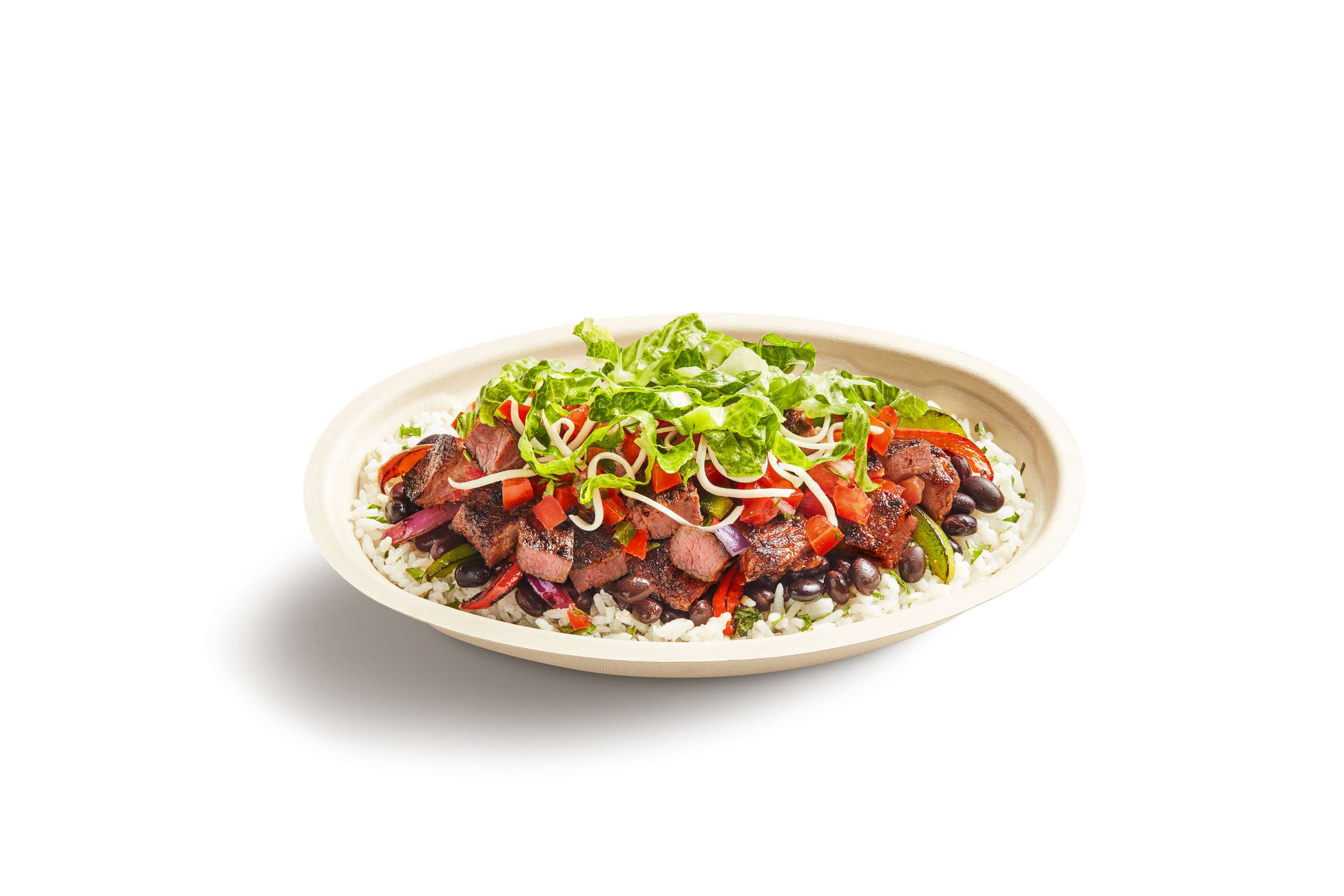
Chipotle reshapes loyalty with Rewards on Repeat, blending in-store promotions, staff incentives, and simpler redemption to boost traffic.
Apr 16, 2026
Photo by Salah Ait Mokhtar on Unsplash
A refined look at Papa Murphy’s strategy as MTY guides a cautious turnaround amid a crowded pizza landscape—digital play, local marketing, and a new Detroit-style offering.
Apr 16, 2026
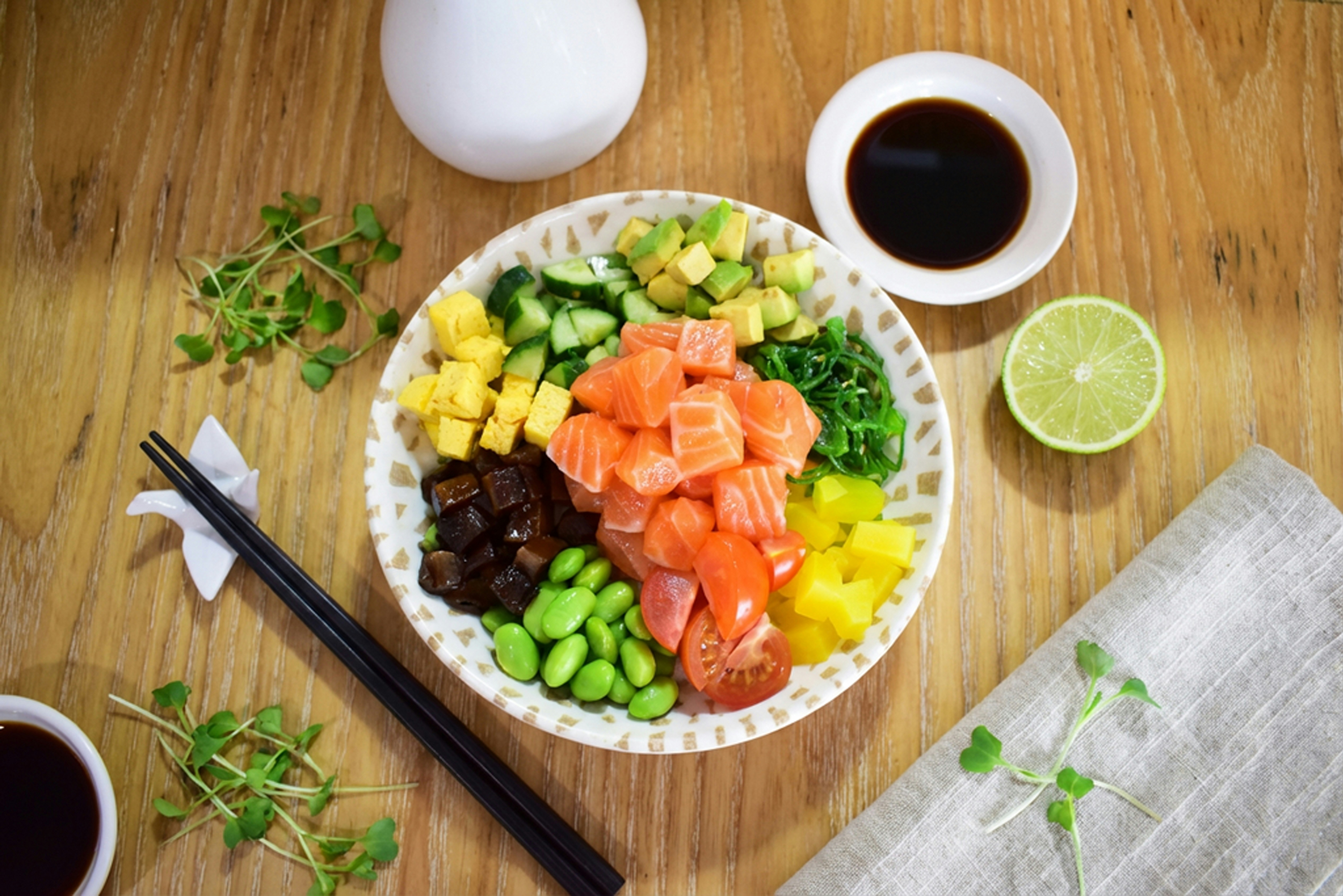
Photo by Sergio Mena Ferreira on Unsplash
Mo’ Bettahs leaves Kansas City as it pivots to a PE-backed national expansion to Phoenix, Indianapolis, and Minneapolis.
Apr 16, 2026
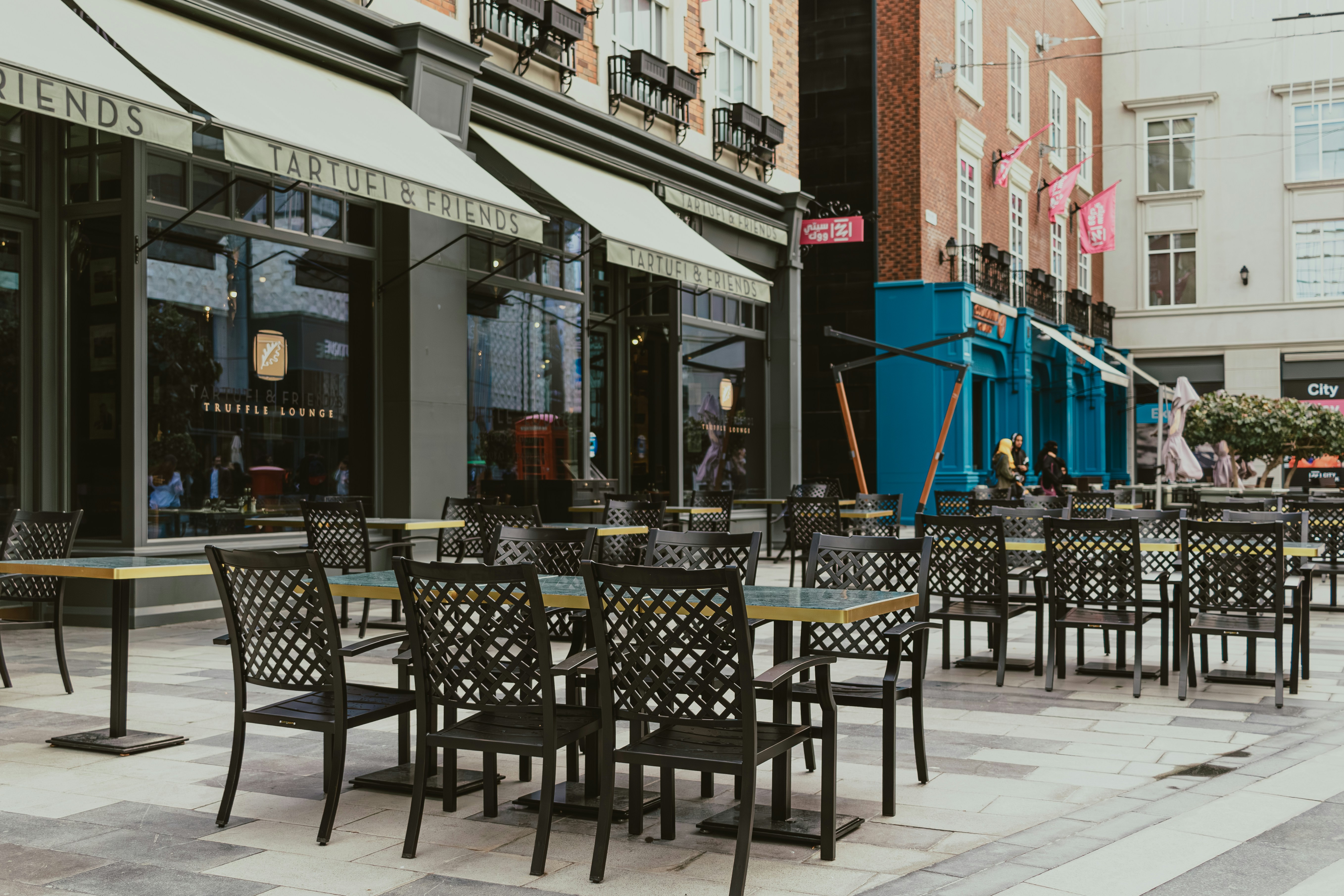
Photo by Kate Trysh on Unsplash
Applebee’s O-M-Cheese Burger fuses spectacle with value, driving social buzz and foot traffic—a signal for the skillet-cheese moment in casual dining.
Apr 16, 2026

Photo by Diego Mattevi on Unsplash
GoTo Foods taps Misra and Lambert to harmonize digital momentum with disciplined development across seven brands, aiming for stronger guest experiences and franchisee economics.
Apr 16, 2026
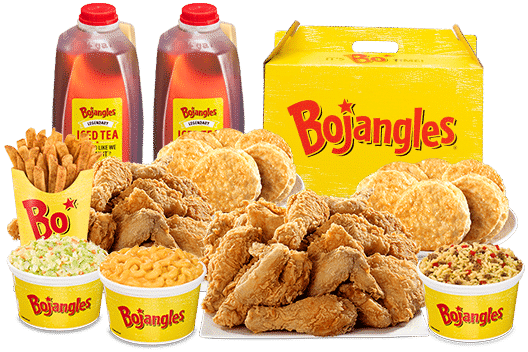
Bojangles launches Bo’s Chicken Rippers in an eight-week pilot, turning bites into a hands-on, sauce-forward experience with interactive, tear-apart slabs.
Apr 16, 2026
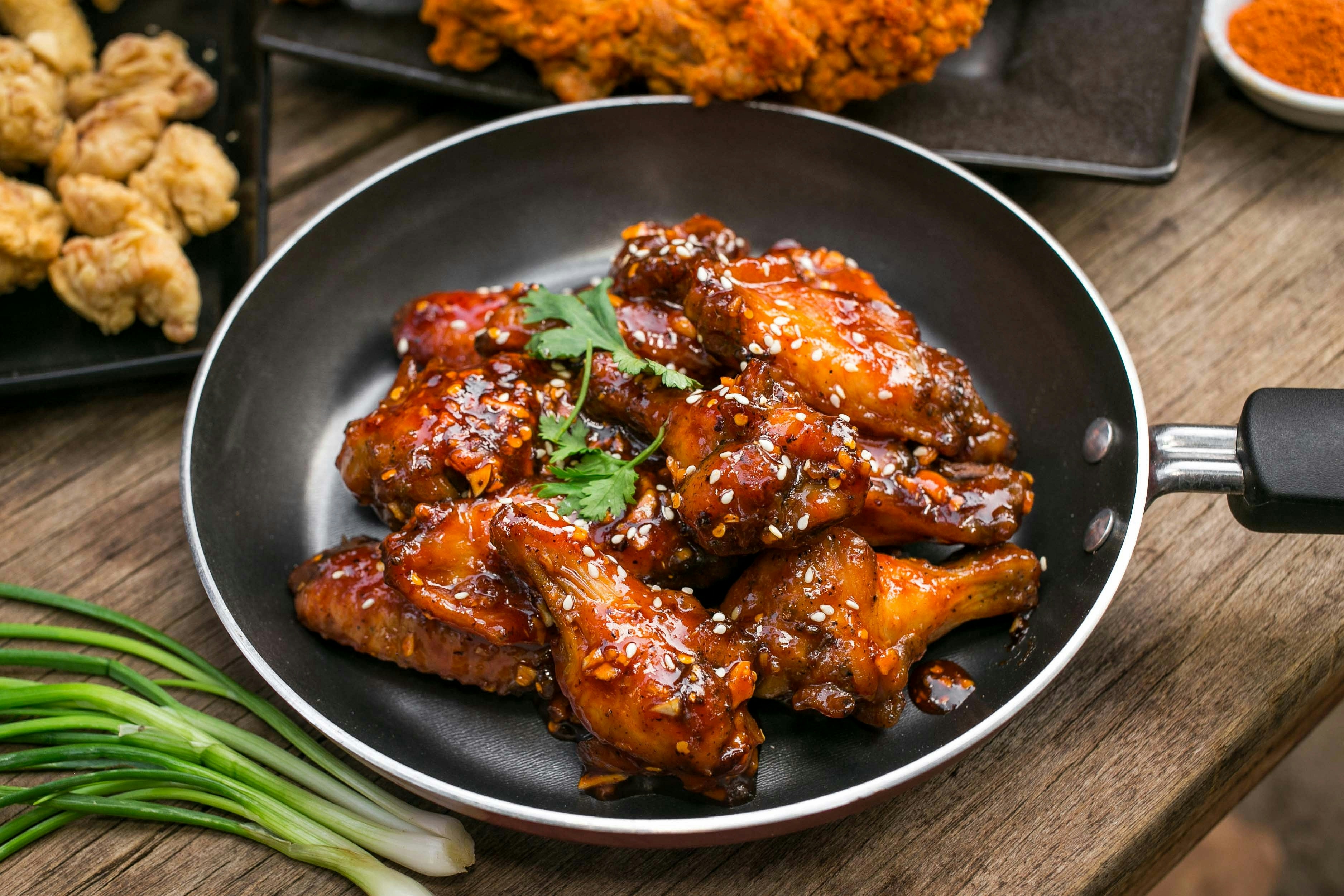
Photo by Jim Sosengphet on Unsplash
Popeyes teams with One Piece for a limited menu and merch drop, blending bold flavors with anime fandom to boost traffic and loyalty.
Apr 16, 2026
Photo by dedy kurniawan on Unsplash
A close look at Jersey Mike’s rapid expansion, leadership shift, and international push under Blackstone’s ownership.
Apr 16, 2026
Explore how Shake Shack's partnership with Serve Robotics and Uber Eats is revolutionizing the food delivery industry with sidewalk robot delivery.
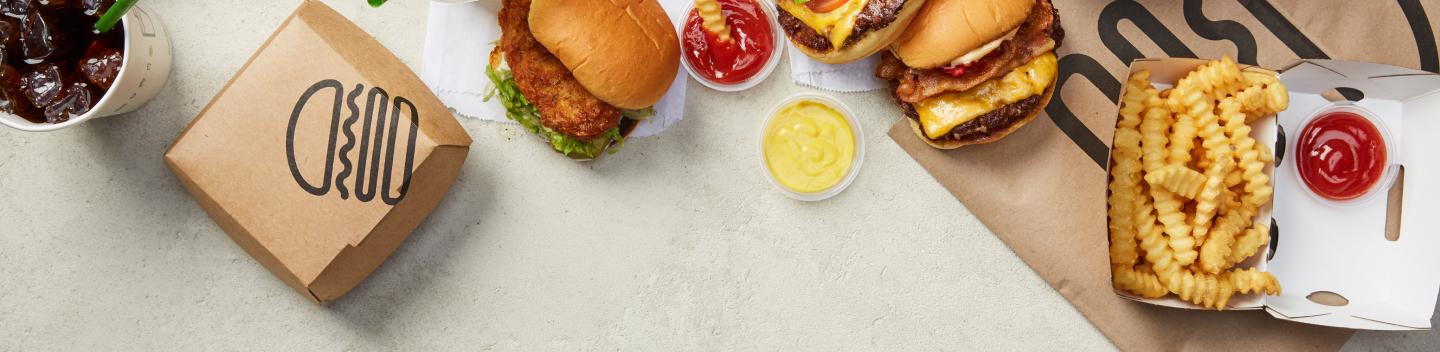
Shake Shack has embarked on an innovative journey by introducing sidewalk robot delivery in collaboration with Serve Robotics and Uber Eats. This strategic move signifies Shake Shack's commitment to leveraging cutting-edge technology to enhance the overall customer experience. By employing autonomous robots for food delivery, Shake Shack is at the forefront of revolutionizing the food industry landscape.
While the sidewalk robot delivery initiative with Serve Robotics marks a new chapter for Shake Shack, it is not the first instance where the burger chain has embraced autonomous delivery solutions. In a previous collaboration with Motional, Shake Shack utilized autonomous vehicles like the Ioniq 5 robotaxi for delivery operations in Las Vegas. This diversification in autonomous delivery solutions showcases Shake Shack's adaptability to different technological advancements.
Steph So, senior vice president of digital experience at Shake Shack, emphasized the importance of working with Uber and Serve Robotics to elevate guest experiences through innovation. The integration of autonomous delivery is predicted to drive customer satisfaction levels higher by providing quicker delivery times, increased order capacity, and a smoother overall experience. By embracing robotic technology, Shake Shack aims to meet customers where they are while upholding their core values of enlightened hospitality and high-quality ingredients.
The early pilots of robotic technology in Miami have already showcased tangible benefits for Shake Shack. Shorter delivery times, improved operational capacity, and enhanced throughput are among the operational advantages observed during the testing phase. Additionally, the implementation of autonomous delivery has resulted in reduced congestion of couriers at peak times, benefiting both customers receiving deliveries and those dining in-Shack.
Uber Eats' longstanding support for Serve Robotics and its notable stake in the company underline the significance of strategic partnerships in fostering innovation. This collaboration has not only enabled Shake Shack to introduce sidewalk robot delivery but also paved the way for Serve Robotics to expand its operations geographically and venture into new partnerships. The synergies between Uber Eats, Serve Robotics, and Shake Shack highlight the value of cohesive partnerships in driving technological advancement within the food delivery sector.
Serve Robotics' ambitious goal of deploying a fleet of 2,000 delivery robots by 2025, in partnership with Uber and expanding into new territories, reflects the growing trend towards autonomous delivery solutions. The addition of Shake Shack to their platform signifies a significant milestone in their journey, showcasing the scalability and potential of their world-class partnerships. As the landscape of food delivery evolves, autonomous solutions are poised to become integral components of the industry's future strategies.