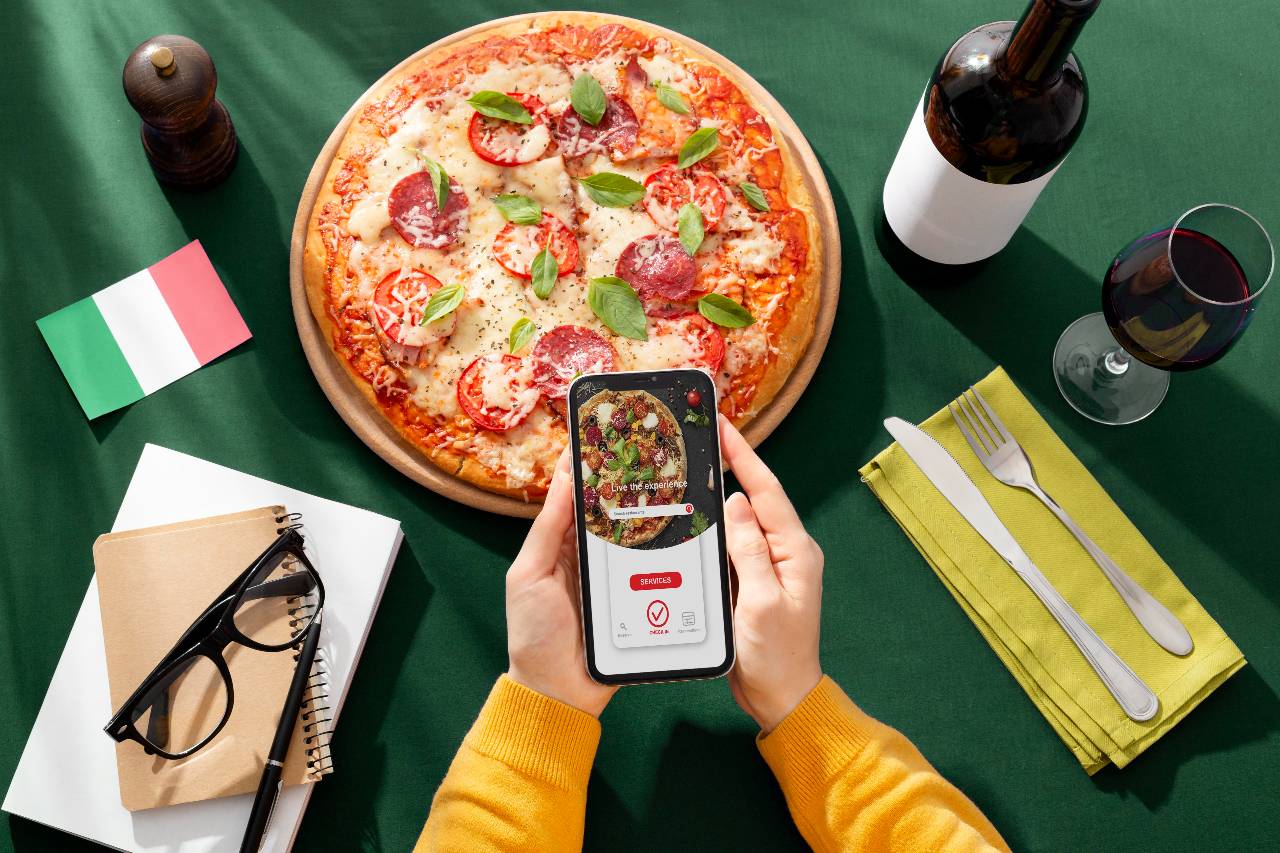
Best Restaurant Marketing Ideas for 2026
This guide outlines restaurant marketing ideas that help operators attract nearby customers, convert demand faster, and strengthen long-term retention.
marketing ideas
Apr 16, 2026
This guide outlines restaurant marketing ideas that help operators attract nearby customers, convert demand faster, and strengthen long-term retention.
Apr 16, 2026

A clear host training process helps restaurants manage greetings, waitlists, reservations, seating decisions, and guest communication more consistently.
Apr 15, 2026
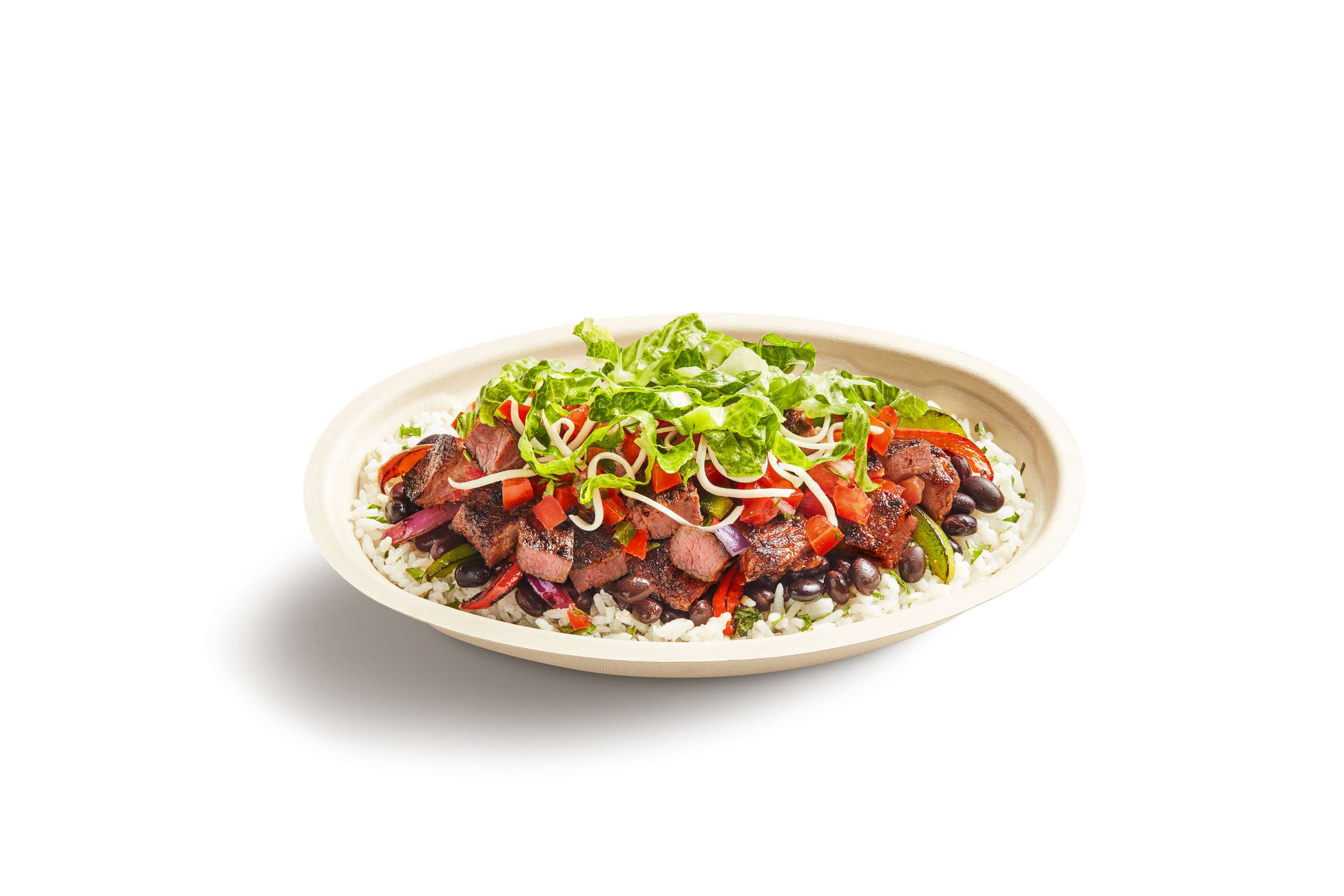
Chipotle reshapes loyalty with Rewards on Repeat, blending in-store promotions, staff incentives, and simpler redemption to boost traffic.
Apr 16, 2026

Photo by Salah Ait Mokhtar on Unsplash
A refined look at Papa Murphy’s strategy as MTY guides a cautious turnaround amid a crowded pizza landscape—digital play, local marketing, and a new Detroit-style offering.
Apr 16, 2026
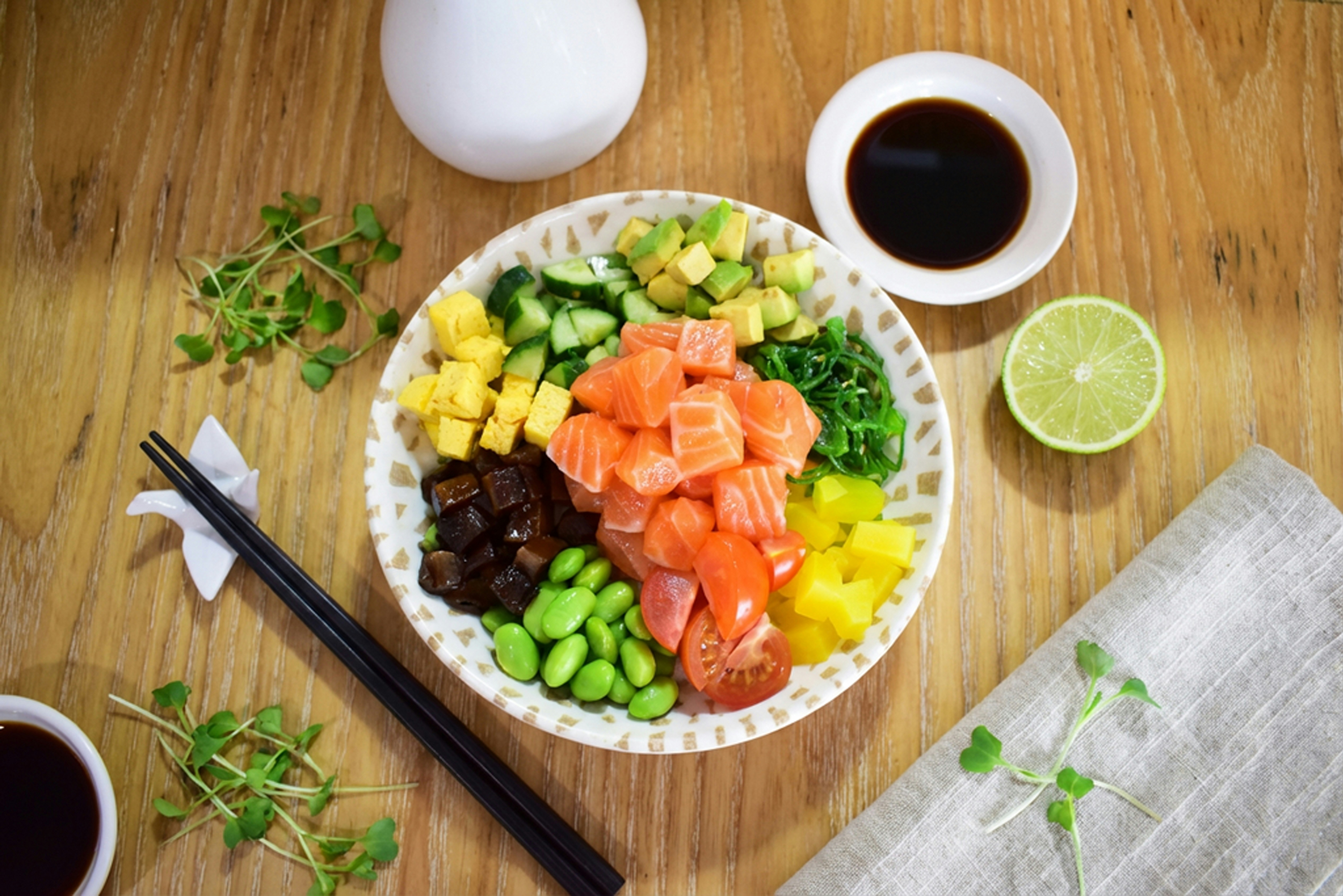
Photo by Sergio Mena Ferreira on Unsplash
Mo’ Bettahs leaves Kansas City as it pivots to a PE-backed national expansion to Phoenix, Indianapolis, and Minneapolis.
Apr 16, 2026

Photo by Kate Trysh on Unsplash
Applebee’s O-M-Cheese Burger fuses spectacle with value, driving social buzz and foot traffic—a signal for the skillet-cheese moment in casual dining.
Apr 16, 2026

Photo by Diego Mattevi on Unsplash
GoTo Foods taps Misra and Lambert to harmonize digital momentum with disciplined development across seven brands, aiming for stronger guest experiences and franchisee economics.
Apr 16, 2026
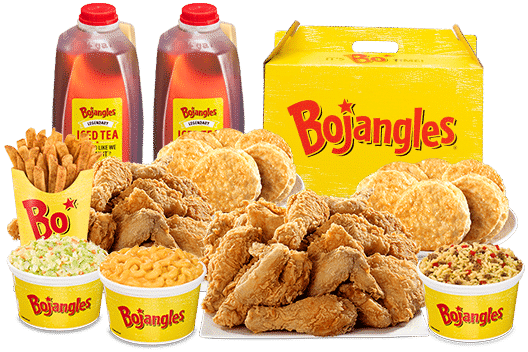
Bojangles launches Bo’s Chicken Rippers in an eight-week pilot, turning bites into a hands-on, sauce-forward experience with interactive, tear-apart slabs.
Apr 16, 2026
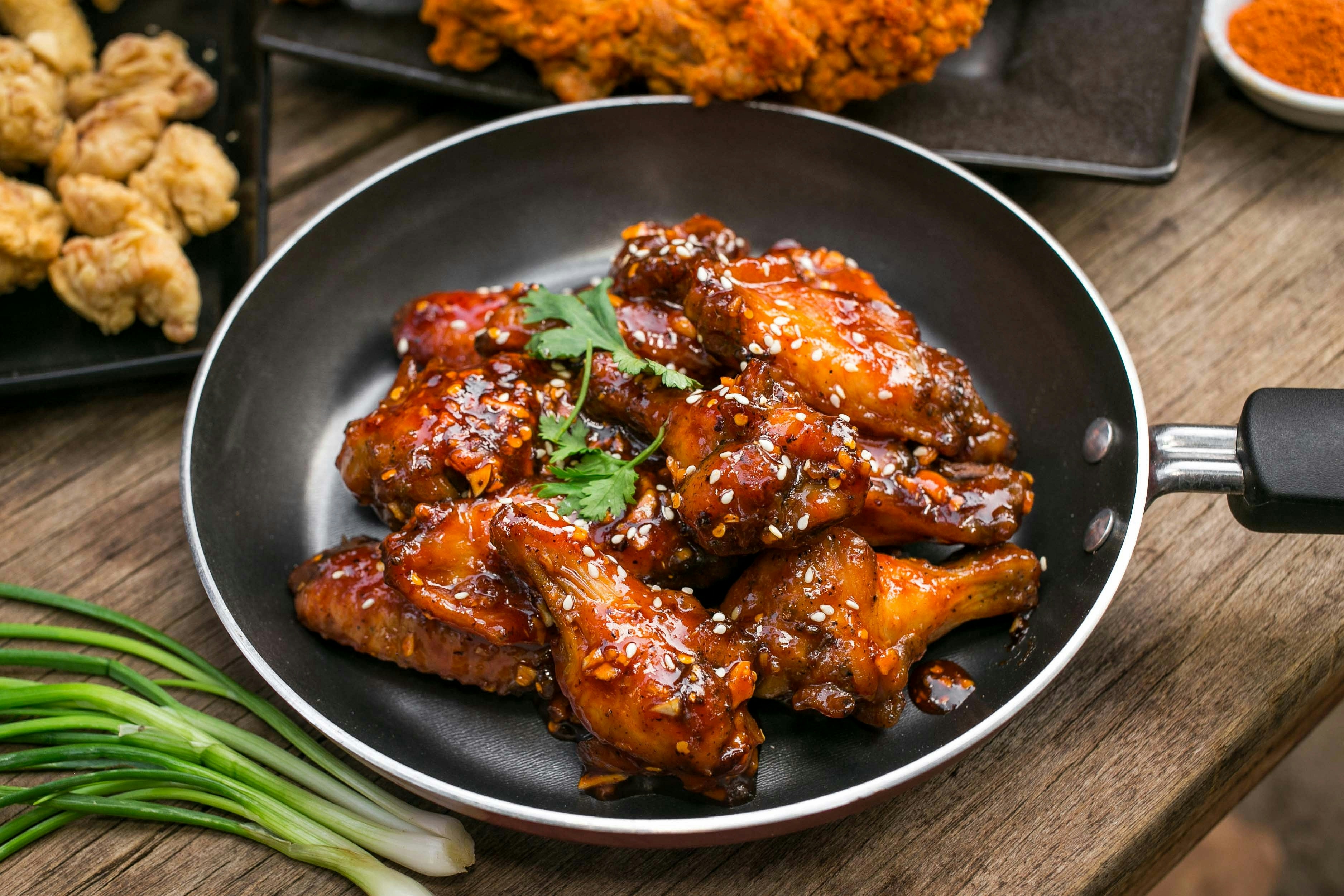
Photo by Jim Sosengphet on Unsplash
Popeyes teams with One Piece for a limited menu and merch drop, blending bold flavors with anime fandom to boost traffic and loyalty.
Apr 16, 2026
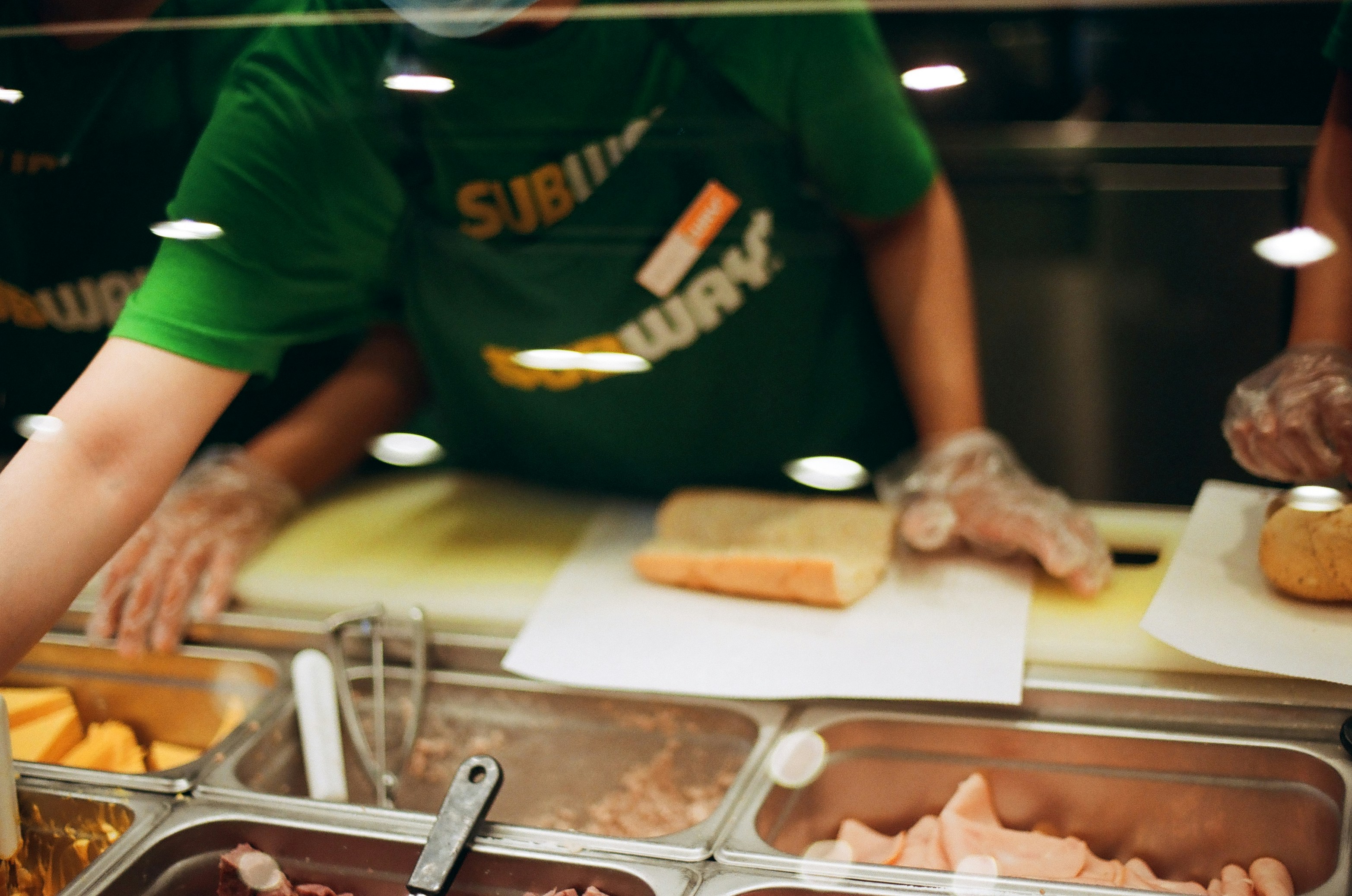
Photo by dedy kurniawan on Unsplash
A close look at Jersey Mike’s rapid expansion, leadership shift, and international push under Blackstone’s ownership.
Apr 16, 2026
Explore how AI voice strategy choices between humanization and transparency influence drive-thru customer experience, operational efficiency, and brand perception in the QSR industry.

Photo by Europeana on Unsplash
Humanizing AI interactions through natural-sounding voices, regional accents, or celebrity personas plays a crucial role in replicating the warmth of human interactions at drive-thrus. By adopting familiar voices, QSR brands can enhance customer comfort and reinforce their local or brand identity. For example, Lee’s Famous Recipe Chicken integrated a voice reminiscent of local sports icon Keith Byars, effectively boosting community engagement and creating a personalized experience for customers. Wendy’s collaboration with Google Cloud to develop “FreshAI” showcases how brands can leverage conversational AI to deliver engaging interactions at the drive-thru, nurturing a sense of connection with customers.
On the other hand, transparency in AI voice strategy emphasizes distinctiveness from human interactions by using slightly robotic yet friendly voices. Brands like Bojangles have implemented assistants like “Bo Linda,” intentionally designed to sound like an AI system to ensure customers recognize and trust the technology. Transparent AI interactions build credibility through clarity, managing customer expectations and fostering forgiveness for any occasional errors. While transparency sacrifices some emotional engagement offered by human-like voices, it aligns with operational efficiency and guest expectations, establishing a foundation of trust and honesty in communication.
Choosing the right voice strategy is pivotal as it directly impacts operational metrics and customer perception. Voice tone not only influences emotional engagement but also plays a significant role in throughput and efficiency. For instance, adjusting the speed of speech to be slightly faster, resembling a fast-forward effect, has shown to prompt quicker responses from customers, ultimately reducing ordering time and enhancing flow-through efficiency. These nuanced decisions in tone and pacing can lead to substantial improvements across multiple drive-thru locations, optimizing the overall customer experience.
Digital leaders and decision-makers in large QSR chains should closely align their voice strategy with brand positioning, emphasizing either approachability and familiarity or clarity and consistency. Understanding customer demographics and operational data is essential in making informed decisions regarding AI voice interactions. Continuous testing, measurement, and adaptation based on guest feedback are imperative in refining the chosen approach. Whether focusing on humanization or transparency, the AI voice strategy significantly impacts operational efficiency, customer satisfaction, and brand strength, shaping the overall drive-thru experience.
Beyond the tone of voice, AI interactions can serve as a strategic asset for drive-thru operations by tailoring voice characteristics based on factors like daypart, dual-lane customizations, or personalizing interactions for repeat customers. Thoughtfully aligning AI interactions with clear guest expectations and brand identity can propel superior performance and foster customer loyalty. Leaders who leverage AI voice technology effectively in drive-thru operations stand to differentiate their brand, optimize operational metrics, and elevate the overall customer experience.