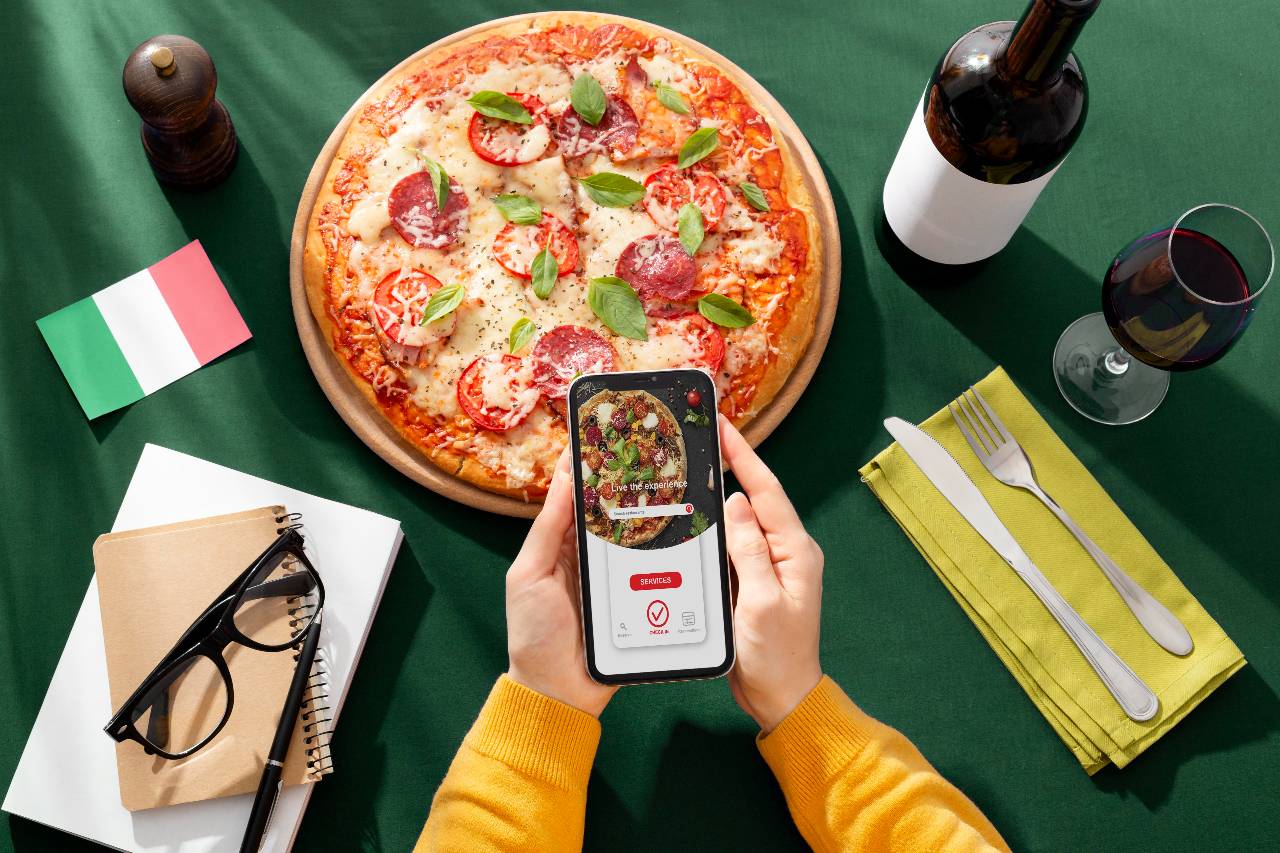
Best Restaurant Marketing Ideas for 2026
This guide outlines restaurant marketing ideas that help operators attract nearby customers, convert demand faster, and strengthen long-term retention.
marketing ideas
Apr 16, 2026
This guide outlines restaurant marketing ideas that help operators attract nearby customers, convert demand faster, and strengthen long-term retention.
Apr 16, 2026
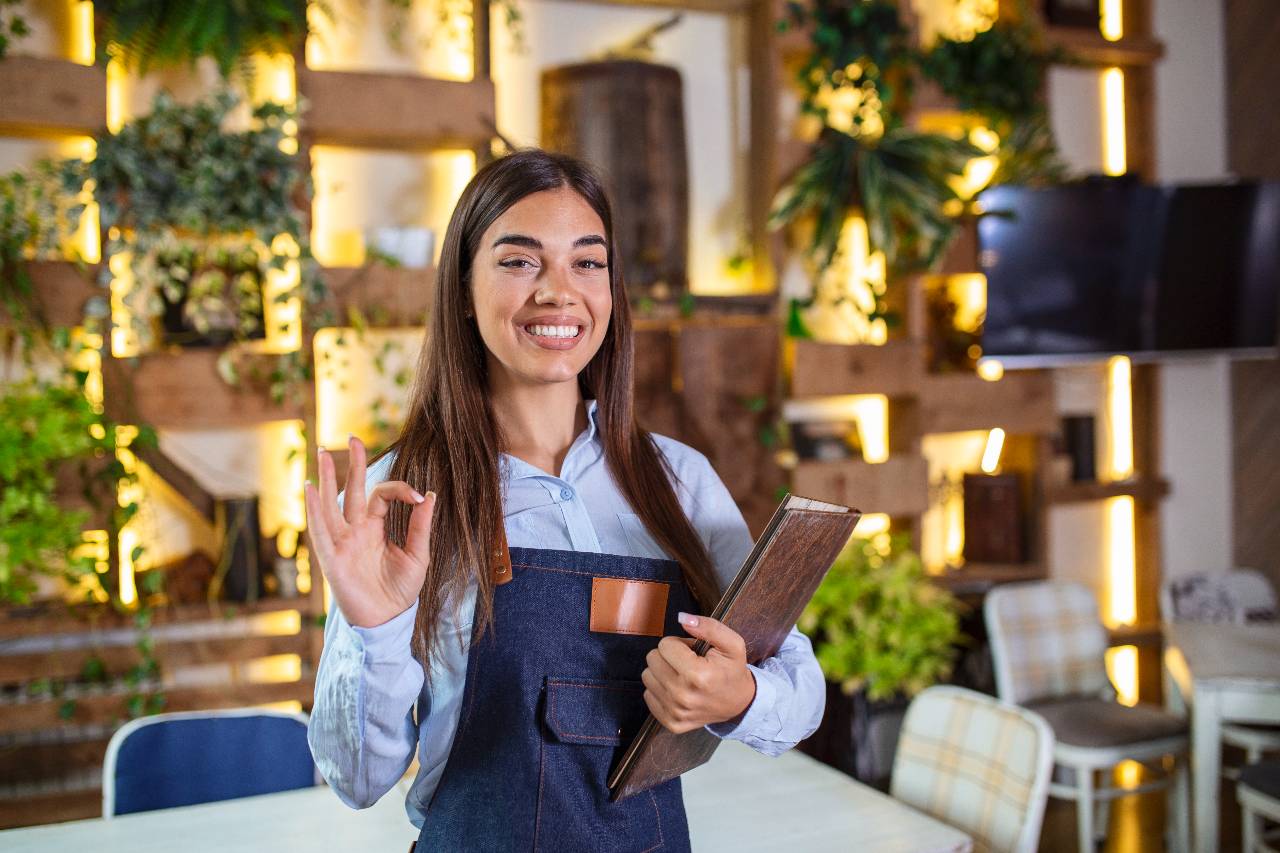
A clear host training process helps restaurants manage greetings, waitlists, reservations, seating decisions, and guest communication more consistently.
Apr 15, 2026
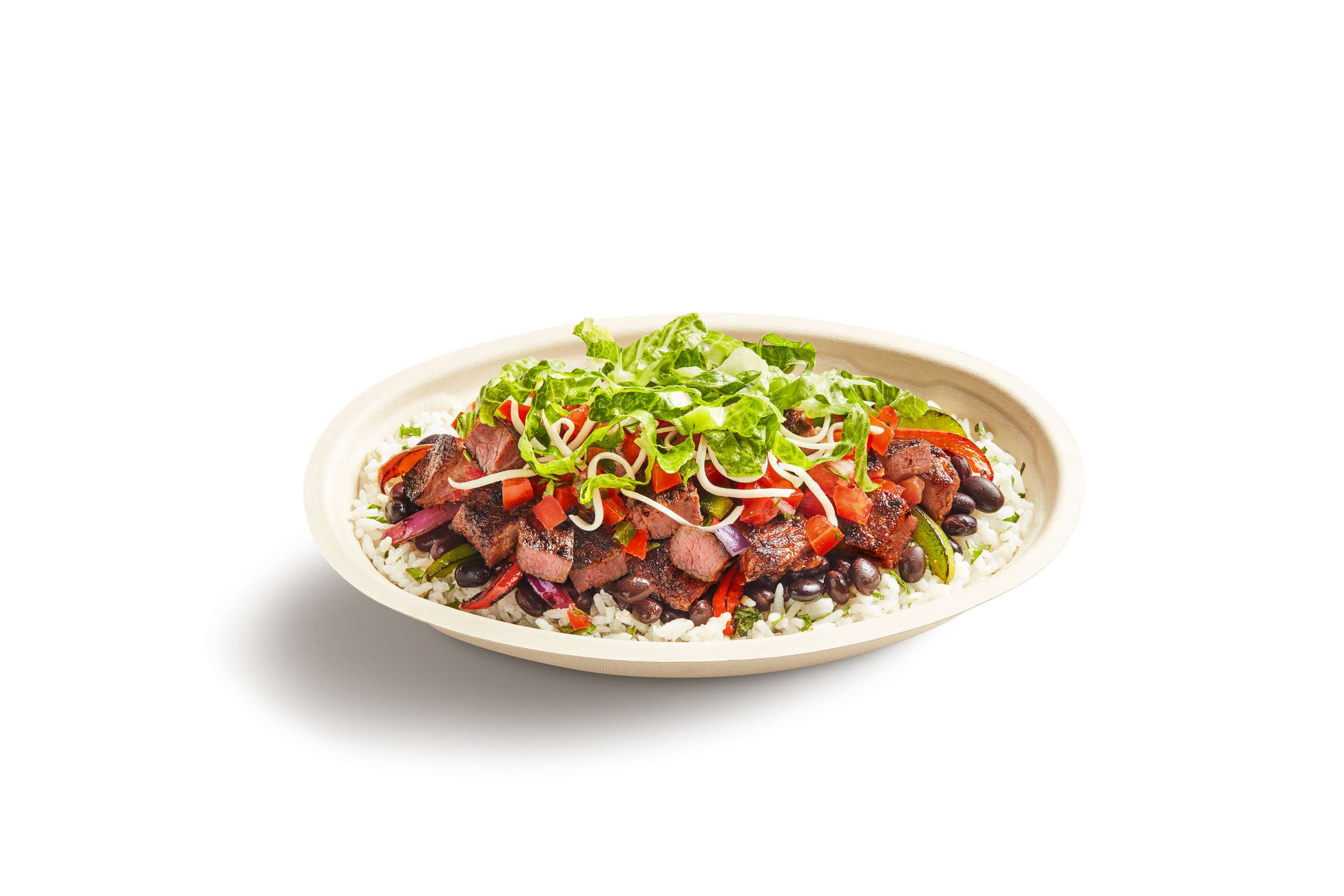
Chipotle reshapes loyalty with Rewards on Repeat, blending in-store promotions, staff incentives, and simpler redemption to boost traffic.
Apr 16, 2026
Photo by Salah Ait Mokhtar on Unsplash
A refined look at Papa Murphy’s strategy as MTY guides a cautious turnaround amid a crowded pizza landscape—digital play, local marketing, and a new Detroit-style offering.
Apr 16, 2026
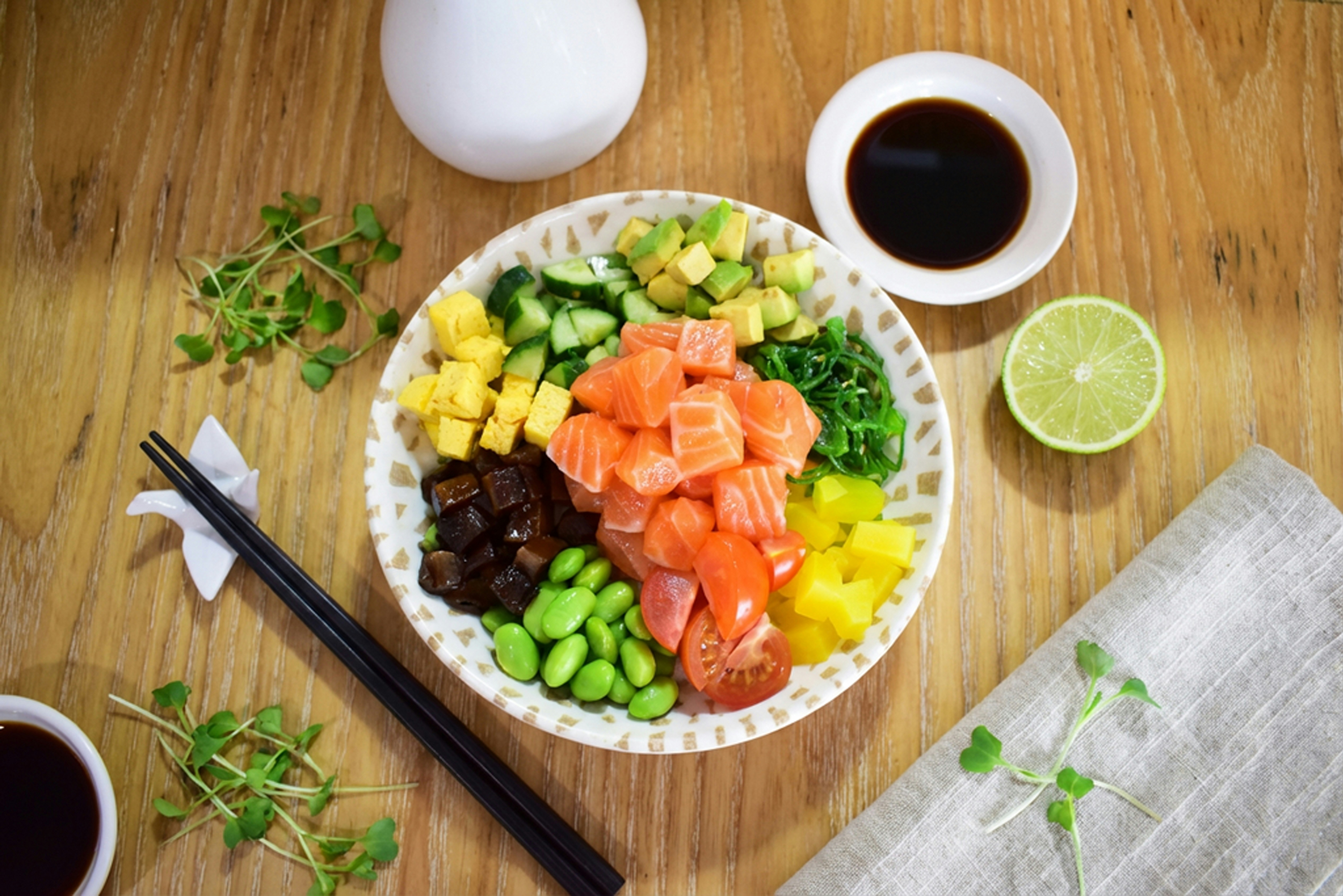
Photo by Sergio Mena Ferreira on Unsplash
Mo’ Bettahs leaves Kansas City as it pivots to a PE-backed national expansion to Phoenix, Indianapolis, and Minneapolis.
Apr 16, 2026

Photo by Kate Trysh on Unsplash
Applebee’s O-M-Cheese Burger fuses spectacle with value, driving social buzz and foot traffic—a signal for the skillet-cheese moment in casual dining.
Apr 16, 2026
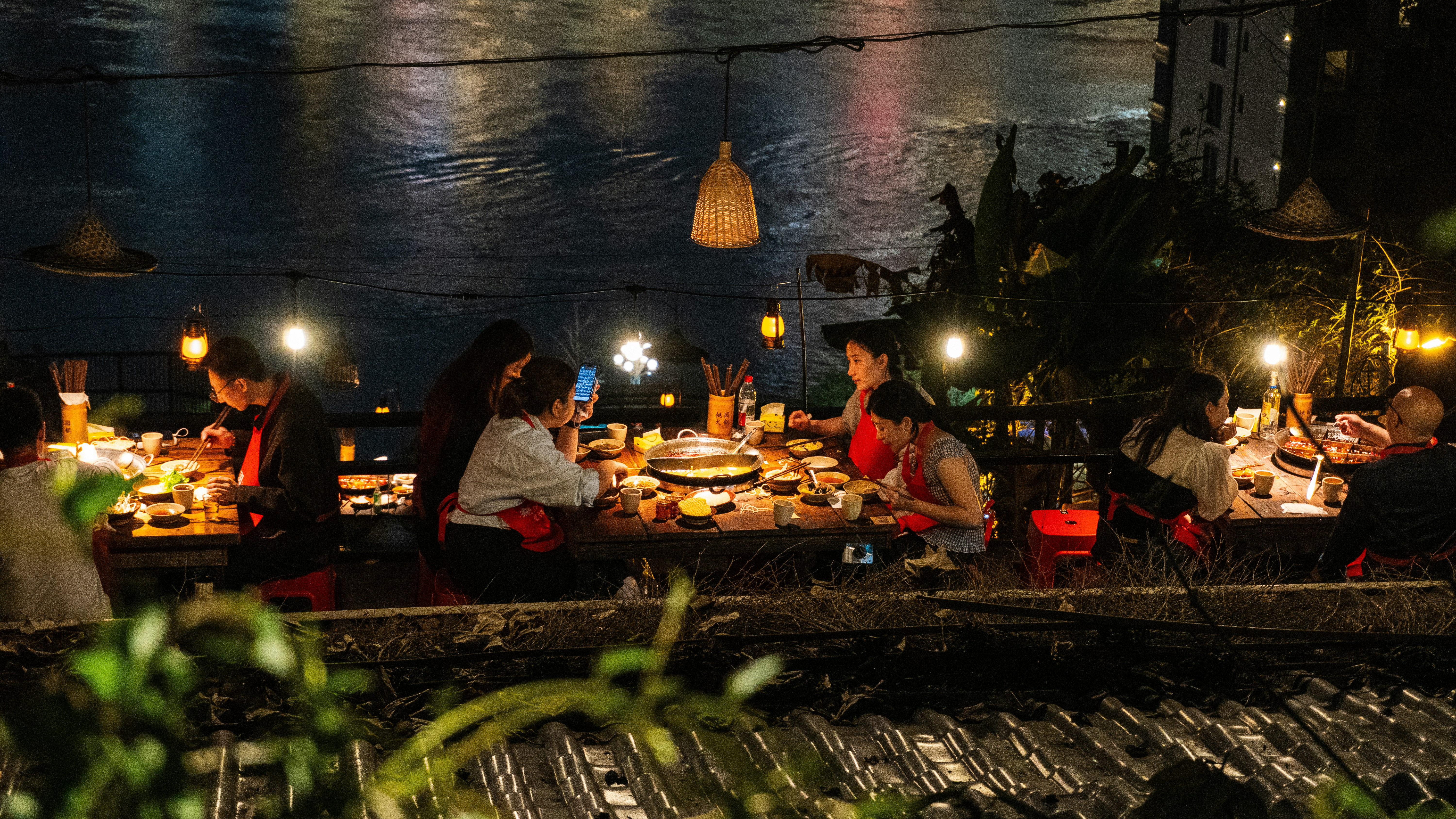
Photo by Diego Mattevi on Unsplash
GoTo Foods taps Misra and Lambert to harmonize digital momentum with disciplined development across seven brands, aiming for stronger guest experiences and franchisee economics.
Apr 16, 2026
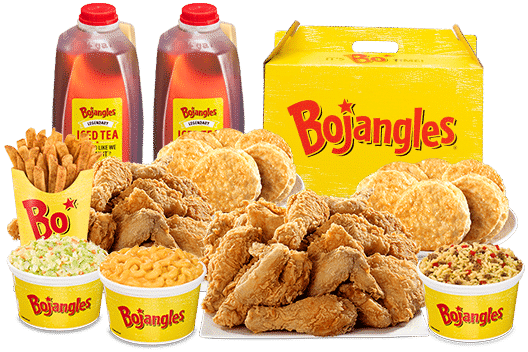
Bojangles launches Bo’s Chicken Rippers in an eight-week pilot, turning bites into a hands-on, sauce-forward experience with interactive, tear-apart slabs.
Apr 16, 2026
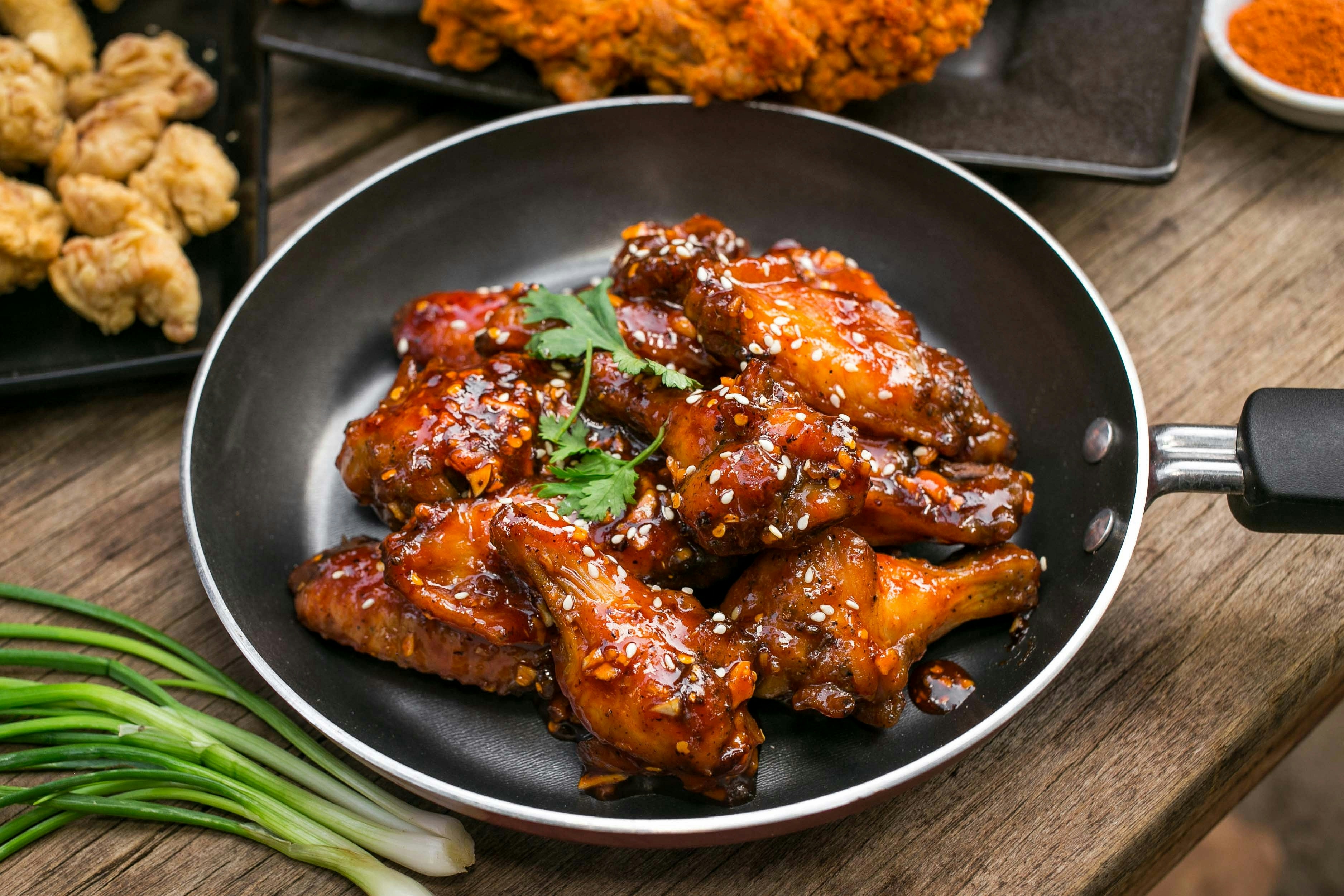
Photo by Jim Sosengphet on Unsplash
Popeyes teams with One Piece for a limited menu and merch drop, blending bold flavors with anime fandom to boost traffic and loyalty.
Apr 16, 2026
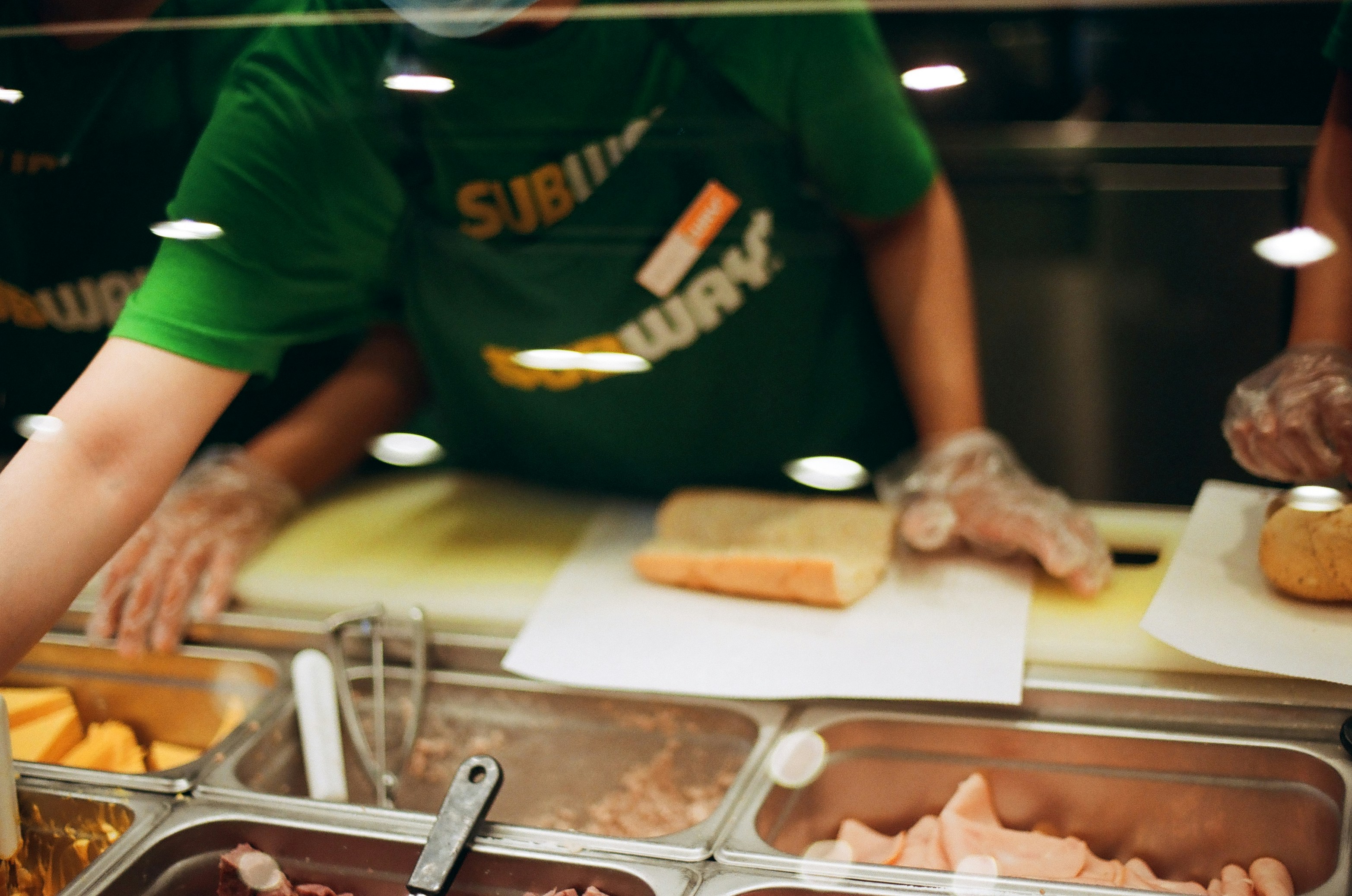
Photo by dedy kurniawan on Unsplash
A close look at Jersey Mike’s rapid expansion, leadership shift, and international push under Blackstone’s ownership.
Apr 16, 2026
Explore the growth of eatertainment chains in the U.S. post-pandemic, focusing on experiential dining and advanced Batting Technology.

Photo by Alex Pudov on Unsplash

Photo by Alex Pudov on Unsplash
In the wake of the pandemic, consumer preferences have shifted towards seeking more than just a meal when dining out. This shift has fueled the rapid expansion of eatertainment chains across the United States. These establishments offer customers a unique blend of entertainment and dining, creating memorable experiences that go beyond traditional restaurant settings. A prime example of this trend is the success of Home Run Dugout, a pioneering eatertainment chain that opened its flagship location in Katy, Texas.

Photo by Alex Pudov on Unsplash
The post-pandemic era has witnessed a surge in demand for experiential dining concepts, where customers can engage in interactive and immersive activities while enjoying their meals. Eatertainment chains have capitalized on this trend by incorporating cutting-edge technologies and unique entertainment options to differentiate themselves in a competitive market. Home Run Dugout's introduction of advanced Batting Bays, complete with high-tech pitching machines and projection screens, exemplifies this innovative approach to dining.

Photo by Alex Pudov on Unsplash
One of the key attractions of eatertainment chains like Home Run Dugout is their groundbreaking Batting Technology. By combining elements of traditional batting cages with modern advancements like cageless batting and immersive stadium simulations, these venues offer guests an unparalleled baseball experience. The use of projection screens to recreate the feeling of hitting home runs in major baseball stadiums adds a thrilling aspect to the dining experience, making it more engaging and interactive.
Photo by Alex Pudov on Unsplash
According to industry experts like Brian McGuire, the appeal of experiential offerings at eatertainment chains significantly enhances customer engagement and drives revenue. The success of Batting Bays at Home Run Dugout, which reportedly outperform traditional entertainment options like Topgolf bays, underscores the lucrative potential of blending dining with interactive experiences. Customers are drawn to the unique entertainment value provided by Batting Technology, leading to increased foot traffic and higher average unit volumes for these establishments.

Photo by Alex Pudov on Unsplash
As the popularity of eatertainment chains continues to soar, competitors are entering the market with their own immersive dining concepts. One such contender is Batbox, a Mexico-based chain that plans to establish a significant presence in the U.S. by 2030. Like Home Run Dugout, Batbox utilizes simulators for its batting experiences, offering customers a similar yet distinct form of entertainment. This growing competition underscores the appeal and profitability of combining dining with interactive leisure activities in the evolving landscape of the hospitality industry.