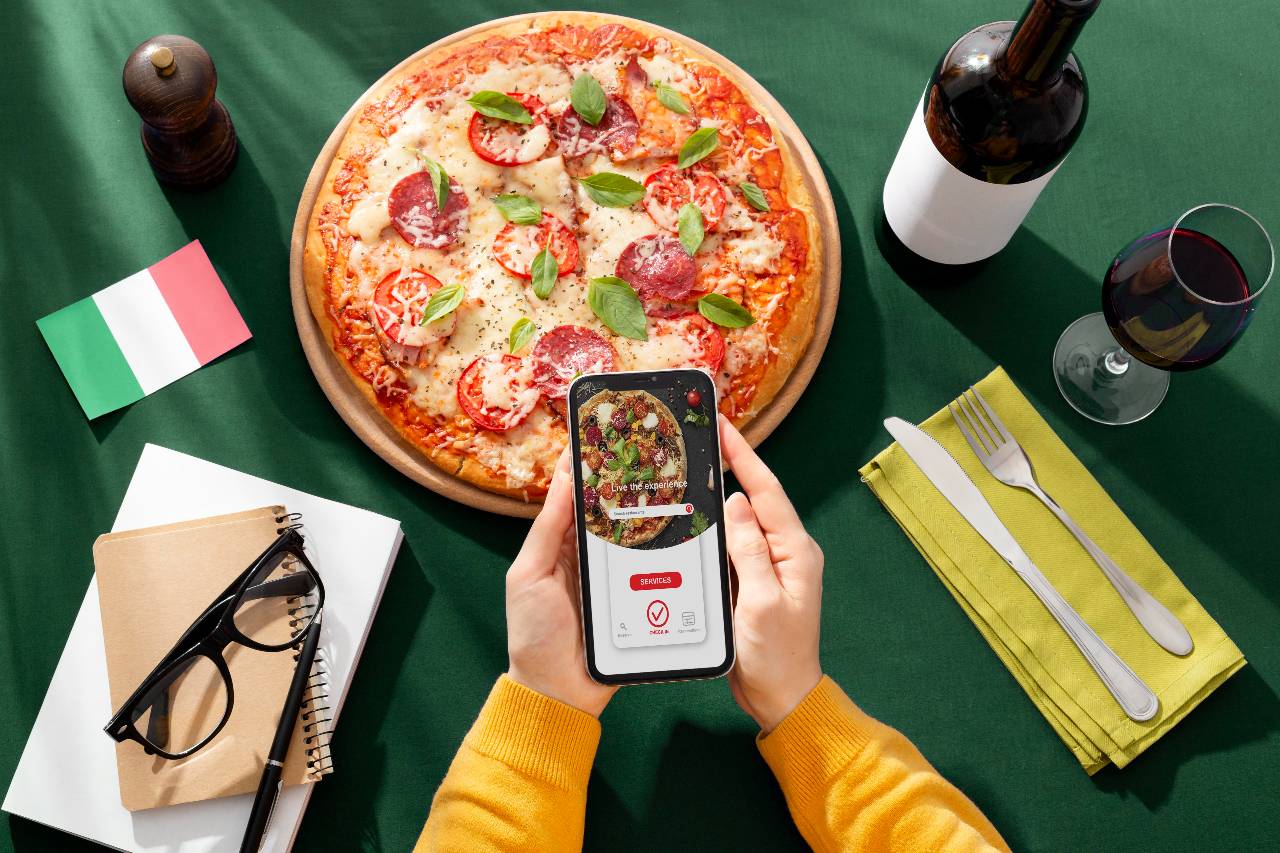
Best Restaurant Marketing Ideas for 2026
This guide outlines restaurant marketing ideas that help operators attract nearby customers, convert demand faster, and strengthen long-term retention.
marketing ideas
Apr 16, 2026
This guide outlines restaurant marketing ideas that help operators attract nearby customers, convert demand faster, and strengthen long-term retention.
Apr 16, 2026

A clear host training process helps restaurants manage greetings, waitlists, reservations, seating decisions, and guest communication more consistently.
Apr 15, 2026
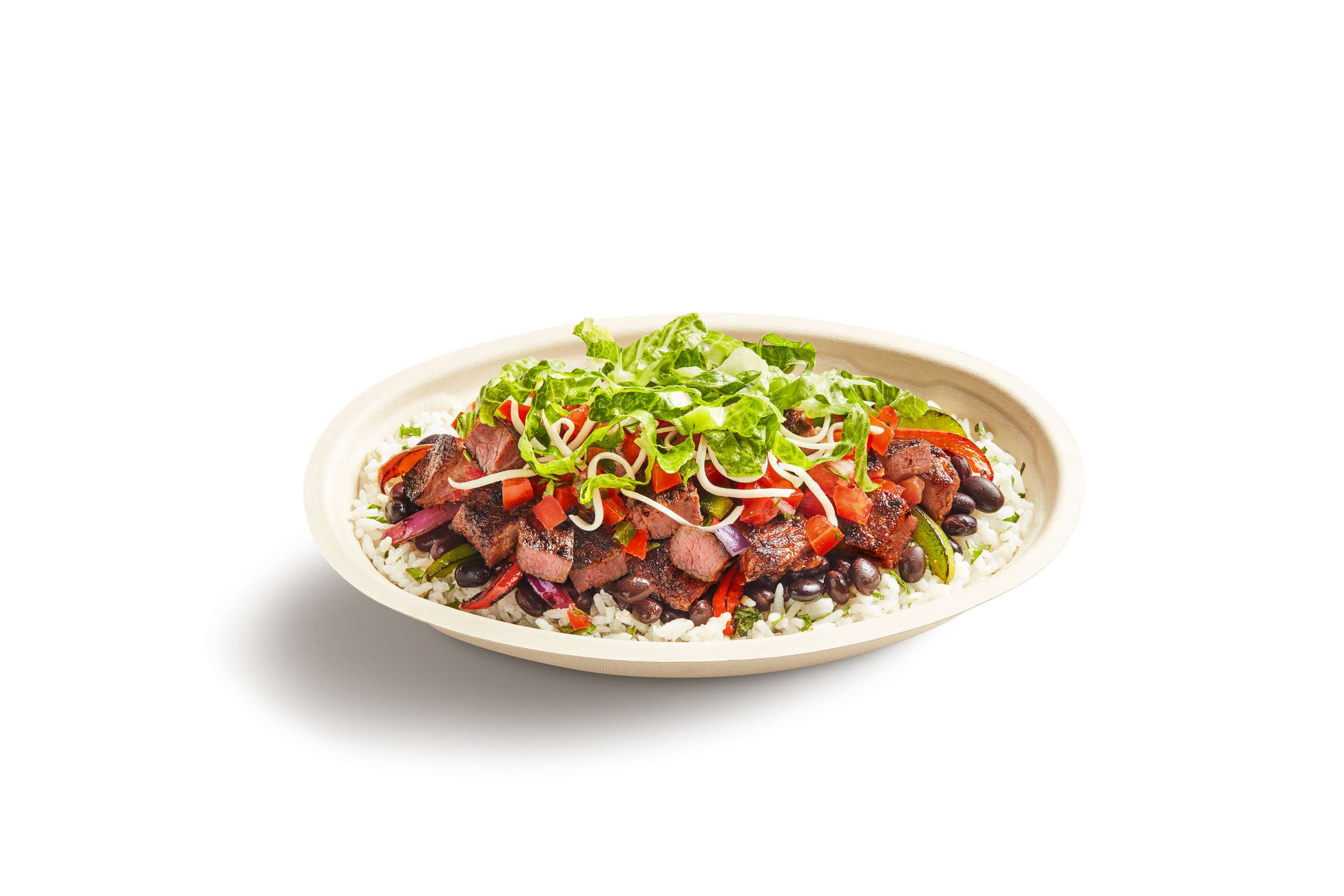
Chipotle reshapes loyalty with Rewards on Repeat, blending in-store promotions, staff incentives, and simpler redemption to boost traffic.
Apr 16, 2026
Photo by Salah Ait Mokhtar on Unsplash
A refined look at Papa Murphy’s strategy as MTY guides a cautious turnaround amid a crowded pizza landscape—digital play, local marketing, and a new Detroit-style offering.
Apr 16, 2026

Photo by Sergio Mena Ferreira on Unsplash
Mo’ Bettahs leaves Kansas City as it pivots to a PE-backed national expansion to Phoenix, Indianapolis, and Minneapolis.
Apr 16, 2026

Photo by Kate Trysh on Unsplash
Applebee’s O-M-Cheese Burger fuses spectacle with value, driving social buzz and foot traffic—a signal for the skillet-cheese moment in casual dining.
Apr 16, 2026

Photo by Diego Mattevi on Unsplash
GoTo Foods taps Misra and Lambert to harmonize digital momentum with disciplined development across seven brands, aiming for stronger guest experiences and franchisee economics.
Apr 16, 2026
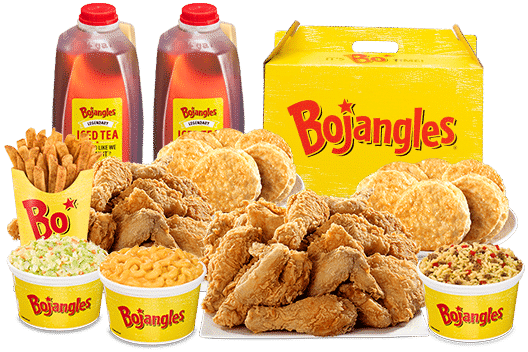
Bojangles launches Bo’s Chicken Rippers in an eight-week pilot, turning bites into a hands-on, sauce-forward experience with interactive, tear-apart slabs.
Apr 16, 2026
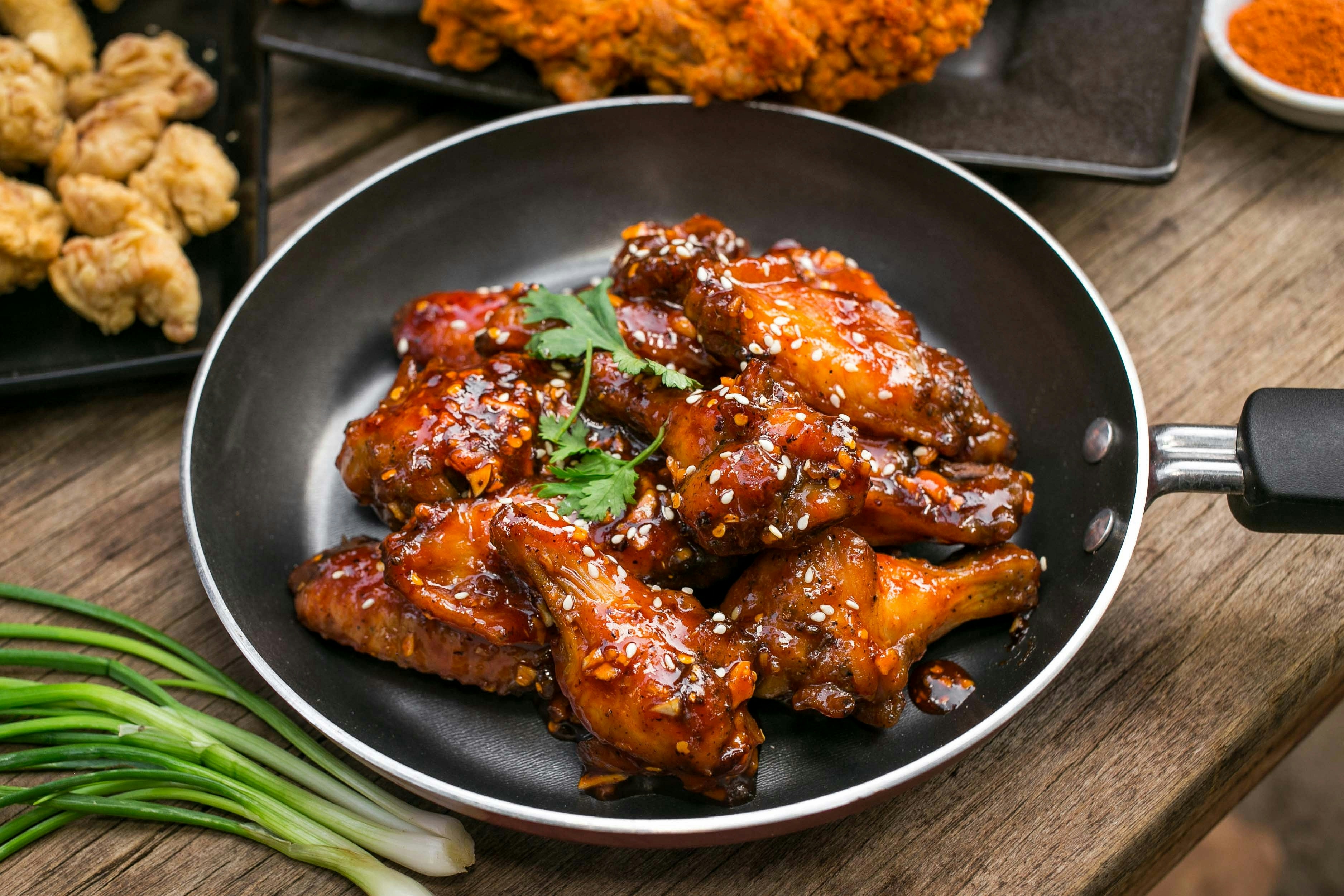
Photo by Jim Sosengphet on Unsplash
Popeyes teams with One Piece for a limited menu and merch drop, blending bold flavors with anime fandom to boost traffic and loyalty.
Apr 16, 2026
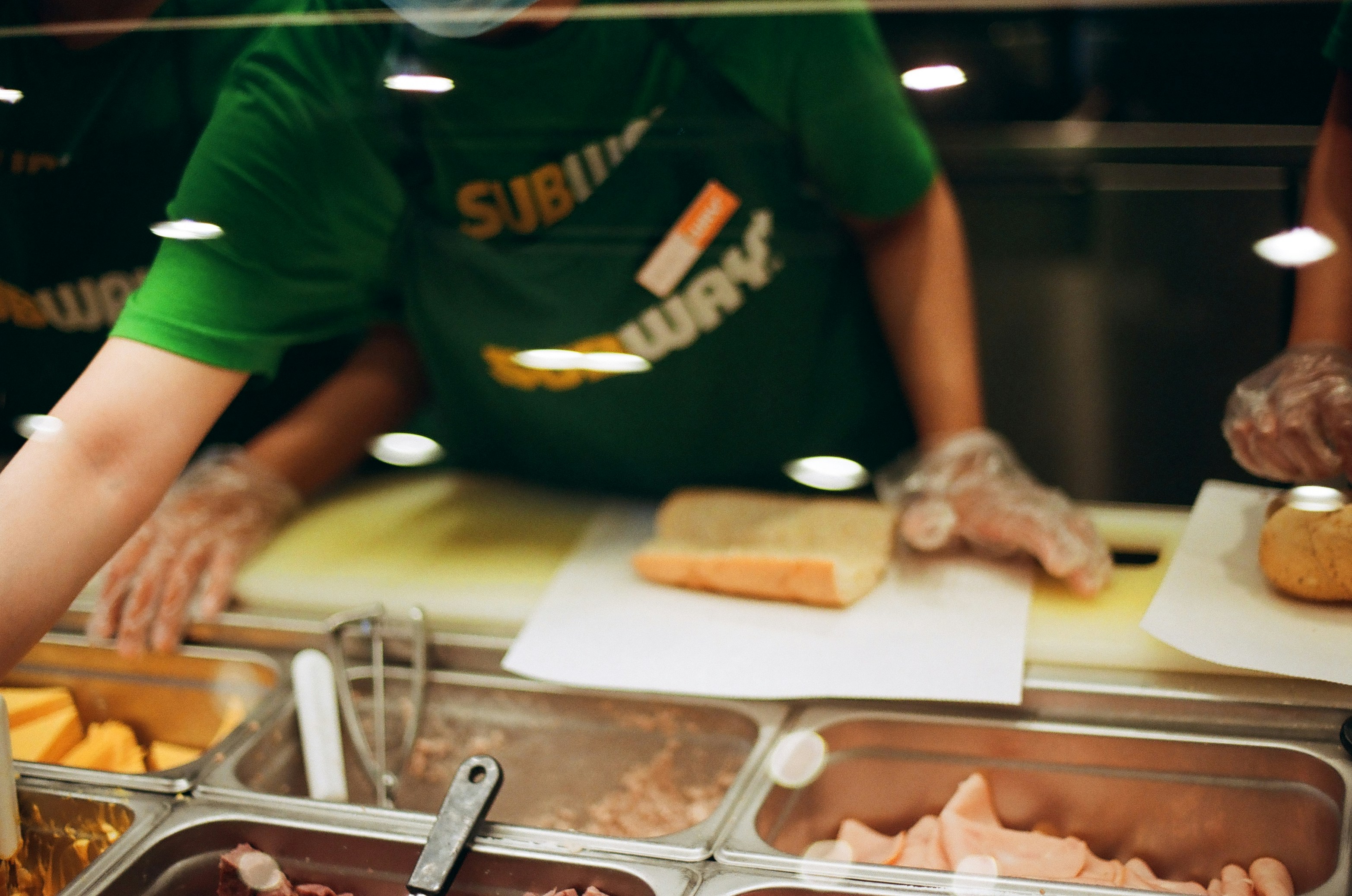
Photo by dedy kurniawan on Unsplash
A close look at Jersey Mike’s rapid expansion, leadership shift, and international push under Blackstone’s ownership.
Apr 16, 2026
Explore the impact of technology in the restaurant industry, from AI implementation to IT leadership changes, and how they are transforming customer experiences.
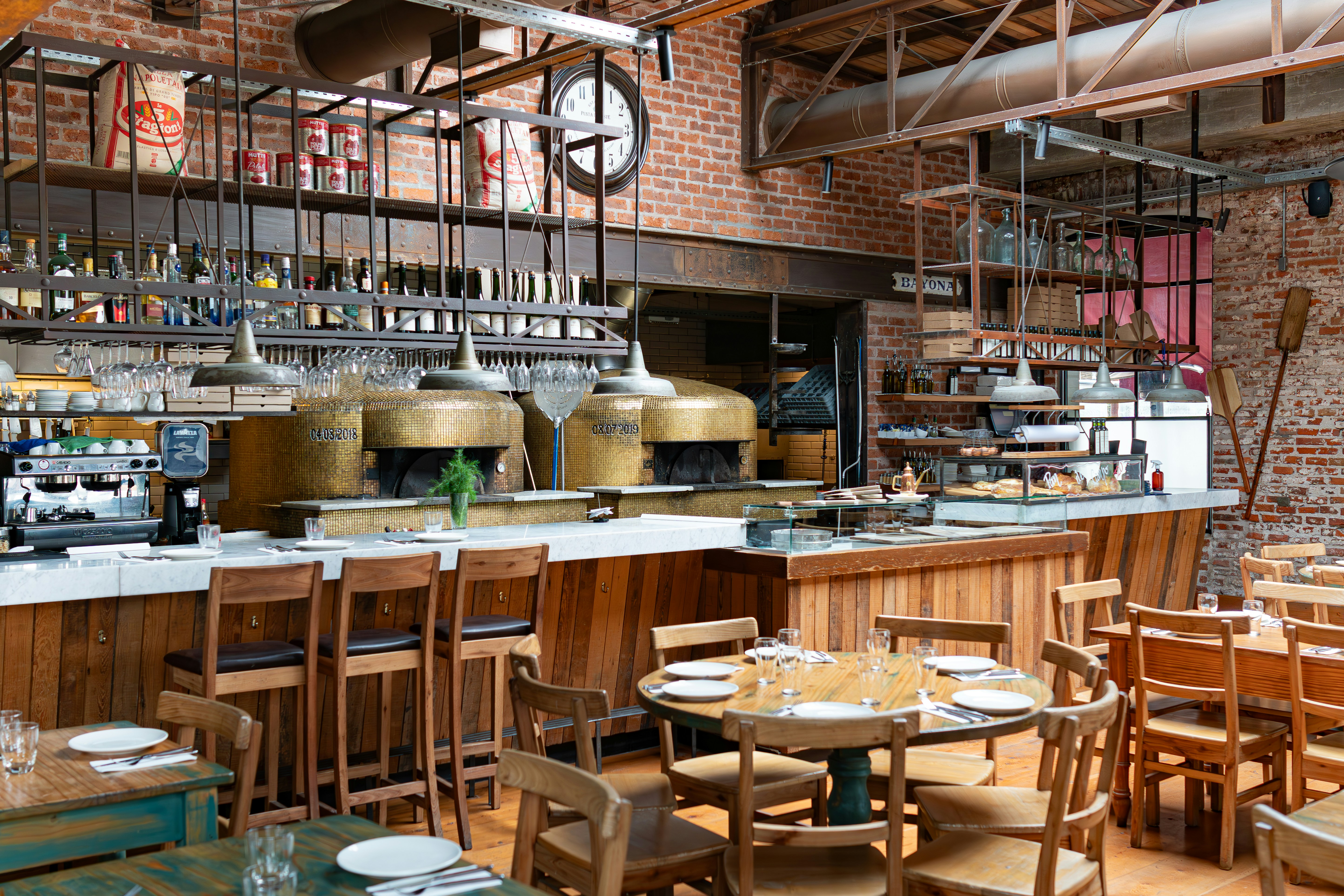
Photo by Sergio Arteaga on Unsplash
Photo by Sergio Arteaga on Unsplash
Amid challenging times for the restaurant industry, many chains are turning to technology to enhance operations and stay competitive. Companies like Bloomin’ Brands are embracing AI to streamline processes and elevate customer experiences. AI-powered solutions can help in optimizing menu offerings, personalized marketing, efficient order processing, and predictive analytics for better decision-making. By leveraging AI, restaurants can gain valuable insights into consumer preferences and behavior, leading to improved service and increased customer loyalty.
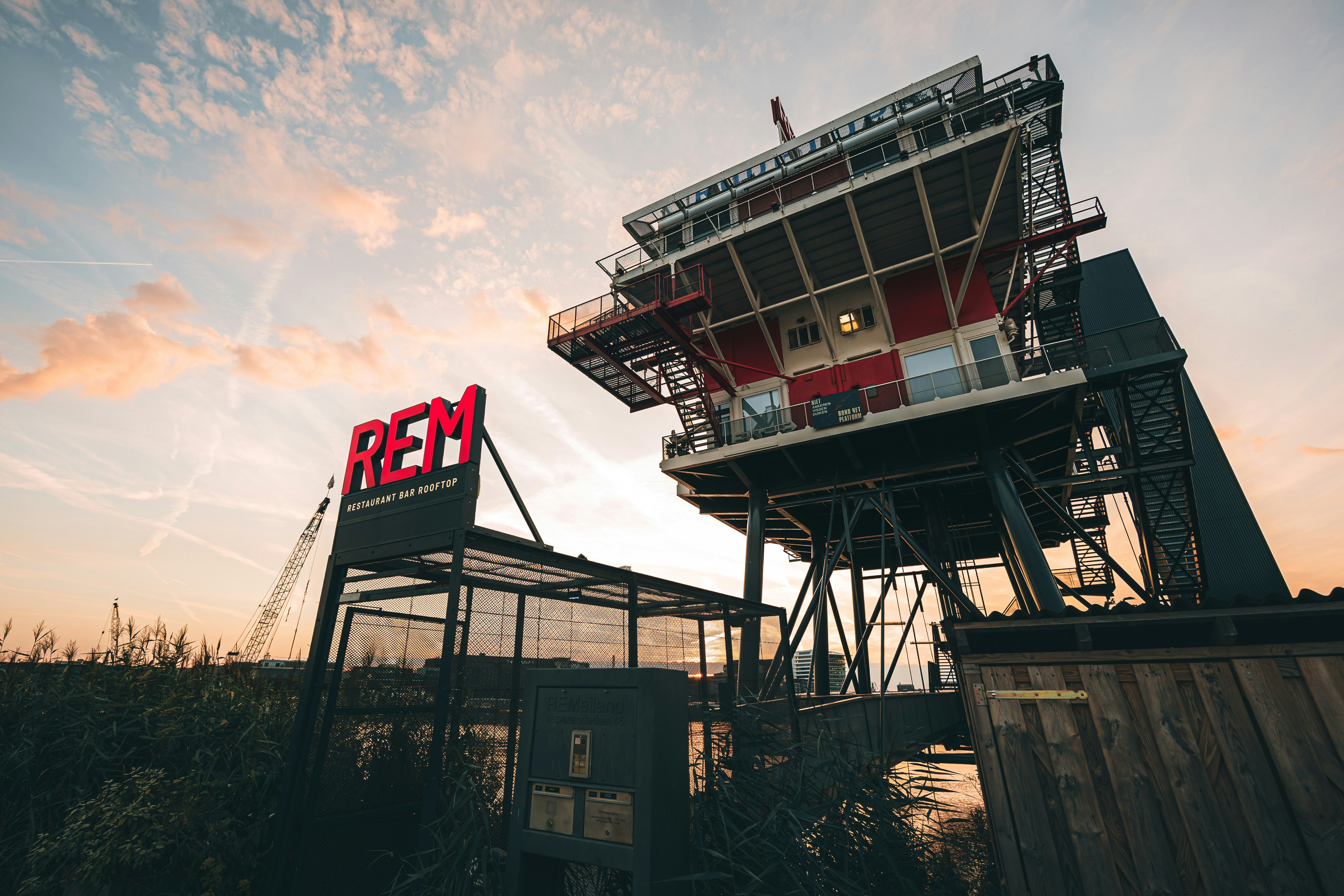
Photo by Sergio Arteaga on Unsplash
The integration of AI and new point of sale systems is not only benefiting customers but also transforming the way employees engage with their work. These technological advancements enable restaurants to provide personalized recommendations to diners, reduce waiting times, and improve overall service quality. Moreover, AI-driven insights can empower staff by simplifying tasks, automating routine processes, and fostering a more efficient workflow. This results in enhanced productivity, job satisfaction, and ultimately, better customer satisfaction.
The recent wave of IT leadership changes within major restaurant chains signifies a strategic shift towards prioritizing digital innovation and technology integration. With experienced CIOs like Rafael, who have a strong background in hospitality technology, companies are better equipped to navigate the complexities of the modern dining landscape. Effective IT leadership plays a crucial role in steering organizations towards leveraging technology for operational efficiency, customer engagement, and sustainable growth.
Photo by Sergio Arteaga on Unsplash
The ongoing tech executive shuffle, exemplified by role swaps and new appointments at companies like McDonald’s, Ascent Hospitality Management, and Fat Brands, reflects a dynamic response to the evolving technological needs of the industry. These changes not only bring fresh perspectives and expertise but also indicate a concerted effort to stay ahead in an increasingly tech-driven market. By reshaping IT leadership roles, restaurants can adapt to changing consumer behavior, optimize business processes, and drive innovation.