
Best Restaurant Marketing Ideas for 2026
This guide outlines restaurant marketing ideas that help operators attract nearby customers, convert demand faster, and strengthen long-term retention.
marketing ideas
Apr 16, 2026
This guide outlines restaurant marketing ideas that help operators attract nearby customers, convert demand faster, and strengthen long-term retention.
Apr 16, 2026

A clear host training process helps restaurants manage greetings, waitlists, reservations, seating decisions, and guest communication more consistently.
Apr 15, 2026

Chipotle reshapes loyalty with Rewards on Repeat, blending in-store promotions, staff incentives, and simpler redemption to boost traffic.
Apr 16, 2026

Photo by Salah Ait Mokhtar on Unsplash
A refined look at Papa Murphy’s strategy as MTY guides a cautious turnaround amid a crowded pizza landscape—digital play, local marketing, and a new Detroit-style offering.
Apr 16, 2026

Photo by Sergio Mena Ferreira on Unsplash
Mo’ Bettahs leaves Kansas City as it pivots to a PE-backed national expansion to Phoenix, Indianapolis, and Minneapolis.
Apr 16, 2026

Photo by Kate Trysh on Unsplash
Applebee’s O-M-Cheese Burger fuses spectacle with value, driving social buzz and foot traffic—a signal for the skillet-cheese moment in casual dining.
Apr 16, 2026

Photo by Diego Mattevi on Unsplash
GoTo Foods taps Misra and Lambert to harmonize digital momentum with disciplined development across seven brands, aiming for stronger guest experiences and franchisee economics.
Apr 16, 2026
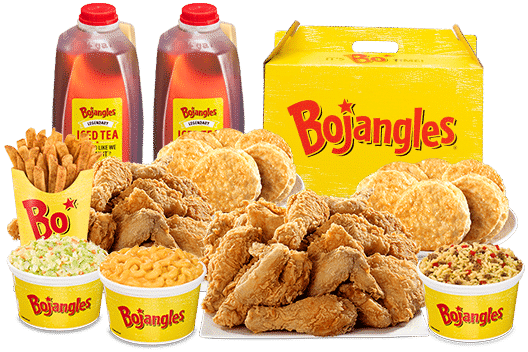
Bojangles launches Bo’s Chicken Rippers in an eight-week pilot, turning bites into a hands-on, sauce-forward experience with interactive, tear-apart slabs.
Apr 16, 2026

Photo by Jim Sosengphet on Unsplash
Popeyes teams with One Piece for a limited menu and merch drop, blending bold flavors with anime fandom to boost traffic and loyalty.
Apr 16, 2026
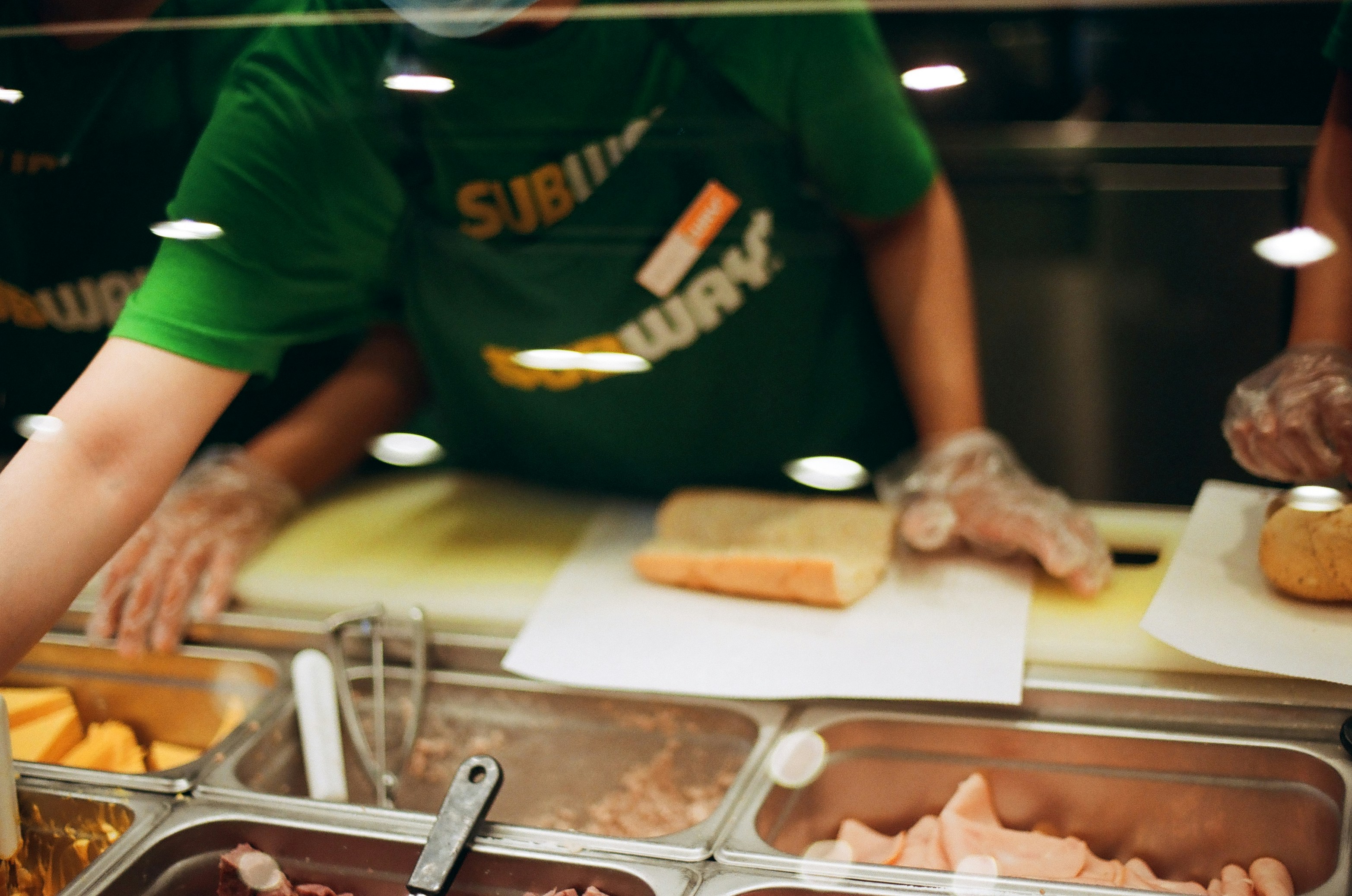
Photo by dedy kurniawan on Unsplash
A close look at Jersey Mike’s rapid expansion, leadership shift, and international push under Blackstone’s ownership.
Apr 16, 2026
Explore the crackdown on unfair franchisor practices by the Federal Trade Commission, focusing on hidden franchise fees and contract provisions. Learn about the impacts on franchisees and the importance of transparency in business operations.

Photo by Campaign Creators on Unsplash

Photo by Campaign Creators on Unsplash
The Federal Trade Commission (FTC) has taken a decisive stance against unfair and deceptive practices by franchisors, particularly focusing on hidden franchise fees and non-transparent contract provisions. With food and beverage franchisees representing a significant portion of all franchisees in the country, the FTC's actions aim to protect the interests of these business owners.
Despite the FTC's crackdown and policy statements against non-disparagement clauses and undisclosed fees, many franchisees are reluctant to report violations or speak out due to fear of retaliation by their franchisors. This fear hampers the ability of franchisees to seek justice and hold franchisors accountable for their actions.

Photo by Campaign Creators on Unsplash
The FTC's guidance prohibiting undisclosed fees like payment processing, technology, and training fees unless part of initial disclosures has significant implications for franchise operations. Transparency is crucial for fostering trust between franchisors and franchisees, promoting a fair and mutually beneficial business relationship.
The document released by the FTC highlighted common complaints raised by franchisees, including deception by franchisors, undisclosed fees and royalties, and supplier kickbacks. Specific franchisors like Dickey’s Barbecue Pit and Subway were mentioned for their involvement in these practices, shedding light on the challenges faced by franchisees in the industry.
One of the critical issues identified by the FTC is the lack of transparency in franchise transactions, leading to unexpected costs and financial burdens on franchisees. The case of Dickey’s Barbecue Pit, where franchisees faced significantly higher costs than initially quoted, underscores the importance of full disclosure and transparency in franchising agreements.
As the FTC reopens the comment period for the Request for Information, it signals a proactive approach to addressing franchisee concerns and improving regulatory oversight. By allowing stakeholders to voice their experiences and challenges in the franchising industry, regulatory bodies can work towards creating a more equitable and transparent environment for all parties involved.