
Best Restaurant Marketing Ideas for 2026
This guide outlines restaurant marketing ideas that help operators attract nearby customers, convert demand faster, and strengthen long-term retention.
marketing ideas
Apr 16, 2026
This guide outlines restaurant marketing ideas that help operators attract nearby customers, convert demand faster, and strengthen long-term retention.
Apr 16, 2026

A clear host training process helps restaurants manage greetings, waitlists, reservations, seating decisions, and guest communication more consistently.
Apr 15, 2026

Chipotle reshapes loyalty with Rewards on Repeat, blending in-store promotions, staff incentives, and simpler redemption to boost traffic.
Apr 16, 2026

Photo by Salah Ait Mokhtar on Unsplash
A refined look at Papa Murphy’s strategy as MTY guides a cautious turnaround amid a crowded pizza landscape—digital play, local marketing, and a new Detroit-style offering.
Apr 16, 2026

Photo by Sergio Mena Ferreira on Unsplash
Mo’ Bettahs leaves Kansas City as it pivots to a PE-backed national expansion to Phoenix, Indianapolis, and Minneapolis.
Apr 16, 2026

Photo by Kate Trysh on Unsplash
Applebee’s O-M-Cheese Burger fuses spectacle with value, driving social buzz and foot traffic—a signal for the skillet-cheese moment in casual dining.
Apr 16, 2026

Photo by Diego Mattevi on Unsplash
GoTo Foods taps Misra and Lambert to harmonize digital momentum with disciplined development across seven brands, aiming for stronger guest experiences and franchisee economics.
Apr 16, 2026

Bojangles launches Bo’s Chicken Rippers in an eight-week pilot, turning bites into a hands-on, sauce-forward experience with interactive, tear-apart slabs.
Apr 16, 2026
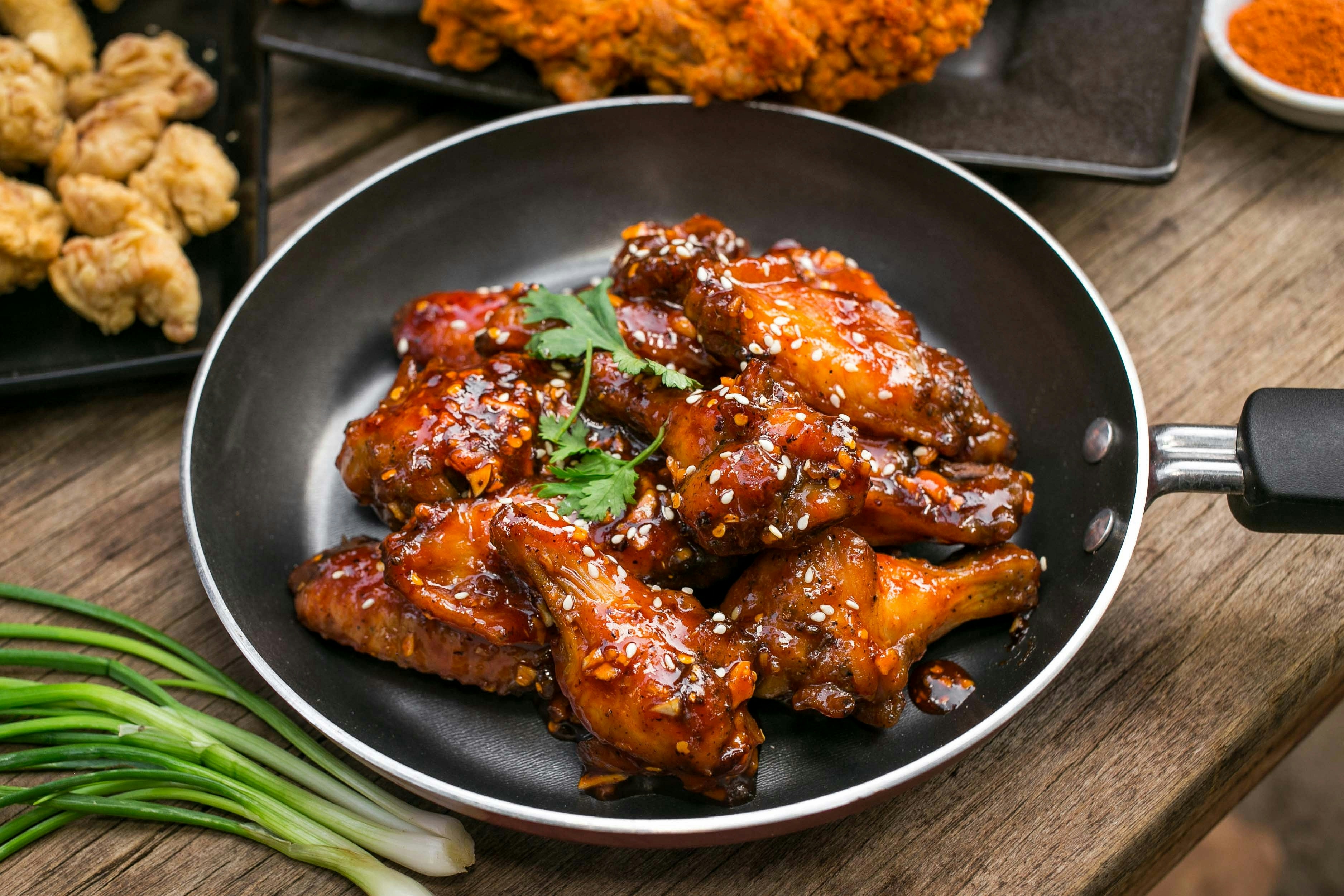
Photo by Jim Sosengphet on Unsplash
Popeyes teams with One Piece for a limited menu and merch drop, blending bold flavors with anime fandom to boost traffic and loyalty.
Apr 16, 2026

Photo by dedy kurniawan on Unsplash
A close look at Jersey Mike’s rapid expansion, leadership shift, and international push under Blackstone’s ownership.
Apr 16, 2026
Read about the recent developments in the U.S.-Mexico trade relationship, including the delay of tariffs and new security measures.

The decision to delay tariffs that were to be imposed on Mexico by the United States marks a significant shift in the recent trade relations between the two countries. Mexico's President Claudia Sheinbaum’s announcement of the postponement came after a series of discussions with U.S. President Donald Trump. This delay reflects a commitment to finding mutually beneficial agreements between the nations.
As part of the agreements reached, Mexico has pledged to send 10,000 troops to the U.S.-Mexico border to enhance efforts in combating drug trafficking. In return, the United States has committed to preventing the flow of high-powered weapons into Mexico. These bilateral actions not only address security concerns but also signify a collaborative approach towards shared challenges.
President Sheinbaum emphasized that both countries’ teams would focus on enhancing security and trade aspects of their relationship. The engagement of top officials like Secretary of State Marco Rubio and Secretary of Commerce Howard Lutnick in forthcoming negotiations highlights the seriousness and commitment from both sides in resolving trade disputes and strengthening economic ties.

Mexico's proactive preparation for potential tariffs included efforts to align policies with the United States, particularly on key issues like migration. The country's officials aimed to demonstrate the complementary nature of trade between the nations rather than a competitive one. Mexico had devised contingency plans, one of which involved both tariff and non-tariff actions, indicating a strategic response to any trade challenges.
President Sheinbaum's emphasis on collaboration and mutual trust underscores the importance of working together to combat organized crime and enhance security measures. She highlighted the need for respect for sovereignty, emphasizing that cooperation should not equate to subordination. This stance emphasizes the importance of equal partnership and shared responsibility in addressing common issues.
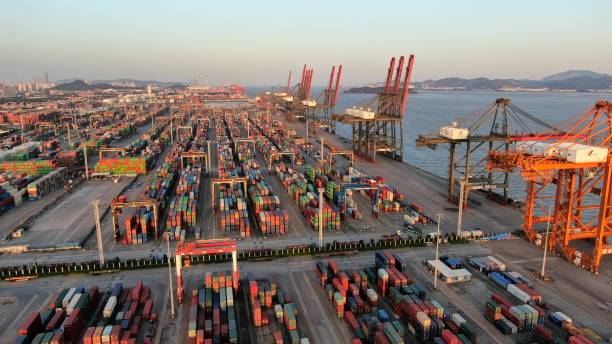
While the tariffs on Mexico have been postponed, the United States is set to enforce new duties on other countries like Canada and China. This move could impact the global trade landscape, leading to retaliatory measures and potential shifts in trade dynamics among nations. The response from Canada, with retaliatory tariffs on U.S. goods, suggests a complex interplay of trade strategies among nations.