Dan Harmon Takes the Helm at Pizzana
Veteran restaurant leader Dan Harmon is now CEO of Pizzana and is driving the brand’s national expansion, franchising plans, and operational innovation.
Jun 29, 2026
Veteran restaurant leader Dan Harmon is now CEO of Pizzana and is driving the brand’s national expansion, franchising plans, and operational innovation.
Jun 29, 2026
Southpaw's strategic acquisition of 43 Taco Bell stores in Ohio pushes their restaurant count to 180, highlighting their people-first approach and strong growth in the quick-service space.
Jun 29, 2026
Discover how Cicis Pizza's rewards program skyrocketed to over one million members in under a year, driving customer engagement and retention. See the lessons for restaurant loyalty programs.
Jun 26, 2026
The fallout of Pizza Hut's mandated AI delivery system rollout has ignited a $100 million lawsuit from a leading franchisee, highlighting crucial franchisor-franchisee lessons for all restaurant owners.
Jun 26, 2026
Expanding to multiple locations requires clear systems, strong managers, smart financing, market research, and performance tracking to protect restaurant profits.
Jun 26, 2026
Southpaw adds 43 Ohio Taco Bell restaurants to its impressive portfolio, highlighting franchise growth and strengthening the Midwest QSR landscape.
Jun 26, 2026
World Cup knockout games help restaurants boost sales with food and drink specials, group bundles, takeout offers, and timely promotions.
Jun 26, 2026
Darden Restaurants surpassed $13 billion in sales, fueled by robust performance at LongHorn Steakhouse and innovative menu changes at Olive Garden. Explore the strategies driving this industry giant’s continued dominance.
Jun 26, 2026
Founders Table Restaurant Group acquires fast-casual leader Hopdoddy Burger Bar, expanding its reach to over 200 restaurants and accelerating operational growth across the platform.
Jun 25, 2026
Inspire Brands is preparing for an IPO aiming for a $20B valuation. Discover how giants like Arby’s, Sonic, and Dunkin’ are performing as part of this dynamic portfolio.
Jun 25, 2026
World Cup knockout games help restaurants boost sales with food and drink specials, group bundles, takeout offers, and timely promotions.

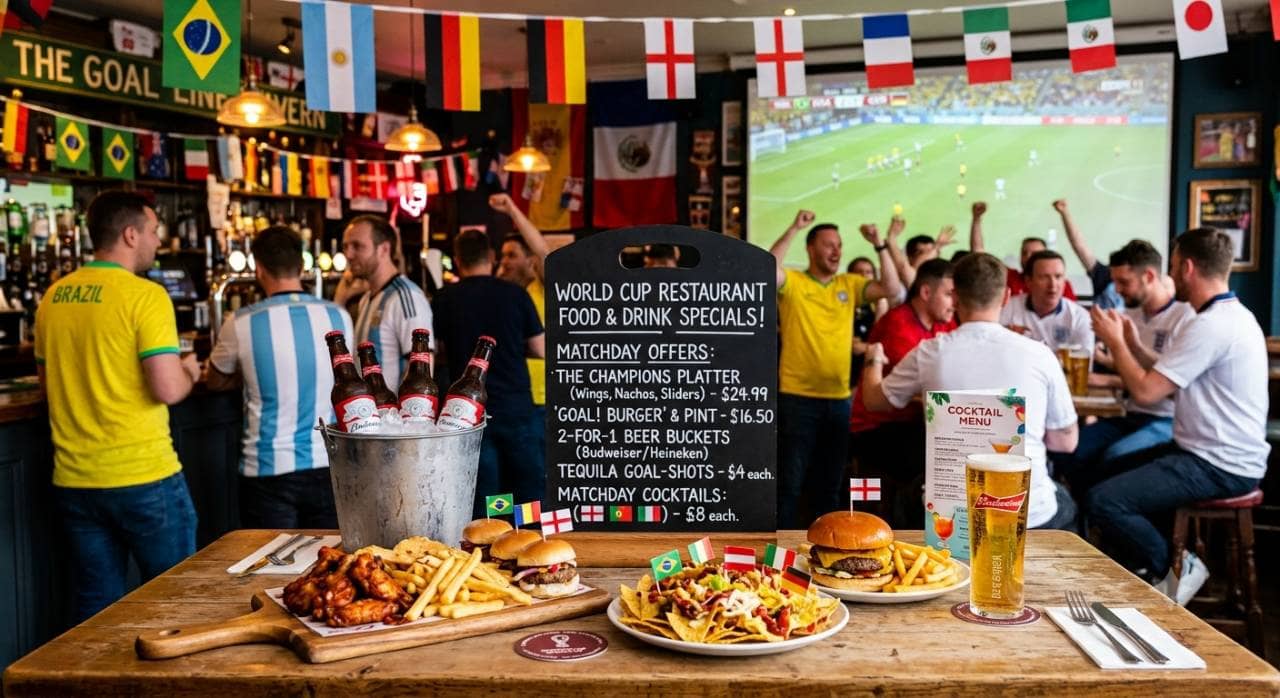
World Cup knockout games create stronger restaurant opportunities because every match feels urgent. In the group stage, a team may still advance after a loss or draw. In the knockout stage, one bad result can end the tournament. That pressure makes fans more likely to watch live, gather with friends, stay longer, and choose a restaurant with the right atmosphere. For restaurant owners, this can turn an ordinary lunch, happy hour, dinner, or weekend shift into a high-demand event. Guests are not only looking for a meal. They want big screens, clear sound, fast service, shareable food, cold drinks, and a crowd that makes the match feel exciting. The biggest opportunity is higher group spending. A small table may usually order entrees and drinks, but a World Cup group may add wings, nachos, pizza, tacos, burgers, beer buckets, pitchers, desserts, and extra rounds at halftime. If a regular guest spends $22 and a match-day guest spends $35, every 50 guests can create about $650 in additional sales. Knockout games also give restaurants several promotion windows, from the Round of 32 to the final. With early planning, owners can prepare specials, staffing, inventory, and marketing before demand hits.
A strong World Cup knockout game menu should do more than offer random appetizers. It should help the restaurant increase group spending while keeping food cost, prep time, and kitchen speed under control. During knockout games, customers are often watching in groups, staying longer, and ordering in waves before kickoff, during halftime, and after key moments in the match. That makes shareable food one of the most practical ways to increase sales. Instead of creating too many new items, owners should start by reviewing menu performance data. Look at the best-selling appetizers, snack items, sides, pizzas, wings, tacos, sliders, and platters from recent busy nights, sports events, happy hours, or weekends. Pay attention to average check size, attachment rate, item profit margin, prep time, waste, and how well each item holds during busy service. These numbers can help identify which items are strong enough to become World Cup specials. For example, if wings already sell well and have a strong beverage attachment rate, a wing-and-beer bundle may perform better than introducing a new dish. If loaded fries are profitable and easy to prepare, they can become a halftime special. If pizza or flatbreads move quickly during group orders, they can be packaged as a fan platter for four to six people. A shareable World Cup menu can include - 1. Knockout platters - Wings, sliders, fries, dips, and tenders packaged as one group-friendly offer. 2. Halftime specials - Nachos, loaded fries, tacos, or flatbreads designed for quick ordering during the break. 3. Fan bundles - Food combinations for two, four, or six guests to simplify group decisions. 4. Appetizer add-ons - Extra sauces, dips, sides, toppings, or premium upgrades that increase ticket size. 5. Takeout party trays - Larger trays for customers watching the match at home with friends or family. Every shareable special should have a target selling price, portion size, food cost, prep plan, and service goal. When specials are built around proven items instead of guesswork, restaurants can increase average check size without overwhelming the kitchen during high-demand knockout games.

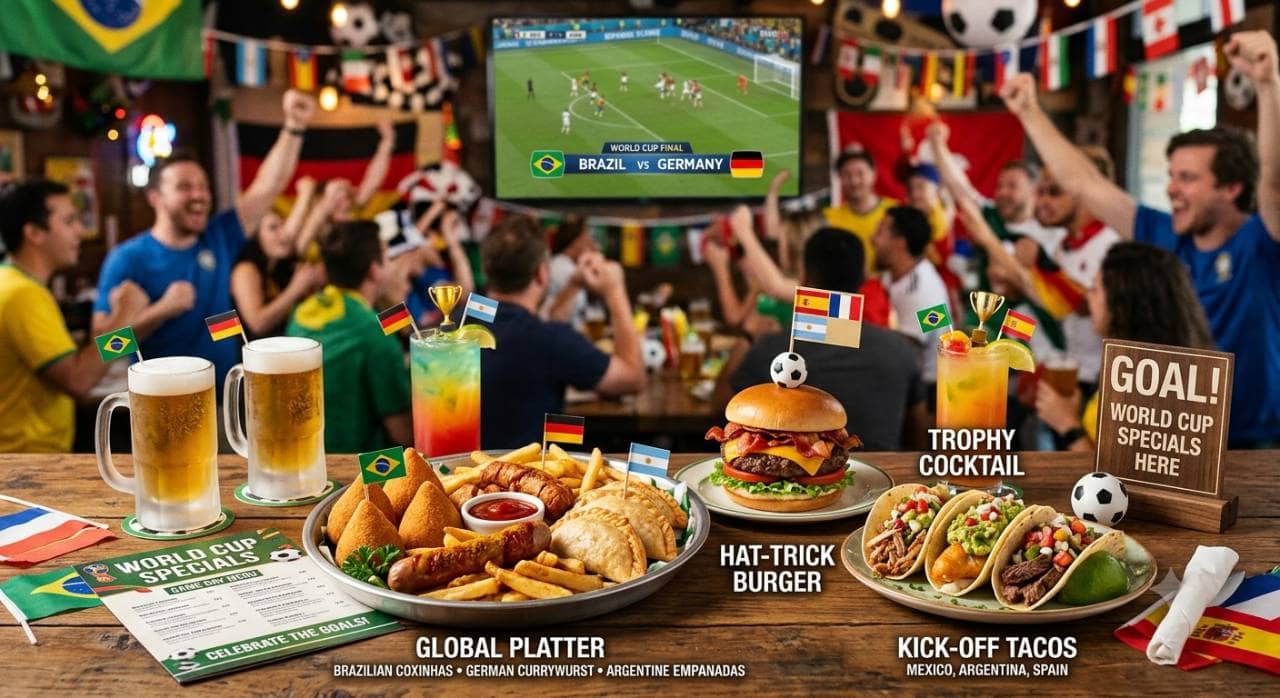
Team-themed food specials can turn a regular match-day menu into something customers remember. During the World Cup knockout stage, fans are not just watching a game. They are supporting a country, following a rivalry, celebrating goals, and reacting to every moment. When the menu connects to that emotion, food becomes part of the experience instead of just another order. Restaurant owners do not need to build a separate menu for every team. A smarter approach is to use items already performing well and give them a match-day twist. Start by reviewing which teams are likely to drive local demand. This may include the U.S. team, nearby immigrant communities, globally popular teams, or countries with strong fan followings in the restaurant's area. Then compare that demand with menu items that are fast to prepare, easy to portion, and profitable at higher volume. For example, a taco trio can become a Mexico match special. Steak sandwiches or grilled skewers can support an Argentina-themed offer. A fish sandwich can work for an England-inspired menu item. Tapas-style appetizers can fit Spain matches, while loaded fries, burgers, pizza, and wings can be adjusted with sauces, toppings, or names that connect to the teams playing that day. A team-themed World Cup menu can include - 1. Match-day dishes - Simple food specials inspired by the countries playing that day. 2. Head-to-head offers - Two competing specials, one for each team in the match. 3. Color-based add-ons - Sauces, desserts, mocktails, cocktails, or garnishes that match team colors. 4. Renamed best sellers - Popular menu items given limited-time World Cup names. 5. Local fan bundles - Platters or combos designed around teams with strong community support. Each item should still be measured by cost, speed, portion control, and ingredient availability. A special may look creative, but it should not slow down the kitchen or confuse the service team. When team-themed food is simple, visual, and easy to promote, it can help restaurants create more excitement, attract fan groups, and make each knockout game feel like a must-attend event.
Drink specials can become a major sales driver during World Cup knockout games because fans rarely order only once. Many guests arrive before kickoff, order again at halftime, and continue buying drinks if the match goes into extra time or penalties. For restaurant owners, that means one game can create several beverage sales opportunities from the same table. The right drink offer depends on the match time, customer mix, and service style. Morning or early afternoon games may work better with iced coffee, fresh juice, lemonade, iced tea, smoothies, mocktails, or brunch cocktails. Later matches can support beer buckets, pitchers, margaritas, sangria, spritzes, frozen drinks, or team-colored cocktails. The goal is to make drinks feel festive without slowing down the bar or overwhelming servers. Owners should review beverage sales from recent weekends, happy hours, sports nights, and high-traffic shifts. Look at which drinks have strong margins, which beverages are most often ordered with appetizers, and which items take too long to prepare when the restaurant is busy. A drink special should not only look good on the menu. It should be easy to batch, easy to serve, and easy for staff to explain. A strong World Cup drink strategy can focus on four simple areas - 1. Group-friendly drinks - Beer buckets, pitchers, sangria, lemonade, iced tea, or mocktail pitchers can help tables order faster and increase total ticket size. 2. Match-themed beverages - Team-colored cocktails, mocktails, sodas, or frozen drinks can make the menu feel connected to the game without requiring complex recipes. 3. Timed offers - Pre-kickoff drinks, halftime refills, and extra-time specials can encourage guests to order at natural moments during the match. 4. Food-and-drink pairings - Wings with beer, tacos with margaritas, sliders with cocktails, burgers with soda, or flatbreads with spritzes can make ordering easier and raise the check average. Every drink special should have a clear price, portion size, prep method, and responsible service plan. Restaurants should also prepare staff on ID checks, alcohol limits, local rules, and when to stop serving a guest. When drink specials are simple, profitable, and built around the flow of the game, they can increase revenue without creating unnecessary pressure for the bar or front-of-house team.
A strong World Cup combo should do more than offer a small discount. It should help guests order faster, help servers explain the menu clearly, and help the kitchen handle higher volume without slowing down service. During knockout games, customers may arrive close to kickoff, order together as a group, and make quick decisions during halftime. If the menu has too many choices, ordering can become slow and disorganized. Restaurant owners should start by reviewing which items are already ordered together. Look at recent sales from happy hour, weekend rushes, sports nights, and large party orders. Pay attention to appetizer sales, beverage pairings, table size, prep time, ticket times, and profit margin. These numbers can show which items are strong candidates for a limited-time World Cup combo. For example, if wings and beer are often ordered together, they can become a match-day bundle. If pizza sells well with soft drinks, it can become a group watch-party combo. If tacos and margaritas are already popular, they can be packaged into a kickoff special. The goal is to use proven demand instead of guessing what customers might want during a busy match. A limited-time World Cup combo strategy can include four practical offer types - 1. Pre-game combos - Appetizers, snacks, and first-round drinks that encourage guests to arrive before kickoff. 2. Halftime combos - Fast-moving items like nachos, loaded fries, sliders, flatbreads, or tacos that can be prepared quickly during the break. 3. Group bundles - Larger offers for tables of four, six, or eight that include shared food and drink options. 4. Takeout combos - Party packs, pizza bundles, wing trays, or family meals for customers watching the game at home. Each combo should have a clear selling price, portion size, prep station, target food cost, and sales goal. Owners should also make sure staff know exactly what is included so orders are entered correctly. When limited-time combos are simple, profitable, and easy to execute, restaurants can reduce ordering friction, serve more guests, and increase average check size during World Cup knockout games.

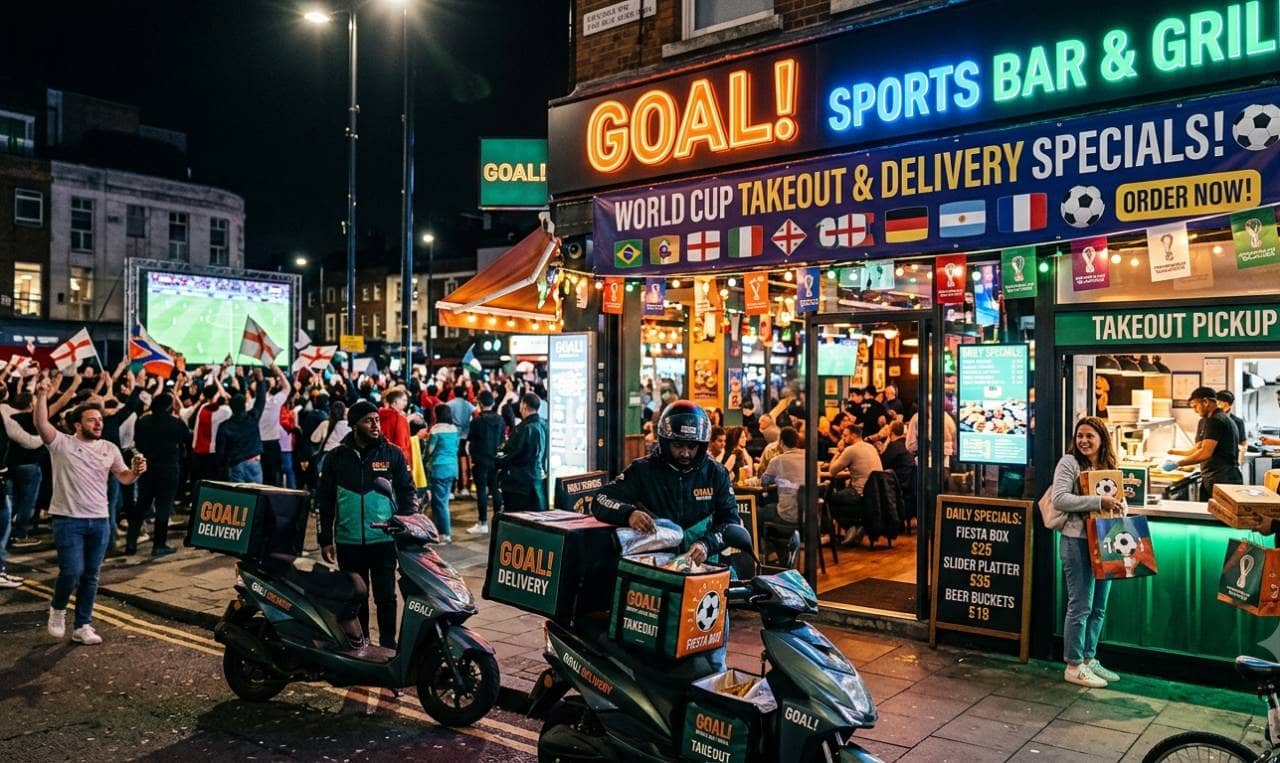
World Cup knockout games do not only create demand inside the restaurant. Many fans prefer to watch the match at home with friends, family, or coworkers. That means restaurants can still generate strong sales even when the dining room is full or when customers choose not to leave the house. The opportunity comes from making takeout and delivery easy, fast, and built for groups. Owners should look at off-premise sales before creating match-day offers. Review recent delivery orders, online ordering data, weekend takeout volume, and large group orders. Focus on items with strong order value, reliable prep times, low complaint rates, and good travel quality. Some foods may sell well in the dining room but arrive poorly after delivery. For World Cup specials, the best choices are items that hold their texture, temperature, and presentation after leaving the kitchen. For example, wings, pizza, tacos, sandwiches, sliders, pasta trays, fries, dips, and desserts can work well when packaged correctly. A customer hosting six people does not want to build a complicated order one item at a time. A simple "World Cup Watch Box" or "Knockout Party Pack" can make the decision easier and help the restaurant increase the total ticket. A takeout and delivery plan can include five practical offers - 1. Party-size trays - Wings, tacos, sliders, flatbreads, fries, dips, or desserts designed for groups. 2. Pre-order bundles - Specials customers can order earlier in the day for pickup before kickoff. 3. Family meal deals - Packages for smaller home watch parties with entrees, sides, and drinks. 4. Delivery-only offers - Online specials created specifically for customers ordering through the website or delivery platforms. 5. Add-on items - Extra sauces, sides, desserts, drinks, utensils, or napkins that increase order value. Each takeout special should have a defined portion count, packaging plan, pickup window, prep time, and profit target. Restaurants should also make sure the online menu, ordering links, delivery descriptions, and social media posts are updated before the match. When takeout and delivery specials are easy to understand and built around foods that travel well, restaurants can capture World Cup revenue from customers watching the game anywhere.
World Cup knockout specials should help restaurants sell more, not quietly reduce profit. A packed dining room can look successful, but high volume does not always mean strong margins. If food portions are too large, drink discounts are too deep, or bundles are priced without checking costs, a busy match day can bring in revenue while leaving less profit than expected. Restaurant owners should start with the numbers before choosing any discount or promotion. Review food cost, beverage cost, packaging cost, labor needs, prep time, and expected sales volume for each special. A wing tray, taco platter, pizza bundle, or beer bucket may be popular, but the price still needs to cover ingredients, staff time, supplies, and overhead. The best specials are not always the cheapest offers. They are the offers that make customers feel they are getting value while protecting the restaurant's margin. For example, instead of discounting every appetizer, a restaurant can bundle one high-margin item with one popular item. Instead of offering a large percentage off drinks, owners can create pitcher pricing, upgrade options, or add-on specials. Instead of lowering the price of a full meal, they can increase value with sauces, sides, desserts, or group packaging. A profit-focused pricing strategy can include five practical moves - 1. Bundle high-margin items - Pair profitable sides, dips, desserts, or beverages with popular game-day foods. 2. Control portion sizes - Use clear serving counts for platters, trays, and group bundles. 3. Limit deep discounts - Focus on value-based offers instead of cutting prices too aggressively. 4. Add premium upgrades - Offer extra sauces, loaded toppings, larger portions, or specialty drinks for an additional charge. 5. Track sales by match - Compare which specials sell well, which items have low margins, and which offers should be adjusted before the next game. Every World Cup special should have a target food cost percentage, selling price, expected order volume, and profit goal. Owners should also train staff to suggest profitable add-ons instead of only promoting the lowest-priced deal. When pricing is planned carefully, restaurants can use knockout games to increase traffic, raise average check size, and protect profit at the same time.
World Cup food and drink specials only work if customers know about them before they decide where to watch the game. A great wing platter, drink bundle, or watch party pack can still underperform if it is promoted too late. Knockout games are planned events for many fans, so restaurants should start marketing early enough to influence where customers go, what they order, and whether they bring a group. Owners should begin by mapping promotions around the match schedule. Look at which games are likely to draw the biggest local audience, which teams have strong fan support, and which match times line up with lunch, happy hour, dinner, or late-night traffic. A weekday afternoon match may need a different offer than a weekend final. A high-demand evening game may require reservations, while an earlier match may need takeout bundles, lunch combos, or group pickup deals. Promotion should happen across multiple channels, not just one social media post. Restaurants can update their website, online ordering page, Google Business Profile, email list, SMS list, table tents, digital screens, and in-store signage. Social media can be used for countdown posts, team polls, menu photos, reservation reminders, and last-minute availability updates. The goal is to make the offer visible wherever customers are making their plans. A World Cup promotion plan can include five key timing points - 1. Three to five days before the match - Announce specials, reservation options, takeout bundles, and watch party details. 2. One day before the match - Remind customers about kickoff time, seating, ordering deadlines, and featured offers. 3. Match day morning - Post menu photos, limited-time deals, pickup windows, and table availability. 4. During the match - Promote halftime refills, add-on items, dessert specials, or extra-time drink offers. 5. After the match - Share the next game schedule, bounce-back offers, loyalty rewards, or reservation links. Every promotion should include the match date, kickoff time, special offer, price, ordering method, and call to action. If customers need to reserve a table, pre-order a party pack, or arrive early, the message should say that clearly. When restaurants promote before, during, and after each knockout game, they can turn one match into repeat traffic throughout the tournament.