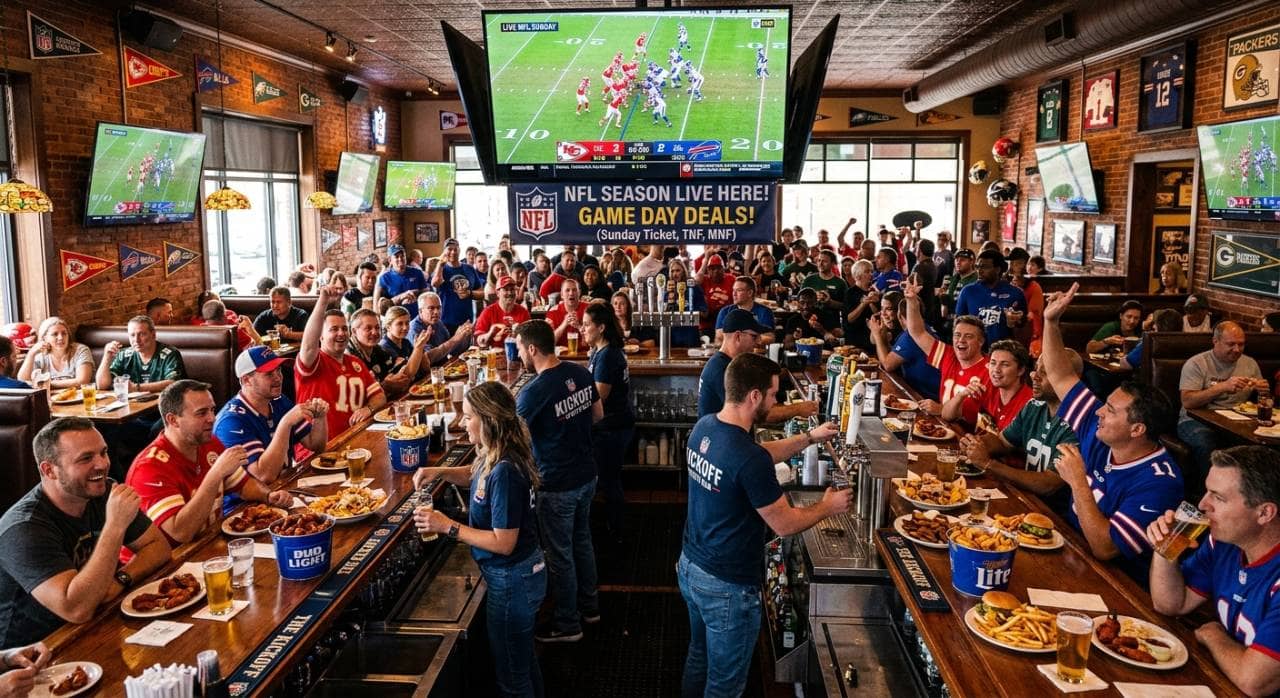
How to Prepare Your Restaurant for the NFL Season
Prepare your restaurant for NFL season with smart menu planning, staffing, marketing, technology, and atmosphere strategies that boost season-long revenue.
Marketing
Sep 9, 2026
Prepare your restaurant for NFL season with smart menu planning, staffing, marketing, technology, and atmosphere strategies that boost season-long revenue.
Sep 9, 2026
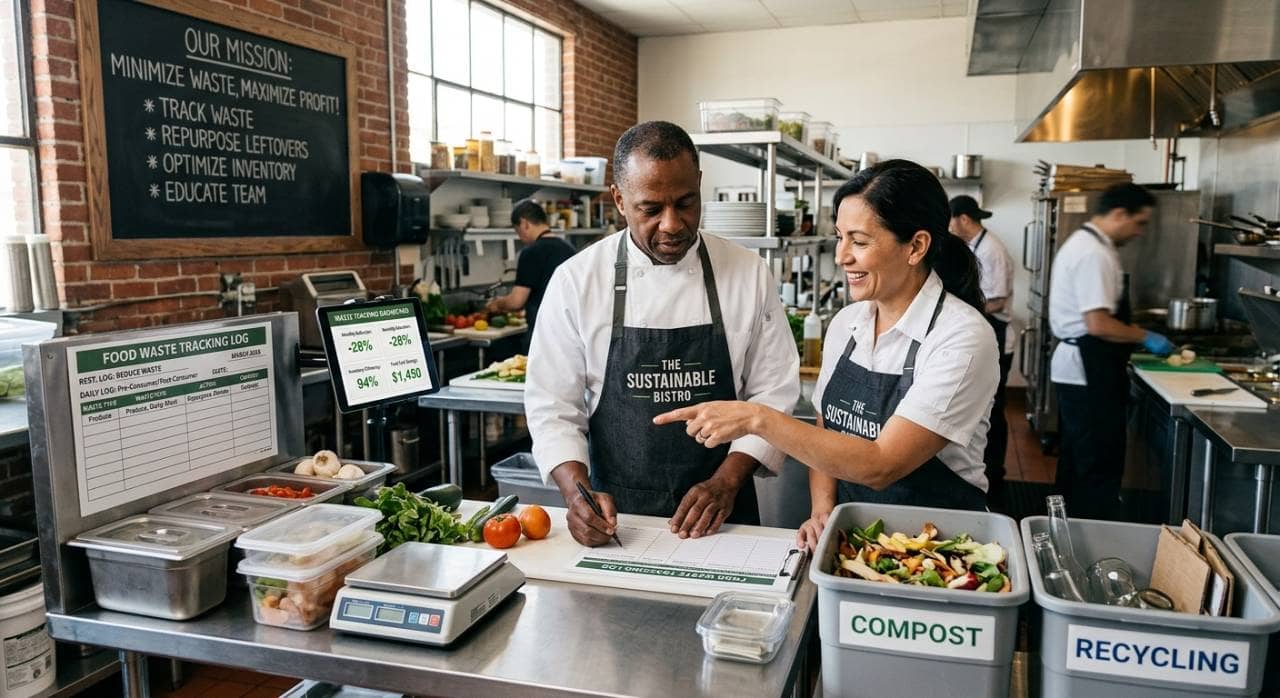
Learn how to reduce food waste in restaurants through smarter purchasing, storage, preparation, and service strategies that cut costs.
Sep 9, 2026
Swig signs franchise agreement for 11 South Denver locations, marking Colorado entry and validating its national expansion strategy.
Sep 8, 2026

Complete guide helping restaurant owners choose essential kitchen equipment - covering cooking, refrigeration, prep, sanitation, ventilation, safety, and long-term maintenance planning.
Sep 7, 2026

QR code menus let restaurants replace paper menus digitally, enabling instant updates, contactless browsing, ordering, and payment through simple smartphone scanning.
Sep 7, 2026

Avoiding common restaurant payroll mistakes - misclassification, tip credit errors, overtime miscalculations - protects businesses from costly penalties, back pay, and compliance risks.
Sep 4, 2026
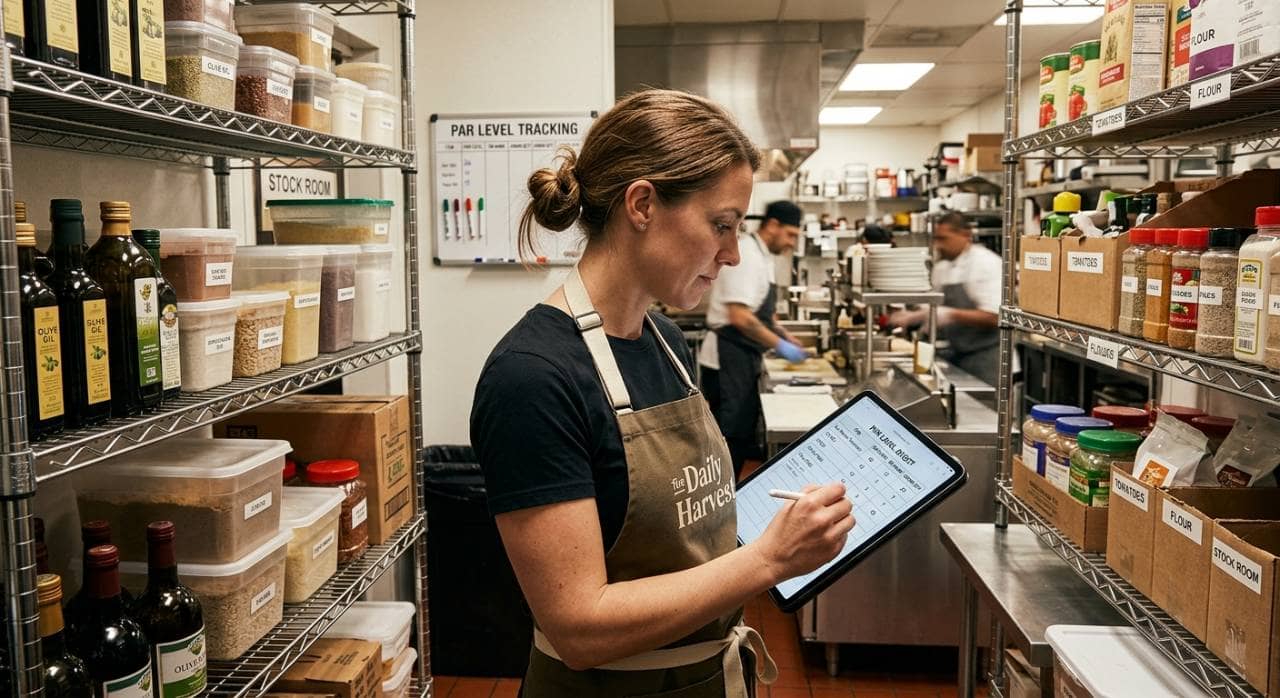
Learn to calculate par levels for restaurant food, beverages, and packaging inventory, preventing stockouts and waste through proper formulas.
Sep 4, 2026
Caribou Coffee appoints Zane Thomas-Rogers as Chief Operations Officer to strengthen execution across its expanding coffeehouse network.
Sep 4, 2026

Compare the top 10 restaurant POS systems in the USA for 2026. Explore features, pricing, pros, cons, and the best POS options for every restaurant type.
Jul 1, 2026

Learn how to handle restaurant payroll yourself, from calculating hours and wages to managing tips, taxes, and final paychecks.
Sep 2, 2026

Unlock Exclusive Access To Webinars, Events, And The Latest News For Free!
A look at BurgerFi's liquidity crunch, TREW's role, and the Chapter 11 timeline shaping a distressed-restaurant turnaround.

BurgerFi dispatches a quiet alarm from its Fort Lauderdale home: a liquidity squeeze so acute that bankruptcy protection becomes a tangible option if relief from its senior lender and fresh liquidity from outside parties cannot be secured. In an SEC filing that accompanied a delay to the second‑quarter report, the chain warned that it may seek protection under applicable bankruptcy laws. The scene is sharpened by TREW Capital Management’s central role in its capital stack and by Rubio’s Coastal Grill, a TREW-controlled asset navigating its own bankruptcy path, signaling how distressed-asset dynamics could steer outcomes. The footprint matters: 102 BurgerFi restaurants (75 franchised, 27 corporate-owned) were in play as of April 1, 2024. This is a moment that calls for thoughtful, balanced strategy rather than panic: could a high-stakes turnaround unfold:
Behind the warning lies a narrative of sustained sales declines layered atop debt obligations that stressed liquidity. Management described a rapidly narrowing liquidity runway, intensified by a forbearance that eventually ended and a need to secure meaningful liquidity through external providers or asset sales. In the broader arc, BurgerFi has pursued a five‑point turnaround plan, modernize infrastructure and technology, refresh the menu, rethink store formats, raise operational standards, and boost brand awareness, while governance changes during this period introduced continuity risks. The board saw Ophir Sternberg resign as executive chairman, with David Heidecorn stepping in as his successor. A strategic review and a broader sale process lay ahead, anchored by court‑supervised processes and a reformulated sense of prioritization for 102 locations across the portfolio. The trajectory is to balance enterprise value with creditor expectations, as observers watch how strategic alternatives unfold in a constrained capital market.
This moment invites a thoughtful pause: the aim is not merely to survive but to position the brands for a disciplined exit or reboot, depending on the outcomes of the strategic review and the leverage the lender group can sustain through the process.
Five-point turnaround plan became a central thread in BurgerFi’s narrative: modernizing infrastructure and technology, enhancing the menu, rethinking store formats, raising operational standards, and boosting brand awareness. These pillars point to a thoughtful, not hurried, path through restructuring. The leadership shift, Ophir Sternberg’s resignation and David Heidecorn’s appointment as chairman, adds a governance rhythm designed to guide the company through uncertainty while preserving core assets for stakeholders across the spectrum. The restaurant footprint, already trimmed to 102 locations, remains a focal point as the process unfolds.
The forbearance period with TREW ultimately expired, opening the door to potential immediate lender demands and asset‑control actions should defaults re-emerge. An August 2024 emergency protective advance followed, and the restructuring proceeded with court approval of DIP financing and a defined sale process. The path envisioned a stalking‑horse process, an asset‑sale framework, and a timeline that could culminate in liquidation or a reorganization, all under the Delaware court’s watchful eye. The messaging emphasized minimizing disruption to employees, customers, and franchise partners as the plan moved forward.
Voices from the Lenders and Leadership tied the restructuring to a deliberate effort to preserve core brands and position the company for a disciplined exit or reboot. In the initial first‑day motions, BurgerFi executives stressed that employees and franchise partners would be protected as the company pursued a sale and reorganization, signaling a managed wind‑down rather than a collapse. Carl Bachmann, who joined in July 2023 and carried a five‑point plan, told investors that he was "more confident than ever that joining the company was the right decision", underscoring belief in a turnaround through restructuring. The private‑credit dynamics at play, L Catterton and TREW each agreeing to lend up to $2 million during the strategic review, reveal how sector‑specific capital can sustain distressed conversions in restaurant portfolios. The board’s retooling, with Heidecorn taking the chair, signals a governance overlay that seeks steady hands amid a complex, multi‑brand rebalancing.
Taken together, these moves illustrate the delicate balance between preserving enterprise value and delivering on creditors’ expectations during a Chapter 11 process, as the company navigates who should control what, and when, in a restructuring that aims to protect franchise affiliations and employee livelihoods while maximizing the potential for a disciplined recovery.
Industry context places BurgerFi’s challenges within a broader distressed-restaurant playbook. Rubio’s, already tied to TREW through debt positions, pursued a separate Chapter 11 path with a notable $40 million credit bid to acquire Rubio’s California and Arizona operations. The trajectory of Rubio’s offers a real-world cross‑case signal about how private‑credit lenders with distressed-asset experience approach value realization amid labor-cost pressures, slower same‑store sales, and tightening credit markets. These dynamics illuminate the environment within which BurgerFi’s strategic review unfolds and help explain why lenders and management treat asset sales and stalking-horse processes as viable routes to value preservation.
As the process advances, gaps and uncertainties remain about the exact form the post‑restructure BurgerFi will take. The strategic review may not yield a favorable outcome for shareholders or other stakeholders, and the balance between asset sales, asset values, and creditor recoveries remains under examination. The cross‑brand exposure to Anthony’s and BurgerFi stores, the pace of creditor actions, and the regulatory rhythms of the Delaware court will all shape the timeline. In short, the future could look reorganized, liquidated, or sold to a new owner, the precise path depending on the effectiveness of the strategic review and the terms that emerge from ongoing creditor negotiations.
