California Penalizes Dickey's for Franchise Disclosure Violations
California shifts to public enforcement strategy against Dickey's for deceptive franchise disclosures, signaling stricter state-level franchise oversight.
Franchising
Sep 10, 2026
California shifts to public enforcement strategy against Dickey's for deceptive franchise disclosures, signaling stricter state-level franchise oversight.
Sep 10, 2026
Paul Brown temporarily steps away from Inspire Brands as Scott Murphy assumes interim CEO role during confidential IPO filing process targeting late 2026.
Sep 10, 2026
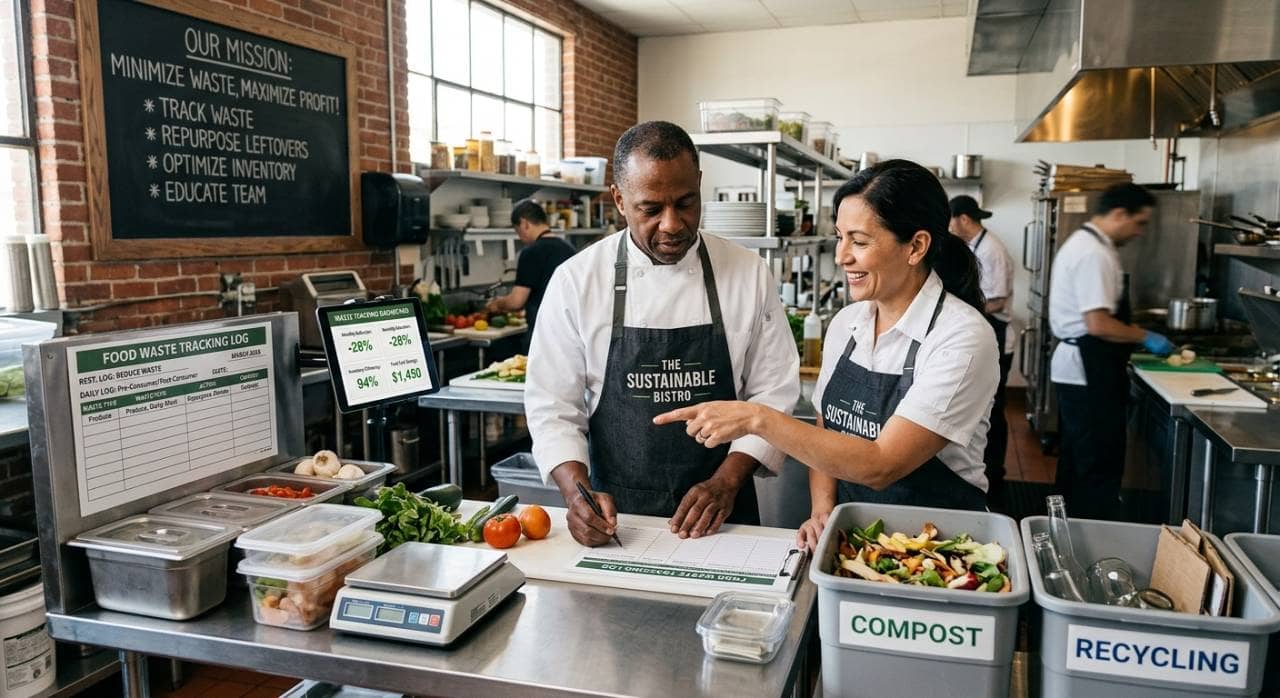
Learn how to reduce food waste in restaurants through smarter purchasing, storage, preparation, and service strategies that cut costs.
Sep 9, 2026
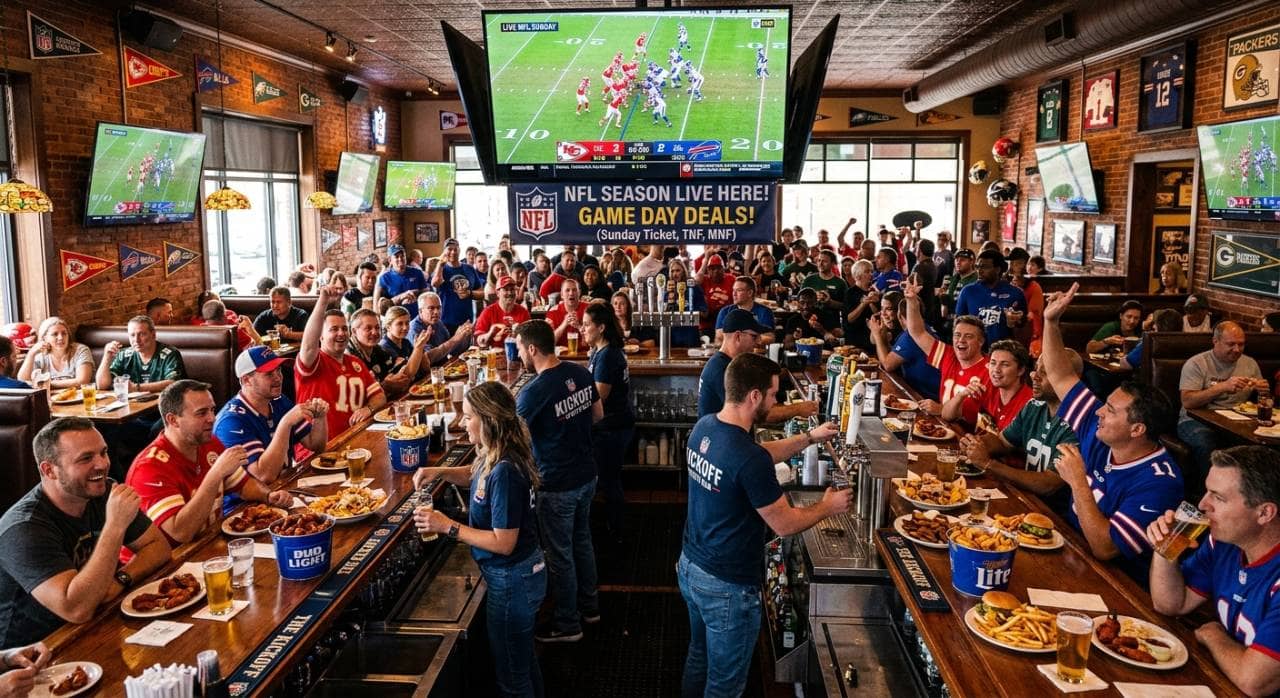
Prepare your restaurant for NFL season with smart menu planning, staffing, marketing, technology, and atmosphere strategies that boost season-long revenue.
Sep 9, 2026
Swig signs franchise agreement for 11 South Denver locations, marking Colorado entry and validating its national expansion strategy.
Sep 8, 2026
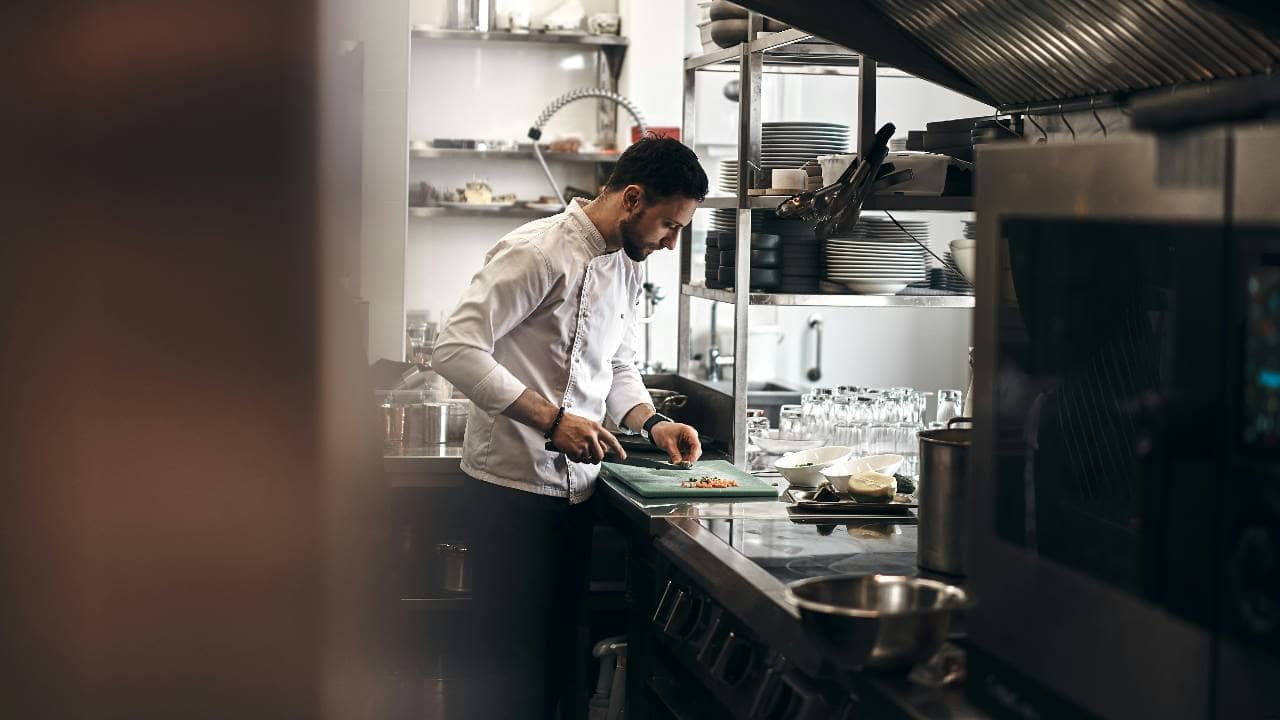
Complete guide helping restaurant owners choose essential kitchen equipment - covering cooking, refrigeration, prep, sanitation, ventilation, safety, and long-term maintenance planning.
Sep 7, 2026
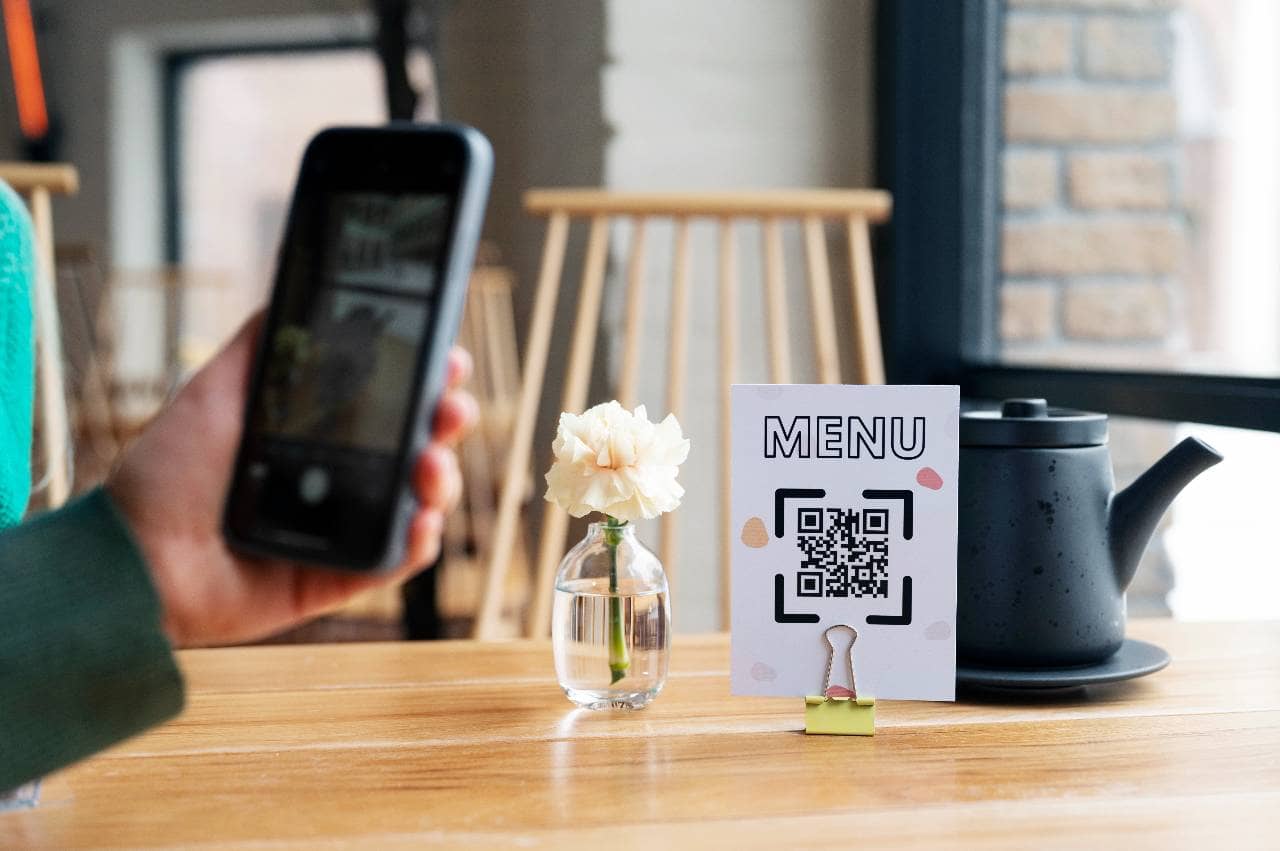
QR code menus let restaurants replace paper menus digitally, enabling instant updates, contactless browsing, ordering, and payment through simple smartphone scanning.
Sep 7, 2026

Avoiding common restaurant payroll mistakes - misclassification, tip credit errors, overtime miscalculations - protects businesses from costly penalties, back pay, and compliance risks.
Sep 4, 2026
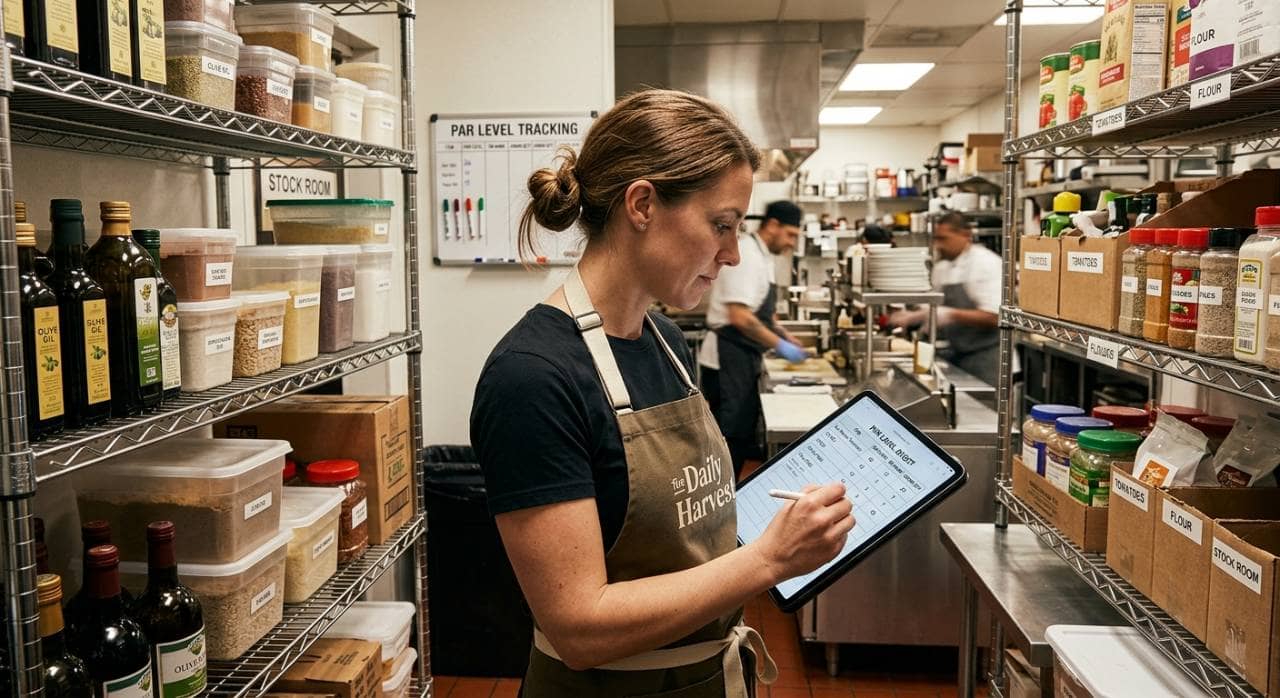
Learn to calculate par levels for restaurant food, beverages, and packaging inventory, preventing stockouts and waste through proper formulas.
Sep 4, 2026
Caribou Coffee appoints Zane Thomas-Rogers as Chief Operations Officer to strengthen execution across its expanding coffeehouse network.
Sep 4, 2026

Unlock Exclusive Access To Webinars, Events, And The Latest News For Free!
CAVA tests a hospitality-forward redesign to deepen loyalty through warmer spaces, data-driven seating, and Mediterranean-inspired ambiance.

Photo by Sarda Bamberg
Project Soul marks a deliberate shift in CAVA's dining strategy: a move from pure quick-serve tempo toward spaces that invite conversation, textures, and lingering. In a landscape where 64% of orders still begin with dine-in intent, the company argues that the in-store environment can be a differentiator as much as the menu. This is not about slowing service; it’s about balancing nourishment with sociability. The idea is simple on the plate but ambitious in the room: a more welcoming, balanced, nourishing dining experience that speaks to mindful dining without sacrificing speed.
Design details in the first wave include softer seating, a refreshed color palette, and Mediterranean cues that echo the brand's roots. At Chicago's Wicker Park location, a 3,100-square-foot space with a 30-seat dining area, the concept demonstrates how the new language translates into real spaces: warm textures, modular seating for different group sizes, and durable finishes built for high traffic. The plan also embraces practical touches like foldable doors for patio expansion and ceiling-height considerations to avoid a confining feel. These choices invite guests to linger, while keeping the efficiency that defines CAVA's counter-service.
Hospitality in practice means the table becomes a small social stage, with visible kitchen activity where appropriate and a design language that reads as intentional nourishment. Data-driven design, loyalty data, and even Wi‑Fi analytics inform where to position seating, how to guide flow, and which textures read as welcoming. The aim is a dining moment that feels nourishing and thoughtful, not slow, but purposefully paced.
Project Soul emerges as a strategic response to a broader industry shift toward experience-driven dining. The aim is to deepen human connection with guests by pairing physical space with digital touchpoints, all while sustaining the brand’s counter-service model. The goal aligns with CAVA’s growth path toward more than 1,000 units by 2032, converting a larger share of dine-in traffic into enduring loyalty rather than relying solely on takeout. The approach foregrounds value that transcends price: convenience, a distinctive culinary position, and a hospitality mindset designed to foster repeat visits.
Market context supports this shift: experience-centric spaces are increasingly seen as a differentiator in fast-casual, with a warmer Mediterranean ambience and storytelling textures. Pilot programs in Chicago, Houston, and Fort Worth let designers observe how the rooms influence guest affinity, balancing tempo and linger. Industry observers note the tension is delicate but potentially transformative when executed with precision and care.
What happens next is a measured phase of experimentation: takeaways from each site feed refinements in layout, materials, and service rhythms, all while keeping the core fast-casual ethos intact. The narrative is less about abandoning speed than about re-scripting how a dining room can support nourishment, connection, and repeat visits.
Design and operations teams rethink seating, acoustics, lighting, and ambience to support longer visits while preserving throughput. The team grounds decisions in data on check averages and table-turn rates so that more time in-store adds value rather than cost. The interior language uses natural materials and warm textures, with modular seating and durable finishes ready for high traffic. Mediterranean cues signal the brand's roots, while textures like textured wallpapers and careful lighting create a nourishing, welcoming mood.
Layered experience includes visible kitchen activity where appropriate and flexible patio spaces with foldable doors in suitable climates. Data sources, loyalty program data, guest profiling, and Wi‑Fi analytics, inform seating and flow decisions. A kitchen display system (KDS) is live in a subset of restaurants and will roll out more broadly, improving order accuracy and giving guests insights into status, all while preserving a lively, social vibe.
Practical design choices include ceiling-height considerations to avoid a cavernous feel and durable finishes that withstand high foot traffic. The aim is a space that feels intentional, nourishing, and thoughtful, a place where people want to gather, linger, and share meals with the same care they invest in selecting ingredients.
Industry voices stress that a room must speak to its clientele. Nickel Lowman, head of marketing and business design at SCA Design, argues that Mediterranean cues should be richer and more legible, with textures and lighting telling the story rather than generic interiors. This design approach should convey place and purpose at a glance. The demise of the dining room is greatly exaggerated. The sentiment echoes a belief that thoughtful interiors can elevate perceived value without compromising throughput.
Seating matters as Stephani Robson, Cornell emeritus professor and designer, notes the importance of space per guest. Recommendations hover around 11–13 square feet per seat, up to 15 square feet for maximum comfort, including walkways. Robson also advises making seating visible from the street, allowing guests to observe food preparation, while maintaining a comfortable sound profile around 70 decibels and thoughtful material choices that convey higher value without stiffness.
Takeaway from designers is that a well-crafted room can lift experience and brand perception without sacrificing throughput. Interiors should feel tailored to the audience, part stage, part welcome mat, while staying practical for high-volume operations.
CAVA pairs design with technology to streamline the guest journey. A kitchen display system (KDS) is already live in a subset of restaurants and will roll out more broadly, improving order accuracy and giving guests visibility into status. Loyalty program enhancements and menu innovations will continue on a cadence similar to 2024, reinforcing the link between in-store ambience and ongoing engagement. The digital layer is designed to feel natural, supporting a more human, social dining experience.
Financial momentum anchors the initiative: in fiscal year 2025, revenue reached $1,169.3 million, up 22.5% year over year, driven by 130 net new restaurants and same-store sales growth of 4.0%. Net income was $63.7 million, with a margin around 5.4%. In the fourth quarter of 2025, revenue was $274.985 million with net income of $4.9 million and a GAAP margin of 1.8%. These results underwrite ongoing openings, labor optimization, and technology investments.
Gaps and takeaways acknowledge that forward-looking statements are subject to risk. Pilot locations in Chicago, Houston, and Fort Worth will determine whether longer dwell times translate into meaningful, sustainable gains. The strategy depends on local execution, guest demographics, and balancing in-store experience with efficiency. Still, the convergence of design, data, and selective technology positions CAVA to test a novel path in fast-casual hospitality.