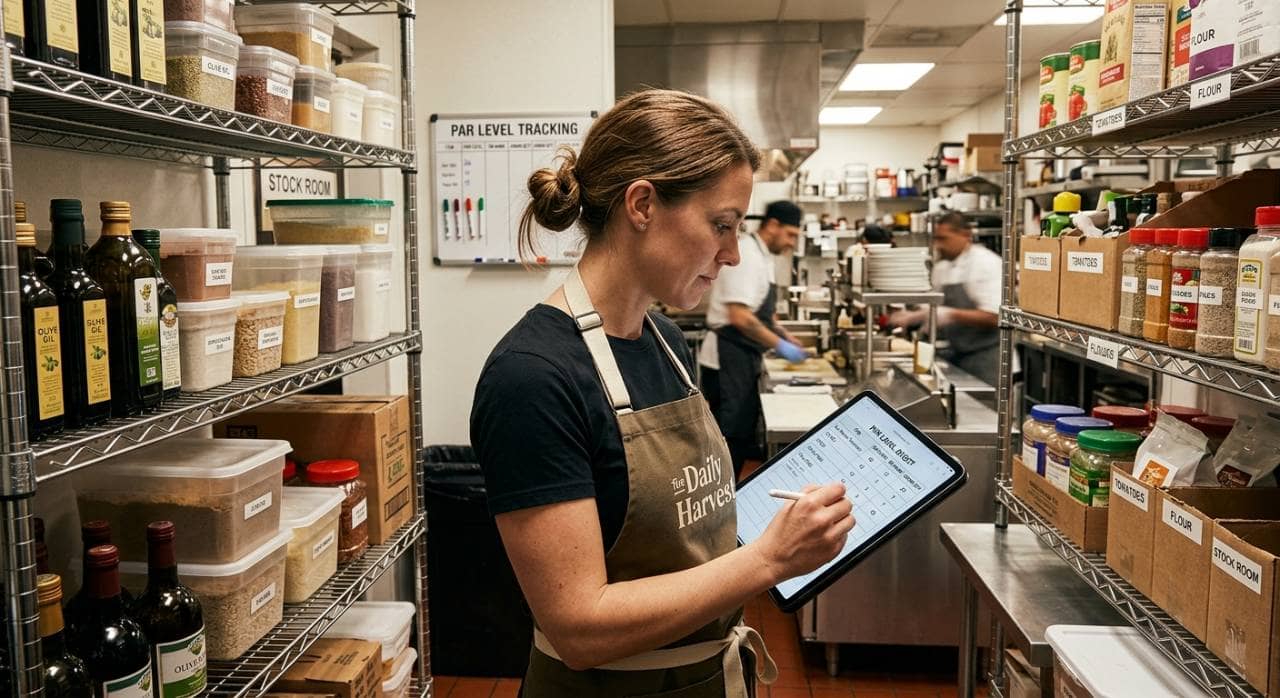
How to Set Par Levels for Restaurant Inventory
Learn to calculate par levels for restaurant food, beverages, and packaging inventory, preventing stockouts and waste through proper formulas.
Back Office
Sep 4, 2026
Learn to calculate par levels for restaurant food, beverages, and packaging inventory, preventing stockouts and waste through proper formulas.
Sep 4, 2026
Caribou Coffee appoints Zane Thomas-Rogers as Chief Operations Officer to strengthen execution across its expanding coffeehouse network.
Sep 4, 2026
Compare the top 10 restaurant POS systems in the USA for 2026. Explore features, pricing, pros, cons, and the best POS options for every restaurant type.
Jul 1, 2026

Learn how to handle restaurant payroll yourself, from calculating hours and wages to managing tips, taxes, and final paychecks.
Sep 2, 2026
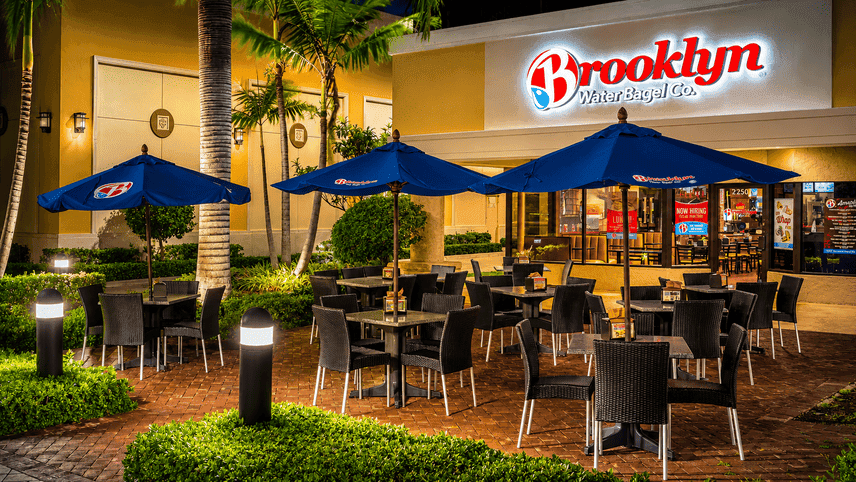
Brooklyn Water Bagel launches its first campus eatery at Nova Southeastern, signaling strategic growth and fresh potential for multi-unit operators seeking new market wins.
Sep 2, 2026
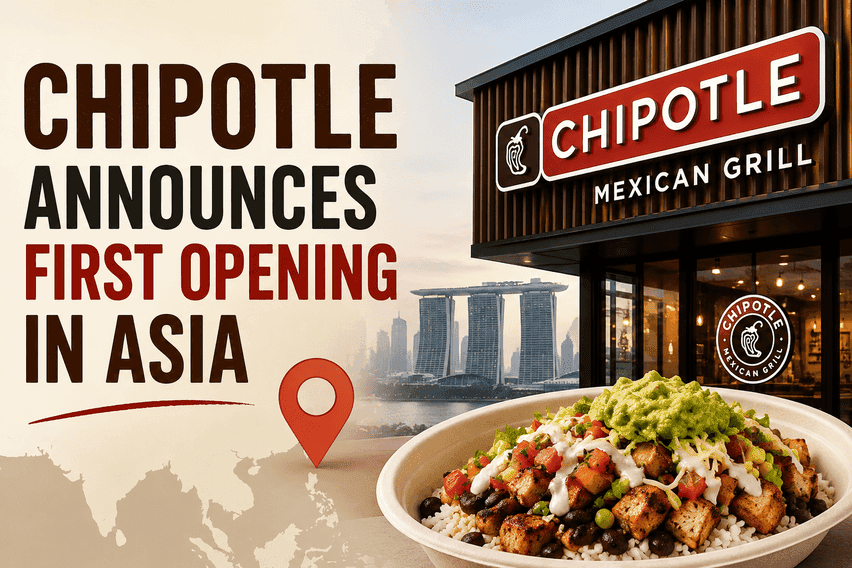
Chipotle makes its highly anticipated entry into Asia with a Seoul opening, partnering with Sangmidang Holdings and setting a template for future international growth.
Sep 2, 2026
Restaurant labor management helps owners optimize staffing, control labor costs, improve productivity, monitor overtime, and maintain efficient restaurant operations.
Sep 2, 2026
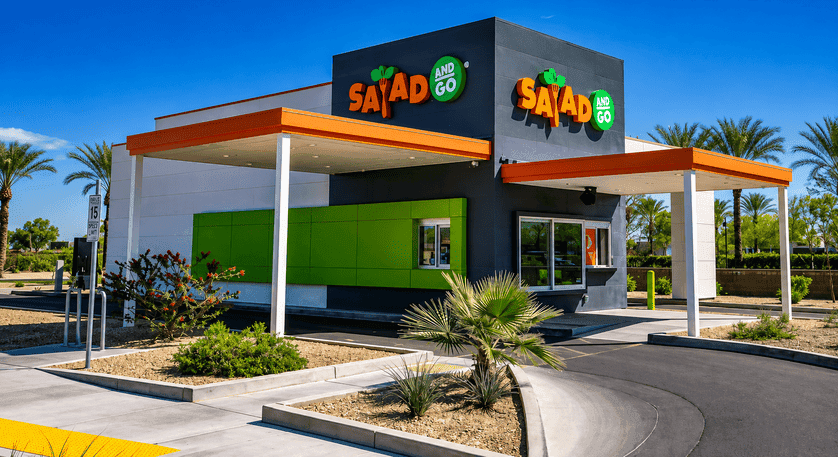
7 Brew has acquired 73 former Salad and Go locations, surpassing Dutch Bros with a $143M bid, signaling a major shift in the competitive landscape for drive-thru brands.
Sep 2, 2026
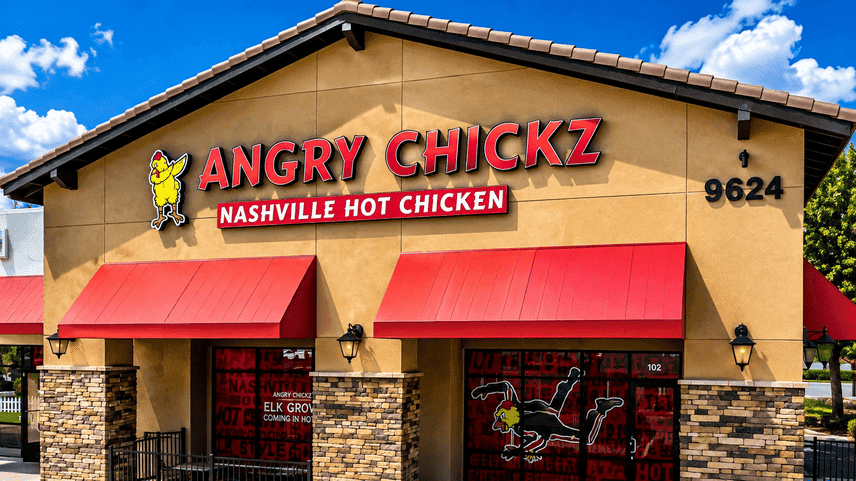
Angry Chickz enters Illinois with its signature hot chicken concept and ambitious plans for Midwest expansion, setting the stage for new franchise opportunities and community engagement.
Sep 2, 2026
Explore restaurant technology trends in 2026, including AI, automation, digital ordering, workforce tools, connected kitchens, personalization, and profitability strategies today.
Aug 28, 2026

Unlock Exclusive Access To Webinars, Events, And The Latest News For Free!
Chill-N uses algorithmic nitrogen flash-freezing to deliver consistent texture, build loyalty, and scale a 16-unit franchise while managing safety and compliance.

Photo by Brooke Lark
Walk into a Chill-N shop and the counter looks more like a lab bench than a parlor, with a periodic table of flavors, chalkboard equations, and hydrogen-white clouds of liquid nitrogen. The Miami-headquartered brand, founded by Danny and Donna Golik in 2012, has turned nitrogen flash-freezing into a consistent, assembly-line experience. It now posts annual sales of $6.8 million across 16 locations in five states, seven corporate-owned and nine franchised. That footprint is gaining traction inside a U.S. ice cream market pegged at $21.64 billion in 2025 and projected to grow 4.2 percent each year through 2033, according to Grand View Research.
The concept traces to an engineering-minded pivot. During a break from medical school, Danny Golik tasted nitrogen ice cream at a northern Florida café and found the textures erratic, rock-hard scoops one visit and runny slush the next. His parents offered a backstop: continue the project or return to his medical studies. Over 12 months in the family garage, he built Lola, a machine that uses algorithms to automate base dosing and nitrogen flow. His mother, Donna, joined the venture, pairing a personal passion for food with her son’s technical rigor. That family calculus, equal parts support and curiosity, set the tone for a brand now associated with precision.
Inside each shop, Lola calibrates the ice cream equation in real time. Sensors read every guest’s selection by size, base, and flavor, then an algorithm calculates the precise volumes of liquid and nitrogen needed to hit a target temperature and crystal size. The system even anticipates ingredient behavior. Strawberry expands under nitrogen and requires less dairy base. Chocolate’s higher fat content needs more time for emulsification.
In under six minutes, the machine whips, chills, and dispenses a stable emulsion that lands texturally between gelato and hard-packed ice cream. The result trims human variability and makes sure the scoop matches the theater unfolding behind the glass.
“The original goal was to avoid overly hard or soupy ice cream that manual mixing could cause,” says CEO David Leonardo, who stepped into the role in 2019. Guests come for the show, but internal data point to texture as the reason they return. Loyalty members account for 28 percent of sales and visit an average of 1.5 times per month. That metric lines up with category data. FoodNavigator reports that novelty ice cream innovation, driven by unique mouthfeel and presentation, generated $8.6 billion in U.S. sales in 2025.

Growth has been steady rather than splashy. The Goliks developed Lola by 2013, began franchising discussions in 2015, and opened markets in Florida, Arizona, Texas, South Carolina, and Tennessee. Under Leonardo’s leadership, sales climbed to $6.8 million annually with 16 units by early 2026. The company is targeting 50 stores within five years and systemwide EBITDA margins of at least 20 percent, a threshold several franchisees already meet. Expansion will concentrate in the Southeast and Southwest with value-driven pricing as a lever.

Market signals support that plan. The U.S. ice cream category is projected to rise from $21.64 billion in 2025 to $30 billion by 2033 at a 4.2 percent CAGR. Franchising is also tilting toward growth as 2026 begins. The International Franchise Association forecasts franchised outlets in the Southeast and Southwest will grow at 1.7 percent and 2.5 percent, aided by business-friendly policies and lower interest rates. At the same time, molecular gastronomy techniques have moved from fine-dining showpieces into mainstream parlors, reinforcing nitrogen-flash ice cream as both entertainment and consumable science.
Questions remain around safety and compliance. The FDA has cautioned against the point-of-sale addition of liquid nitrogen, citing risks of cryogenic burns and asphyxiation if handled improperly. Food Safety Magazine reports that federal regulators recommend only food-grade liquid nitrogen and strict training in current Good Manufacturing Practices. As Chill-N scales, the brand will need to address local health-code interpretations, maintain a stable cryogen supply chain, and invest in continuous staff certification. Clear standards in these areas will guide operations and guest communication in the months ahead.

Chill-N has shown that showmanship and engineering can live comfortably in the same cup. A loyal following, strong loyalty metrics, and a detailed five-year buildout give the team room to push deeper into underrepresented markets. The next phase hinges on disciplined supply chain work, rigorous employee training, and community touchpoints like the Me-We-Us kindness challenge. With consumers gravitating toward higher-value, sensory-forward desserts, the company’s blend of precision and hospitality offers a practical model for turning curiosity into repeat visits and profitability, without giving up consistency or safety.