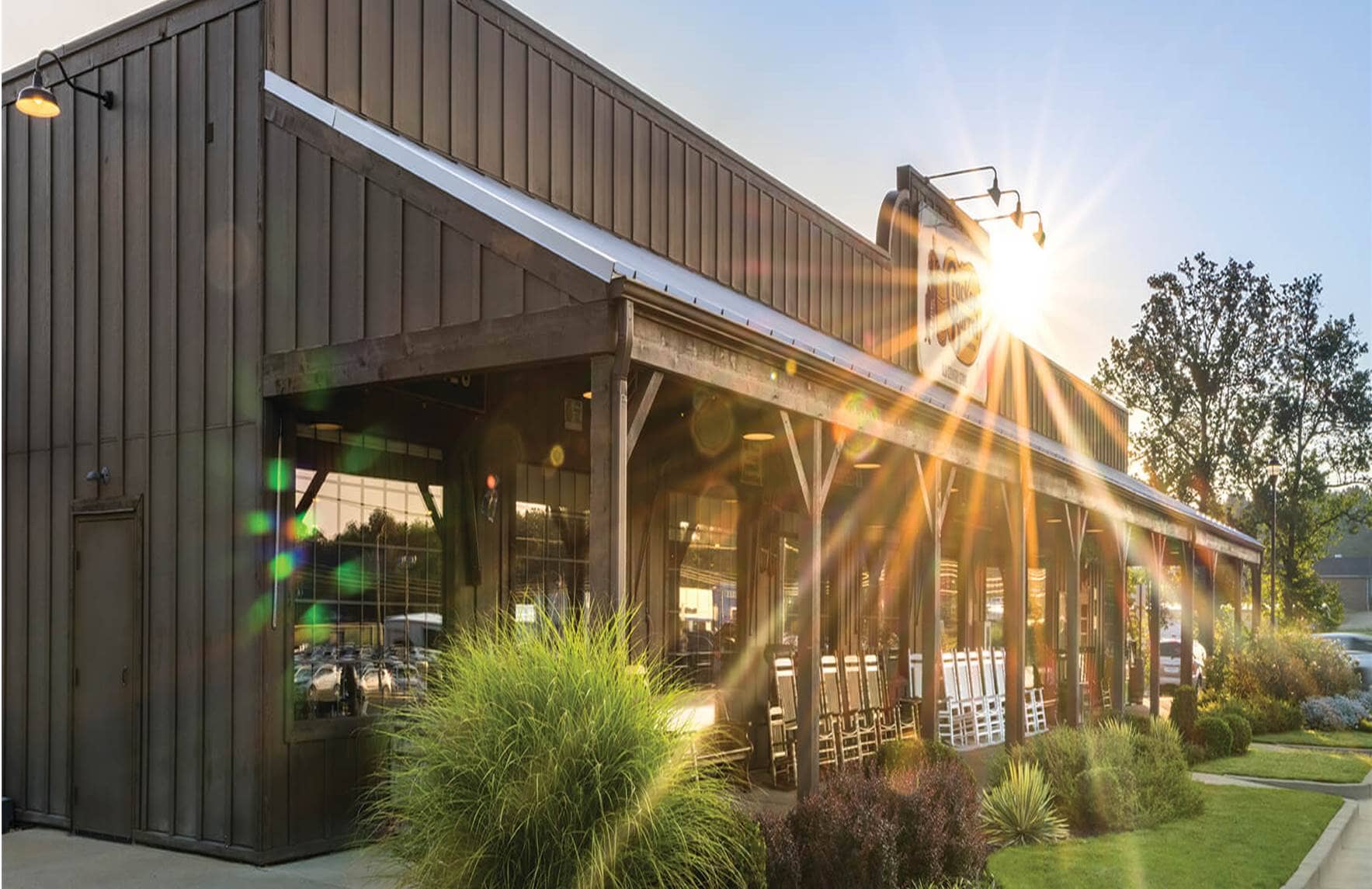
Cracker Barrel Rebounds After Logo Backlash, Refines Plan
After a logo backlash, Cracker Barrel resets with asset sales and a sharper focus, lifts 2026 guidance, and sees shares up 110% as comps stabilize.
news
Jul 22, 2026
After a logo backlash, Cracker Barrel resets with asset sales and a sharper focus, lifts 2026 guidance, and sees shares up 110% as comps stabilize.
Jul 22, 2026

QSRs chase digital, but outdated in-store design kills loyalty. Data shows remodels lift sales and retention—make four walls match the brand promise.
Jul 22, 2026

Federal judge dismisses Starbucks securities suit, finding no intent to deceive, as same-store sales rebound and legal overhang eases.
Jul 22, 2026

Cinnabon grows 30% in U.S. units, adding 308 net stores as flexible formats expand into travel centers and convenience; 95 more openings forecast and 359 in pipeline.
Jul 22, 2026

QDOBA targets 2,000 restaurants in 10 years, powered by franchising and recent securitizations, aiming for $5B sales, $2.7M AUV, and 28% margins.
Jul 22, 2026
Restaurants face June job losses and slimmer summer hiring as operators boost pay, training, and benefits to retain staff amid talent shortages.
Jul 22, 2026
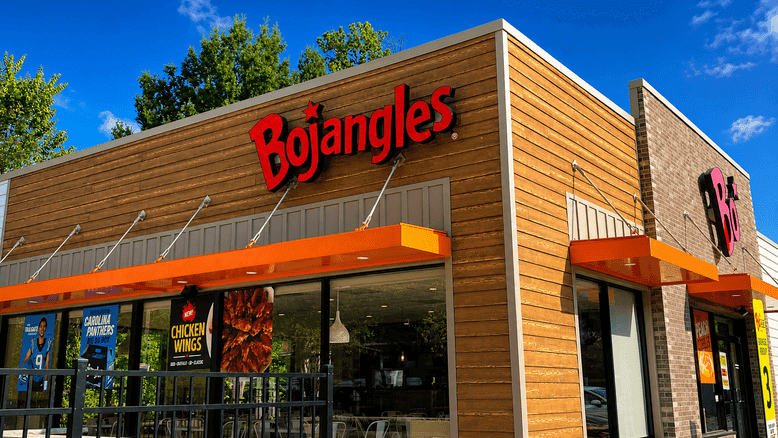
Bojangles is celebrating robust growth as it approaches its 900th restaurant, driven by strategic expansion into new U.S. markets and a renewed focus on franchise partnerships.
Jul 22, 2026

Yum! Brands has promoted Nai De Leon to Chief People & Culture Officer, bringing two decades of transformation expertise to guide the company’s global people strategy.
Jul 21, 2026
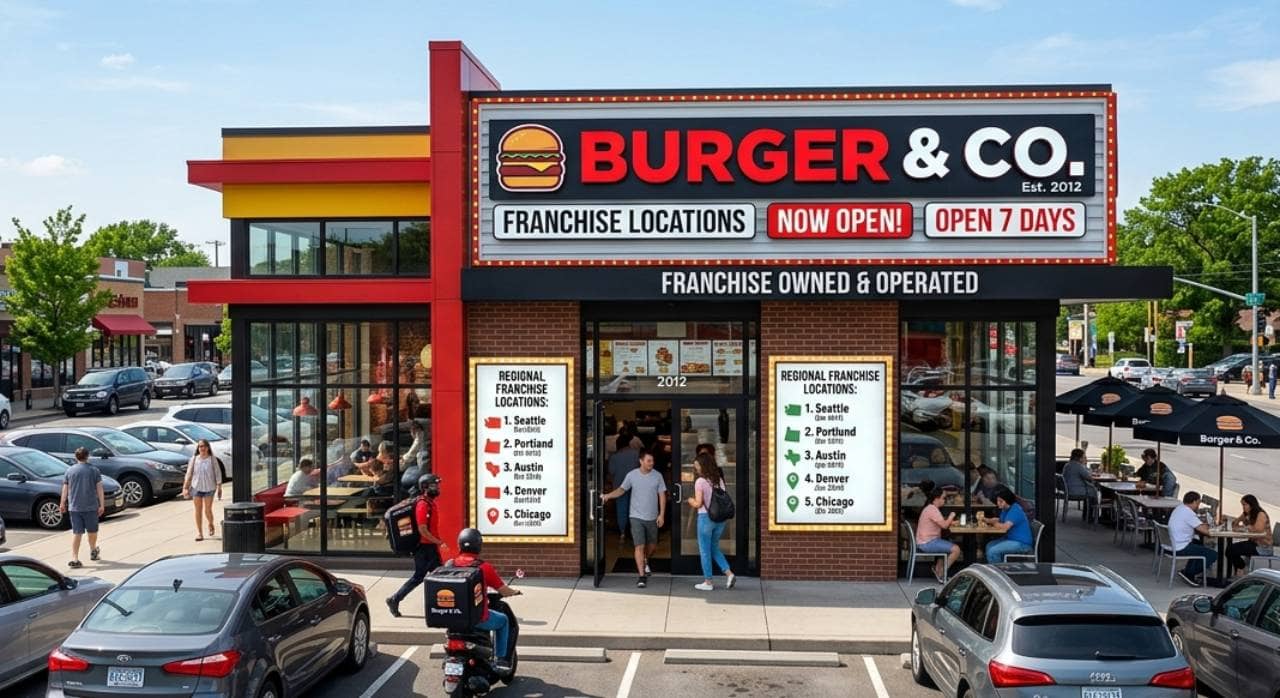
Learn when to sell franchise locations by evaluating financial performance, operations, market conditions, lease terms, and long-term business goals carefully.
Jul 20, 2026

Understand how to calculate labor cost percentage using payroll and sales data while improving scheduling, efficiency, budgeting, and restaurant profitability.
Jul 20, 2026
After a logo backlash, Cracker Barrel resets with asset sales and a sharper focus, lifts 2026 guidance, and sees shares up 110% as comps stabilize.
Cracker Barrel steadied its footing after a bruising year of brand turmoil, and investors are buying the rebound. In the first 11 weeks of its current fiscal quarter, same-store restaurant sales were down 2.5% year over year while same-store retail sales grew 0.5%, an improvement from the prior quarter’s declines of 2.6% and 1.8%.
The company now expects to meet or exceed the high end of its fiscal 2026 guidance, at least $3.3 billion in revenue and $125 million in EBITDA, after upgrading its outlook last month. Shares are up approximately 110.3% year to date through July 21, 2026, according to market data.
Last summer’s logo refresh lit the fuse. The minimalist spin on the barrel-and-untypo mark went viral and drew fire from loyalists who saw it as a break from the brand’s Americana roots. Researcher PeakMetrics found that over 44% of social posts mentioning the overhaul in the first 24 hours were likely generated by bots, which amplified the pile-on and fueled boycott calls.
Traffic slid, bottoming out with a 10% decline, and same-store sales swung from a 5.4% gain to drops of 4.7%, 7.1%, and 2.6% over four consecutive full quarters. Leadership conceded the modernization push undercut customer loyalty.
The fix came fast and focused. Cracker Barrel halted the logo and remodel plan and put the spotlight back on homestyle food, operational consistency, service excellence, and brand heritage. On July 20, 2026, the company announced the sale of Maple Street Biscuit Co. to Biscuit Belly, trimming an underperforming brand that produced less than 2% of systemwide revenue.
It also completed a sale-leaseback of 26 company-owned restaurant properties, generating approximately $77 million in net proceeds to reduce debt. Sale-leasebacks have been a favored lever across restaurant chains, with roughly 714 deals totaling $14.4 billion last year, up 3% in count and 18% in dollar volume versus 2024, according to SLB Capital Advisors.
Chief Executive Officer Julie Masino framed the shake-up as disciplined and long term. “These efforts reflect the discipline we bring to managing our business and balance sheet as we position Cracker Barrel for long-term success and shareholder value creation. Our sale-leaseback transaction will allow us to opportunistically reduce debt while monetizing a portion of our owned real estate at an attractive valuation. Divesting Maple Street sharpens our focus on the core Cracker Barrel brand and is expected to improve profitability,” she said in a statement.
Investors have weighed the better comp trends and higher guidance against near-term charges. Competitors are paying attention too, with Denny’s hiring Cracker Barrel veteran Aaron Howard as its new COO.
There is real cost to the portfolio cleanup. The Maple Street divestiture will bring non-cash charges of $37 million to $39 million and additional cash charges of $6 million to $8 million over the next two fiscal quarters, yet it is projected to become EBITDA accretive in fiscal 2027.
The sale-leaseback proceeds are earmarked to pay down debt, a timely step as leverage costs rise. SEC filings show no sale-leaseback activity in fiscal 2025 and just one transaction that generated $1.7 million in fiscal 2024, which makes the expanded program a meaningful pivot in capital allocation.
Plenty of peers are tapping real estate for liquidity too. Taco Bell executed an $18 million sale-leaseback of seven Ohio units in late 2022, and Zaxby’s closed a $13.4 million deal across six Southeast locations.
The model brings capital and clarity, yet it also creates fixed rent that can squeeze margins if sales weaken. Red Lobster’s struggles are the cautionary example, where commitments outpaced operational flexibility and led to bankruptcy filings and closures. Restaurant-focused REITs have become key counterparties, providing cash while demanding long-term net-lease agreements that can constrain rent escalations and profitability.
Cracker Barrel’s comps are still negative year to date and traffic has not returned to breakeven, which keeps execution front and center. The company’s guidance assumes a friendly macro backdrop and continued cost control, with known variables around labor, supply chains, and shifting consumer tastes.
The recipe from here is straightforward if not easy, keep heritage and hospitality at the heart of the brand, protect the balance sheet, and earn back visits. As the fiscal year winds down, watch the trajectory of same-store trends, leverage metrics, and retail performance to see if this reset produces the long-term shareholder value Julie Masino has outlined.