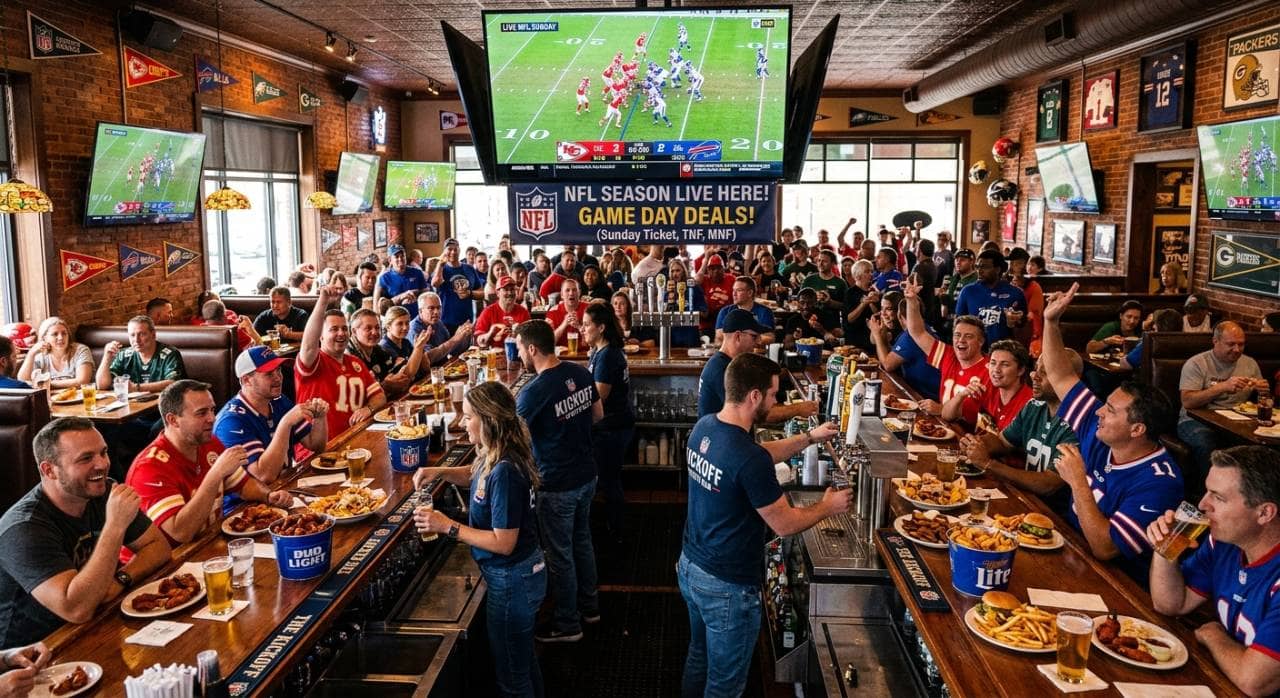
How to Prepare Your Restaurant for the NFL Season
Prepare your restaurant for NFL season with smart menu planning, staffing, marketing, technology, and atmosphere strategies that boost season-long revenue.
Marketing
Sep 9, 2026
Prepare your restaurant for NFL season with smart menu planning, staffing, marketing, technology, and atmosphere strategies that boost season-long revenue.
Sep 9, 2026
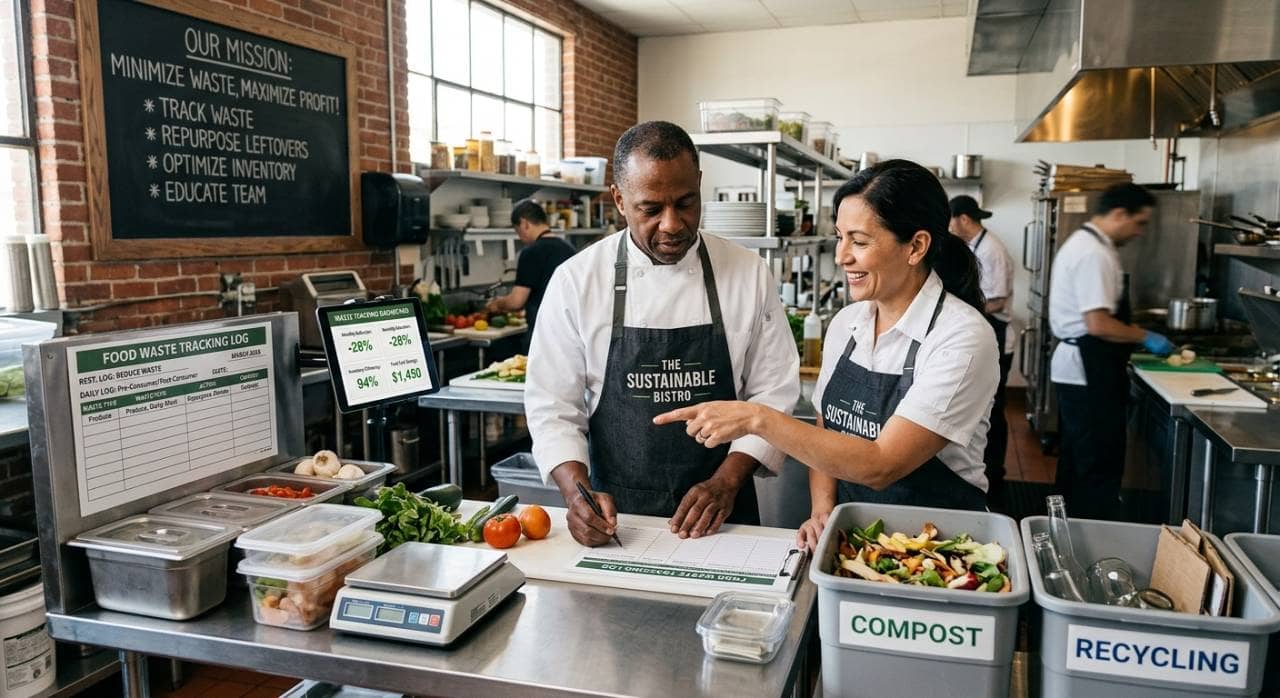
Learn how to reduce food waste in restaurants through smarter purchasing, storage, preparation, and service strategies that cut costs.
Sep 9, 2026
Swig signs franchise agreement for 11 South Denver locations, marking Colorado entry and validating its national expansion strategy.
Sep 8, 2026
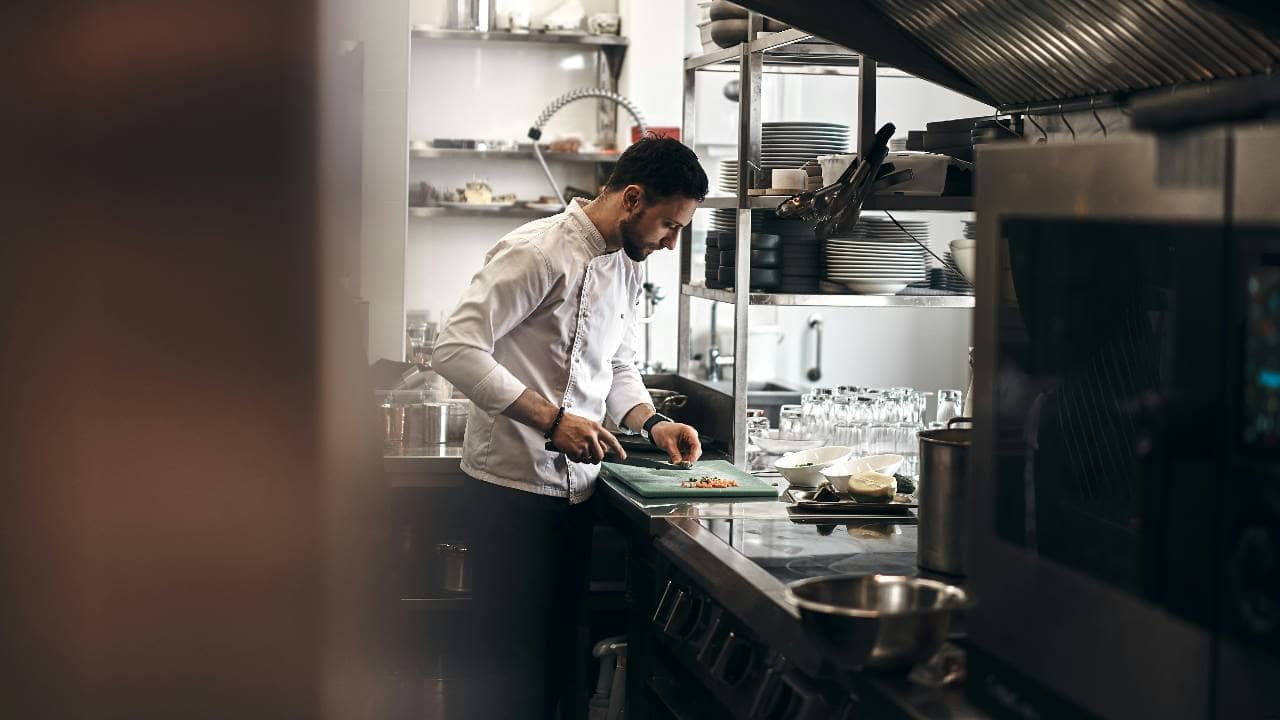
Complete guide helping restaurant owners choose essential kitchen equipment - covering cooking, refrigeration, prep, sanitation, ventilation, safety, and long-term maintenance planning.
Sep 7, 2026
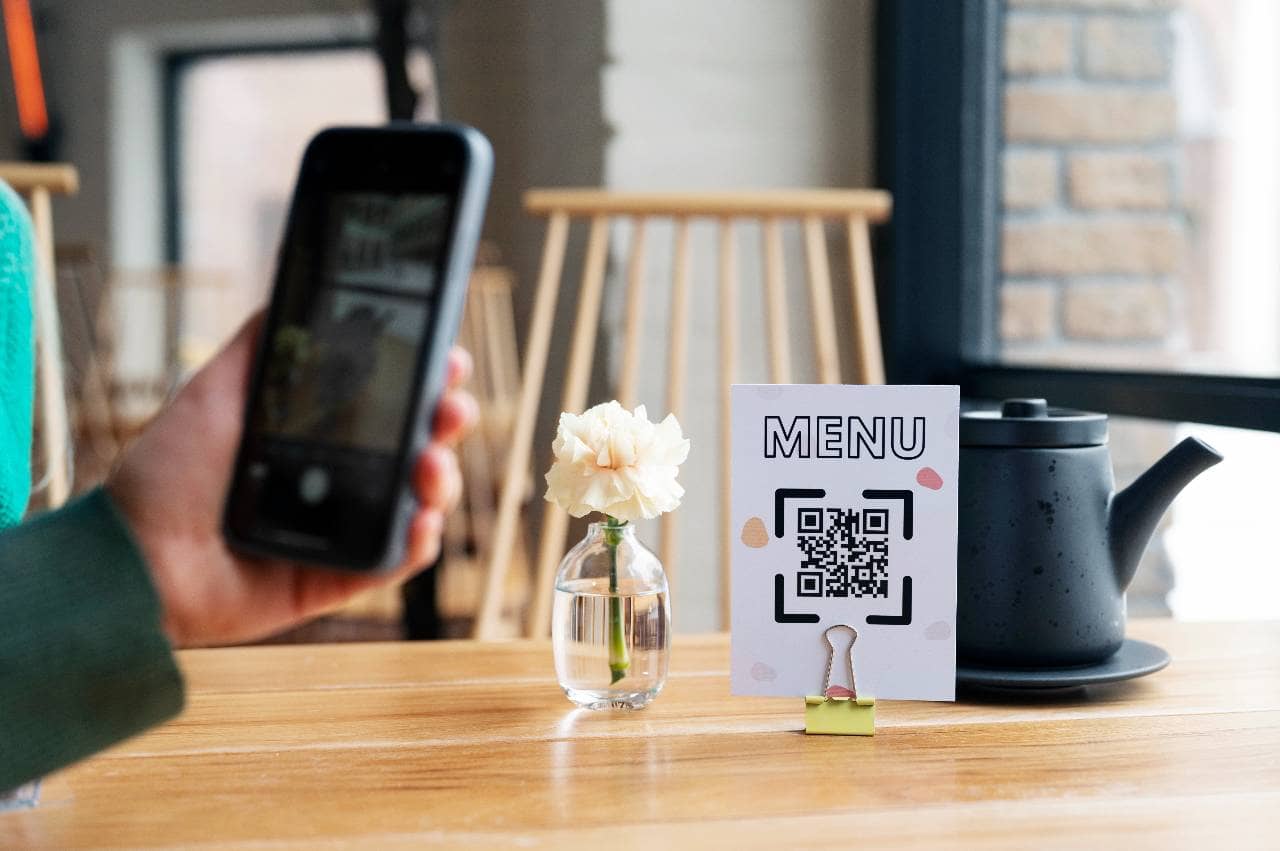
QR code menus let restaurants replace paper menus digitally, enabling instant updates, contactless browsing, ordering, and payment through simple smartphone scanning.
Sep 7, 2026

Avoiding common restaurant payroll mistakes - misclassification, tip credit errors, overtime miscalculations - protects businesses from costly penalties, back pay, and compliance risks.
Sep 4, 2026
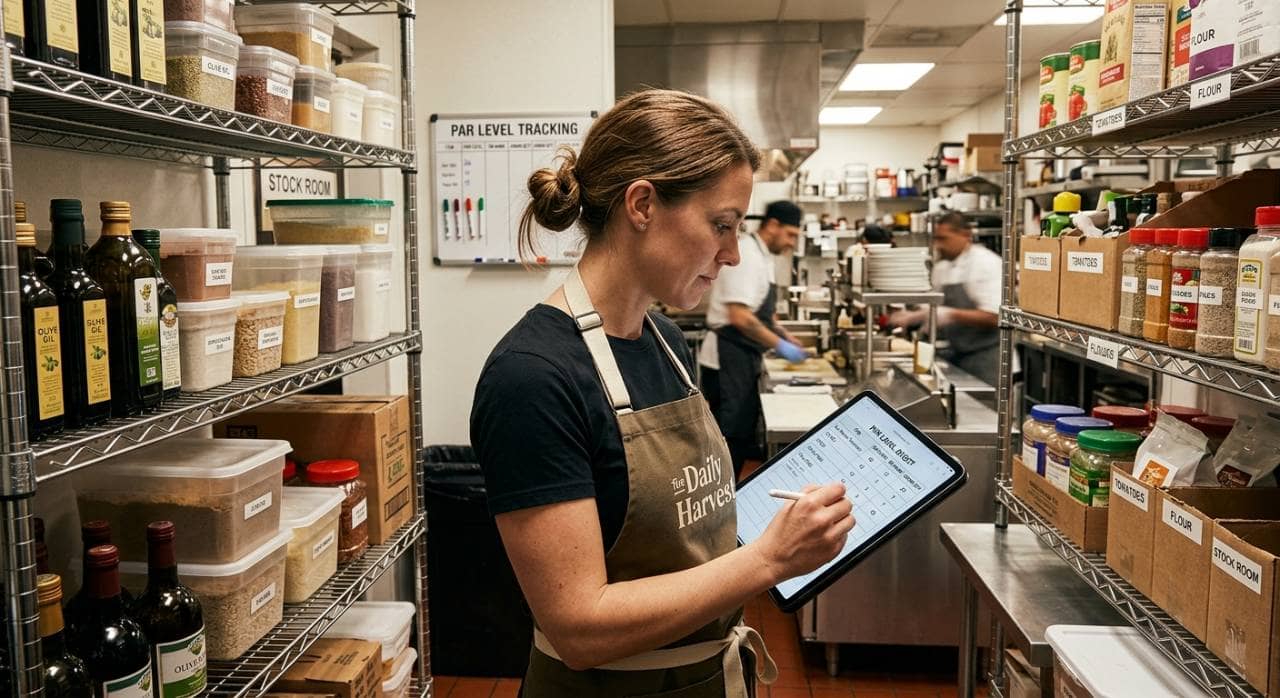
Learn to calculate par levels for restaurant food, beverages, and packaging inventory, preventing stockouts and waste through proper formulas.
Sep 4, 2026
Caribou Coffee appoints Zane Thomas-Rogers as Chief Operations Officer to strengthen execution across its expanding coffeehouse network.
Sep 4, 2026
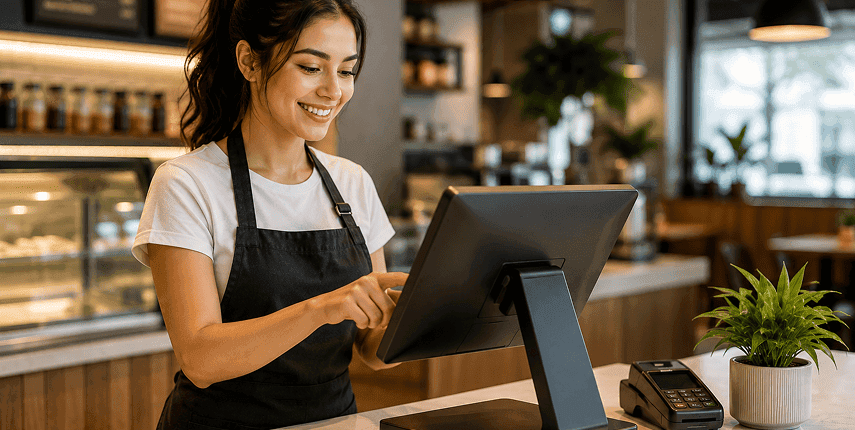
Compare the top 10 restaurant POS systems in the USA for 2026. Explore features, pricing, pros, cons, and the best POS options for every restaurant type.
Jul 1, 2026

Learn how to handle restaurant payroll yourself, from calculating hours and wages to managing tips, taxes, and final paychecks.
Sep 2, 2026

Unlock Exclusive Access To Webinars, Events, And The Latest News For Free!
A shift from event surveys to belief-based feedback maps brand loyalty to frontline power, guided by nine differentiators tying perception to real operations.

Photo by Patrick Tomasso
Feedback in hospitality used to arrive as a sprint after the dinner rush. It was event-driven, the memory of a single table dictating next moves for the team. But that approach misses the bigger pattern, the way guests see your brand across visits, not just one night. The Customer Obsession Advantage is built to fix that. It measures high-level relationship dimensions rather than isolated moments. Founded by Marbue Brown, the framework treats feedback as a map of beliefs that can guide daily decisions. In the eyes of this program, brands sit in four states: Customer Obsessed, Customer Centric/Focused, Customer Aware, or Customer Indifferent. The idea is a map, not a snapshot.
That map is not abstract. A COA study polled 1,228 customers across 22 companies, and the contrasts were striking. It found that among customers who labeled a brand Obsessed, 98% say the firm empowers employees to solve problems; by contrast, just 10% of Indifferent brands achieve that. The numbers tie perception to operations, staff empowerment, ease of service, and moments that surprise and delight, and point toward a pragmatic path to loyalty and advocacy. This is not an abstract theory; it translates into a practical map you can link to training and policies.
Traditional feedback fell into a trap: surveys fixate on granular moments, yet memories condense into beliefs. Guests rely on cognitive shortcuts built over many visits. The COA reframes the problem: ask not about a single meal but about beliefs about your brand, and you start linking perceptions to real operations, how you empower staff, how easy service is, and how you surprise guests. This COA reframes the feedback loop, blending qualitative signals with operational realities and guiding a journey-based CX mindset.
In practice, the nine differentiators map to labor, processes, and guest-facing policies. They measure how well a brand empowers employees to solve problems, how service is made smoother, and how interactions are personalized while creating wow moments that turn casual patrons into advocates. This high-level profile anchors to concrete operational levers, staff training, empowerment protocols, self-service enhancements, and proactive guest care strategies. The continuum moves a brand from customer indifferent to customer obsessed, with real outcomes guiding the map.
