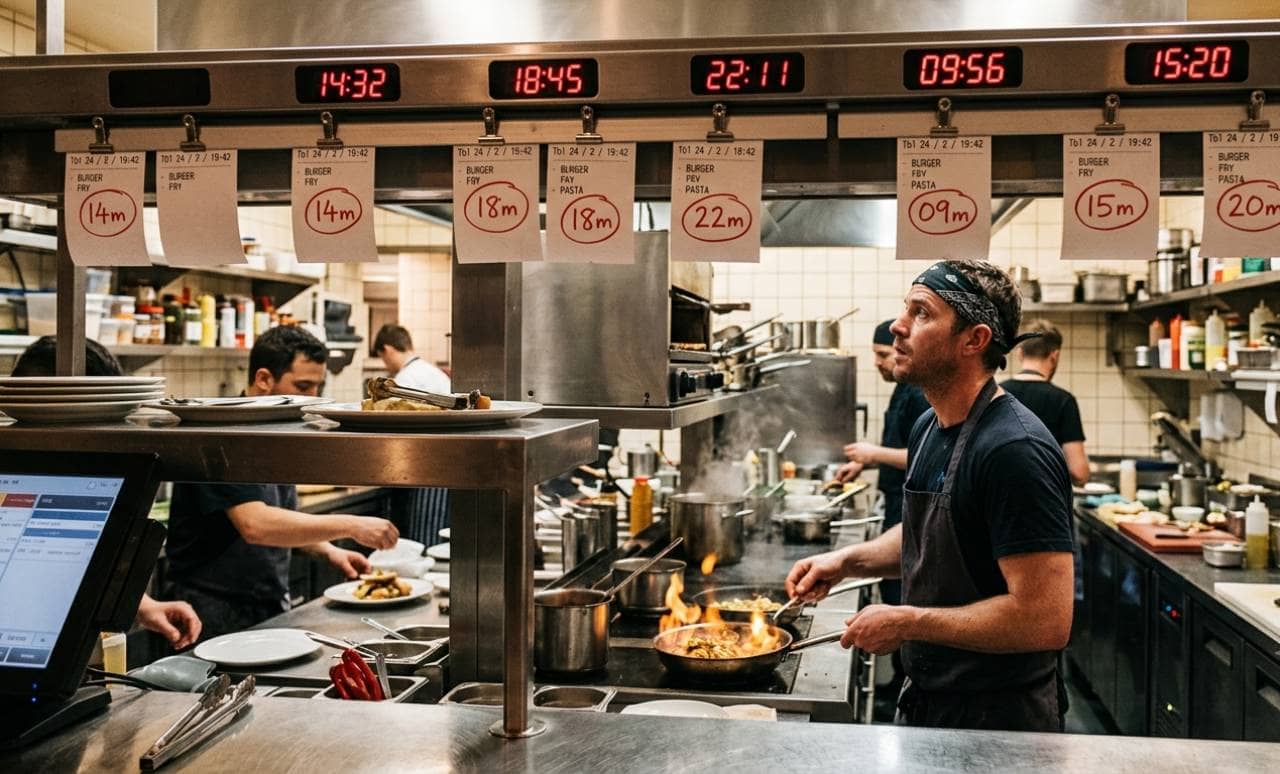
How to Reduce Restaurant Kitchen Ticket Times
Improve kitchen ticket times with practical strategies for better preparation, smoother workflows, stronger communication, smarter staffing, and effective restaurant technology.
back office
Jul 27, 2026
Improve kitchen ticket times with practical strategies for better preparation, smoother workflows, stronger communication, smarter staffing, and effective restaurant technology.
Jul 27, 2026
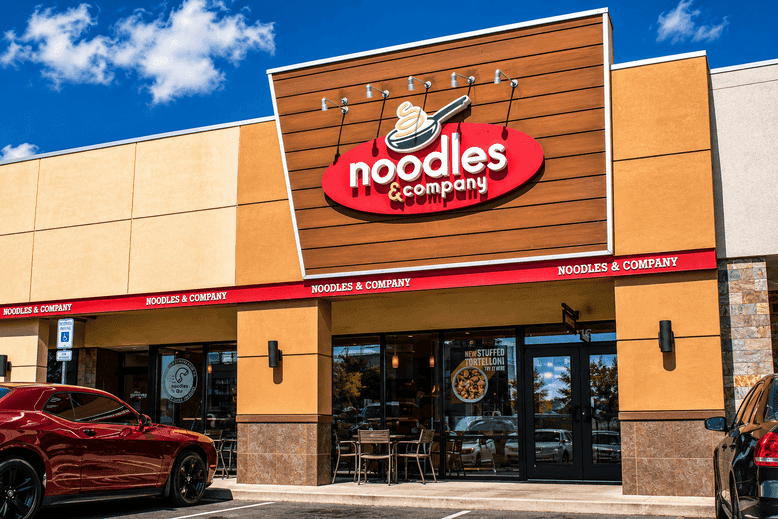
Noodles & Company achieves historic sales growth and operational turnaround in 2026, sharing critical lessons for restaurant owners on boosting traffic, innovation, and team culture.
Jul 27, 2026

Learn how restaurant owners can manage payroll accurately, track labor costs, reduce errors, maintain compliance, and improve workforce profitability efficiently.
Jul 27, 2026
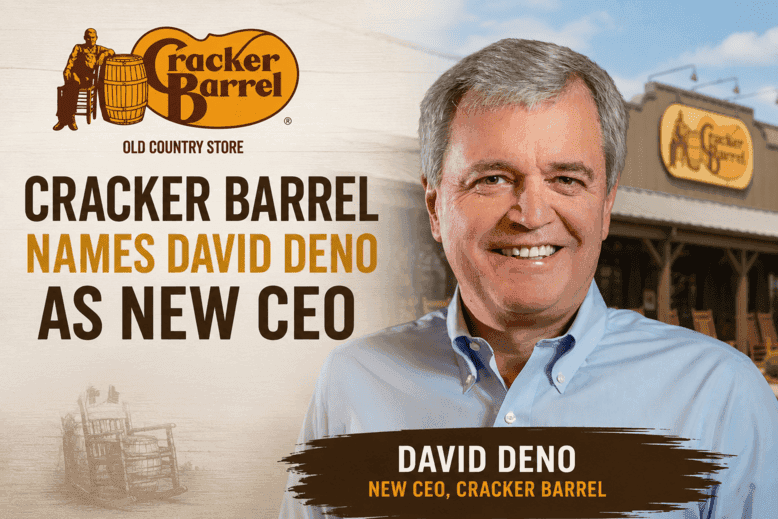
Veteran restaurant executive David Deno assumes the helm at Cracker Barrel, signaling a pivotal moment for the brand’s revitalization. Learn what this means for operators, staff, and industry leaders.
Jul 27, 2026
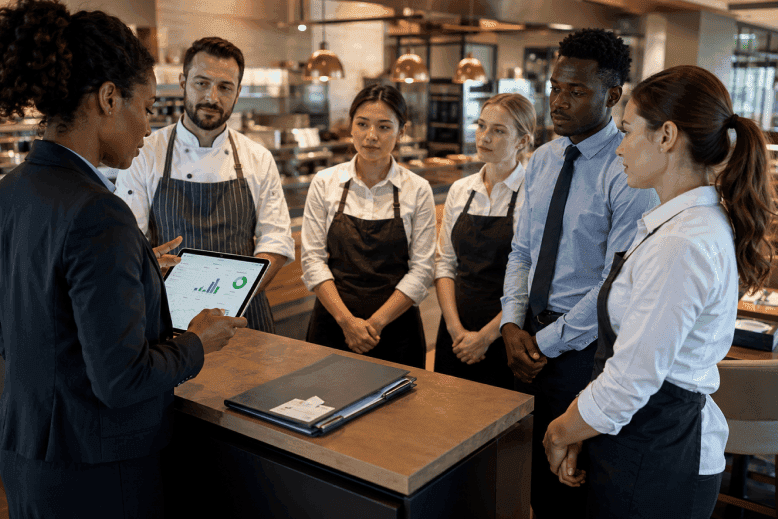
Stay compliant with key restaurant labor regulations in Summer 2026, including minimum wage increases, scheduling laws, and retirement requirements.
Jul 24, 2026
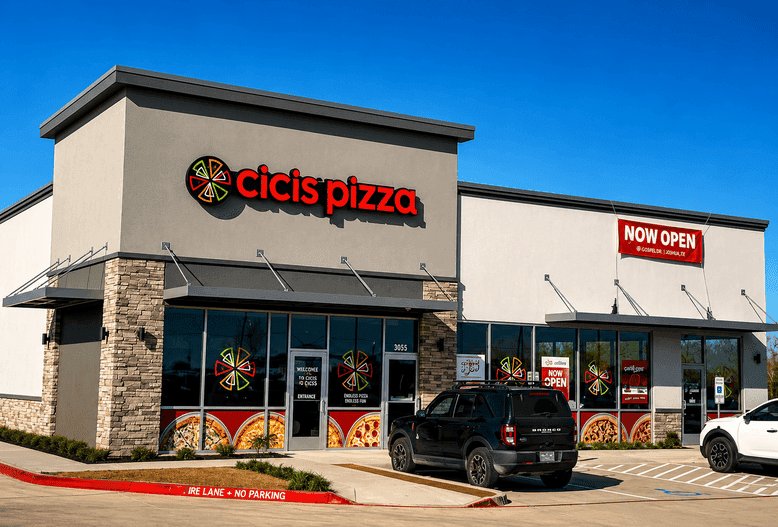
Cicis Pizza’s systemwide sales have surged over 50%, fueled by digital innovation, modern operations, and a revamped franchise strategy. Learn what restaurant owners can take away from Cicis’ transformation.
Jul 24, 2026

Discover how restaurant apps help owners manage labor, payroll, inventory, food safety, reporting, and back-office operations more efficiently every day.
Jul 24, 2026
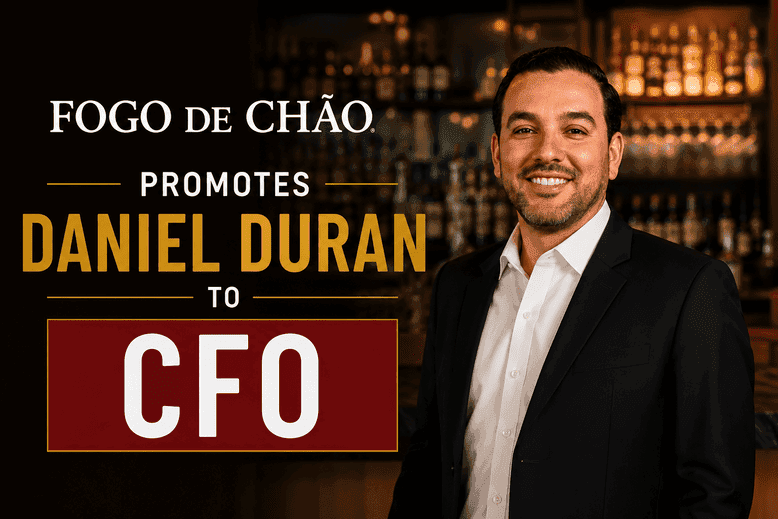
Fogo de Chão has announced Daniel Duran as its new CFO, marking a strategic leadership transition designed to enhance global growth and financial innovation for the renowned restaurant brand.
Jul 24, 2026

Learn how to calculate, benchmark, track, and improve restaurant payroll percentage while balancing staffing costs, sales, service, and profitability effectively.
Jul 24, 2026
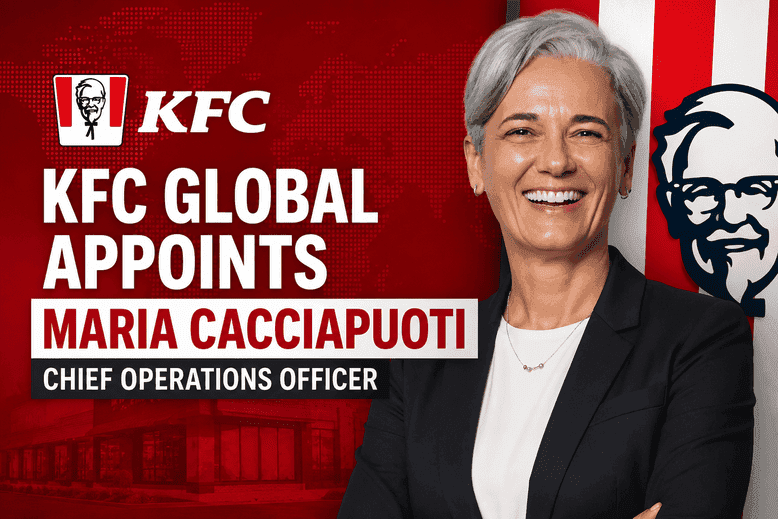
KFC Global has selected experienced leader Maria Cacciapuoti as its new Chief Operations Officer. Discover how her extensive expertise will help shape KFC’s global operations and franchise partnerships.
Jul 23, 2026
Discover how El Pollo Loco's CEO, Liz Williams, transformed restaurant operations to drive efficiency, cost savings, and elevate employee performance.
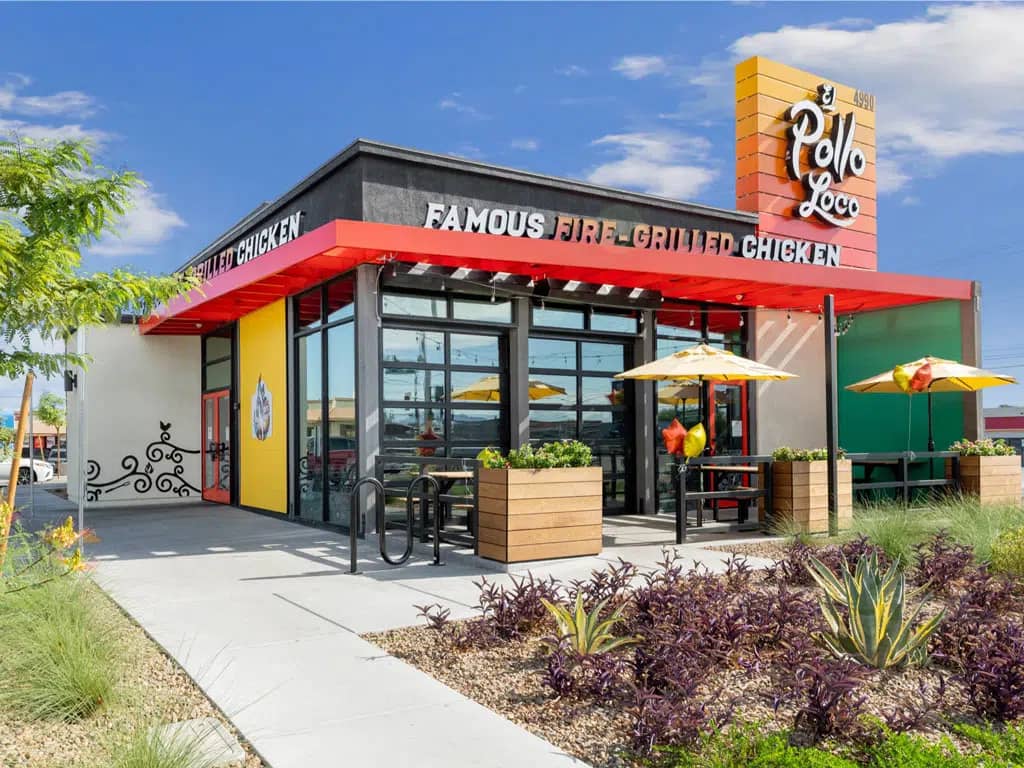
Upon assuming the role of CEO at El Pollo Loco, Liz Williams embarked on a mission to enhance operational efficiency within the restaurant chain. By prioritizing margin improvement and identifying quick wins, Williams aimed to bring margins back to desired levels, creating a more sustainable business model. This strategic focus on efficiency is crucial for long-term success in the competitive restaurant industry.
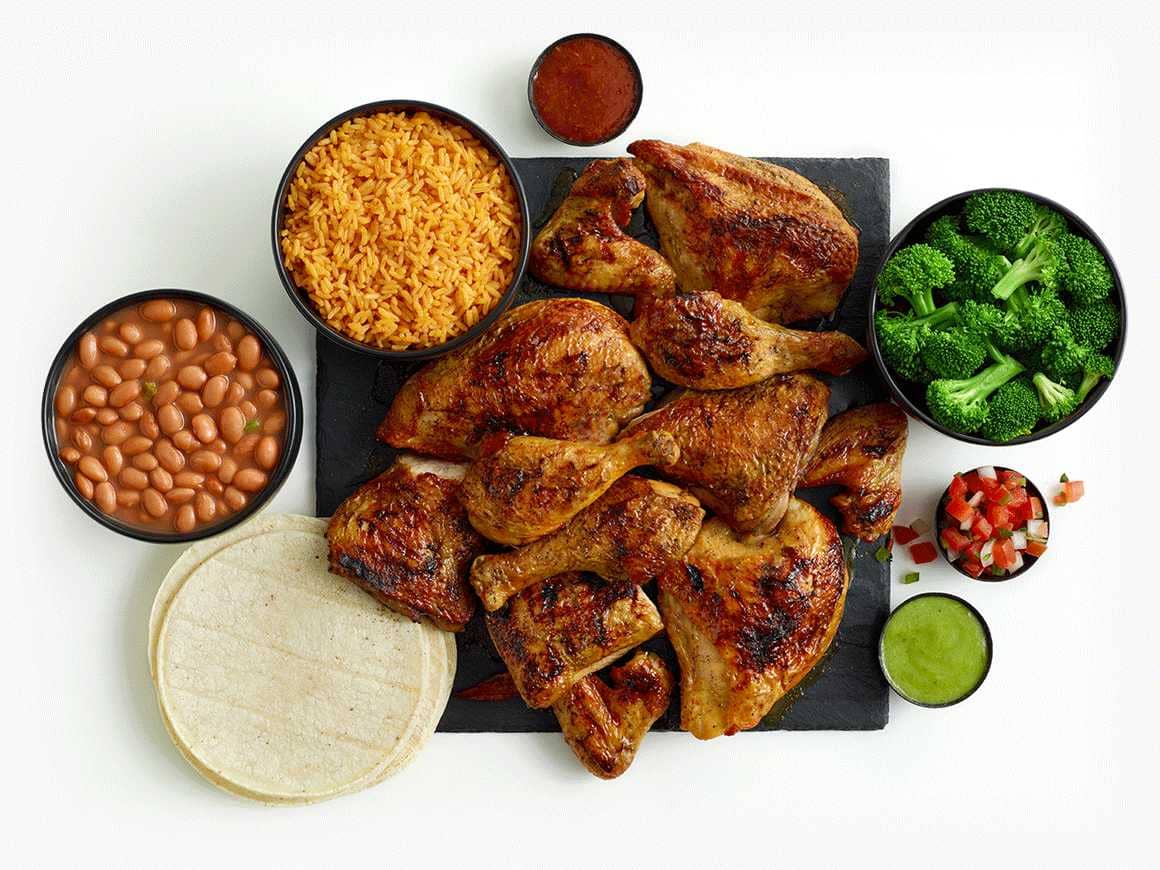
To bolster sales and attract a broader customer base, El Pollo Loco introduced a range of value offerings, including $5 deals on bowls, salads, and burritos. By expanding the menu to cater to different price points, the chain aimed to provide customers with diverse options, showcasing its commitment to offering value in multiple ways. This approach not only drives transactions but also prevents the brand from being pigeonholed as a discount-focused establishment.
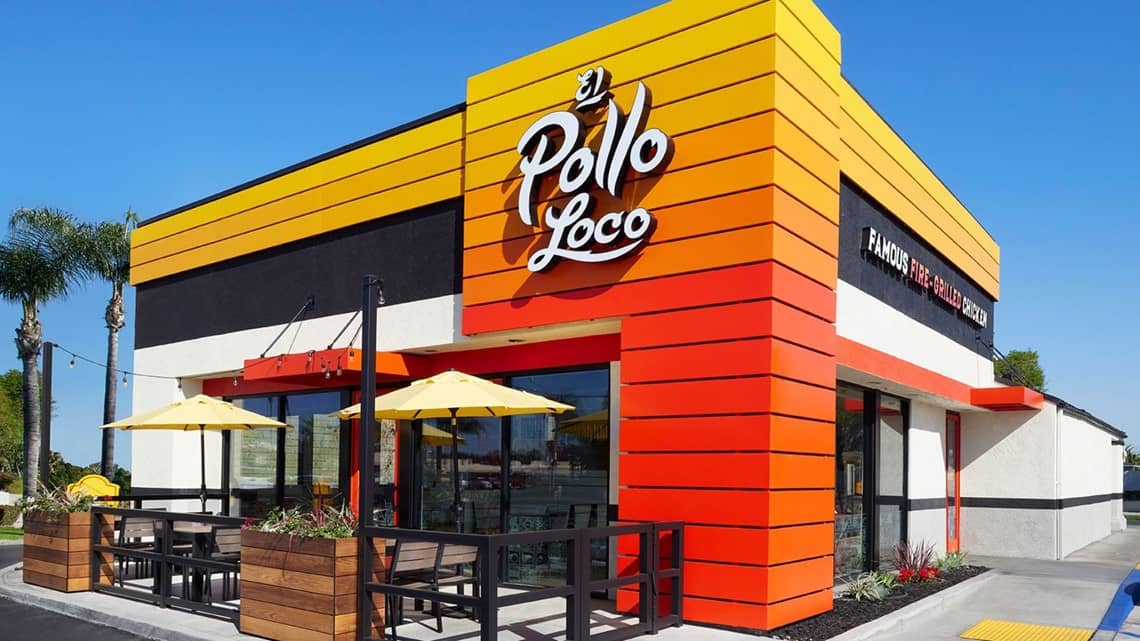
Under Williams' leadership, El Pollo Loco shifted its product strategy to prioritize innovation and brand relevance. By focusing on launching new products and revamping the marketing calendar to showcase fresh offerings, the chain aims to stay ahead of consumer preferences and trends. The introduction of unique items like mango habanero chicken and a potential chicken sandwich signals a departure from industry norms and a step towards asserting its brand identity.
In a bid to optimize costs and streamline operations, El Pollo Loco rolled out new restaurant prototypes and integrated technology solutions like kiosks. By embracing contemporary designs and utilizing technology for efficiency, the chain not only reduces build costs but also enhances the overall customer experience. This strategic approach aligns with modernizing the brand and catering to evolving consumer preferences.
Employee training and development played a vital role in the operational overhaul led by Liz Williams. By implementing new standards and focusing on labor deployment, El Pollo Loco aimed to improve service speed and quality. Empowering employees with the right skills and placing them in strategic roles enhances overall operational effectiveness, leading to a better customer experience and increased operational productivity.