
California Penalizes Dickey's for Franchise Disclosure Violations
California shifts to public enforcement strategy against Dickey's for deceptive franchise disclosures, signaling stricter state-level franchise oversight.
Franchising
Sep 10, 2026
California shifts to public enforcement strategy against Dickey's for deceptive franchise disclosures, signaling stricter state-level franchise oversight.
Sep 10, 2026
Paul Brown temporarily steps away from Inspire Brands as Scott Murphy assumes interim CEO role during confidential IPO filing process targeting late 2026.
Sep 10, 2026
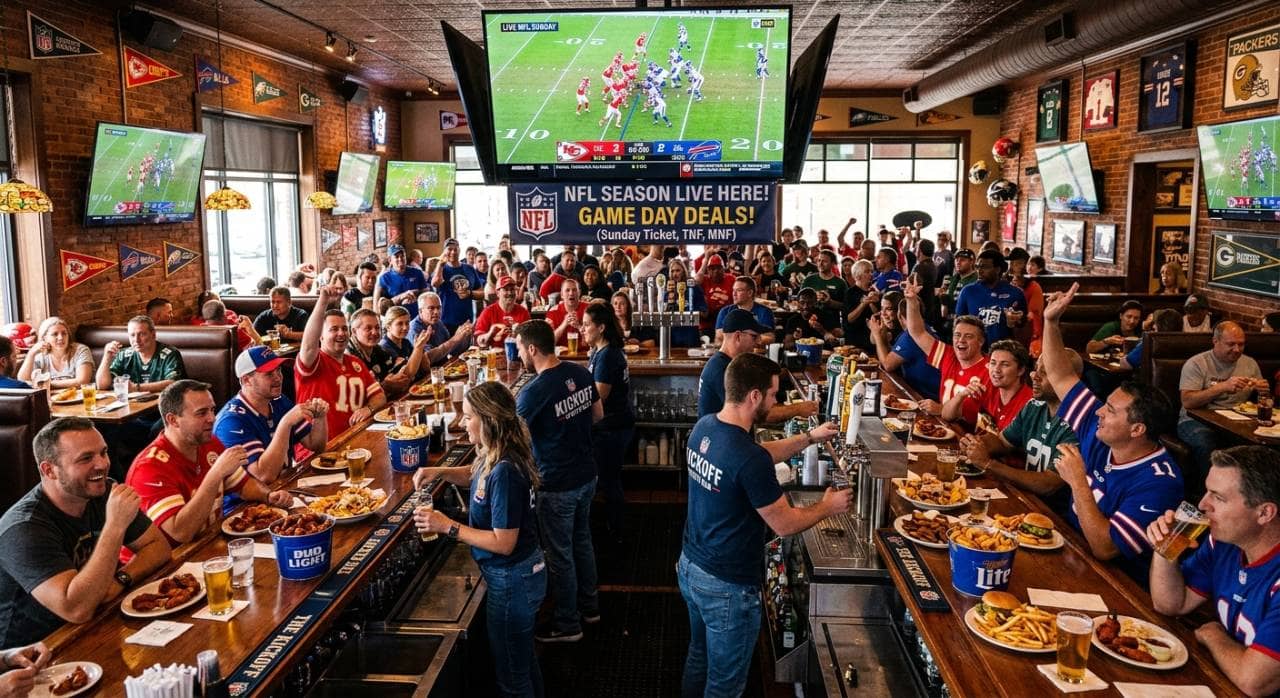
Prepare your restaurant for NFL season with smart menu planning, staffing, marketing, technology, and atmosphere strategies that boost season-long revenue.
Sep 9, 2026
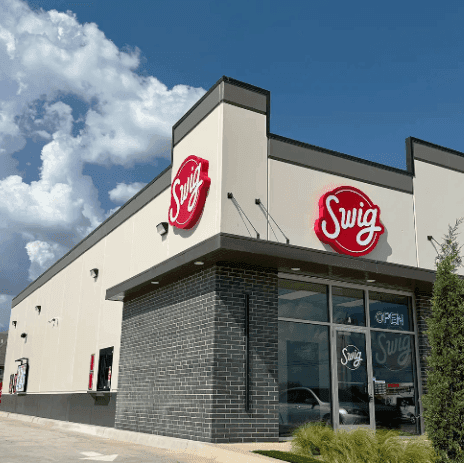
Swig signs franchise agreement for 11 South Denver locations, marking Colorado entry and validating its national expansion strategy.
Sep 8, 2026

Complete guide helping restaurant owners choose essential kitchen equipment - covering cooking, refrigeration, prep, sanitation, ventilation, safety, and long-term maintenance planning.
Sep 7, 2026

QR code menus let restaurants replace paper menus digitally, enabling instant updates, contactless browsing, ordering, and payment through simple smartphone scanning.
Sep 7, 2026

Avoiding common restaurant payroll mistakes - misclassification, tip credit errors, overtime miscalculations - protects businesses from costly penalties, back pay, and compliance risks.
Sep 4, 2026
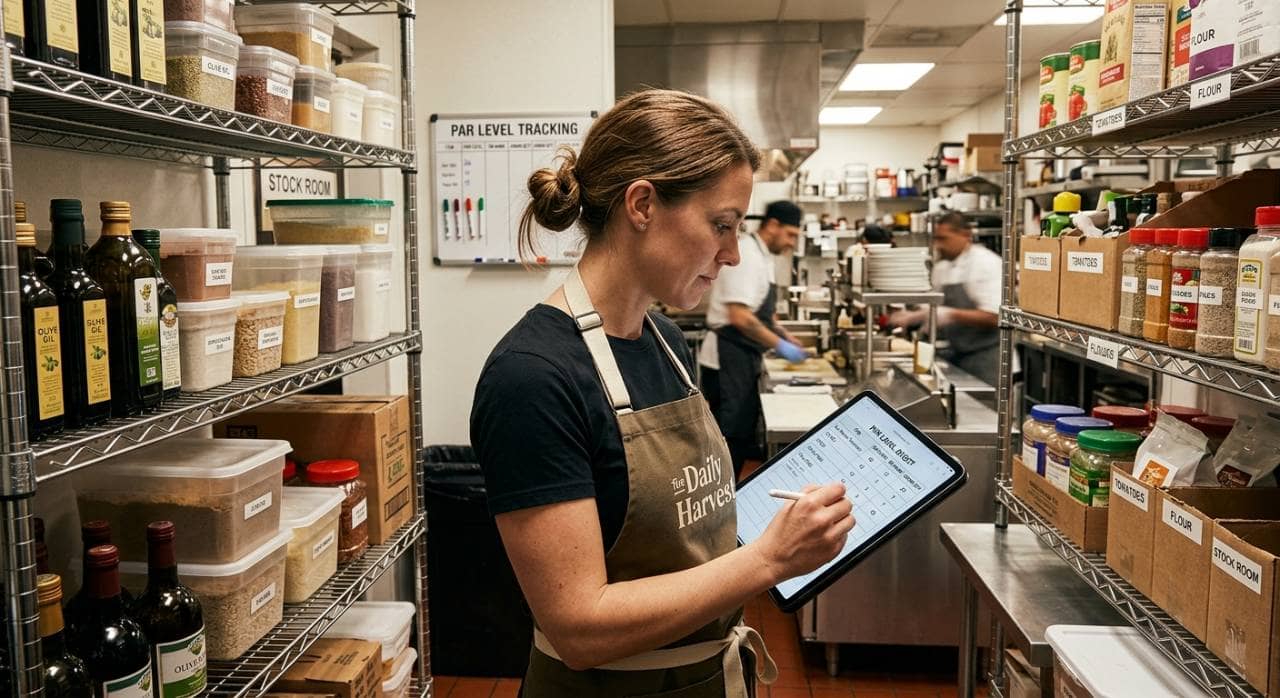
Learn to calculate par levels for restaurant food, beverages, and packaging inventory, preventing stockouts and waste through proper formulas.
Sep 4, 2026
Caribou Coffee appoints Zane Thomas-Rogers as Chief Operations Officer to strengthen execution across its expanding coffeehouse network.
Sep 4, 2026

Compare the top 10 restaurant POS systems in the USA for 2026. Explore features, pricing, pros, cons, and the best POS options for every restaurant type.
Jul 1, 2026

Unlock Exclusive Access To Webinars, Events, And The Latest News For Free!
A refined look at FAT Brands’ Smokey Bones to Twin Peaks conversions, real estate-driven growth, and the Chapter 11 restructuring shaping the portfolio.

Photo by BBQ house
FAT Brands is orchestrating a quiet reinvention of its real estate, turning a Smokey Bones footprint into a Twin Peaks storefront in Lakeland, Florida. The roughly 7,800-square-foot site now operates as Twin Peaks, marking the 15th Twin Peaks venue in Florida and the 114th in the broader system. This conversion is pitched as the opening act in a broader program to maximize asset value by repositioning underperforming properties into higher-performing formats. If successful, the Lakeland example promises a repeatable model: a way to shorten timelines and accelerate turnover by leveraging similar footprints and draw. The idea sits at the crossroads of growth and discipline, a careful choreography rather than a blunt expansion.
Conversations around implementation emphasize structural similarities in square footage and location attributes to accelerate conversions. The Lakeland move is cited as a model for expedited timelines, underscoring a broader plan to convert Smokey Bones locations at scale while minimizing capital disruption. FAT Brands targets a pipeline of around 30 Smokey Bones locations converted into Twin Peaks venues over the next several years, a figure echoed by industry analysis as evidence of a deliberate, repeatable process. Ken Kuick, co-CEO and CFO, notes that the strategy is about efficiency and value creation as much as it is about brand expansion.
Beyond Lakeland, FAT Brands has assembled a diversified portfolio that now encompasses more than 2,300 locations across 18 concepts, including Twin Peaks, Smokey Bones, and Round Table Pizza. The acquisition of Twin Peaks for about $300 million in 2021 and Smokey Bones for around $30 million in 2023 positioned Twin Peaks as the growth engine and enabled targeted conversions to refresh the asset mix and uplift unit economics. This approach, described in investor materials and industry coverage, is a disciplined form of growth: redeploy assets to accelerate capital-efficient expansion.
Analysts describe the model as capital-light acceleration, leveraging existing footprints to reduce risk while expanding brand reach. In FAT Brands materials, the conversion strategy is framed as a central element to refresh the asset mix and to redeploy properties where market dynamics favor Twin Peaks’ higher-margin, polished casual dining profile. Ken Kuick, again, and others emphasize that the program aims to balance growth with capital discipline.
Industry voices and FAT Brands leadership describe the Lakeland and Brandon conversions as early proof points of the model’s viability. Our first Twin Peaks conversion, opened in Lakeland, last September, is exceeding expectations, while our second Twin Peaks conversion in Brandon opened this month and is off to a strong start. These remarks underscore a practical signal: the conversions can deliver faster market entry, stronger unit economics, and meaningful acceleration of growth within the Twin Peaks platform.
Observers caution that broader execution will depend on macro conditions, debt management, and continued operational performance as more sites convert. The early success may foreshadow momentum, but it also invites careful attention to the headwinds that accompany rapid expansion.
Strategically, FAT Brands signaled its intent to separate Twin Peaks from the broader corporate structure through a stand-alone public listing, a plan publicly advanced in mid-2024 when it disclosed confidential submissions of a registration statement related to a Twin Peaks spin-off. The disclosure framed the move as a means to unlock value and provide investors with clearer visibility into Twin Peaks’ standalone performance. In parallel, the company has pursued financing and restructuring options that reflect the expanding scale and complexity of its portfolio.
The spin-off objective remained a focal point of strategic planning as the company managed a rapid growth trajectory through conversions and acquisitions, seeking to present Twin Peaks as a more nimble, capital-efficient identity within a broader landscape.

As of January 26, 2026, FAT Brands and its subsidiaries filed voluntary Chapter 11 petitions in the U.S. Bankruptcy Court, initiating a formal restructuring while continuing to operate in the ordinary course. The move places the company under court oversight as it works to reorganize debt and optimize the capital structure while pursuing the ongoing conversion pipeline. Debtor-in-possession financing has been pursued to support ongoing operations during restructuring, with reports indicating a multi-hundred-million-dollar facility to sustain liquidity through the process.
The proceedings include significant attention from investors and creditors, including ongoing litigation tied to securities concerns and claims related to debt instruments. These dynamics will influence both the pace of conversions and the potential outcomes for asset allocation, ownership structure, and dual-entity prospects for Twin Peaks and related brands.
