
A Complete Guide to Restaurant SMS Marketing
Discover how restaurant SMS marketing works, from building subscriber lists and creating campaigns to improving engagement and measuring marketing performance.
Marketing
Aug 14, 2026
Discover how restaurant SMS marketing works, from building subscriber lists and creating campaigns to improving engagement and measuring marketing performance.
Aug 14, 2026

Learn how to manage cash flow in your restaurant by tracking finances, controlling costs, forecasting needs, and building cash reserves.
Aug 14, 2026

Increase online orders by simplifying checkout, optimizing menus, improving Google visibility, promoting ordering channels, and encouraging customers to order again.
Aug 12, 2026
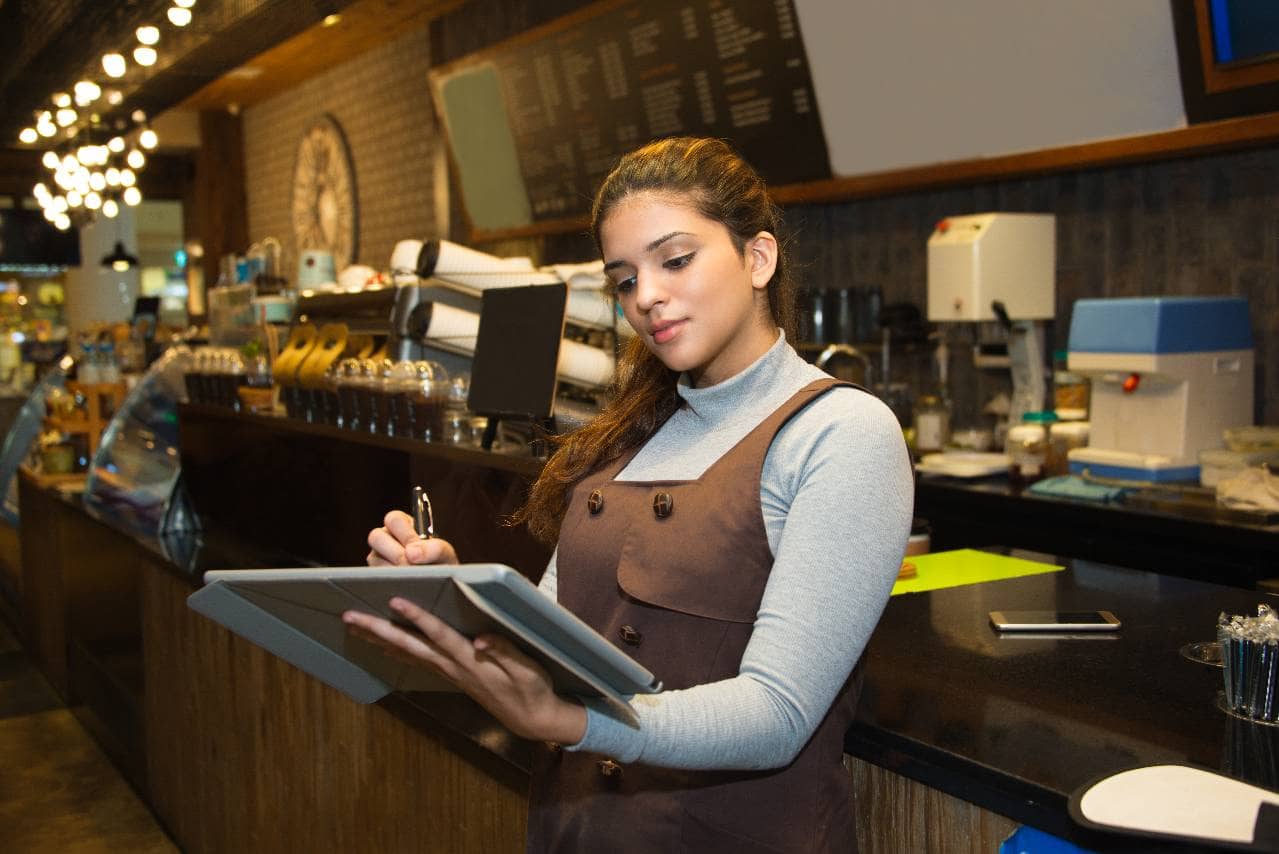
Streamline restaurant back office operations by standardizing workflows, automating repetitive tasks, integrating systems, centralizing data, and improving accountability and efficiency.
Aug 12, 2026
McDonald’s USA has appointed Patrick Gerber as chief restaurant officer, leveraging his decades of global experience to boost operations, food quality, and customer satisfaction in the U.S. market.
Aug 11, 2026
Freddy’s Frozen Custard & Steakburgers promotes Rick Petralia to Executive Chef & VP of Training & Innovation, signaling a strategic focus on culinary excellence and franchisee support.
Aug 12, 2026
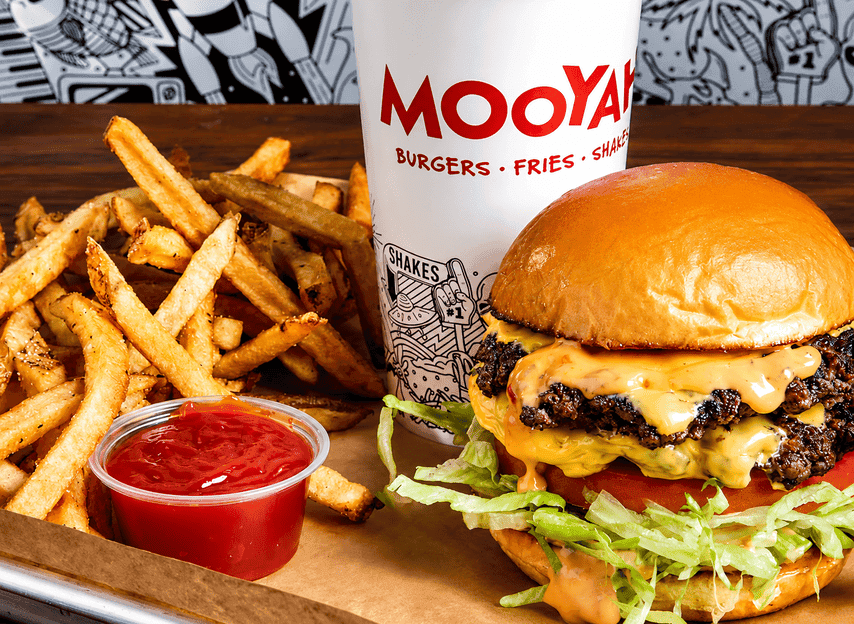
MOOYAH Burgers, Fries & Shakes partners with Great USA Foods LLC to launch a master franchise in the UAE, accelerating international expansion into Dubai and Abu Dhabi. Learn the impact for restaurant owners and growth lessons.
Aug 12, 2026
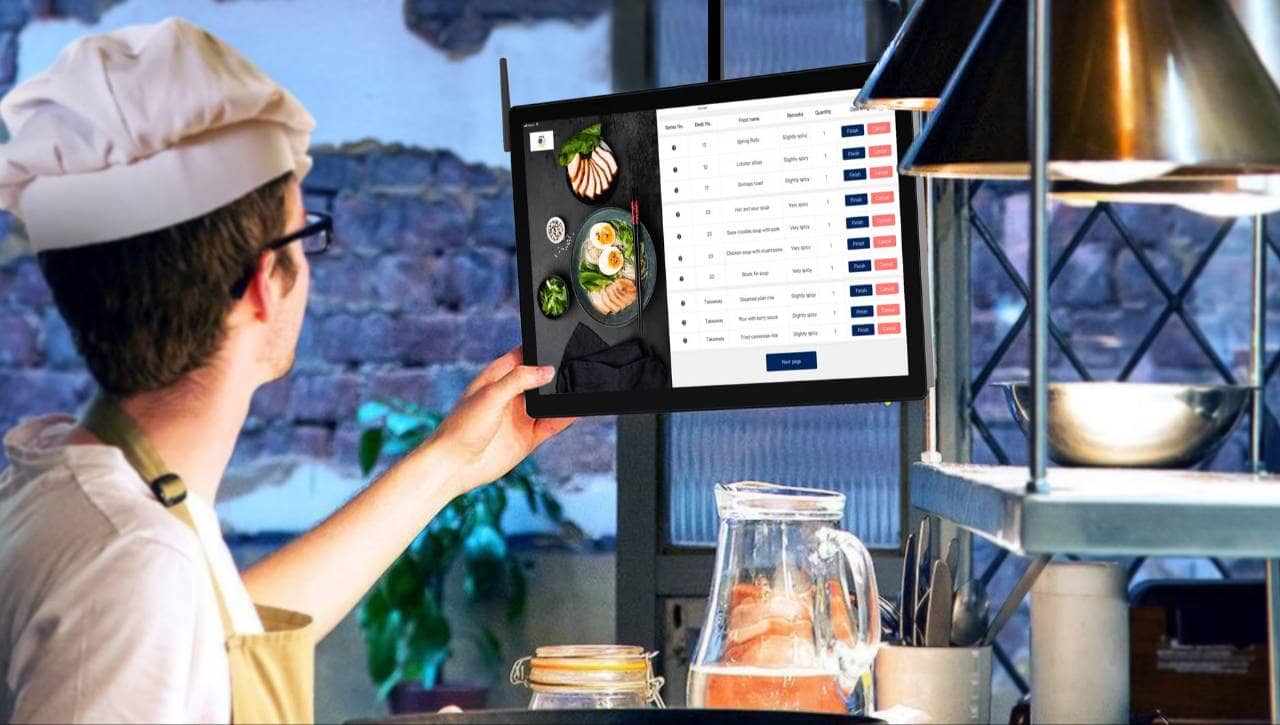
See how a kitchen display system supports faster service, better communication, accurate orders, organized workflows, and improved kitchen performance management.
Aug 10, 2026

Avoiding hiring mistakes helps restaurant owners reduce turnover, control labor costs, improve staffing decisions, and build stronger, more reliable teams.
Aug 10, 2026
Discover how a Zaxbys team member's creative marketing efforts earned her an executive role, and what the move shows about employee-driven branding in restaurants.
Aug 11, 2026

Unlock Exclusive Access To Webinars, Events, And The Latest News For Free!
Learn how to manage cash flow in your restaurant by tracking finances, controlling costs, forecasting needs, and building cash reserves.
Before you can improve cash flow, you need a clear picture of how money currently moves through your restaurant. Cash flow represents the cash coming into your business and the cash going out during a specific period. Maintaining positive cash flow means your restaurant has enough available money to cover everyday expenses and financial obligations. For most restaurants, cash inflows primarily come from dine-in sales, takeout, delivery, catering, online orders, gift card redemptions, and other revenue sources. Cash outflows include expenses such as food and beverage purchases, payroll, rent, utilities, insurance, equipment repairs, marketing, loan payments, taxes, and software subscriptions. Start by reviewing your restaurant's recent financial records and identifying - 1. Total cash coming in - Determine how much money your restaurant actually receives each week or month from all sales channels. 2. Total cash going out - List recurring and variable expenses, including payroll, inventory purchases, rent, utilities, vendor payments, and operating costs. 3. Timing of cash movements - Pay attention to when sales revenue reaches your bank account and when major bills must be paid. Timing differences can create temporary cash shortages even when sales appear strong. 4. Periods of positive or negative cash flow - Compare cash inflows with cash outflows. If more cash is leaving than entering the business, determine which expenses or sales trends are contributing to the gap. It is also important to understand that cash flow is different from profit. Your restaurant may appear profitable on an income statement but still lack enough available cash to pay suppliers or employees if money is tied up in inventory, equipment purchases, debt payments, or other obligations. By establishing a clear baseline, you can identify where cash is being generated, where it is being spent, and where potential problems exist. This gives you the information needed to make better decisions about expenses, purchasing, staffing, and future financial needs.
Once you understand your restaurant's current cash flow, the next step is to track every source of cash coming in and every payment going out. Accurate tracking helps you see where your money is coming from, where it is being spent, and whether your restaurant has enough available cash to meet upcoming obligations. Start by organizing your cash inflows. These may include revenue from dine-in sales, takeout, delivery, online ordering, catering, gift cards, private events, and other income sources. Tracking these separately can help you identify which channels generate the most cash and whether revenue patterns are changing over time. Next, monitor your cash outflows, including - 1. Food and beverage purchases - Record payments to suppliers and distributors for ingredients, beverages, packaging, and other inventory. 2. Payroll and labor expenses - Track wages, overtime, payroll taxes, benefits, and other employee-related costs. 3. Occupancy costs - Include rent, property expenses, utilities, insurance, and maintenance. 4. Operating expenses - Monitor marketing, software subscriptions, cleaning supplies, repairs, credit card processing fees, and other recurring costs. 5. Debt and tax payments - Keep track of loan payments, tax obligations, licenses, and other scheduled financial commitments. Tracking should happen consistently, not only at the end of the month. A weekly cash flow review can help restaurant owners identify problems before they become serious. For example, rising inventory purchases or unexpected overtime expenses may reduce available cash faster than expected. It is also helpful to categorize expenses as fixed or variable. Fixed expenses, such as rent, usually remain relatively stable, while variable expenses, such as food and labor, change based on sales volume and operational needs. Use accounting software, restaurant management systems, or a structured spreadsheet to keep records organized. The goal is to create a reliable view of how much cash your restaurant receives, how much it spends, and when those transactions occur. Consistent tracking gives you the financial visibility needed to control costs, plan upcoming payments, and make better cash flow decisions.
After tracking your restaurant's cash inflows and outflows, create a cash flow budget that shows how much money you expect to receive and spend over a specific period. Unlike a general operating budget, a cash flow budget focuses on when cash actually enters and leaves your business. For restaurants, weekly or monthly cash flow budgets are especially useful because sales and expenses can fluctuate significantly. Payroll weeks, large supplier orders, seasonal slowdowns, equipment repairs, and tax payments can quickly affect available cash. Build your cash flow budget around these key areas - 1. Estimate expected cash inflows - Use historical sales data, reservations, online orders, catering bookings, seasonal patterns, and upcoming promotions to estimate incoming cash. 2. List fixed expenses - Include predictable costs such as rent, insurance, loan payments, software subscriptions, and other recurring obligations. 3. Estimate variable expenses - Project food purchases, labor, utilities, delivery fees, packaging, cleaning supplies, and other expenses that change with sales volume. 4. Include irregular expenses - Account for taxes, equipment maintenance, license renewals, marketing campaigns, repairs, and other costs that may not occur every week or month. 5. Calculate your expected cash balance - Subtract projected cash outflows from expected inflows and add the result to your starting cash balance. For example, if your restaurant begins the month with $25,000 in available cash, expects $80,000 in cash inflows, and anticipates $90,000 in payments, your projected ending balance would be $15,000. Seeing this decline in advance gives you time to adjust purchasing, staffing, or discretionary spending. Avoid treating your budget as a fixed document. Compare your projections with actual results throughout the period. If sales are lower than expected or expenses rise unexpectedly, update the budget immediately. A regularly updated cash flow budget helps you anticipate shortages before bills are due and make more informed decisions about spending, staffing, inventory, and other financial commitments.
Controlling expenses is one of the most effective ways to improve restaurant cash flow. While increasing sales can bring more money into the business, uncontrolled food, labor, and operating costs can quickly consume that additional revenue. Restaurant owners should regularly review their largest expenses and look for opportunities to reduce unnecessary spending without affecting food quality or customer service. Focus on these major cost areas - 1. Manage food costs carefully - Monitor ingredient prices, portion sizes, food waste, spoilage, and purchasing patterns. Compare actual food costs with your targets and investigate significant differences. Avoid overordering inventory, since excess food ties up cash and increases the risk of waste. 2. Control labor costs - Schedule employees based on expected sales and customer demand rather than using the same staffing levels every day. Monitor overtime, early clock-ins, late clock-outs, and unnecessary shift overlap. Matching labor hours more closely to demand can help protect available cash. 3. Review supplier spending - Compare vendor prices, purchasing terms, delivery charges, and minimum-order requirements. Consolidating purchases or negotiating better terms may help reduce costs and improve payment flexibility. 4. Reduce unnecessary operating expenses - Review recurring costs such as utilities, cleaning supplies, repairs, marketing services, subscriptions, and administrative expenses. Cancel services that are no longer necessary and look for areas where spending can be reduced. 5. Monitor expenses against sales - Costs should be evaluated in relation to restaurant revenue. If food or labor expenses increase while sales remain unchanged, cash flow can quickly tighten. Avoid making across-the-board cuts simply to preserve cash. Reducing staffing too aggressively, purchasing lower-quality ingredients, or delaying essential maintenance can create operational problems that may eventually cost more. Instead, focus on improving efficiency. Regularly reviewing food, labor, and operating expenses allows you to identify cost increases early, eliminate waste, and keep more cash available for payroll, supplier payments, emergencies, and other important business needs.
Cash flow management is not only about how much your restaurant earns and spends. When money enters and leaves the business also matters. Even a restaurant with strong sales can experience cash shortages if large payments are due before enough revenue reaches the bank account. Improving the timing of purchases and payments can help you maintain a healthier cash balance throughout the month. Consider these strategies - 1. Review supplier payment terms - Understand when invoices are due and whether vendors offer payment terms such as net 15, net 30, or longer. When possible, negotiate terms that better align payments with your restaurant's cash flow cycle. 2. Avoid paying bills unnecessarily early - Paying every invoice immediately can reduce available cash. Unless an early-payment discount provides meaningful savings, schedule payments closer to their due dates while always avoiding late fees. 3. Plan inventory purchases around demand - Avoid purchasing large quantities of ingredients simply because they are available at a discount. Excess inventory ties up cash that could otherwise be used for payroll, rent, or other obligations. Use sales forecasts and inventory levels to determine how much you actually need. 4. Coordinate major expenses - When possible, avoid scheduling several significant payments during the same week. Equipment purchases, annual subscriptions, insurance premiums, and other large expenses can put unnecessary pressure on your cash balance when they occur simultaneously. 5. Understand payment processing timelines - Credit card, online ordering, and third-party delivery revenue may not reach your bank account immediately. Know how long each payment channel takes to deposit funds so you can accurately plan available cash. 6. Use a payment calendar - Maintain a calendar showing payroll dates, vendor invoices, rent, taxes, loan payments, subscriptions, and other financial obligations. Compare these dates with expected sales deposits to identify potential cash shortages in advance. For example, if payroll and several major vendor invoices are due during the same week, reviewing your payment schedule ahead of time allows you to preserve sufficient cash or adjust purchasing before those obligations arrive. Better timing does not mean delaying necessary payments. It means coordinating cash inflows and outflows strategically. By aligning purchases and payment schedules with expected revenue, restaurant owners can reduce short-term cash shortages and maintain more consistent working capital.
Cash flow forecasting helps restaurant owners estimate how much money will be available in the coming weeks or months. Instead of reacting to shortages after they happen, a forecast gives you time to prepare for upcoming expenses, seasonal changes, and periods of lower sales. Start by estimating your expected cash inflows and outflows for each future period. Use historical sales data, current trends, reservations, catering bookings, seasonal patterns, and known upcoming expenses to make your projections as realistic as possible. Include these areas in your forecast - 1. Projected sales - Estimate revenue based on recent performance, day-of-week trends, seasonal demand, holidays, local events, and upcoming promotions. 2. Payroll obligations - Account for wages, overtime, payroll taxes, benefits, and any scheduled increases in labor costs. 3. Food and inventory purchases - Estimate upcoming purchasing needs based on forecasted sales, menu demand, current inventory levels, and supplier pricing. 4. Fixed operating expenses - Include rent, insurance, utilities, software subscriptions, loan payments, and other predictable recurring costs. 5. Taxes and scheduled payments - Plan ahead for sales taxes, payroll taxes, license renewals, insurance premiums, and other expenses that may only occur periodically. 6. Equipment and maintenance costs - Include expected repairs, preventive maintenance, replacement equipment, and other large operational expenses. It is also helpful to create multiple scenarios. For example, prepare a baseline forecast using expected sales, a lower-sales forecast for slower-than-expected demand, and a higher-sales forecast for stronger performance. This allows you to see how different revenue levels could affect available cash. Forecasting should not be a one-time exercise. Compare your projections with actual results each week or month and update your assumptions when conditions change. By forecasting future cash flow needs, you can identify potential shortages before they occur and make earlier decisions about purchasing, staffing, spending, and cash reserves. This gives your restaurant greater financial flexibility and reduces the risk of being caught without enough cash to cover important obligations.
A cash reserve gives your restaurant a financial cushion when sales decline, expenses increase unexpectedly, or an emergency requires immediate spending. Without adequate reserves, even a short-term cash flow problem can make it difficult to cover payroll, supplier invoices, rent, or equipment repairs. Start by determining how much cash your restaurant should keep available based on its operating expenses and financial obligations. There is no single reserve amount that works for every restaurant, so consider your sales consistency, cost structure, seasonality, debt payments, and exposure to unexpected expenses. Use these steps to strengthen your cash reserve - 1. Set a reserve target - Estimate how much cash your restaurant would need to cover essential operating expenses during a period of lower revenue. Include payroll, rent, utilities, food purchases, insurance, and required debt payments. 2. Build the reserve gradually - You do not need to fund the entire reserve at once. Set aside a portion of available cash each week or month until you reach your target. 3. Keep reserve funds separate - Consider maintaining reserve cash in a separate business account so it is less likely to be used for routine expenses. 4. Use reserves for genuine needs - Cash reserves can help cover unexpected equipment repairs, sudden increases in food costs, emergency maintenance, seasonal slowdowns, or temporary sales declines. 5. Replenish the reserve after using it - If you need to draw from the fund, create a plan to rebuild it once cash flow improves. 6. Review your reserve target regularly - As your restaurant grows, opens new locations, increases payroll, or takes on additional expenses, your reserve requirements may also change. Avoid allowing excess cash to sit idle without a clear purpose, but also avoid operating with such a thin cash balance that one unexpected expense creates a financial crisis. A well-maintained reserve gives restaurant owners more flexibility when conditions change. It can reduce the need to rely immediately on credit, delay important payments, or make rushed cost-cutting decisions. By treating cash reserves as part of your regular cash flow strategy, you can improve your restaurant's financial stability and ability to handle unexpected challenges.
