.png&w=3840&q=70)
Wendy's Top Franchisee Bankruptcy Exposes Growth Risks
Meritage Hospitality's Chapter 11 filing pulls 5% of Wendy's U.S. stores into bankruptcy, exposing cracks in franchising's bigger-is-safer bet.
Franchising
Sep 21, 2026
Meritage Hospitality's Chapter 11 filing pulls 5% of Wendy's U.S. stores into bankruptcy, exposing cracks in franchising's bigger-is-safer bet.
Sep 21, 2026
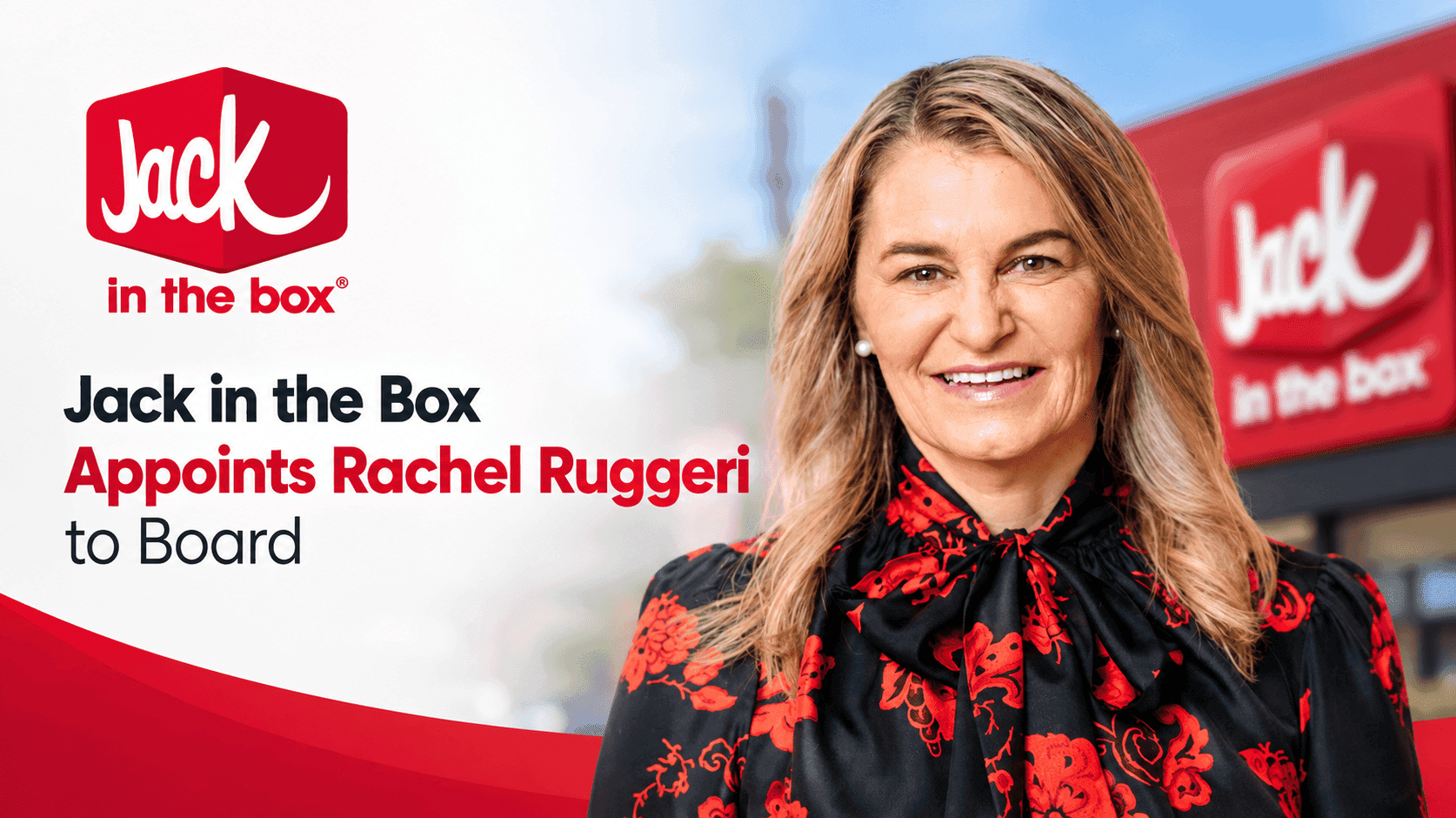
Jack in the Box names Rachel Ruggeri to its board as Michael Murphy retires, amid a CEO transition and deal with investor GreenWood.
Sep 21, 2026

Restaurant inventory tracking helps owners monitor stock, control food costs, reduce waste, improve purchasing, and make informed operational decisions.
Sep 21, 2026
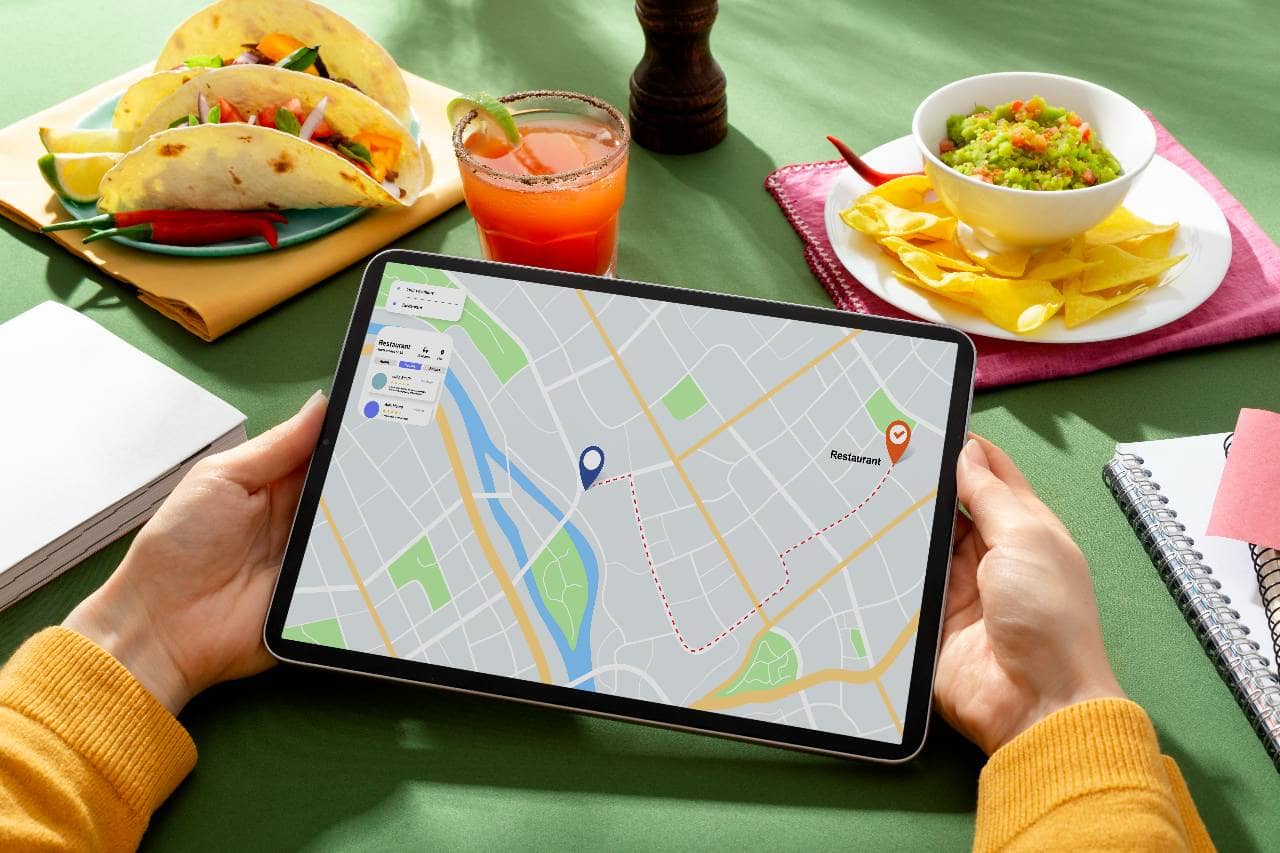
Improve restaurant Google Maps rankings by optimizing your business profile, selecting accurate categories, gathering reviews, adding photos, and strengthening local relevance signals.
Sep 21, 2026
Restaurant owners can significantly reduce restaurant costs by leveraging technology across inventory, labor, procurement, forecasting, and administrative operations for better profit margins.
Sep 18, 2026

Understand how to forecast restaurant revenue and expenses with methods for sales projection, cost scaling, fixed-cost planning, and risk buffering.
Sep 18, 2026

everbowl names Anna Gabele Brand President and Natalie Trzcinski COO, pulling both from Jack in the Box to guide its next growth phase.
Sep 18, 2026

Mountain Mike's Pizza hires Jack in the Box veteran Sheena Dougher as CMO to drive national growth while preserving its regional brand identity.
Sep 17, 2026
From fixed costs to contribution margin, learn exactly how to calculate your restaurant's break even point with confidence.
Sep 16, 2026

DoorDash pays $425M for Wonder's campus dining platform and a stake in Wonder, betting on robotic kitchens and institutional foodservice growth.
Sep 16, 2026

Unlock Exclusive Access To Webinars, Events, And The Latest News For Free!
An online ordering system can promote a restaurant's scalability by driving its sales, profits, and traffic through digital exposure.

Virtual shopping has gained immense popularity among modern consumers, making online payment processing vital for a business's profitability, and the restaurant industry is no exception. A food and beverage business can reach out to new customers and gain visibility in the industry by utilizing an online ordering system that accepts and completes credit card payments. In addition to convenience, restaurant online ordering also allows the buyer to save time by avoiding the line. Therefore, restaurants that implement an online ordering website can maximize customer satisfaction and revenue.
A study conducted by the Nation's Restaurant News shows that online ordering and delivery have grown 300% faster than dining-in since 2014. For the customer, ordering food online is a quick and easy alternative to dining-in. And for businesses, this process can be just as simple by utilizing the proper software. A restaurant that already has a point-of-sale (POS) solution that includes online ordering just needs to activate the feature. Although some systems require an additional monthly and setup fee to integrate an ordering platform with the established software. Once the processes are integrated, all online food orders are sent to the kitchen staff through the POS system. The alert will show the time of the request, along with the delivery instructions, depending on if the order was placed in-house or through a third-party app. If the POS software does not offer an ordering system, management should check with the provider about its integration capabilities. In most cases, an app or software can be downloaded into the system and will be available immediately. Restaurants that do not utilize software and want to implement online food ordering need to verify that their websites can handle high volumes of traffic. Businesses should have a robust e-commerce site that can integrate with POS software in case of high volumes of customers.

There are several options for restaurants wanting to expand their food ordering options. Depending on the company's wants and needs, they can manage digital order placement via- POS Add-Ons These features are prebuilt into the software but typically cost more per month to activate. Add-ons have several advantages, including-
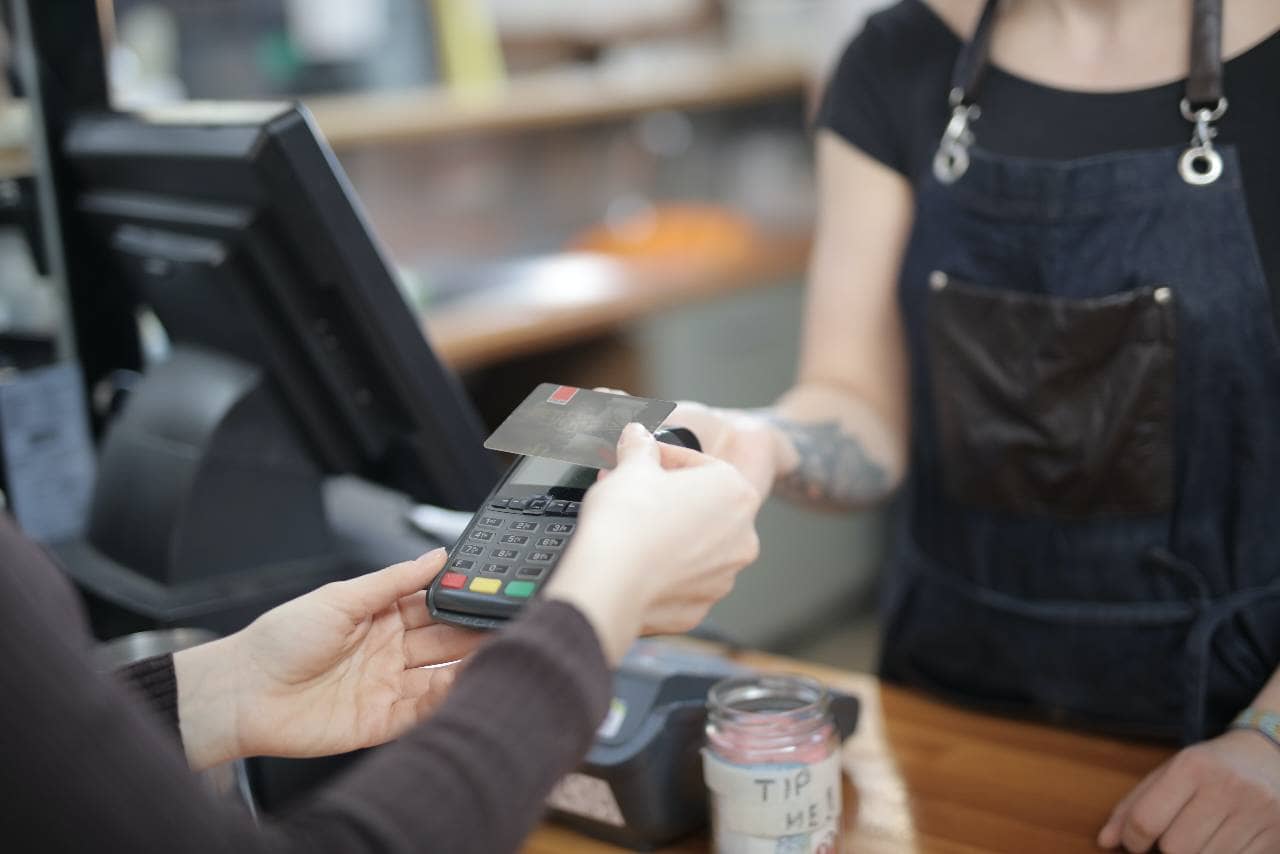
Third-Party Systems These applications are designed to enhance the efficiency of a restaurant online ordering system. They can be easily downloaded from an app store or integrated with a website. Third-party ordering platforms benefit establishments because they-

Delivery Apps Most commonly used through mobile apps, these solutions rely on external workers to pick up and deliver customer orders. Some of their advantages include-
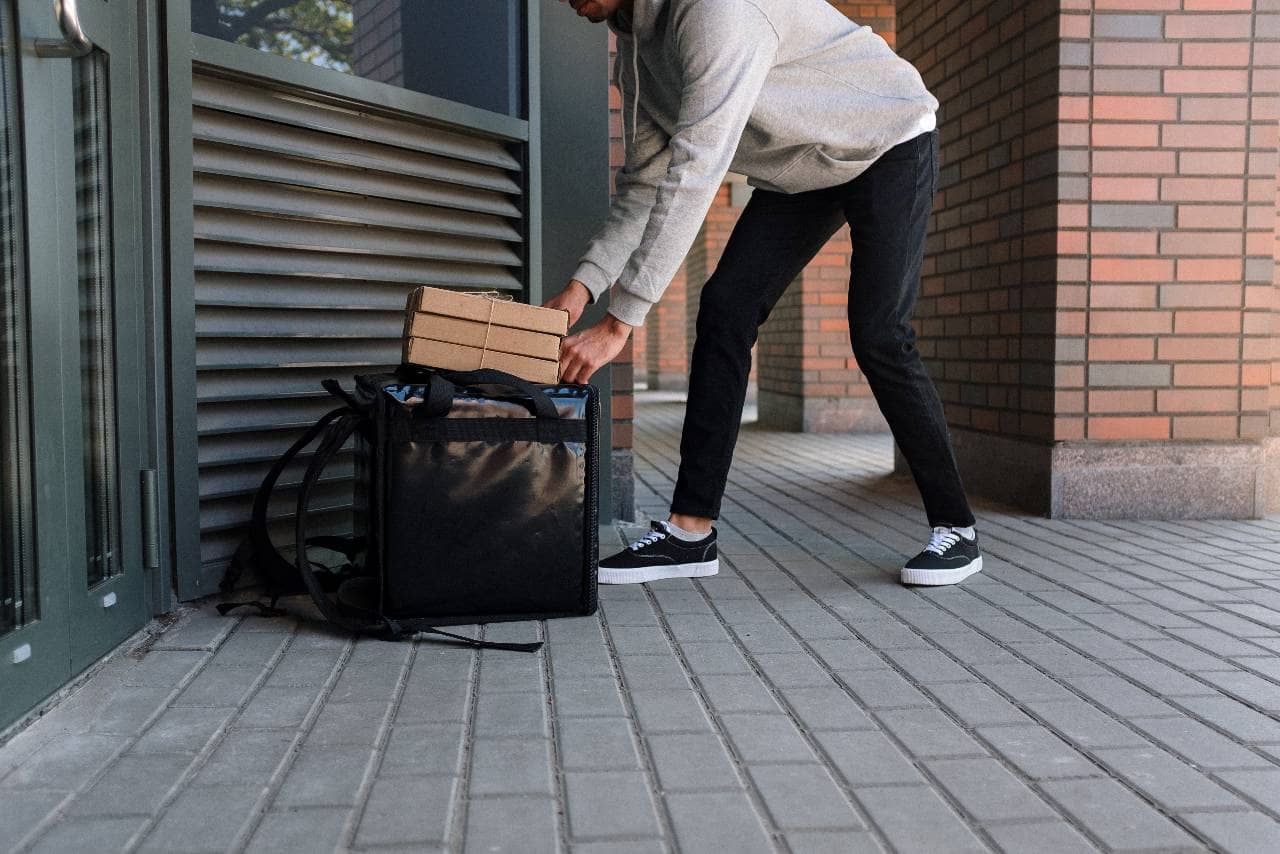
Implementing an online ordering website ensures a restaurant is extending its services to all potential customers. A report by PMQ Pizza Magazine disclosed that consumers who place a digital order visit the restaurant 67% more than those who do not use online solutions. Restaurant ordering systems have many other benefits, such as-