.png&w=3840&q=70)
Wendy's Top Franchisee Bankruptcy Exposes Growth Risks
Meritage Hospitality's Chapter 11 filing pulls 5% of Wendy's U.S. stores into bankruptcy, exposing cracks in franchising's bigger-is-safer bet.
Franchising
Sep 21, 2026
Meritage Hospitality's Chapter 11 filing pulls 5% of Wendy's U.S. stores into bankruptcy, exposing cracks in franchising's bigger-is-safer bet.
Sep 21, 2026
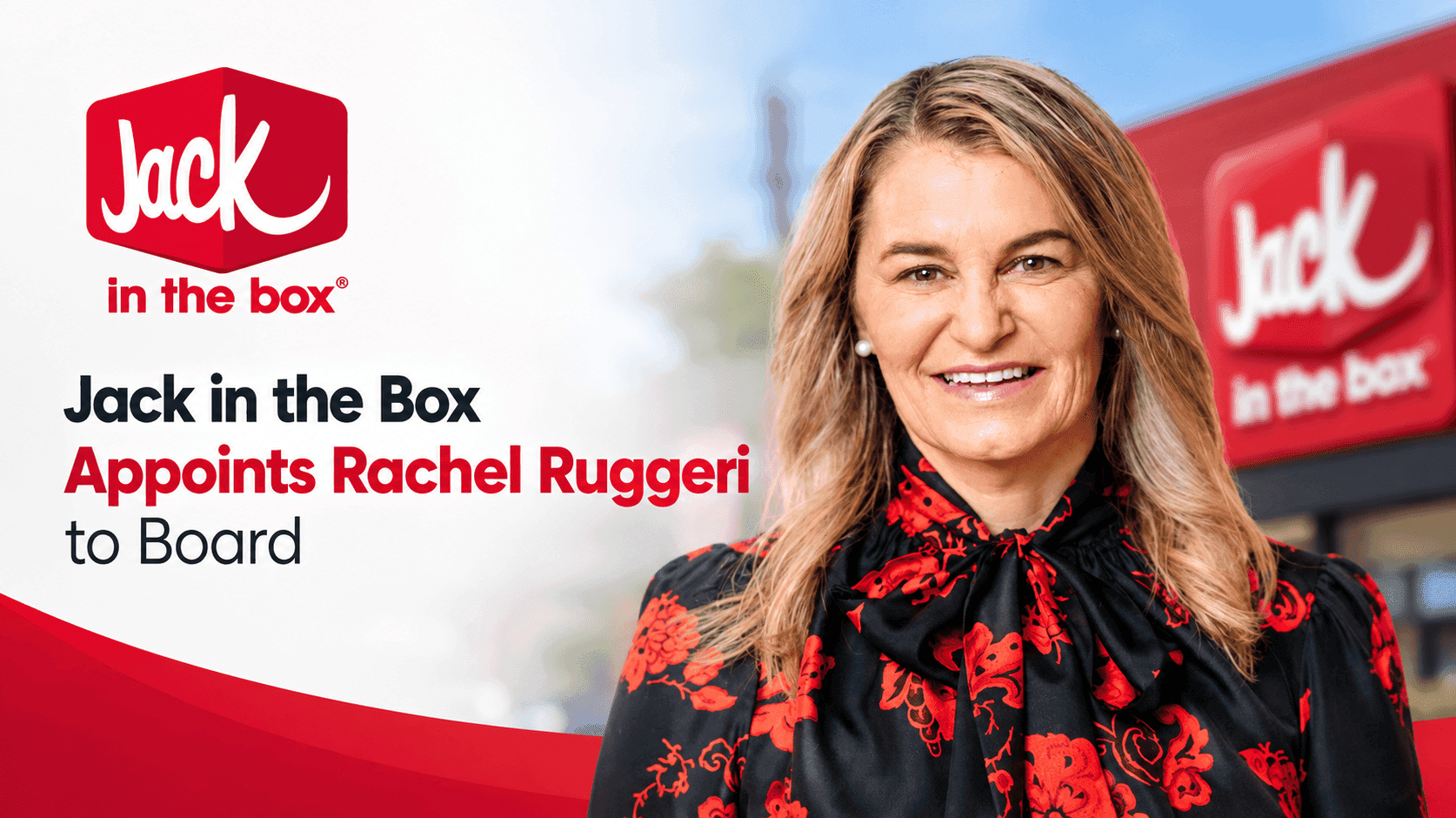
Jack in the Box names Rachel Ruggeri to its board as Michael Murphy retires, amid a CEO transition and deal with investor GreenWood.
Sep 21, 2026

Restaurant inventory tracking helps owners monitor stock, control food costs, reduce waste, improve purchasing, and make informed operational decisions.
Sep 21, 2026

Improve restaurant Google Maps rankings by optimizing your business profile, selecting accurate categories, gathering reviews, adding photos, and strengthening local relevance signals.
Sep 21, 2026

Understand how to forecast restaurant revenue and expenses with methods for sales projection, cost scaling, fixed-cost planning, and risk buffering.
Sep 18, 2026

Restaurant owners can significantly reduce restaurant costs by leveraging technology across inventory, labor, procurement, forecasting, and administrative operations for better profit margins.
Sep 18, 2026

everbowl names Anna Gabele Brand President and Natalie Trzcinski COO, pulling both from Jack in the Box to guide its next growth phase.
Sep 18, 2026

Mountain Mike's Pizza hires Jack in the Box veteran Sheena Dougher as CMO to drive national growth while preserving its regional brand identity.
Sep 17, 2026

From fixed costs to contribution margin, learn exactly how to calculate your restaurant's break even point with confidence.
Sep 16, 2026

DoorDash pays $425M for Wonder's campus dining platform and a stake in Wonder, betting on robotic kitchens and institutional foodservice growth.
Sep 16, 2026

Unlock Exclusive Access To Webinars, Events, And The Latest News For Free!
Businesses need to streamline operations and eliminate inefficiencies to achieve operational effectiveness. Here are the best practices to optimize business processes in an organization.

Many entrepreneurs have a business strategy to sell a new product or service but are unable to succeed in the business world. Case studies have shown that 50% of small businesses in the United States close within the first year of opening. Difficult market conditions, a global economy, and COVID-19-based restrictions are only a few external factors that make it difficult to succeed. While many circumstances are outside of an organization's control, a company does have the choice to implement a set of strategies that streamline operations and increase customer loyalty. Achieving operational effectivenessoperational effectiveness by implementing these best practices will help a struggling organization reach its true potential and gain a competitive advantage.
Operational efficiency refers to the methods and processes used in the workplace to maximize resources and efficiently manufacture products and services. Effectiveness means an organization can reduce its inefficiencies or product defects that interfere with the quality of deliverables and brand optimization. Successful entrepreneurs such as Michael Porter view operational effectiveness as a requirement, rather than optional. They acknowledge that implementing an operational strategy that standardizes best practices is the only way to maintain a competitive edge and increase profits. Implementing an operational strategy is essential to organize and systemize workflows and ensure everyone knows how to perform their jobs. It assists with long term budgeting and cash flow management by making the best use of resources. Operational effectiveness means there are higher profit margins, increased employee morale, and improved customer loyalty. Struggling and inefficient companies can implement several best practices to improve their operational effectiveness. These include -

By increasing access to information across different business units, it's much simpler to minimize inefficiencies and optimize project management. Rewarding collaborative teams and pairing workers with similar skills assists in streamlining operations and ensuring each business unit is focused on customer needs. Optimizing external communications by implementing an automated CRM system will help customer service representatives perform their jobs more efficiently and improve employee-client relationships. It's also helpful to leverage the data collected by a CRM so customer service representatives know exactly what transpired in previous conversations and what the customer may need in the future. This streamlines interactions and improves the quality of service, which increases customer satisfaction and operational effectiveness.
Management must oversee and systemize all delivery services to ensure clients receive precisely what the company promised them. Properly managing delivery services necessitates monitoring communication across departments and improving resource allocation to ensure optimal results. This requires allocating resources properly, revamping workflows, and streamlining processes so they run smoothly. To make certain customers receive the best experience, all involved workers or vendors must be able to easily coordinate and collaborate. Delivery managers should use an automated software solution that sends quick updates so participants are informed and can easily respond to problems.
It's impossible to standardize best practiceswithout first improving the onboarding and training process. Employee learning requires quick and easy access to knowledge, along with a set of documents that layout policies and expectations for each department. An organization may want to use a knowledge management system to hold all of its training materials to ensure the best outcome. This requires revamping the information systems within the company to make certain they are organized and intuitive to use. This helps current workers perform their jobs more effectively by ensuring they can access the data they need when they need it. Generating a set of KPI's each department and identifying metrics to track progress will assist in monitoring employee performance and making sure they have the proper information to fulfill their roles.

To achieve operational effectiveness, business leaders should invest in a set of automated software solutions. Automation eliminates meticulous and time-consuming manual processes so employees can perform their jobs quickly and efficiently. It also helps workers communicate quickly, regardless of whether they are on-site or off-site. Implementing technology and information systems requires managing resources and cross-training. Managers must make sure that team members know how to perform other jobs in case a coworker is absent.
Hiring and training is expensive, particularly when the turnover rate is high. Businesses with low employee retention have poor morale, lower profits, greater disorganization, and decreased operational effectiveness. Putting in place best hiring practices to seek out the right talent can assist in minimizing the turnover rate. It's also important to improve employee satisfaction by creating performance incentives, making activities different and unique, organizing workflows, and minimizing any bottlenecks. Asking for feedback and fixing persistent problems will also decrease the turnover rate. It is essential to minimize customer churn, or the number of clients that stop using a product/service in a given time period. Asking for feedback through customer surveys, revamping the customer service department, and pinpointing inefficiencies can all assist in decreasing customer churn. Improving customer retention rate also requires analyzing the competition and its processes to identify any weaknesses in the organization.