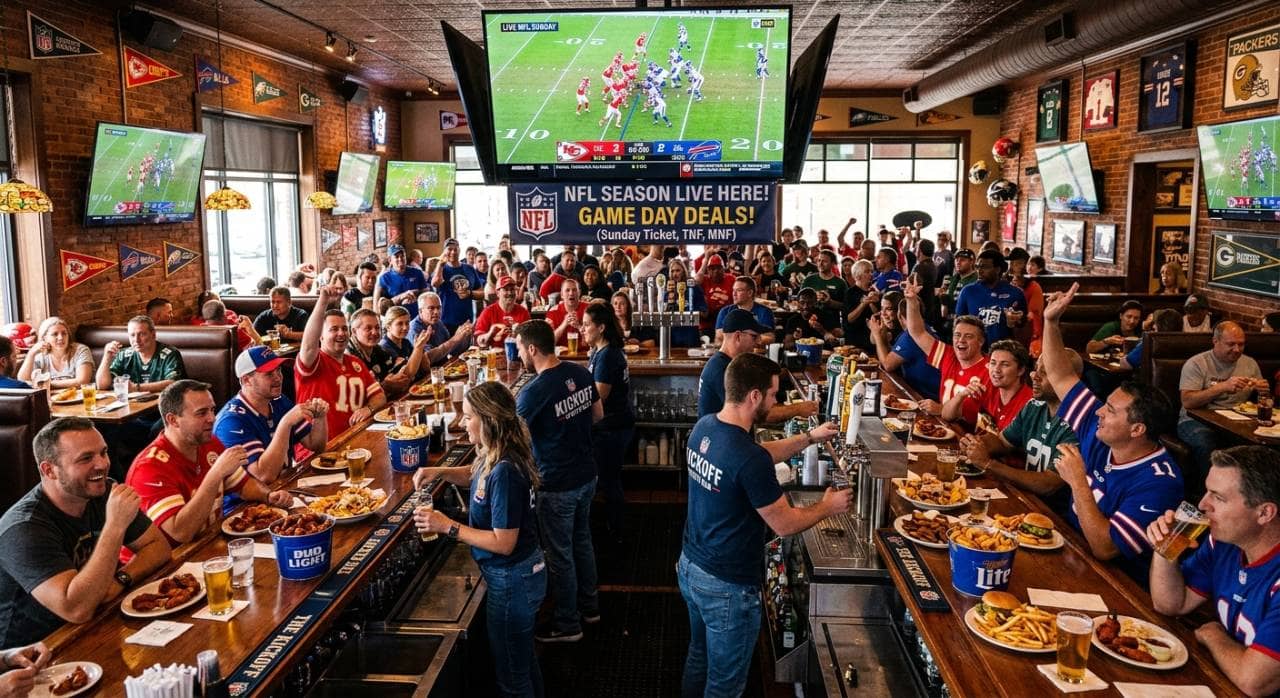
How to Prepare Your Restaurant for the NFL Season
Prepare your restaurant for NFL season with smart menu planning, staffing, marketing, technology, and atmosphere strategies that boost season-long revenue.
Marketing
Sep 9, 2026
Prepare your restaurant for NFL season with smart menu planning, staffing, marketing, technology, and atmosphere strategies that boost season-long revenue.
Sep 9, 2026
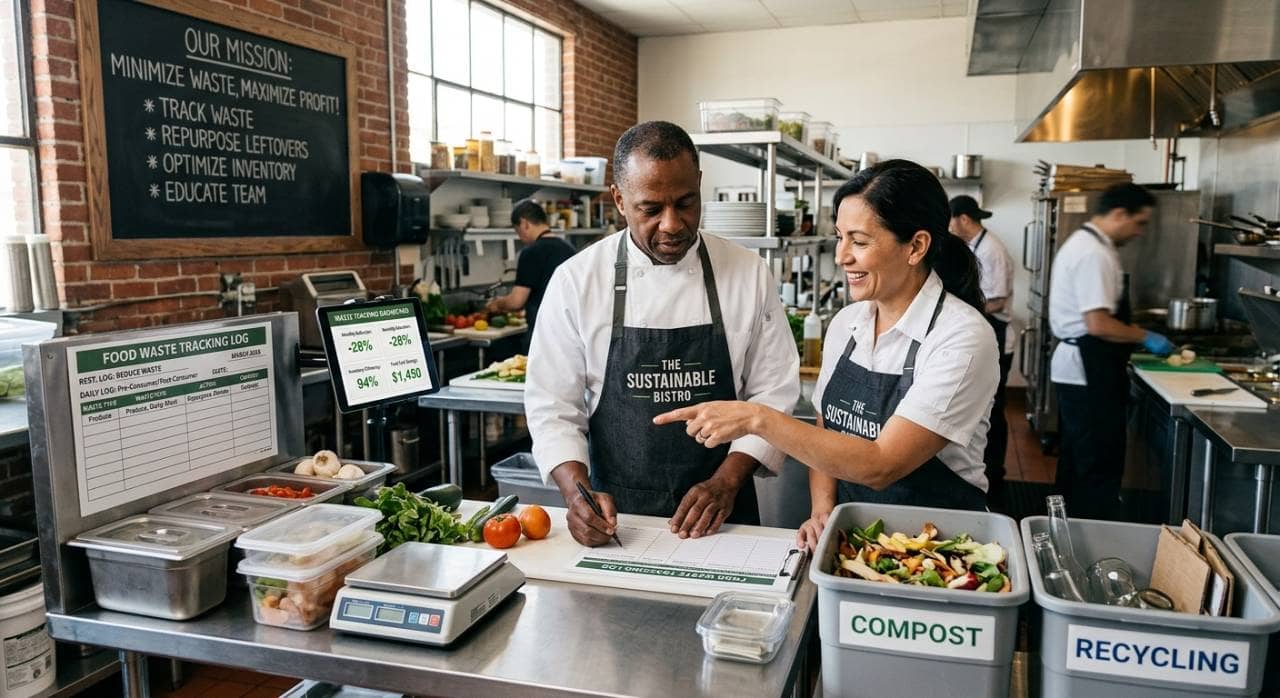
Learn how to reduce food waste in restaurants through smarter purchasing, storage, preparation, and service strategies that cut costs.
Sep 9, 2026
Swig signs franchise agreement for 11 South Denver locations, marking Colorado entry and validating its national expansion strategy.
Sep 8, 2026
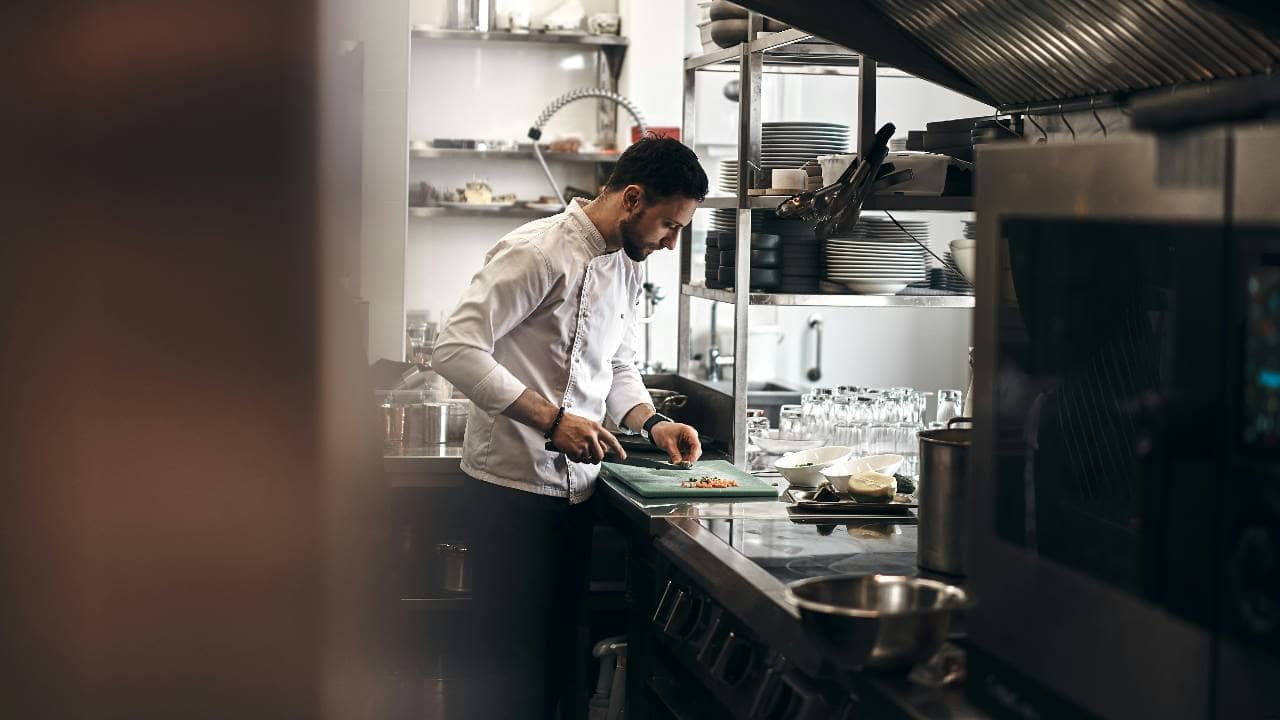
Complete guide helping restaurant owners choose essential kitchen equipment - covering cooking, refrigeration, prep, sanitation, ventilation, safety, and long-term maintenance planning.
Sep 7, 2026
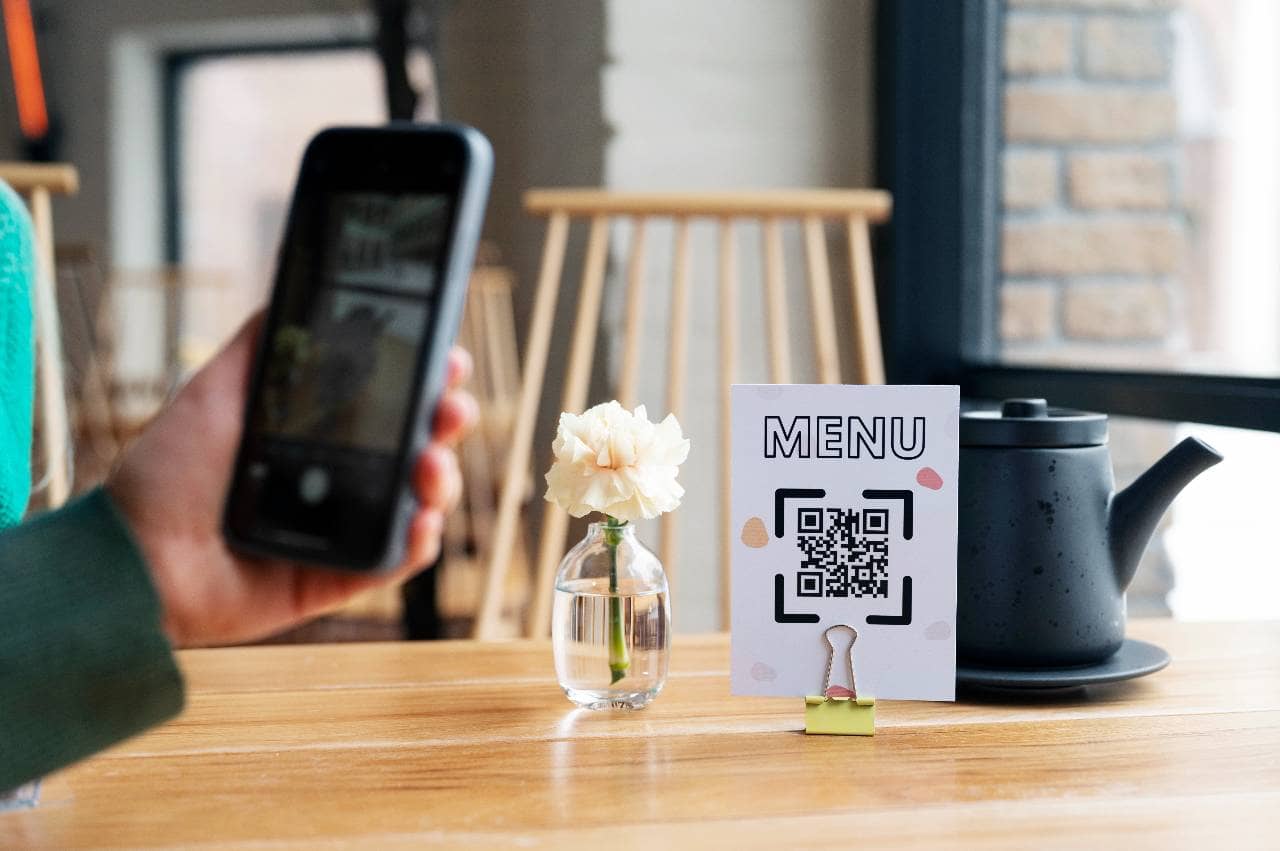
QR code menus let restaurants replace paper menus digitally, enabling instant updates, contactless browsing, ordering, and payment through simple smartphone scanning.
Sep 7, 2026

Avoiding common restaurant payroll mistakes - misclassification, tip credit errors, overtime miscalculations - protects businesses from costly penalties, back pay, and compliance risks.
Sep 4, 2026
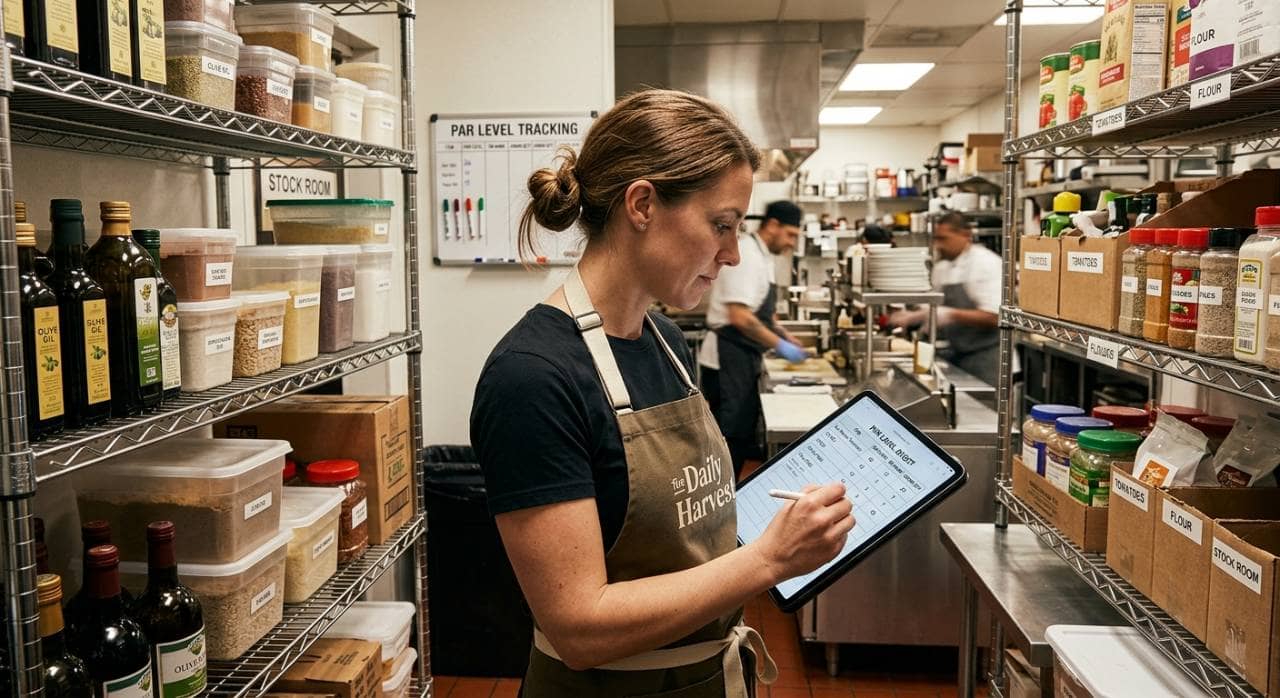
Learn to calculate par levels for restaurant food, beverages, and packaging inventory, preventing stockouts and waste through proper formulas.
Sep 4, 2026
Caribou Coffee appoints Zane Thomas-Rogers as Chief Operations Officer to strengthen execution across its expanding coffeehouse network.
Sep 4, 2026

Compare the top 10 restaurant POS systems in the USA for 2026. Explore features, pricing, pros, cons, and the best POS options for every restaurant type.
Jul 1, 2026

Learn how to handle restaurant payroll yourself, from calculating hours and wages to managing tips, taxes, and final paychecks.
Sep 2, 2026

Unlock Exclusive Access To Webinars, Events, And The Latest News For Free!
A portrait of Pinstripes' Q1 results, cost cuts, new venues, and a looming restructuring, revealing how the eatertainment brand navigates headwinds.

Pinstripes opened the quarter with the quiet, hopeful cadence of a familiar morning in a neighborhood café. For the period ended July 21, 2024, the eatertainment brand faced a landscape where discretionary spending softened, yet there remained room for growth in its expanding footprint. The numbers carried a gentle tension: a 2.4% dip in same-store sales, with June turning even softer at about 6%. Yet total revenue rose 19% year over year, fueled by four new units and a 16% surge in food and beverage. The balance was clear: expansion and dining traffic would be the twin engines steering Pinstripes through the year. The next pages would turn on how these threads could hold together.
Within the numbers, the core dynamics were plain: 2.4% comp dip, June weakness, but a resilient revenue mix. Total revenue up 19% YoY thanks to four new units and a 16% rise in food and beverage. Recreation revenue also advanced, underscoring the brand's hybrid mix of dining, events, bowling, and bocce. Yet gains did not erase a reality check for investors: momentum would likely hinge on the cadence of new openings and the resilience of discretionary spend. In all, food and beverage remained roughly 75% of revenue, with the rest split across events and recreation, highlighting how the brand balances two engines.
Pinstripes anchors its economics on two engines: events-driven bookings and steady dining through food and beverage. In the latest disclosures, events account for nearly half of revenues, showing how calendar-driven activity can swing quarterly results in a brand with a relatively small footprint. At the same time, food and beverage is a sizable, more predictable base, roughly three-quarters of revenue, while bowling and bocce provide the remainder. Growth in the first quarter came with four new units, reinforcing the link between expansion and revenue lift. The footprint sits at 22 venues with 30 potential development sites under evaluation, signaling an active but measured cadence.
That mix matters for investors and employees alike as Pinstripes weighs how much growth will come from opening new venues versus driving same-store improvements in a consumer environment where wallets tighten. Management emphasizes the sensitivity of quarterly results to large private events, underscoring why the company pursues a deliberate expansion rhythm even as macro headwinds persist.
Amid slower same-store sales, Pinstripes embraced structural cost initiatives designed to steady the ship while keeping growth on the horizon. The plan targets a $10 million reduction in annualized expenses, achieved through refined labor scheduling for hourly and salaried staff, improved credit card processing rates, and renegotiated vendor contracts. The leadership frames these actions as a foundation for profitability once the macro environment settles, aiming to align the cost base with anticipated topline gains from same-store dynamics and new unit openings. In the brand’s own cadence, the path forward rests on a disciplined balance of growth and cost control.
Dale Schwartz, the Chief Executive Officer, framed the strategy this way: “While these improvements are currently being masked by sales deleverage, we are proud to position our brand for improved profitability as the macro environment improves. We believe we now have the appropriate cost structure to drive long-term topline performance through same-store sales growth, as well as new unit openings, while ensuring we are maintaining sufficient corporate level profitability.” This disciplined posture signals a durable foundation for growth, even as the team recalibrates expectations around new-unit contributions. The message is clear: expansion remains on the table, but only with a cost structure fit for a more favorable backdrop.
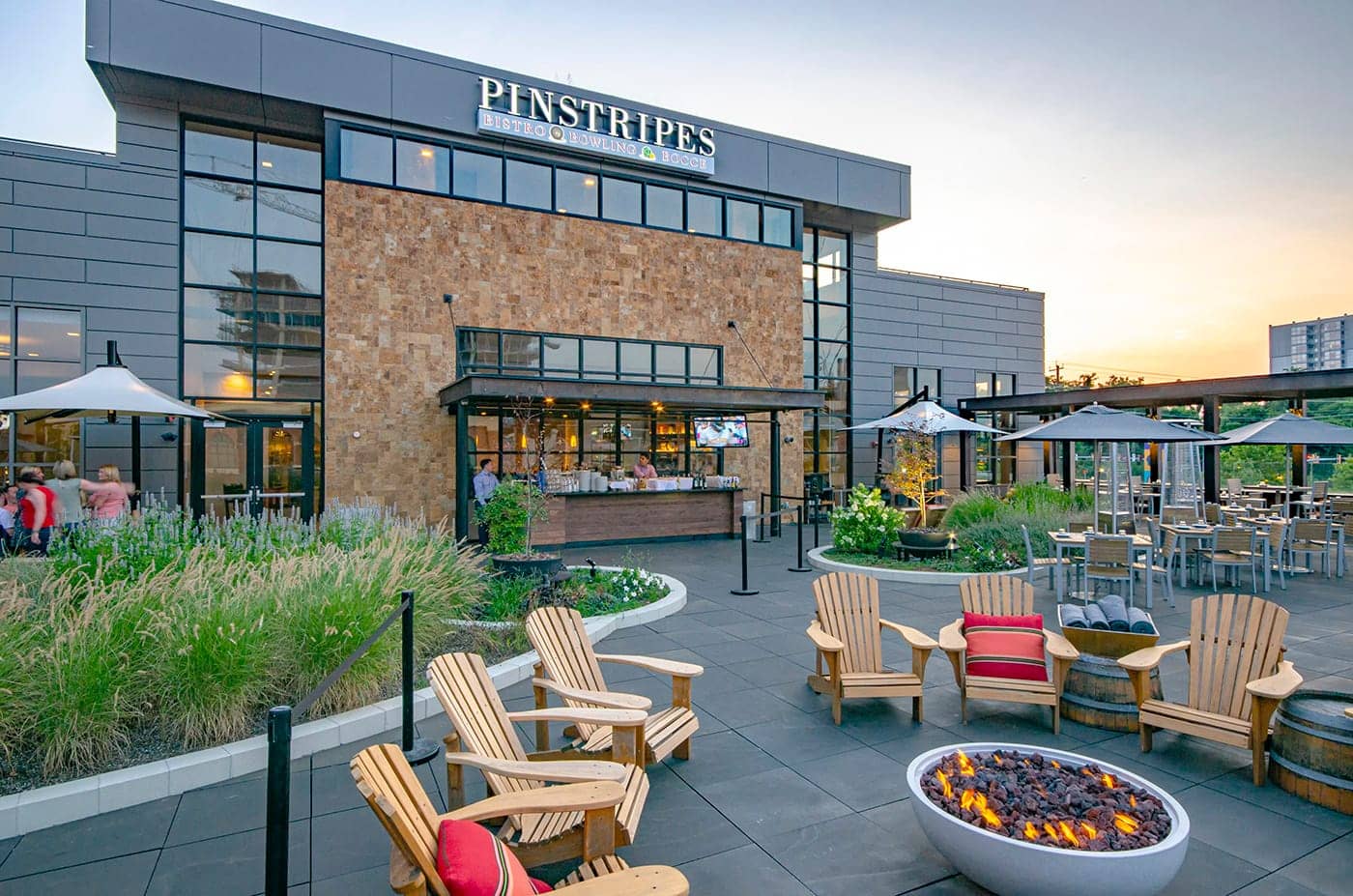
Following the release, market observers noted softness in comps and the weight of macro factors on Pinstripes’ results. A William Blair analyst estimated the quarter underperformed by about $4 million, underscoring the challenge of closing the gap between momentum from new units and the cost base needed to sustain operations. Management, however, argued the brand’s mix offers resilience relative to peers, pairing open dining with events to cushion fluctuations and highlight a path to profitability through disciplined cost management.
Dale Schwartz emphasized that the brand’s results reflect a broader normalization after the post-COVID surge, noting that Pinstripes has fared better than many peers that experienced sharper double-digit declines as activity cooled. He also acknowledged that the company’s relatively small footprint makes it susceptible to the swing of a few large events, but he remained confident in the plan to drive profitability through a disciplined cost structure and growth via new venues.
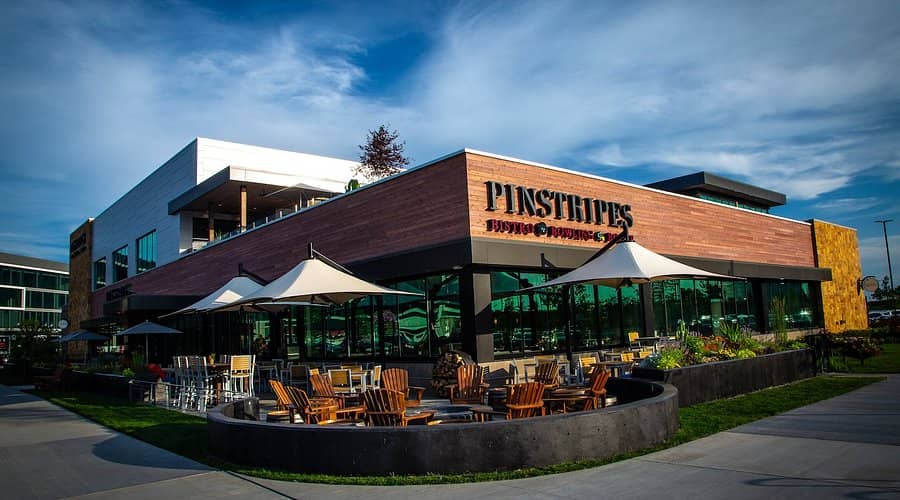
The Pinstripes episode sits within a broader set of dynamics shaping the eatertainment category. Data from Placer.ai showed that overall traffic to competing concepts like Dave & Buster’s and Main Event in Q2 indicated traffic gains year over year (6.9% and 4.7%, respectively), signaling pockets of resilience in discretionary entertainment even as some operators contend with inflationary headwinds. In September 2024, Topgolf's parent company announced its intention to separate Topgolf into an independent company, with discussions about a potential sale or spin-off to strategic buyers. In 2025, Topgolf’s governance evolved as strategic plans progressed toward a restructuring that could include a sale or spin-off, with a 60% stake in the business changing hands in a transaction led by Leonard Green & Partners.
The backdrop includes ongoing stress on consumer wallets, the possibility of further price and cost adjustments, and a focus on capital discipline as the industry seeks to rebalance growth and profitability. These moves, alongside Pinstripes’ own dual engine model, frame how eatertainment brands navigate cycles, balancing room for private events with the lure of everyday dining.

As Pinstripes moves through restructuring, a number of uncertainties remain regarding the path forward. The record suggests a potential conversion to liquidation for some assets, dependent on the outcomes of court deliberations, asset sales, and negotiations with creditors. While some venues may be preserved or restructured under new ownership or management, others could be shuttered permanently. The exact timetable for any sale or liquidation remains fluid, and strategic decisions will hinge on creditor negotiations, market conditions, and the pace at which a revised operating plan can restore liquidity.
Pinstripes’ turbulence, and its pivot toward disciplined cost management alongside a growth-minded expansion plan, offers a lens into the resilience and fragility of the eatertainment sector. The brand’s experience underscores the risk of heavy reliance on discretionary events in a marketplace where consumer budgets are tight, even as its hybrid model creates potential upside when events align with capacity. The industry’s horizon remains uncertain, but the core lesson is clear: brands that blend flexible cost control with adaptable revenue streams may weather cyclical headwinds and reemerge ready to welcome guests again when momentum returns.
Pinstripes’ period of turbulence, and its pivot toward disciplined cost management alongside a growth-oriented expansion plan, offers a lens into the resilience and fragility of the eatertainment sector. The company’s experience underscores the risk of heavy reliance on discretionary events in a marketplace where consumer budgets are tight, even as its hybrid model creates potential upside when events or private bookings align with capacity. The strategic moves to lower expenses, optimize operations, and recalibrate growth expectations can position the brand for a steadier path once macro momentum returns. Yet the chapter 11 filing and the ensuing restructuring add a note of caution about expansion limits in a constrained environment.
For the industry at large, Pinstripes’ narrative, paired with peers showing selective traffic gains and broader Topgolf moves, suggests that brands able to blend soft-cost discipline with flexible revenue streams may weather cyclical headwinds and emerge ready to welcome guests again as normalization continues. The soft glow of hospitality remains a quiet, steady anchor in a world of headlines.
