Inspire Brands CEO Steps Back as IPO Push Enters Critical Phase
Paul Brown temporarily steps away from Inspire Brands as Scott Murphy assumes interim CEO role during confidential IPO filing process targeting late 2026.
News
Sep 10, 2026
Paul Brown temporarily steps away from Inspire Brands as Scott Murphy assumes interim CEO role during confidential IPO filing process targeting late 2026.
Sep 10, 2026
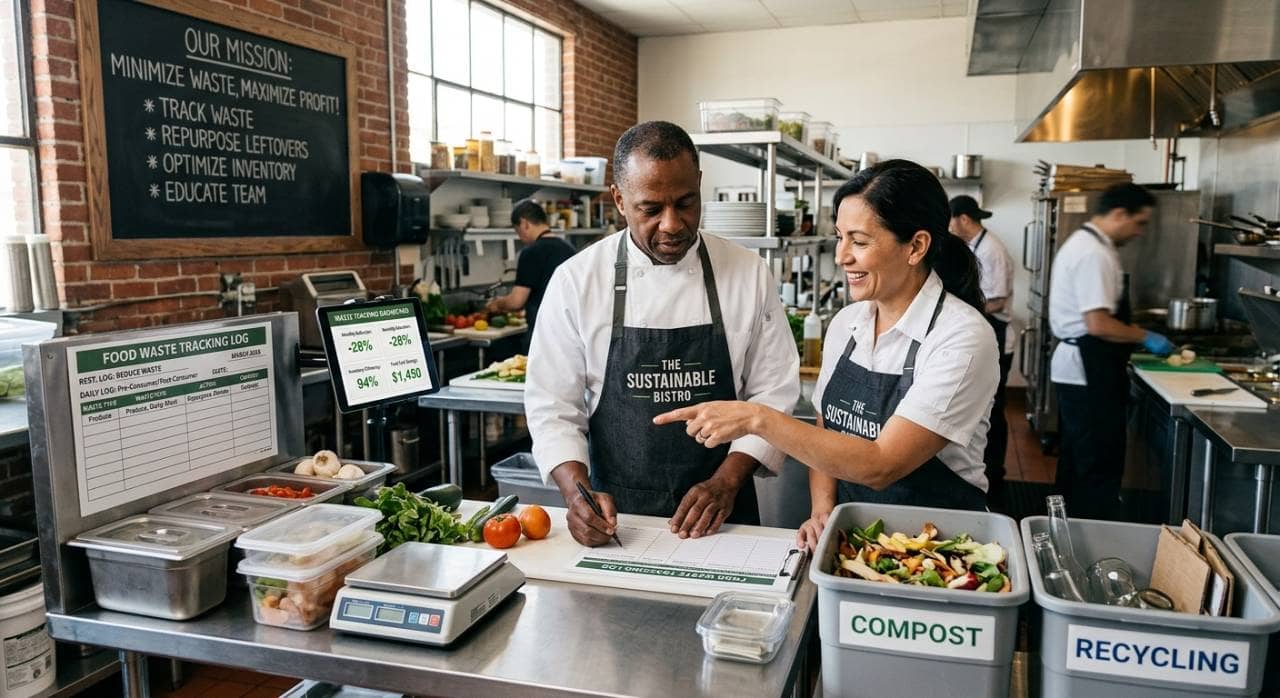
Learn how to reduce food waste in restaurants through smarter purchasing, storage, preparation, and service strategies that cut costs.
Sep 9, 2026
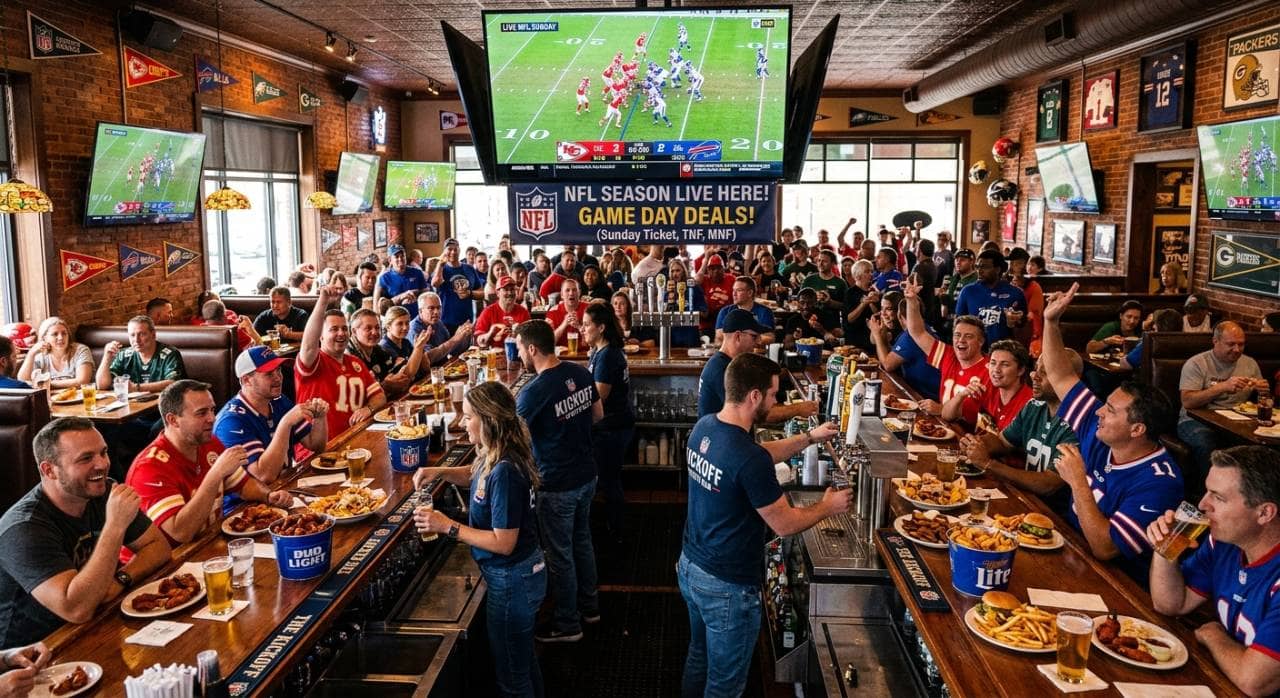
Prepare your restaurant for NFL season with smart menu planning, staffing, marketing, technology, and atmosphere strategies that boost season-long revenue.
Sep 9, 2026
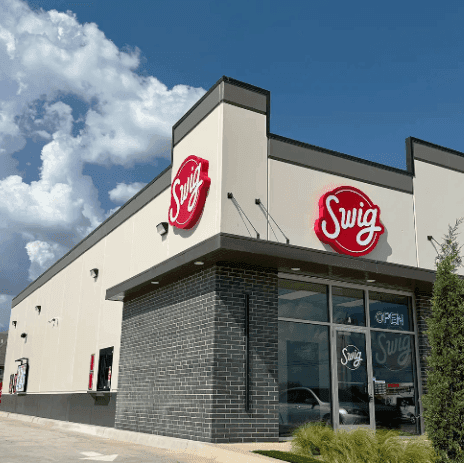
Swig signs franchise agreement for 11 South Denver locations, marking Colorado entry and validating its national expansion strategy.
Sep 8, 2026
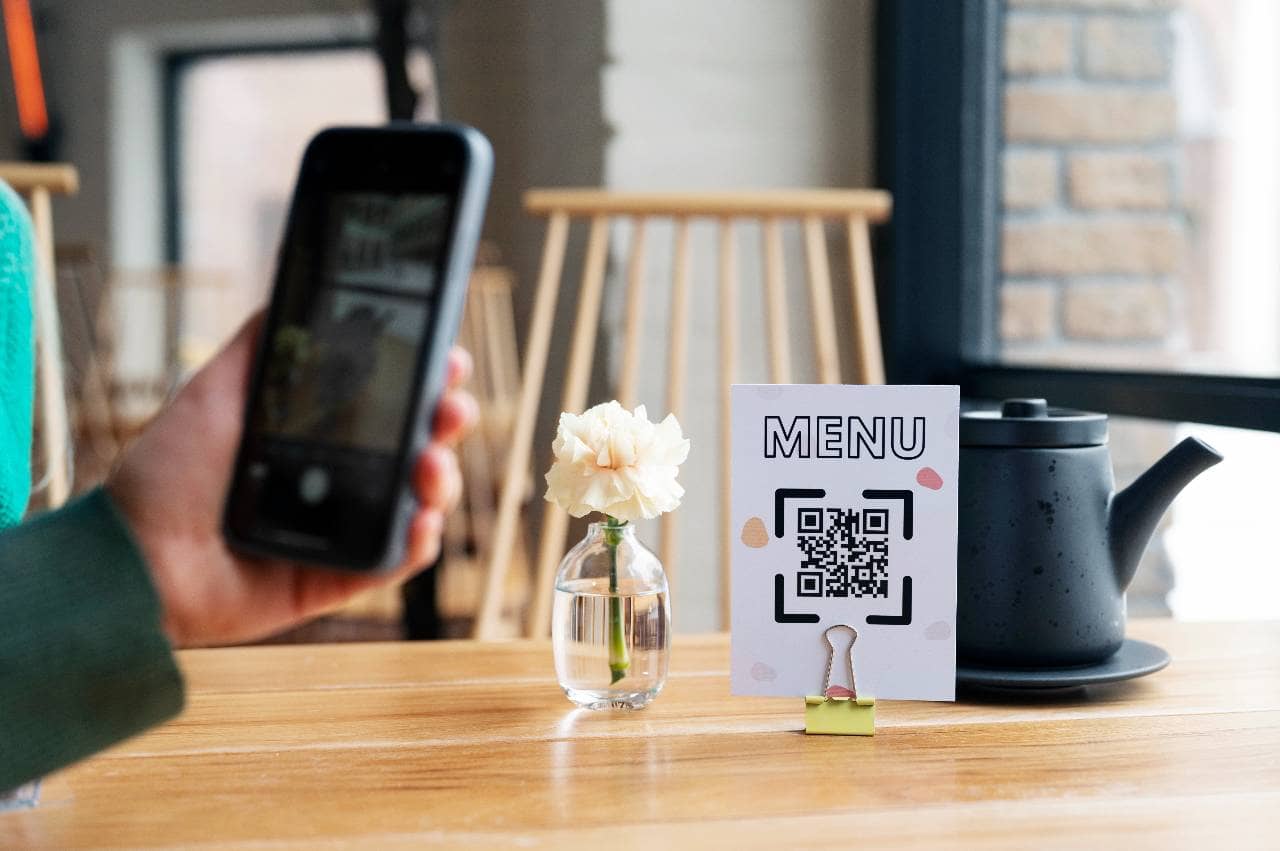
QR code menus let restaurants replace paper menus digitally, enabling instant updates, contactless browsing, ordering, and payment through simple smartphone scanning.
Sep 7, 2026
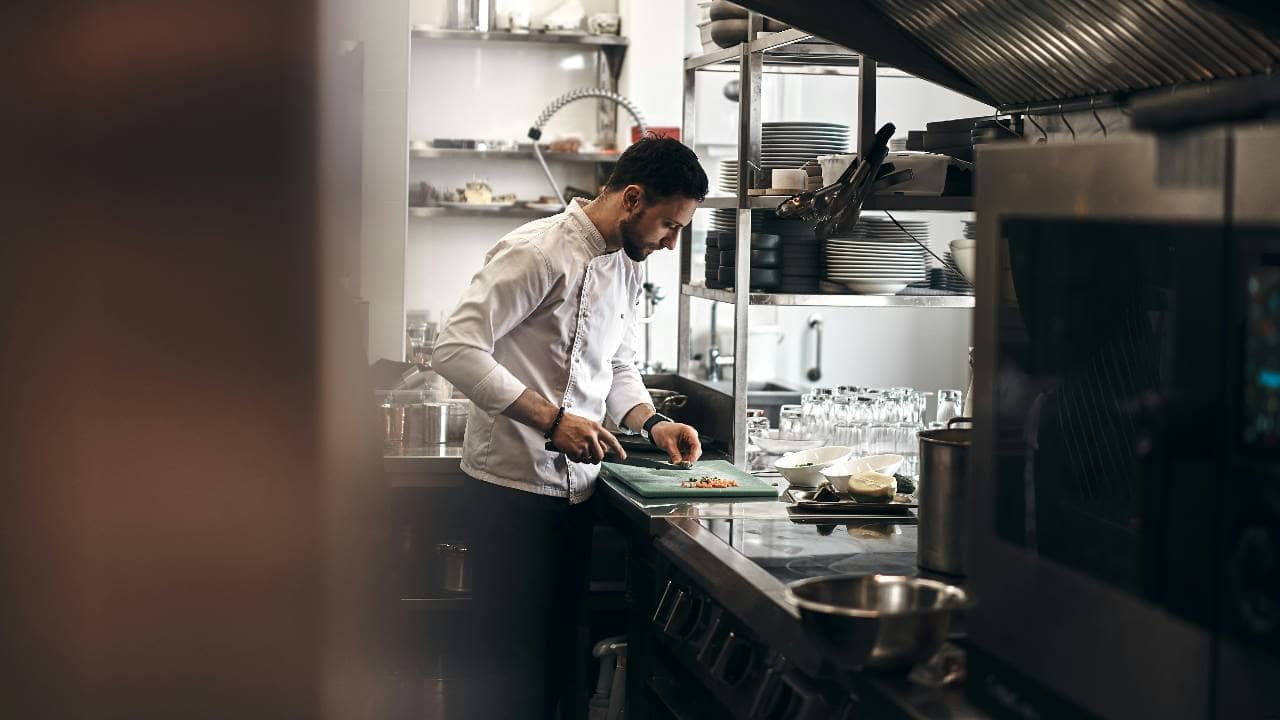
Complete guide helping restaurant owners choose essential kitchen equipment - covering cooking, refrigeration, prep, sanitation, ventilation, safety, and long-term maintenance planning.
Sep 7, 2026

Avoiding common restaurant payroll mistakes - misclassification, tip credit errors, overtime miscalculations - protects businesses from costly penalties, back pay, and compliance risks.
Sep 4, 2026
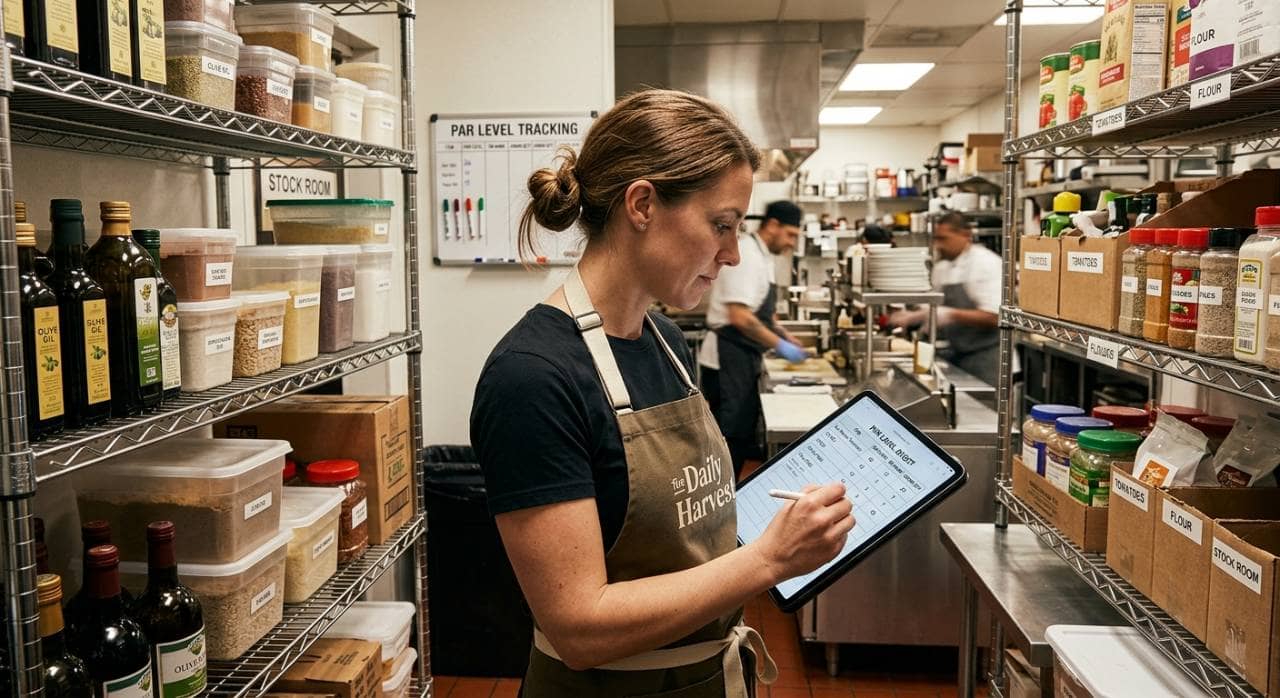
Learn to calculate par levels for restaurant food, beverages, and packaging inventory, preventing stockouts and waste through proper formulas.
Sep 4, 2026
Caribou Coffee appoints Zane Thomas-Rogers as Chief Operations Officer to strengthen execution across its expanding coffeehouse network.
Sep 4, 2026

Compare the top 10 restaurant POS systems in the USA for 2026. Explore features, pricing, pros, cons, and the best POS options for every restaurant type.
Jul 1, 2026

Unlock Exclusive Access To Webinars, Events, And The Latest News For Free!
New leadership targets authentic roots, menu reinvention, and rapid expansion to 20 openings a year.

Photo by Patrick Perkins
Rusty Taco is at a turning point. The Dallas quick‑service brand is laying out a clear, no‑nonsense reset under new leadership, with a cadence aimed at rapid expansion. This isn’t a cosmetic refresh; it’s a deliberate realignment of flavor, value, people, and the guest experience. The aim is to deliver authenticity without surrendering execution. This is the moment where the kitchen, the crew, and the dining room must align with a refreshed mandate to perform at a higher level. The implications for guests, franchisees, and margins are the next obvious line of advance:
Under Daniel Smith, the former Hopdoddy Burger Bar COO, the reset is not soft. The plan touches every facet, staffing, franchisee support, and how the brand speaks to guests, down to the look and feel of each restaurant. The intention isn’t vague: preserve the Mexican‑inspired identity while sharpening execution, price, and consistency. The plan calls for aggressive growth, targeting roughly 20 restaurants a year, and a disciplined approach to expansion that the team believes can sustain quality at scale. It’s a hard line, not a soft promise:
That work begins with re-rooting the concept in its origins and proving the model can travel.

Rusty Taco traces its revival to a simple, stubborn truth: origins matter. The concept grew from Rusty Fenton's trips to Mexico, and leadership under Daniel Smith has signaled a return to those roots. The plan frames time as a scarce resource, don’t waste it chasing trend lines that drift from flavor and guest delight. A reimagined, reinvigorated version of the brand will emphasize bold flavor, value, and a more authentic guest experience, with authenticity as the north star guiding menu, operations, and store design across markets. The goal is steady, authentic growth across the U.S.:
Time is treated as a resource to reclaim authenticity, and the plan calls for a measured but expansive footprint beyond Texas as the first test of the model. The revival also relies on rethinking staff training, vendor partnerships, and franchisee support to ensure every guest feels the same level of quality wherever they dine. The result would be a refreshed Rusty Taco that travels well while staying true to its roots.
Menu engineering sits at the core of the transformation. The culinary team is dissecting every item, from ingredient sourcing to tortilla pliability, to squeeze more flavor into each bite. The team is even testing new formats, like burritos, that could appear on the menu for the first time. One concrete example: the street corn side, once off‑menu for limited popularity, is being refined with chipotle aioli, rice, crushed tortilla chips, salsa, crema, and red peppers. Guests have even suggested turning it into an entrée with a protein topping, signaling a broader, more flexible approach to menu design. Street Corn Fritters have already shown up in some markets, signaling momentum in the refresh:
These tweaks aren’t cosmetic. They reflect a philosophy: flavor, value, and consistency scale with the menu and the guest's expectations. The team is aggressively testing to widen appeal without eroding the brand’s identity. Burritos as a potential format would broaden the audience and create new cross‑sell opportunities, while still honoring the brand's Mexican‑leaning core. The Street Corn side is a practical proof point: it’s being upgraded with more texture and color, and the team is watching to see if it crosses into a main‑course role. The blend of authenticity and practicality anchors the growth plan.
Daniel Smith frames the mission in crisp terms: a return to roots while repositioning the brand on taste, visuals, and guest value. The rhetoric is bold, but the plan remains grounded: be generous with guests, push growth, and keep quality at the center. He wants the stores to feel less like quick‑service and more like a confident, Mexican‑inspired concept with a clear value proposition. The communications strategy also uses a sharper, more self‑aware social voice to both placate industry debates and signal nationwide expansion. The result is a brand that looks, sounds, and tastes closer to its origin while aiming for a bigger footprint:
Rusty Taco’s push sits atop a formal deal: Gala Capital Partners acquired the brand from Inspire Brands; terms were not disclosed, and the existing management team, led by Brendan Mauri, remains on the move with co‑investment in the acquisition. With Smith at the helm, the baseline is aggressive: add 20 stores per year, venture into Florida, Arizona, and Colorado, and build a platform that can scale. The company notes it has grown to more than 30 locations, with 35 locations across 12 states reported by mid‑2025, a sign that the plan is moving forward even as it faces the usual headwinds of a competitive market:

Across the industry, the fast‑casual Mexican segment is in a growth phase, with franchisors pushing for brand clarity, franchisee support, and differentiated menus. Coverage notes Smith’s emphasis on relationships with franchisees and brand refinement as central to scale, while Rusty Taco already operates across more than 30 locations and eyes Florida, Arizona, and Colorado as next frontiers. Macro headwinds, inflation and commodity pressures, shape planning, underscoring the need for internal transformation to sustain momentum:
As the chain grows, observers will watch how the blend of authentic roots, expanded menus, and stronger franchise partnerships translates into guest traffic and durable profitability. The platform mindset of Gala Capital Partners signals a methodical path to scale, but execution remains the critical test in a crowded field. The real measure will be guest loyalty and unit economics as Rusty Taco stretches beyond its Texas core.
