True Food Kitchen Files Bankruptcy, Closes 12 Sites
True Food Kitchen filed for Chapter 11 bankruptcy, closing 12 locations and shrinking to 34 restaurants across 14 states amid $42.1 million in debt.
News
Oct 5, 2026
True Food Kitchen filed for Chapter 11 bankruptcy, closing 12 locations and shrinking to 34 restaurants across 14 states amid $42.1 million in debt.
Oct 5, 2026

Snooze Eatery names industry veteran Amy Hom as COO, starting Sept. 28, to strengthen hospitality and operations ahead of its next growth phase.
Oct 5, 2026

Evaluate restaurant industry performance in Q3 2026 through key trends affecting restaurant sales, traffic, consumer spending, labor, costs, and technology.
Oct 2, 2026

Opening a second restaurant location requires readiness, clear goals, financial planning, funding, smart strategy, standardized operations, strong teams, and careful launch monitoring for sustainable growth.
Sep 30, 2026
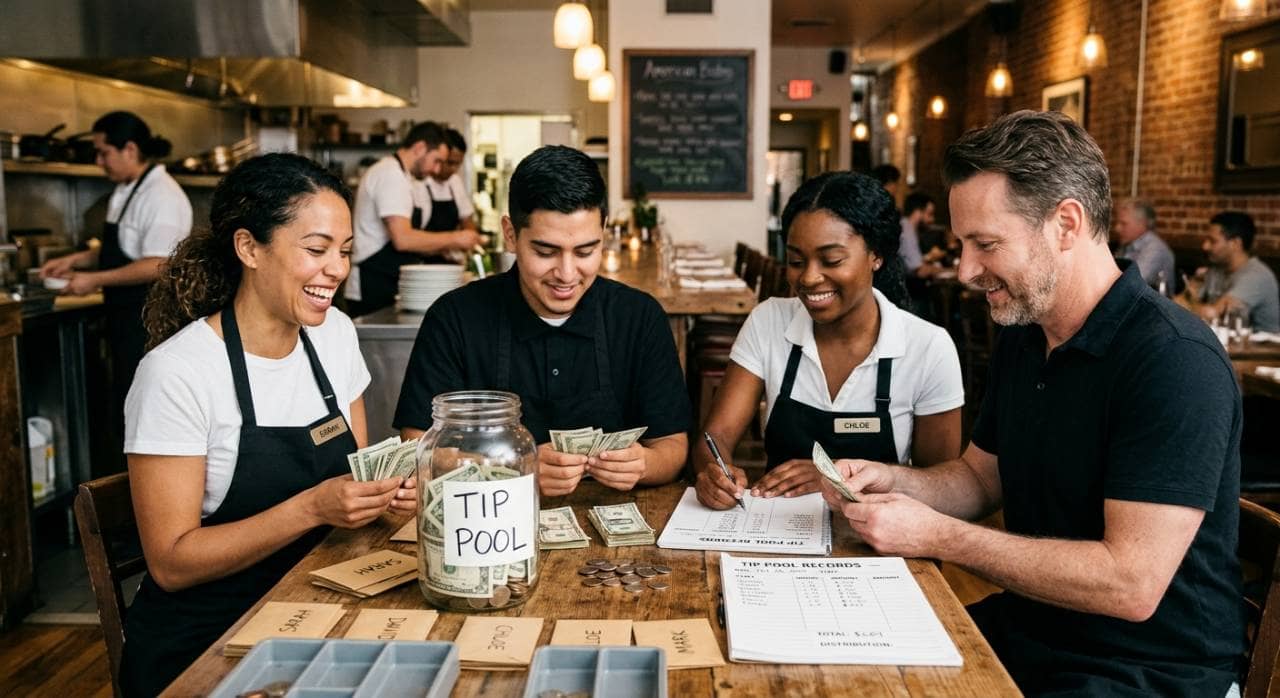
Understand tip pooling rules, employee eligibility, distribution methods, compliance requirements, recordkeeping practices, and policies restaurant owners need for proper tip management.
Oct 2, 2026

Whit's Frozen Custard hires industry veteran Amos Durbin as COO to guide franchise expansion, drawing on two decades of restaurant leadership experience.
Oct 2, 2026
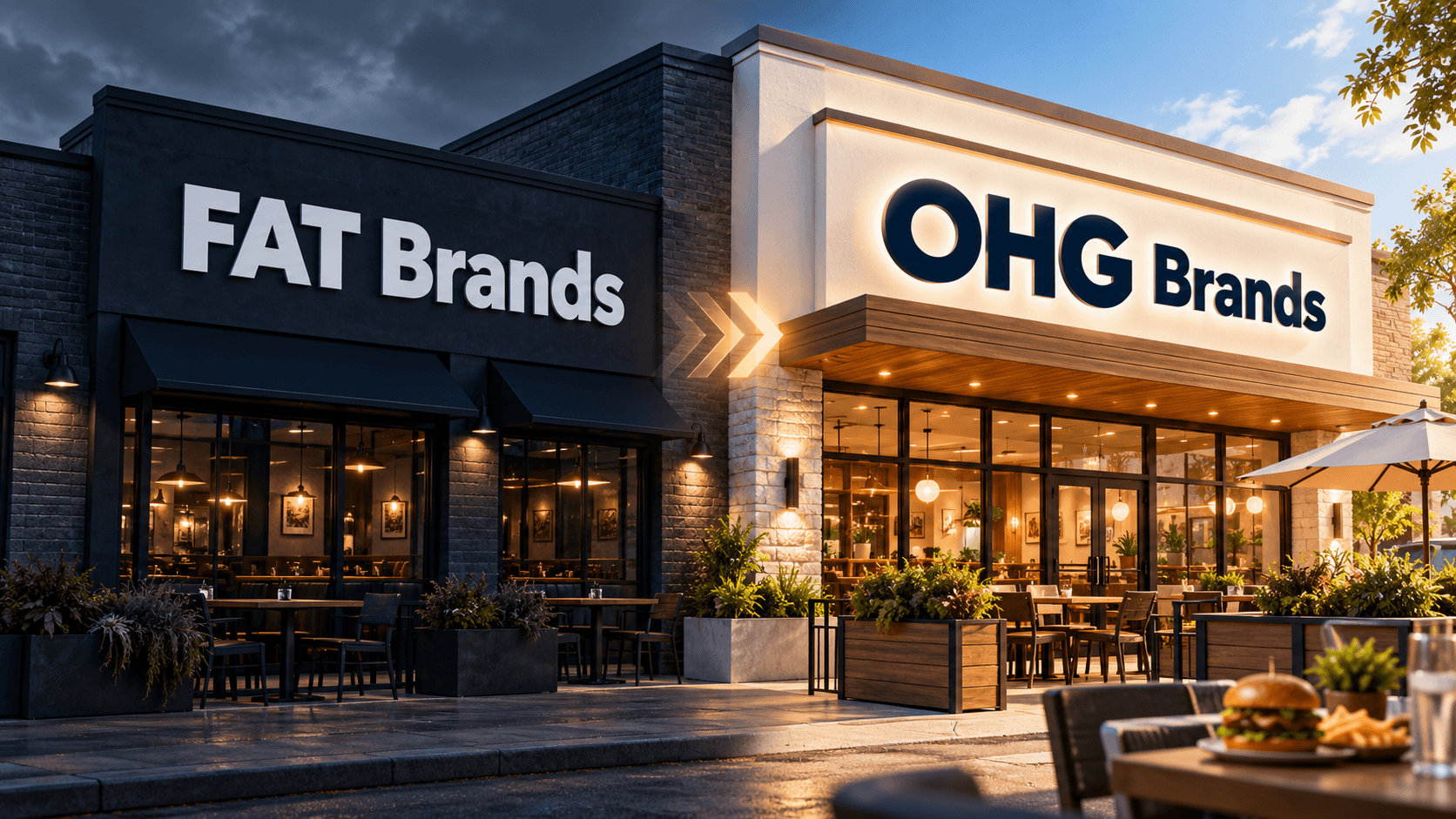
FAT Brands' $1B acquisition empire fell into bankruptcy and sold for $965M, re-emerging as OHG Brands with 1,700 restaurants.
Oct 1, 2026
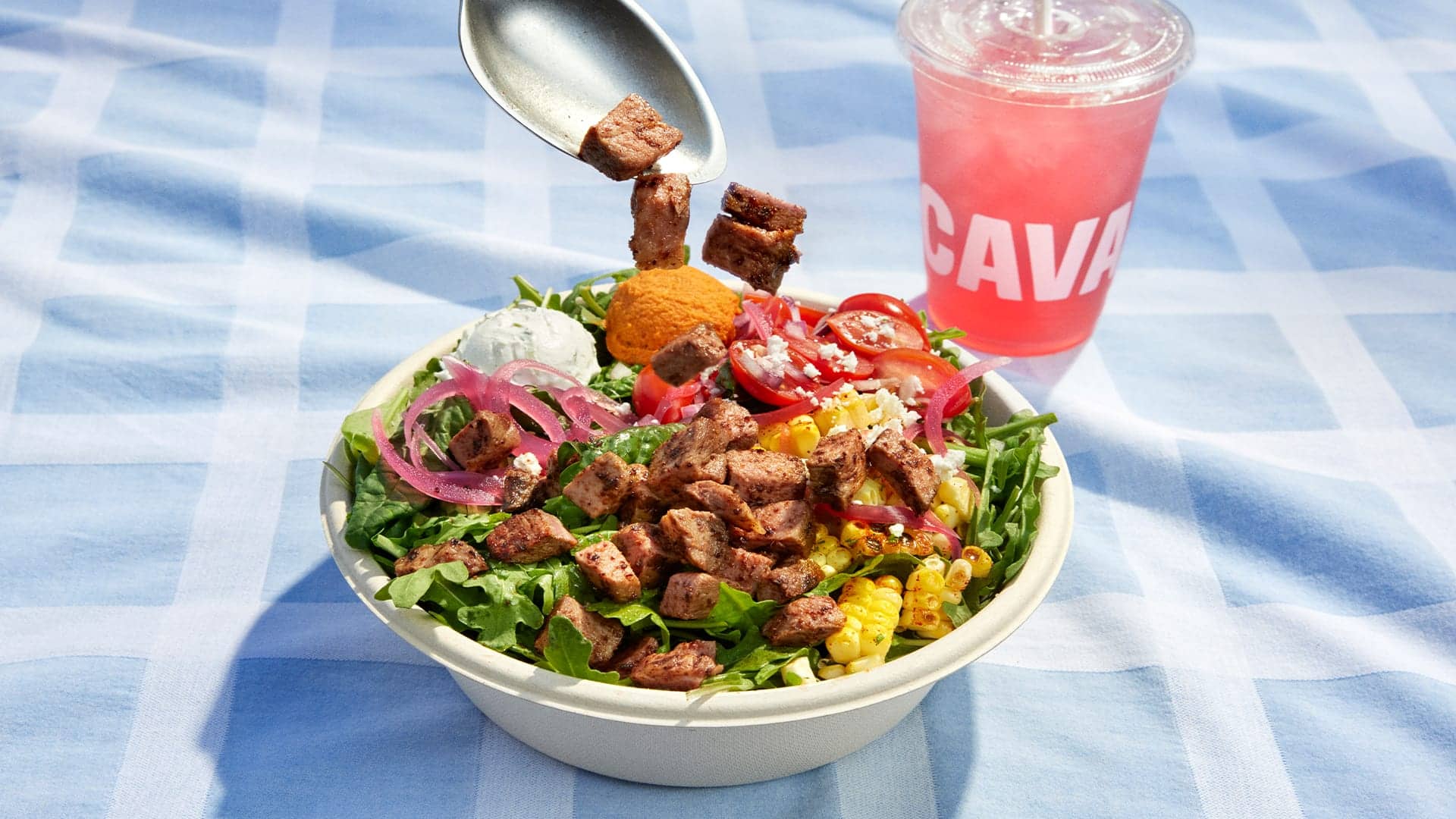
CAVA names John Ludeke, former Dr. Squatch Chief Brand Officer, as its new CMO to drive national growth and guest loyalty.
Oct 1, 2026
La Madeleine's CEO John Dillon steps down mid-turnaround, leaving a menu overhaul, new coffee program, and franchise growth plans in limbo.
Oct 1, 2026

Hot Head Burritos promotes longtime operator Peter Wiley to corporate VP, chief marketing and chief technology officer, blending brand strategy with tech oversight.
Oct 1, 2026

Unlock Exclusive Access To Webinars, Events, And The Latest News For Free!
Explore the latest menu developments in the fast-food industry, from McDonald's Chicken Big Mac to Wings and Rings launching Noble Chicken. Learn about the impact of value meals and the rise of fast-casual chains.

Photo by Jackie Tsang
McDonald's recent introduction of the Chicken Big Mac has sparked curiosity and debate in the fast-food world. By blending the iconic Big Mac with a chicken patty, McDonald's is tapping into the growing demand for alternative protein options. This limited-time offering aims to attract younger customers who are increasingly health-conscious and looking for innovative menu items.
The success of the Chicken Big Mac hinges on its appeal to younger guests. Generation Z and Millennials are key target demographics for fast-food chains, and McDonald's strategic move to introduce a chicken-based variation of their popular sandwich shows their willingness to adapt to changing consumer preferences. By offering a twist on a classic menu item, McDonald's aims to stay relevant and capture the attention of a new generation of diners.
While Subway has faced challenges in its domestic market with store closures, the brand is optimistic about its international expansion plans. With the goal of opening 10,000 locations worldwide, Subway is banking on the popularity of its customizable sandwiches to resonate with global consumers. By entering markets like Paraguay and Mongolia, Subway aims to leverage its brand recognition and establish a strong foothold in diverse regions.
Value meals have become a significant trend in the restaurant industry, with fast-casual and casual chains leading the charge. As consumers seek affordable dining options without compromising on quality, value meals offer a compelling solution. Fast-casual chains are excelling in the value wars by providing a balance of price and perceived value, enticing customers with a mix of affordability and elevated dining experiences.
Fast-casual chains are disrupting the traditional fast-food model by offering higher-quality ingredients, customizable menus, and a more upscale dining ambiance. These chains have found success by appealing to customers looking for quick service without sacrificing taste or freshness. By focusing on transparency, sustainability, and healthier options, fast-casual restaurants are reshaping the expectations of diners and setting new standards for the industry.

Photo by Jackie Tsang
One of the key challenges for restaurants when implementing value meals is balancing affordability with profitability. While slashing prices can attract traffic and boost revenue in the short term, it is essential for brands to maintain a sustainable pricing strategy that aligns with their overall business objectives. Effective value offerings should not only drive sales but also enhance customer loyalty and brand perception in the long run.
Wings and Rings' launch of Noble Chicken signals a new player in the fast-casual dining segment. With a focus on quality ingredients and a fresh approach to classic chicken dishes, Noble Chicken aims to carve a niche in an increasingly competitive market. By differentiating itself through a unique menu and a fast-casual dining experience, Noble Chicken seeks to capture the attention of discerning consumers seeking elevated fast-food options.

Photo by Jackie Tsang