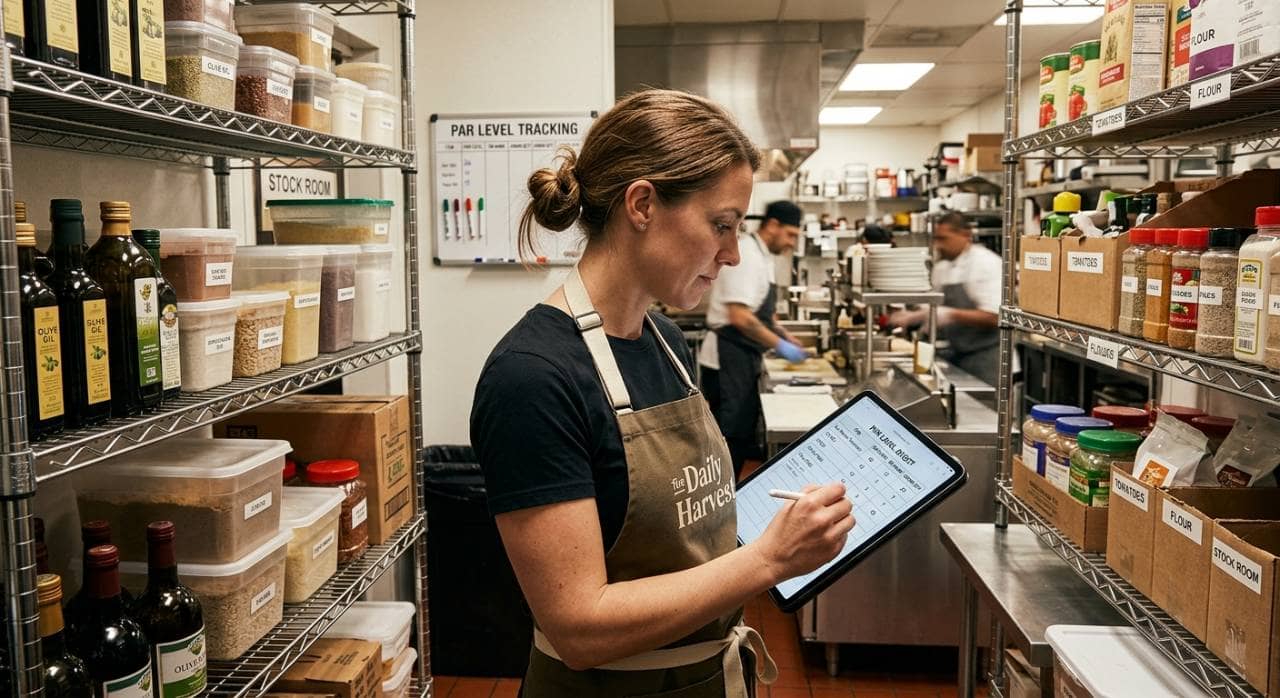
How to Set Par Levels for Restaurant Inventory
Learn to calculate par levels for restaurant food, beverages, and packaging inventory, preventing stockouts and waste through proper formulas.
Back Office
Sep 4, 2026
Learn to calculate par levels for restaurant food, beverages, and packaging inventory, preventing stockouts and waste through proper formulas.
Sep 4, 2026
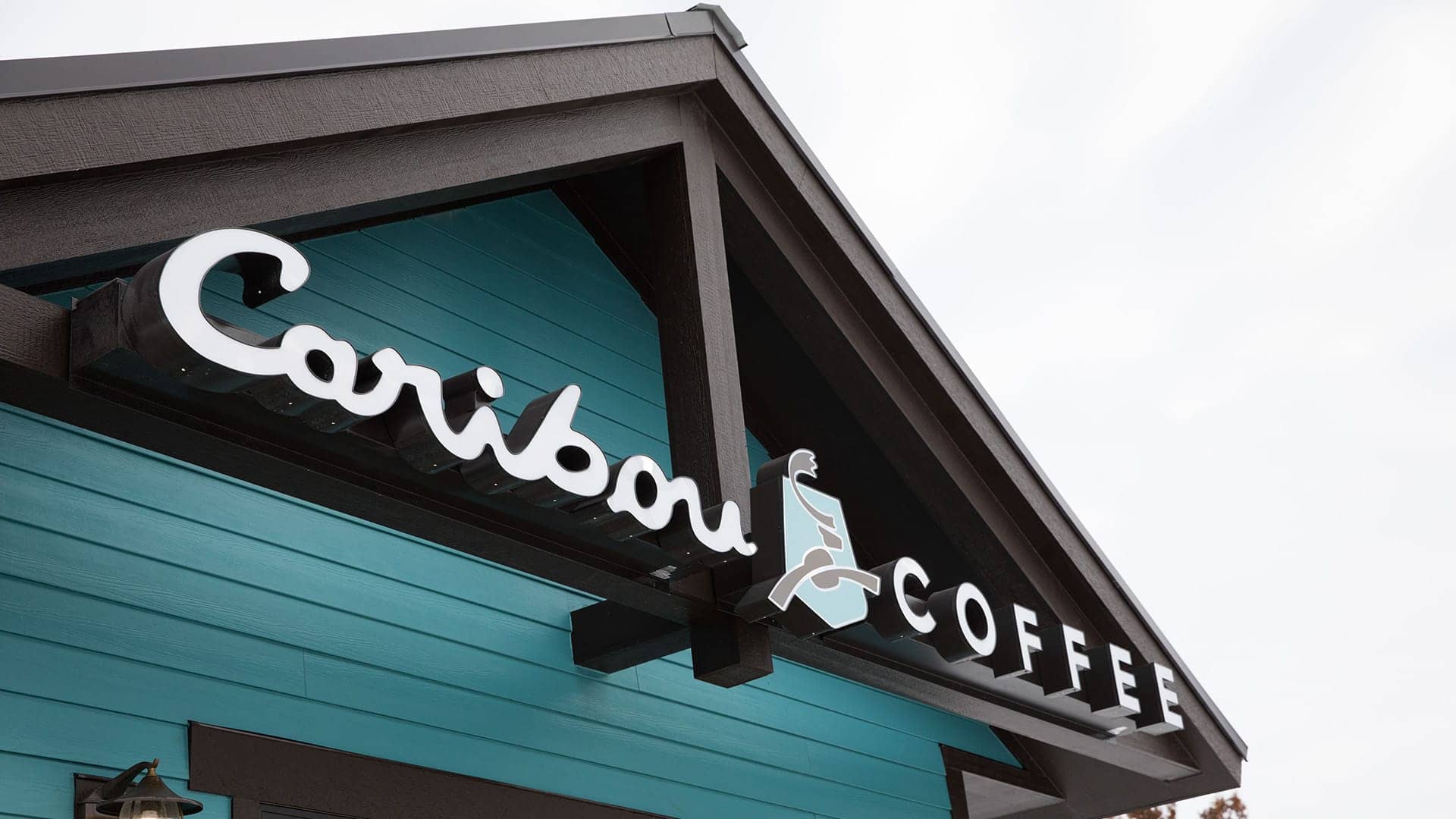
Caribou Coffee appoints Zane Thomas-Rogers as Chief Operations Officer to strengthen execution across its expanding coffeehouse network.
Sep 4, 2026

Compare the top 10 restaurant POS systems in the USA for 2026. Explore features, pricing, pros, cons, and the best POS options for every restaurant type.
Jul 1, 2026

Learn how to handle restaurant payroll yourself, from calculating hours and wages to managing tips, taxes, and final paychecks.
Sep 2, 2026
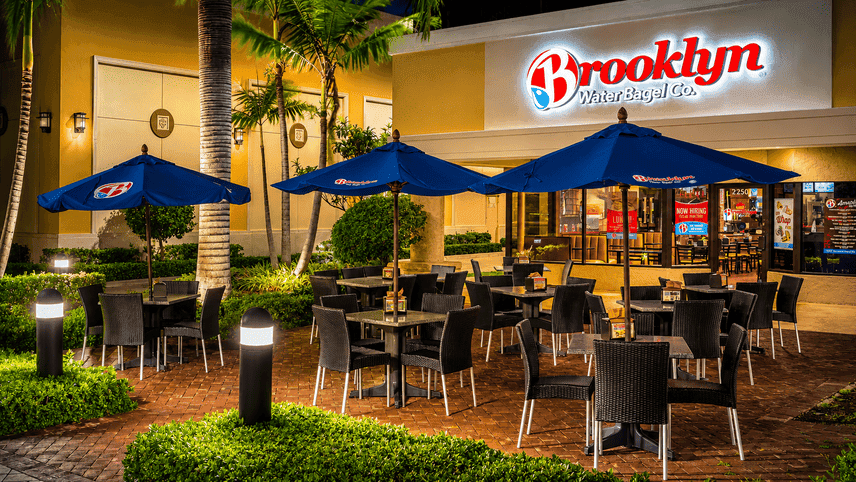
Brooklyn Water Bagel launches its first campus eatery at Nova Southeastern, signaling strategic growth and fresh potential for multi-unit operators seeking new market wins.
Sep 2, 2026
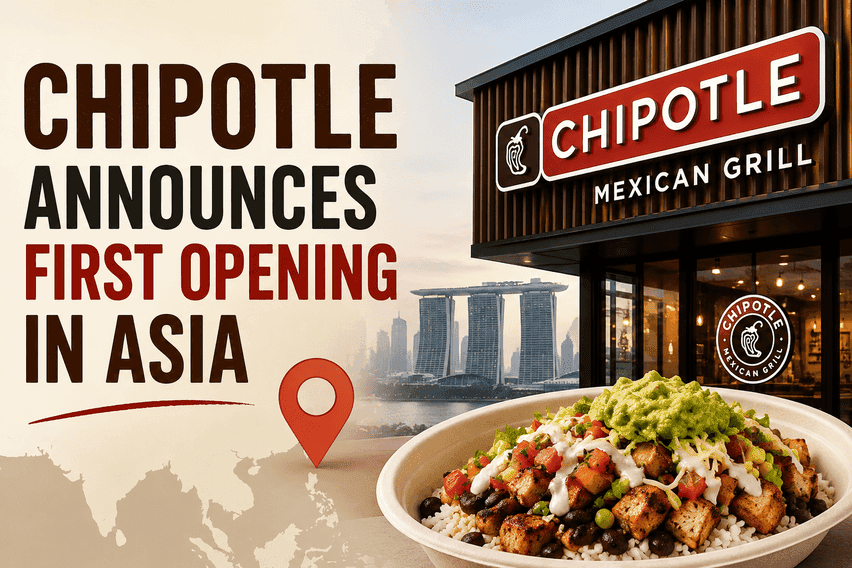
Chipotle makes its highly anticipated entry into Asia with a Seoul opening, partnering with Sangmidang Holdings and setting a template for future international growth.
Sep 2, 2026
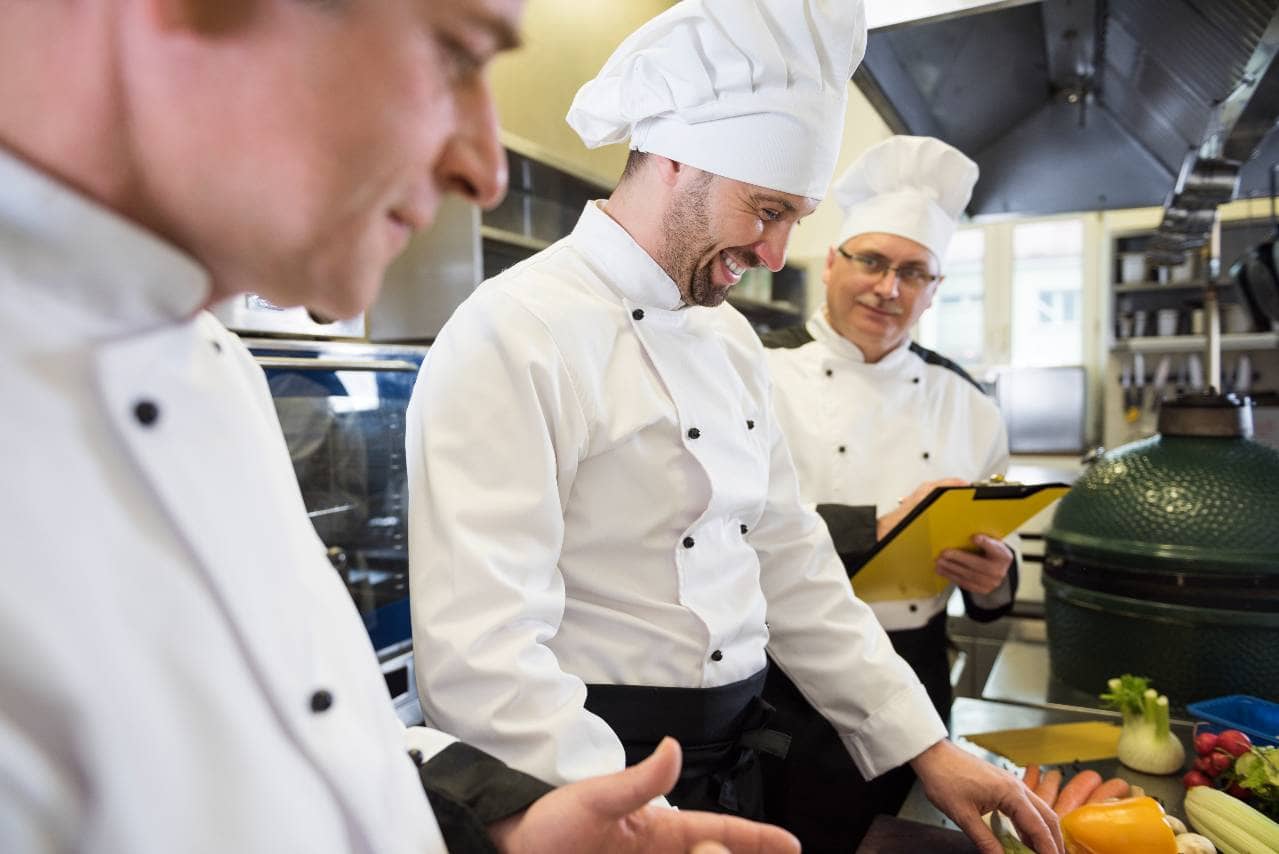
Restaurant labor management helps owners optimize staffing, control labor costs, improve productivity, monitor overtime, and maintain efficient restaurant operations.
Sep 2, 2026
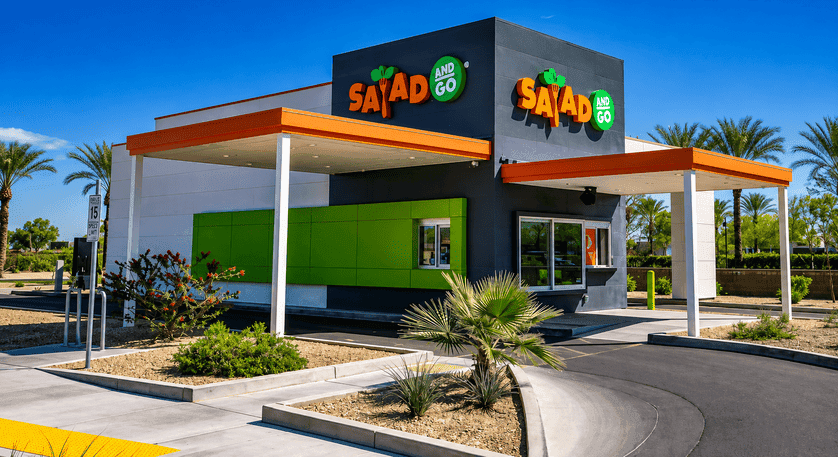
7 Brew has acquired 73 former Salad and Go locations, surpassing Dutch Bros with a $143M bid, signaling a major shift in the competitive landscape for drive-thru brands.
Sep 2, 2026
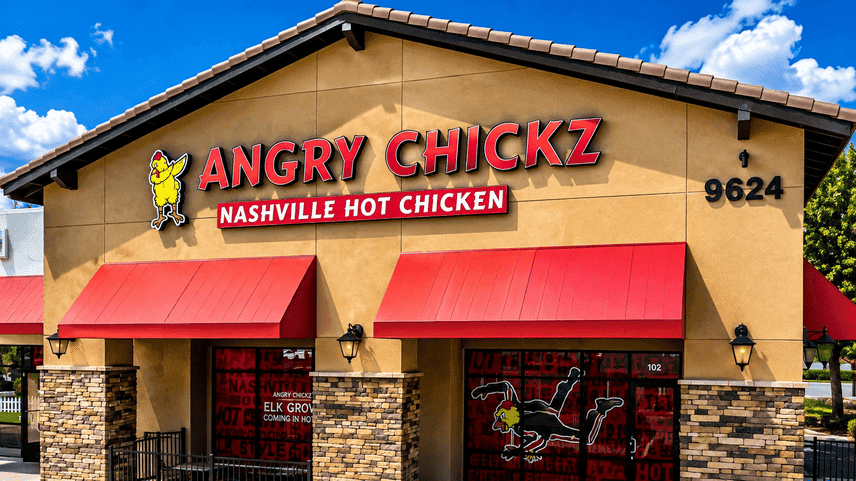
Angry Chickz enters Illinois with its signature hot chicken concept and ambitious plans for Midwest expansion, setting the stage for new franchise opportunities and community engagement.
Sep 2, 2026

Explore restaurant technology trends in 2026, including AI, automation, digital ordering, workforce tools, connected kitchens, personalization, and profitability strategies today.
Aug 28, 2026

Unlock Exclusive Access To Webinars, Events, And The Latest News For Free!
Toca Social opens in Dallas, tying its tech-forward soccer venue to World Cup buzz while mapping dual-track growth and franchising across the Americas.

Photo by Jonathan Petersson
Toca Social picked Dallas for its first U.S. launchpad in March, opening a venue where fans can play downsized indoor soccer with a full slate of food and beverage service. The timing is strategic: the 2026 FIFA World Cup kicks off on June 11, and Dallas will host nine of the tournament’s matches, aligning the brand’s debut with peak local excitement.
Soccer participation in the United States has already surged ahead of the event, with the Sports & Fitness Industry Association reporting record participation figures in May 2026 and a Goal.com survey finding that 75 percent of Americans plan to follow the tournament in some capacity. The concept stems from Toca Football, which also operates Toca Soccer, an indoor training chain founded in 2016 that uses ball-feed machines to simulate practice drills.
Toca Social launched in London in 2021, expanded across the U.K., then set its sights on the U.S. Eddie Lewis, Toca Football President and former U.S. Men’s National Team defender, drew on his World Cup and professional career, from a 2002 Gold Cup championship to stints in Major League Soccer, to shape a tech-forward, experience-based model.
Appetite for such hybrids is building. The U.S. indoor amusement center market was valued at USD 5.5 billion in 2024 and is projected to reach USD 10.2 billion by 2034, reflecting a 6.3 percent CAGR driven by arcade games, VR zones, and hospitality offerings. Harman explains that Toca Social “downsized the sport” so groups of 10 to 20 can play in private rooms equipped with rebound walls and smart ball-tracking technology.

Guests reserve game boxes that convert into match-viewing suites on big screens, enabling watch parties with live broadcasts. Operationally, evenings cater to young adults, weekends and holidays to families, and mid-week midday hours to corporate events. The format mirrors a broader surge in location-based entertainment, projected to grow globally from USD 7.39 billion in 2025 to USD 49.24 billion by 2033, a 26.2 percent CAGR.
In the United States alone, revenue is expected to rise from USD 1.78 billion in 2025 to USD 9.53 billion by 2033. “Relatively few soccer fans will actually kick a ball,” Alex Harman said, explaining the rationale for an accessible format. Eddie Lewis added, “The inspiration from the World Cup is really powerful and can last a long time.”

Outside experts see structural tailwinds. Alex Kerman of SFIA notes that female outdoor soccer participation surged 65.5 percent from 2018 to 2025, outpacing male growth, and Bank of America has escalated its funding for youth soccer programs ahead of the tournament, signaling institutional faith in a lasting lift for the sport. Growth plans mirror the model’s blend of control and local savvy.
Toca Social is pursuing a dual-track expansion: company-owned venues in the U.S. and U.K. and franchised sites elsewhere. A master franchise agreement in Mexico with Ventura Entertainment commits to a minimum of 20 locations in a cohost nation, and Guatemala is slated next, followed by two to three new international franchise agreements in 2027.

The timing dovetails with a robust U.S. franchising sector that generated USD 858 billion in sales in 2025, nearly one out of every ten dollars in consumer spending, and added over 20,000 units, a 2.5 percent increase year-over-year. This mix of in-house control and local partner expertise aims to accelerate growth beyond Toca Social’s home markets. Comparable playbook, familiar momentum. Topgolf’s entertainment-focused golf venues reported positive same-venue sales growth in Q3 2025 and raised its full-year Topgolf revenue guidance to USD 1.77 billion, driven by value promotions like Margaritas and Half-Off Days.
Dave & Buster’s has long paired gaming, simulators, and F&B, proof that experiential, hybrid venues can ride fan energy tied to major sports events. Questions persist once the last whistle blows. Historical data shows that outdoor soccer participation gains often materialize after a tournament rather than during it, which suggests a lag before venue-level impact.

Economic headwinds, such as shifting consumer spending patterns amid moderating inflation, could also weigh on private bookings and corporate events, leaving the watch party model untested for longevity. Toca Social’s Dallas debut is a high-stakes test of whether a downsized, tech-infused soccer experience can translate World Cup enthusiasm into a lasting social sports brand.
By pairing immersive play with hospitality and targeted franchising partnerships, the company is building for the surge and the seasons beyond. Success in Dallas will inform further company-owned growth in core markets and validate franchise rollouts worldwide, potentially reshaping the location-based sports entertainment segment long after June 11, 2026.