The Hidden Cost of Unpredictable Schedules on Employee Retention
Struggling with employee retention? Learn how unpredictable scheduling drives turnover and what you can do to create a more stable workforce.
May 4, 2026
Struggling with employee retention? Learn how unpredictable scheduling drives turnover and what you can do to create a more stable workforce.
May 4, 2026
Photo by on Unsplash
GoTo Foods blends seven iconic brands to push snacking as a growth engine, expanding dayparts, off-premise channels, and co-branding.
May 3, 2026
Mark Graff steps in as CFO to anchor Red Robin's First Choice turnaround with disciplined financial leadership.
May 3, 2026
Photo by Graphe Tween on Unsplash
Doinita Leahu redefines hospitality leadership with practical training, mentorship, and people-first systems guiding Vicious Biscuit’s growth.
May 3, 2026
Explore high-traffic Texas markets where restaurants can succeed by matching concepts, customer behavior, visibility, and daily demand.
Apr 30, 2026
Learn how to calculate food cost, control margins, reduce waste, price menu items, and use technology to improve restaurant profit.
Apr 29, 2026
Photo by Unseen Histories on Unsplash
A look at how U.S. brands expand through multi-unit deals, cross-border partnerships, and seasoned operators in 2026.
Apr 29, 2026
Photo by Erik Mclean on Unsplash
McDonald’s unveils six beverages across 14,000 restaurants on May 6, expanding McCafé with Refresher and crafted sodas and a new store-level beverage specialist role.
Apr 29, 2026
Learn how to write a coffee shop business plan that covers concept, location, menu, finances, branding, marketing, and risk planning.
Apr 27, 2026
Explore marketing strategies for food businesses using reviews, professional photos, SEO, social media, partnerships, events, and catering.
Apr 28, 2026
Learn about the recent E. coli outbreak potentially linked to McDonald's, the safety measures taken, and responses from the company and related suppliers.


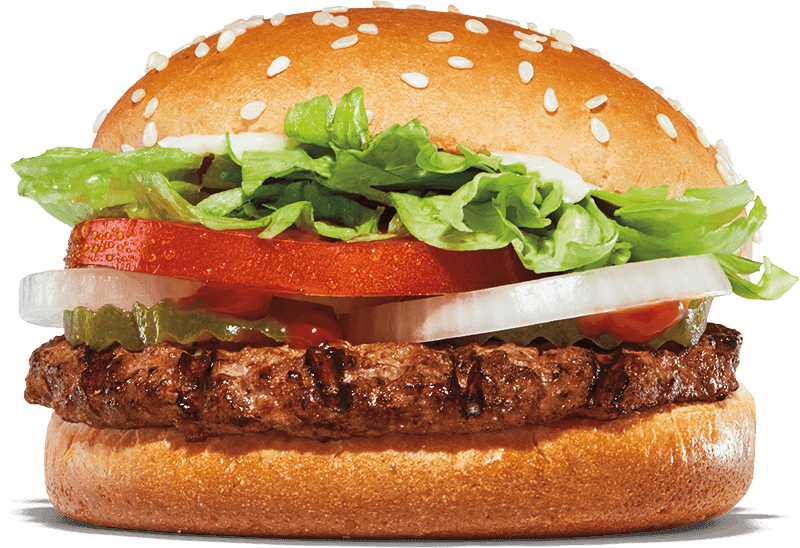
The E. coli outbreak connected to McDonald's has raised significant concerns regarding food safety. The Centers for Disease Control and Prevention (CDC) first reported the outbreak to McDonald's following 49 identified cases and one fatality across 10 states. The outbreak is believed to be linked to the consumption of slivered onions used in McDonald's Quarter Pounder burgers.

In response to the outbreak, McDonald's took swift action by removing the suspected slivered onions from affected restaurants in states such as Colorado, Kansas, Utah, and others. By eliminating the potential source of contamination, McDonald's aimed to mitigate further risks to its customers.

Following the outbreak, McDonald's supplier, Taylor Farms, voluntarily recalled yellow onions produced in its Colorado facility as a precautionary measure. This recall demonstrates the proactive approach taken by suppliers in ensuring food safety. Additionally, major distributors like US Foods issued recall notices for products sourced from Taylor Farms, emphasizing the broader industry response to such incidents.

The impact of the E. coli outbreak has extended to other restaurant chains beyond McDonald's. Colorado-based Illegal Pete's, although not linked to any E. coli cases, disposed of onions obtained from the affected supplier, showcasing a commitment to customer safety. Taco Bell also removed onions from its menu in response to the evolving situation, highlighting the cautious approach adopted by various food establishments.

Foodborne diseases, including E. coli infections, affect millions of individuals annually, leading to thousands of fatalities. The recent events underscore the ongoing challenge of ensuring food safety in the food industry and the importance of collaborative efforts between regulators, suppliers, and restaurants to prevent such outbreaks.
As investigations continue, collaboration between McDonald's, regulatory bodies like the FDA and CDC, suppliers, and distributors remains crucial in identifying the root cause of the outbreak and implementing preventive measures. This incident serves as a reminder of the vigilance required to uphold food safety standards and protect consumers from potential risks.