
8 Steps in the Restaurant Payroll Process
Learn the eight essential steps of the restaurant payroll process, from tracking hours and calculating wages to payments and recordkeeping.
Payroll
Aug 17, 2026
Learn the eight essential steps of the restaurant payroll process, from tracking hours and calculating wages to payments and recordkeeping.
Aug 17, 2026

Explore the main types of ordering technology restaurants use to improve accuracy, speed, payments, customer convenience, and operational efficiency daily.
Aug 17, 2026
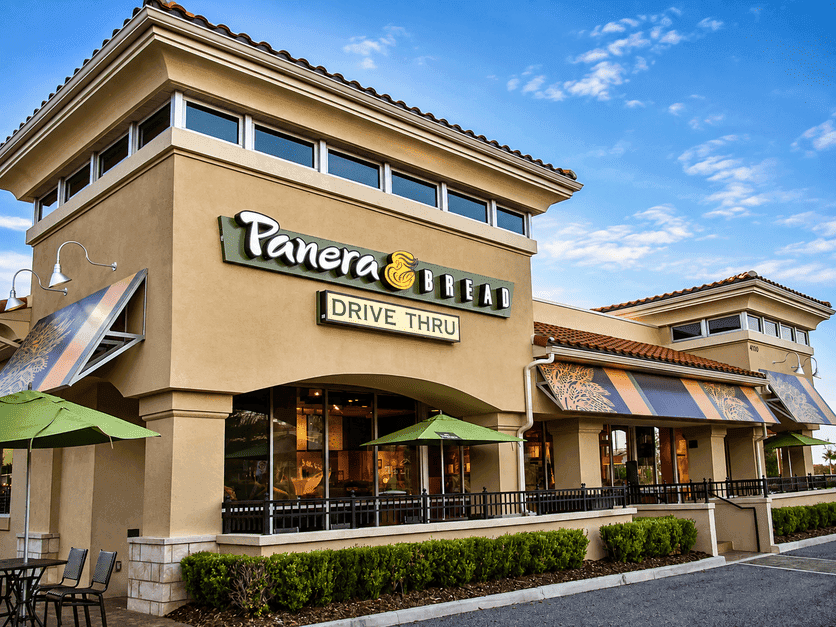
Panera Bread welcomes Andrew Rebhun as its new CMO to spearhead strategic brand growth and transformation, bolstering its vision for 2028.
Aug 17, 2026
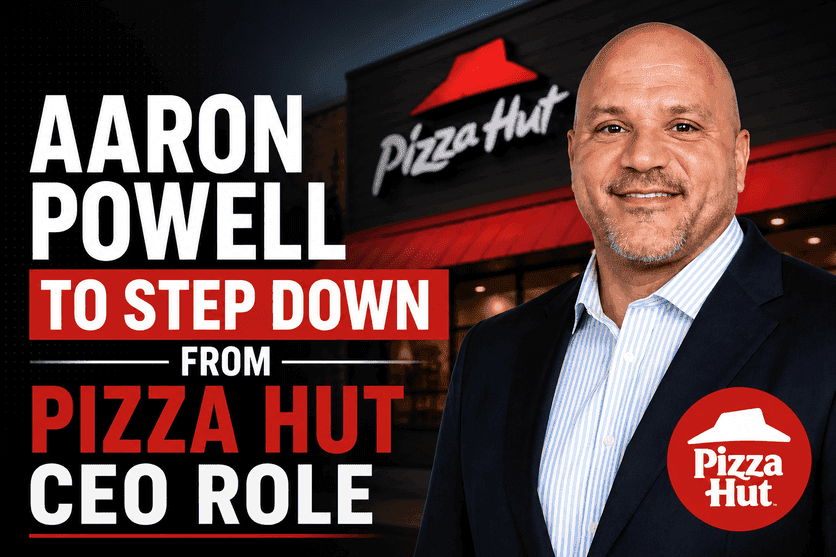
The transition of Pizza Hut's CEO, Aaron Powell, marks a pivotal moment for the chain and offers valuable leadership lessons for restaurant owners. Here’s what this executive change could mean for your business.
Aug 17, 2026

Discover how restaurant SMS marketing works, from building subscriber lists and creating campaigns to improving engagement and measuring marketing performance.
Aug 14, 2026

Learn how to manage cash flow in your restaurant by tracking finances, controlling costs, forecasting needs, and building cash reserves.
Aug 14, 2026
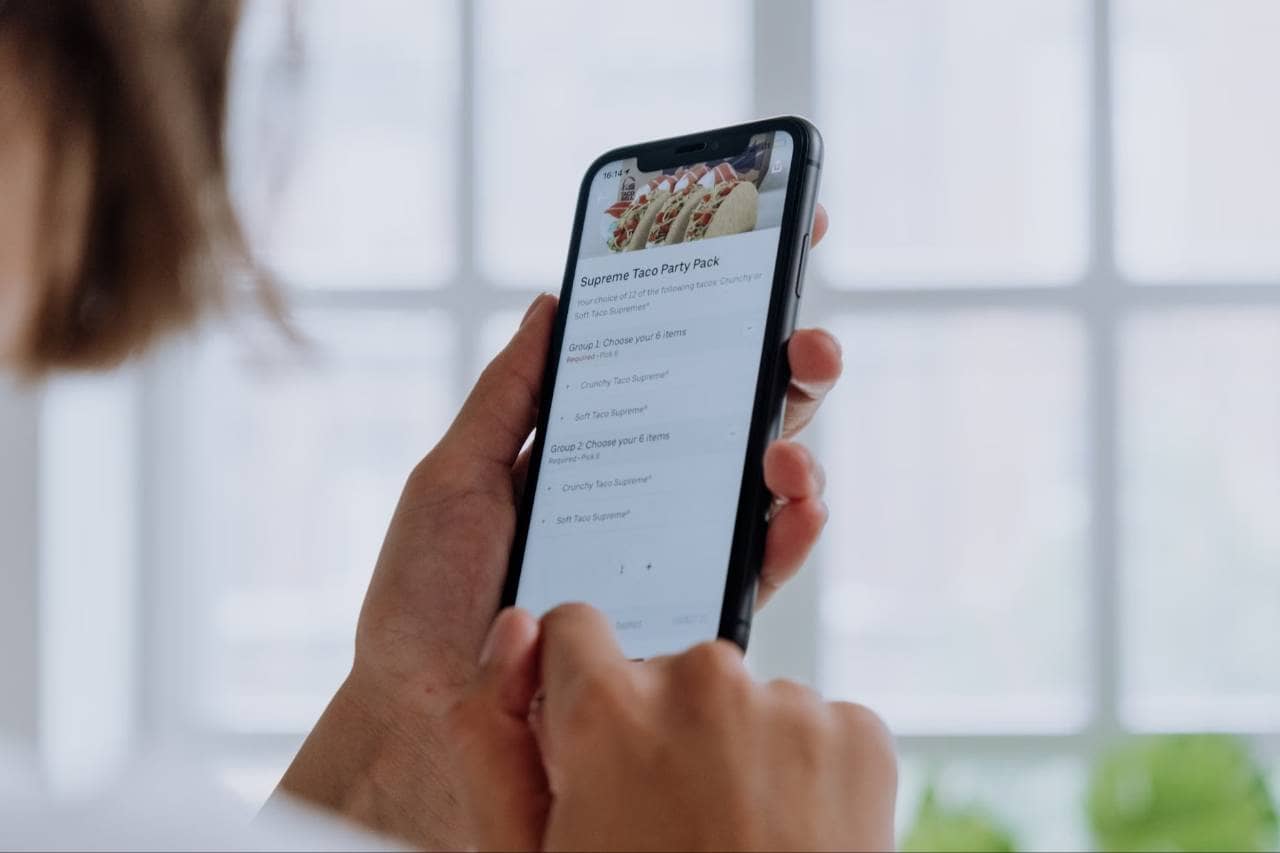
Increase online orders by simplifying checkout, optimizing menus, improving Google visibility, promoting ordering channels, and encouraging customers to order again.
Aug 12, 2026
Streamline restaurant back office operations by standardizing workflows, automating repetitive tasks, integrating systems, centralizing data, and improving accountability and efficiency.
Aug 12, 2026
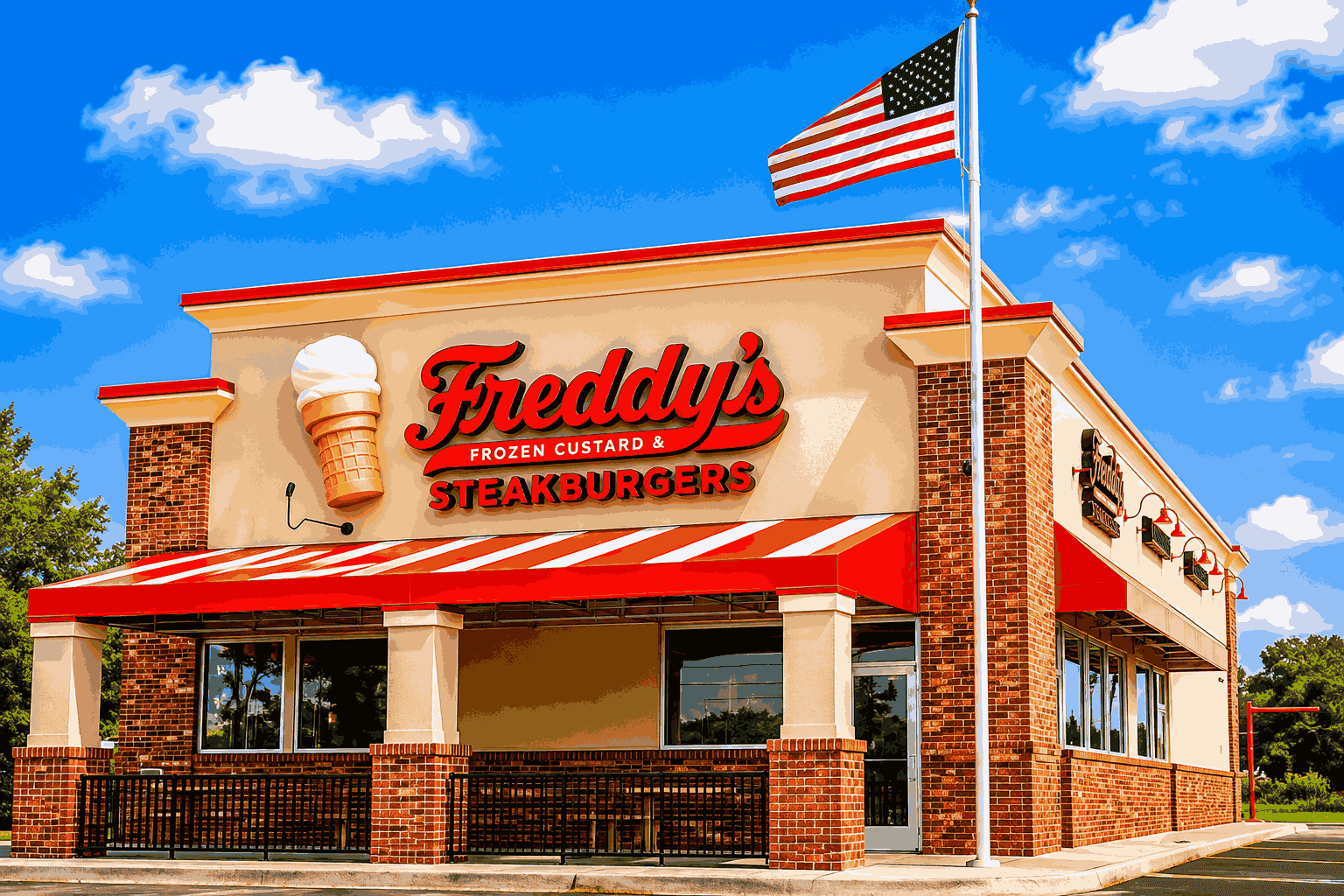
Freddy’s Frozen Custard & Steakburgers promotes Rick Petralia to Executive Chef & VP of Training & Innovation, signaling a strategic focus on culinary excellence and franchisee support.
Aug 12, 2026

McDonald’s USA has appointed Patrick Gerber as chief restaurant officer, leveraging his decades of global experience to boost operations, food quality, and customer satisfaction in the U.S. market.
Aug 11, 2026

Unlock Exclusive Access To Webinars, Events, And The Latest News For Free!
Discover how Chili's achieved record sales growth through operational enhancements and strategic menu optimizations. Explore the key strategies that drove the chain's impressive turnaround and marketing innovations.
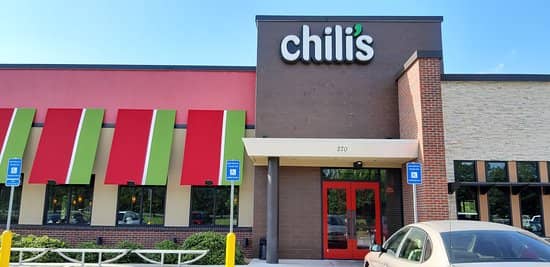
Chili's remarkable sales growth story is not just about numbers but a strategic transformation in its operations and menu offerings. Through a dedicated effort to enhance customer experience, the chain saw a surge in same-store sales by implementing key changes. One of the core strategies was to upscale the quality of ingredients used in their dishes.
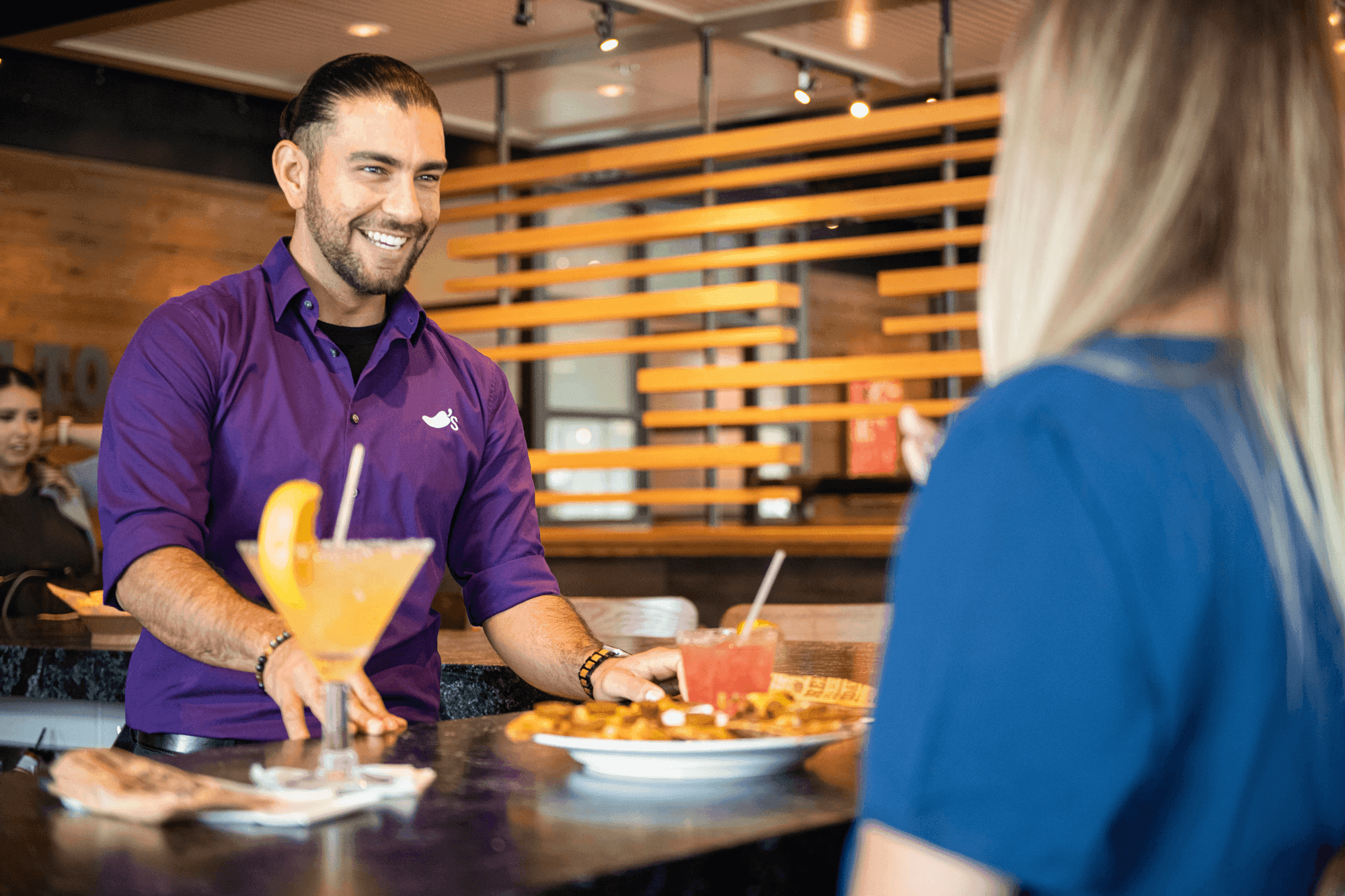
Chili’s decision to focus on customer satisfaction by improving the menu ingredients paid off significantly. By preparing guacamole in-house daily and upgrading key items like chicken breast and chicken wings, the brand not only elevated the taste profile of its dishes but also increased customer satisfaction scores. This attention to detail reflects a commitment to delivering a premium dining experience to its patrons.
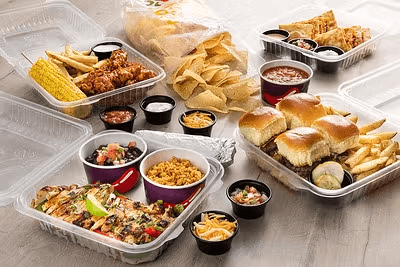
Trimming menu items and pantry SKUs while reducing prep sets allowed Chili's to streamline its offerings and concentrate on quality over quantity. This shift in strategy towards a more curated menu positively impacted operational efficiency while maintaining a focus on customer preferences. By doing fewer things better, Chili’s managed to drive sales growth while enhancing overall dining experiences.
Chili's investment in back-of-house equipment upgrades, such as the new kitchen display system and TurboChef ovens, revolutionized its operations. These changes not only improved efficiency by reducing prep time and equipment cleaning but also optimized space management in the kitchen. The enhanced operational setup allowed the chain to cater to increased customer traffic effectively.
Apart from operational improvements, Chili's innovative marketing strategies played a pivotal role in driving sales growth. Collaborating with social media influencers to promote signature offerings like the Triple Dipper and the 3 for Me campaign significantly increased brand visibility and attracted a broader demographic range. These initiatives showcased Chili's ability to evolve its marketing approach and resonate with consumers effectively.
Chili's unwavering commitment to providing value to its customers through strategic promotions like the 3 for Me offer demonstrated its resilience against competitor pressures. The brand's focus on enhancing overall dining experiences and offering innovative menu items like the Big Smasher burger and premium margaritas helped differentiate it in a competitive market landscape. This solid value proposition became a cornerstone of its sustained sales growth.