
California Penalizes Dickey's for Franchise Disclosure Violations
California shifts to public enforcement strategy against Dickey's for deceptive franchise disclosures, signaling stricter state-level franchise oversight.
Franchising
Sep 10, 2026
California shifts to public enforcement strategy against Dickey's for deceptive franchise disclosures, signaling stricter state-level franchise oversight.
Sep 10, 2026
Paul Brown temporarily steps away from Inspire Brands as Scott Murphy assumes interim CEO role during confidential IPO filing process targeting late 2026.
Sep 10, 2026

Learn how to reduce food waste in restaurants through smarter purchasing, storage, preparation, and service strategies that cut costs.
Sep 9, 2026
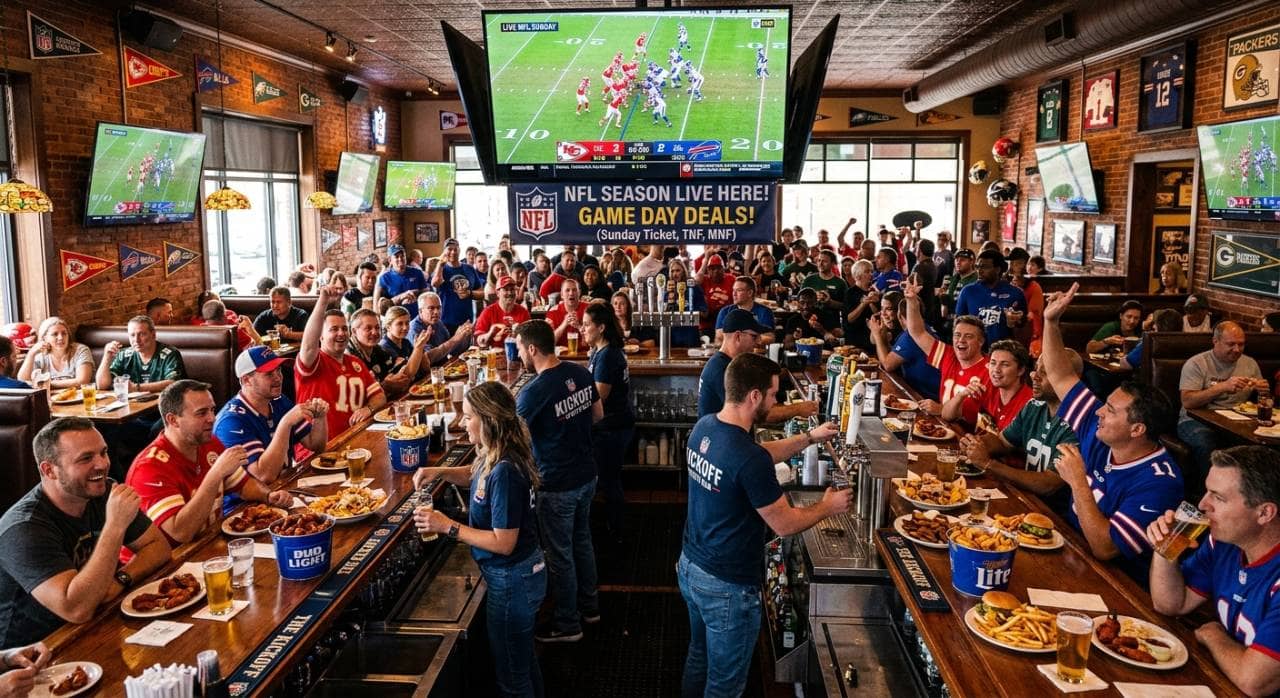
Prepare your restaurant for NFL season with smart menu planning, staffing, marketing, technology, and atmosphere strategies that boost season-long revenue.
Sep 9, 2026
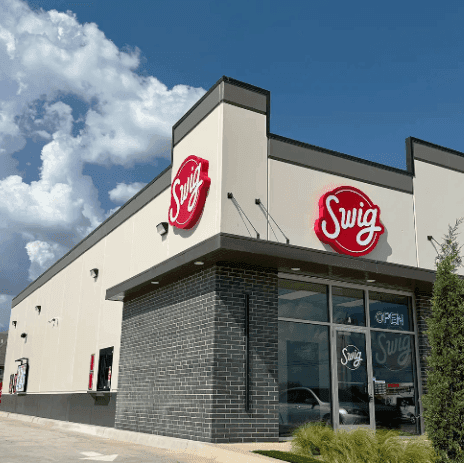
Swig signs franchise agreement for 11 South Denver locations, marking Colorado entry and validating its national expansion strategy.
Sep 8, 2026
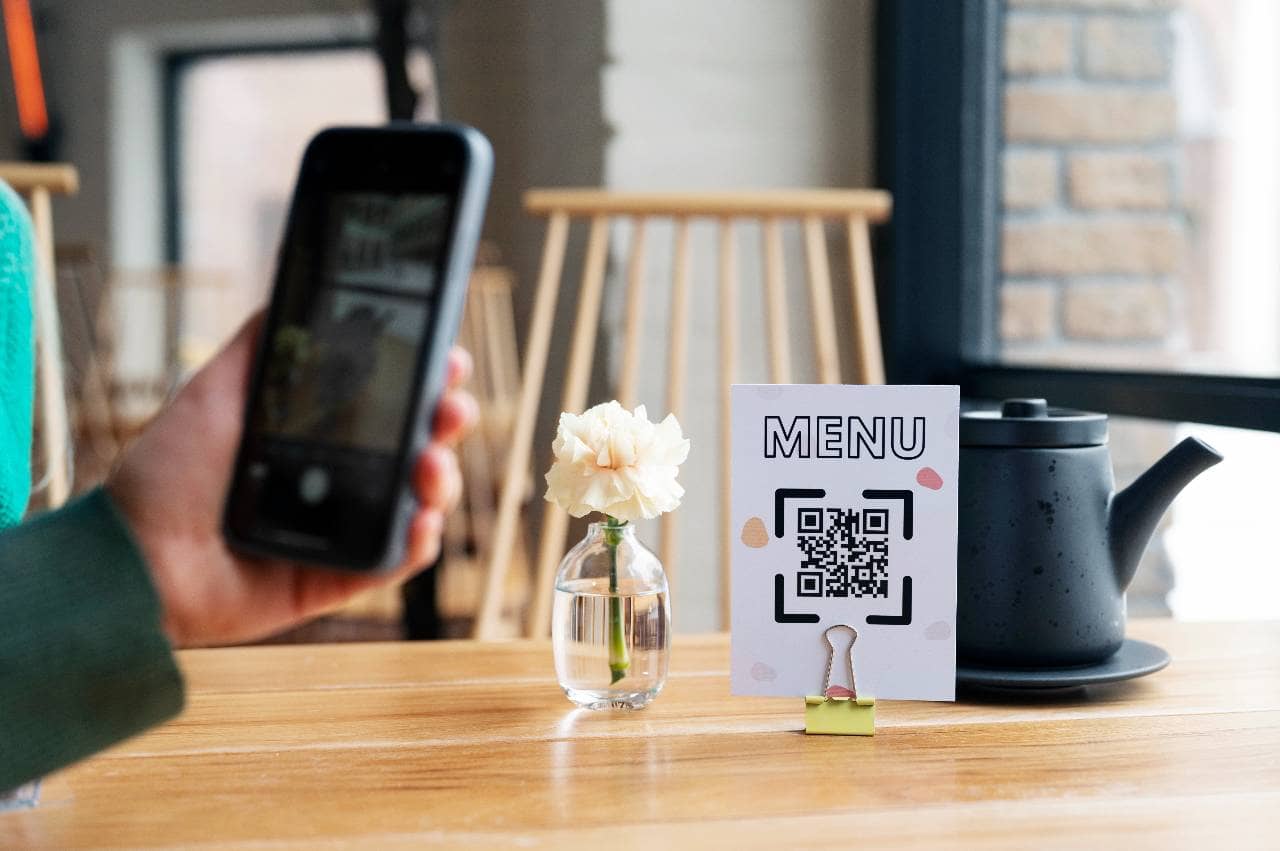
QR code menus let restaurants replace paper menus digitally, enabling instant updates, contactless browsing, ordering, and payment through simple smartphone scanning.
Sep 7, 2026

Complete guide helping restaurant owners choose essential kitchen equipment - covering cooking, refrigeration, prep, sanitation, ventilation, safety, and long-term maintenance planning.
Sep 7, 2026

Avoiding common restaurant payroll mistakes - misclassification, tip credit errors, overtime miscalculations - protects businesses from costly penalties, back pay, and compliance risks.
Sep 4, 2026
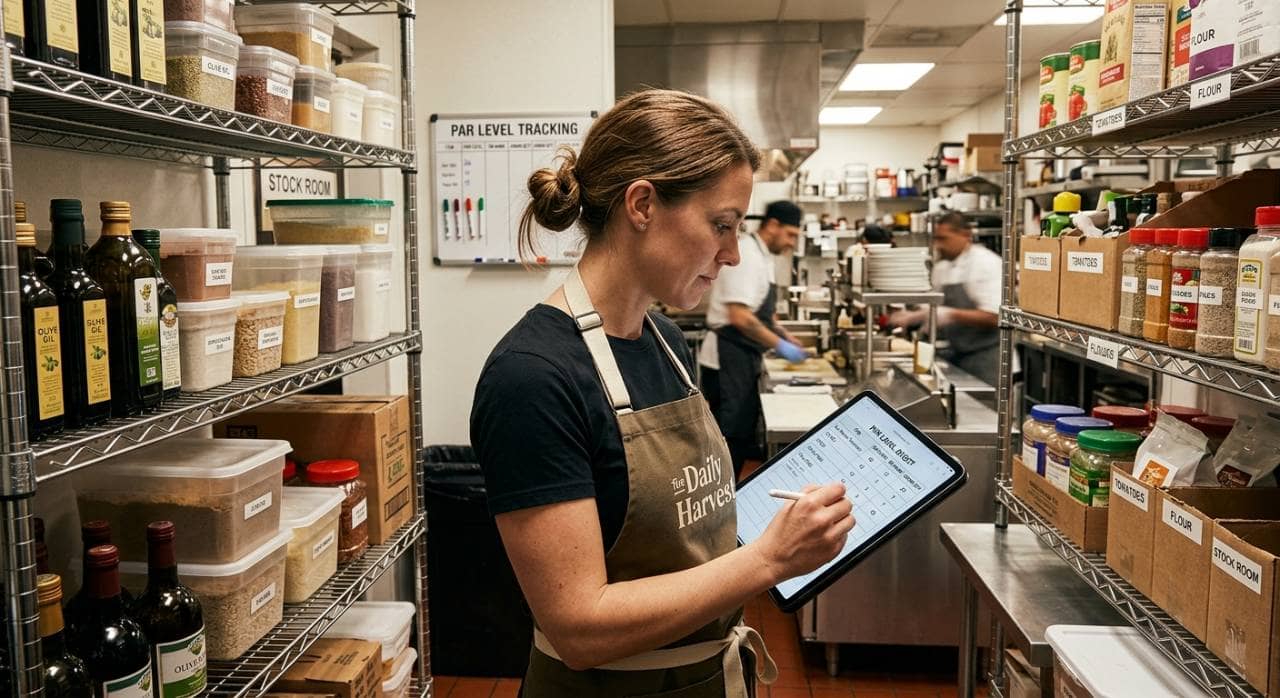
Learn to calculate par levels for restaurant food, beverages, and packaging inventory, preventing stockouts and waste through proper formulas.
Sep 4, 2026
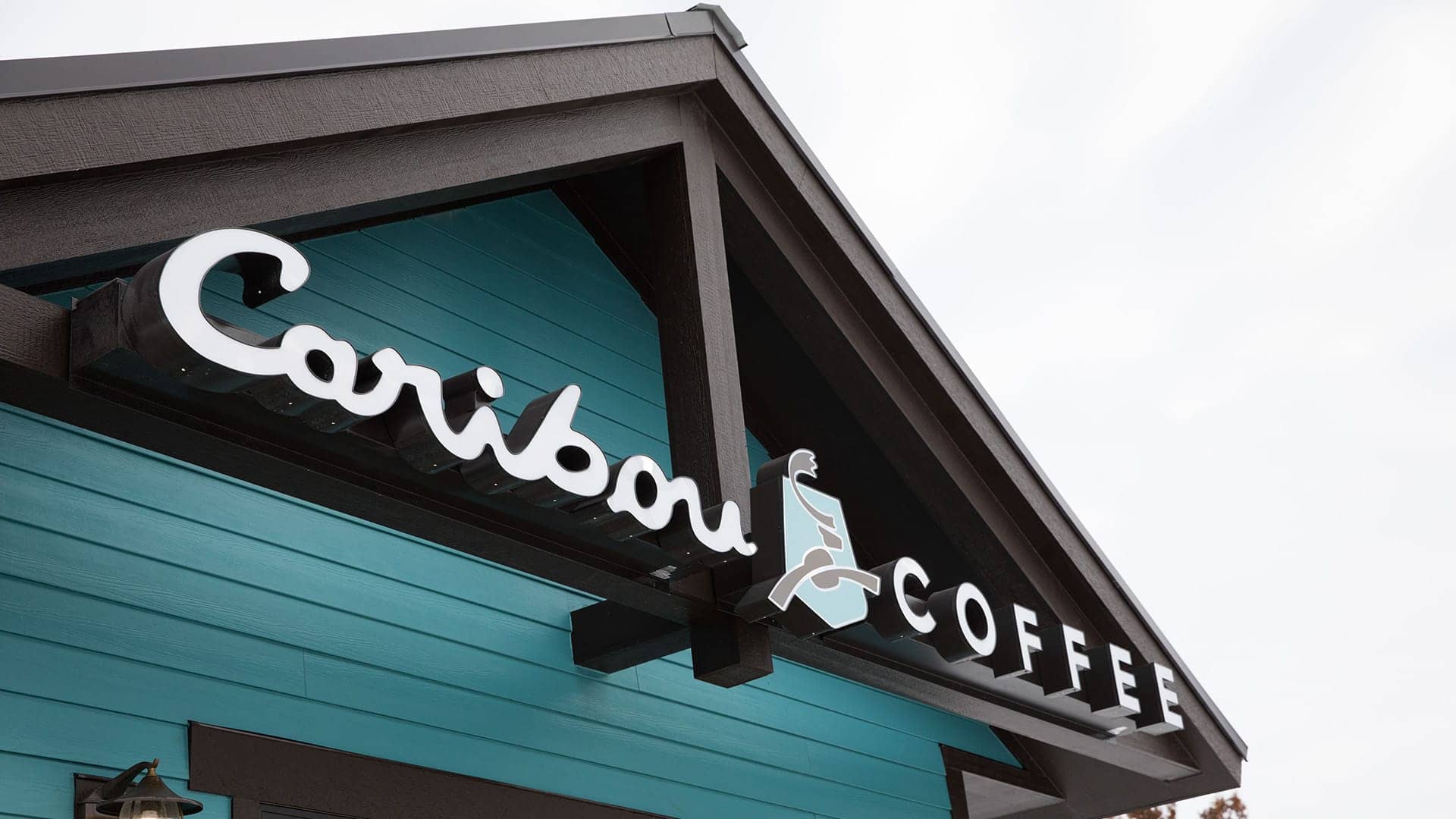
Caribou Coffee appoints Zane Thomas-Rogers as Chief Operations Officer to strengthen execution across its expanding coffeehouse network.
Sep 4, 2026

Unlock Exclusive Access To Webinars, Events, And The Latest News For Free!
Yum! Brands bets on AI, data, and a unified tech stack to lift profits and guest experience across its brands, led by Taco Bell's digital momentum.

Photo by Armia Refaat
Yum! Brands finds itself in a mixed weather system. On the ground, Pizza Hut, KFC, and Habit Burger Grill posted another quarter of softer same-store sales, a sober reminder that not every chapter in this story is a clean, straight line. The pacing matters: two straight quarters of declines in core U.S. concepts underscore domestic headwinds even as pockets of improvement surface systemwide. Yet the crown jewel, Taco Bell, keeps pulling ahead, proving the power of value paired with digital discipline. The backdrop is a Dow Jones U.S. Restaurants and Bars Index that hints at a gradual, not dramatic, recovery as consumers balance prices against convenience: the signal is mixed, the road ahead uncertain, and the need for a durable tech play clear.
As Yum! Brands frames the moment, the focus turns to a multi-year, tech-led turnaround. The company points to value-driven offers and digital efficiency as the differentiator that keeps guests coming back even when the broad market softens. The early read suggests that brands with a compelling value proposition or a robust digital strategy are gaining traction; those without risk lagging. The tone is brisk, the line of sight clear: digital sales are not a side hustle, they’re the backbone of growth and resilience.
“The digital journey,” as CEO David Gibbs puts it, “is about being more agile, resilient, and stronger as part of the next phase of our technology journey.” It’s a straight line between a more capable tech stack and healthier franchise economics. The finance side mirrors the sentiment: a robust data backbone is a crucial differentiator for franchisees aiming to optimize menu mix, pricing, and staffing. In this first act, the signal is not all volume, but better efficiency and smarter decisions across the network.

Yum! Brands has chased a narrative where digital adoption translates into real profitability. The plan hinges on a platform stack that binds data, ordering, and operations across brands. In the first quarter, global digital sales eclipsed the halfway mark, a threshold that translates into an annualized figure of roughly $30 billion. Management signals that momentum would persist into the second quarter, reinforcing a strategy built on efficiency, not just appetite for new tech. The governance of data is framed as a competitive differentiator for franchisees, guiding decisions from menu to pricing and staffing in markets around the world.
At the operational edge, Taco Bell is piloting AI-driven voice ordering at drive-thrus, expanding to hundreds of U.S. locations as capabilities mature. Across brands, digital boards and AI-augmented optimization are set to scale, with Dragontail already delivering measurable gains in customer satisfaction for Pizza Hut. Yum frames these advances as the backbone of a long-term, multi-brand growth engine, a signal that technology isn’t a sidebar but a central driver of guest experience and efficiency.

CEO David Gibbs has framed the digital push as an intentional, disciplined run toward a future where agility and resilience anchor growth. He emphasizes that the journey is real, measurable progress toward profitability and guest value, rather than a mere tech romance. CFO Chris Turner underscores data as a crucial differentiator, detailing how the data backbone underpins performance improvements across the franchise network. The leadership chorus is clear: AI and digital tools aren’t a novelty; they’re a growth engine with a clear financial spine.
Analysts flag Taco Bell’s leadership in the franchise space as evidence that strong digital execution and value strategies can outperform in trying times, even as other Yum brands wrestle with the cost and complexity of scaling broad technology deployments. The company’s pivot to Byte by Yum!, an AI-enabled operating model, signals a broader industry shift toward unified, AI-powered capabilities that can be scaled across markets.

Yum has laid out a pathway toward improved profitability through digital-enabled efficiency, with early signals pointing to a roughly 10% uptick in core operating profit as digital bets take hold. The digital push is reshaping brand economics: Taco Bell US operations benefit from AI-driven drive-thru innovations, while Dragontail AI-powered workflow optimization begins to normalize kitchen throughput and order accuracy. The enterprise-wide digital share has risen steadily; in 2025, digital channels account for a substantial portion of system sales, with total digital sales expected to exceed half of the mix. The company also highlights Byte by Yum!, and a broader NVIDIA collaboration to accelerate AI in ordering and guest experiences. If these efforts scale, the results could lift 2025 performance and franchisee economics.
Still, execution risk remains. Timing, integration, and adoption across a diverse brand portfolio will shape the outcome. Privacy, data governance, and franchisee incentives need alignment as Byte by Yum! scales. Industry-wide shifts in consumer spending could reframe the math, making transparent progress and measured timelines essential to maintaining investor trust and franchisee confidence as the ecosystem evolves.
