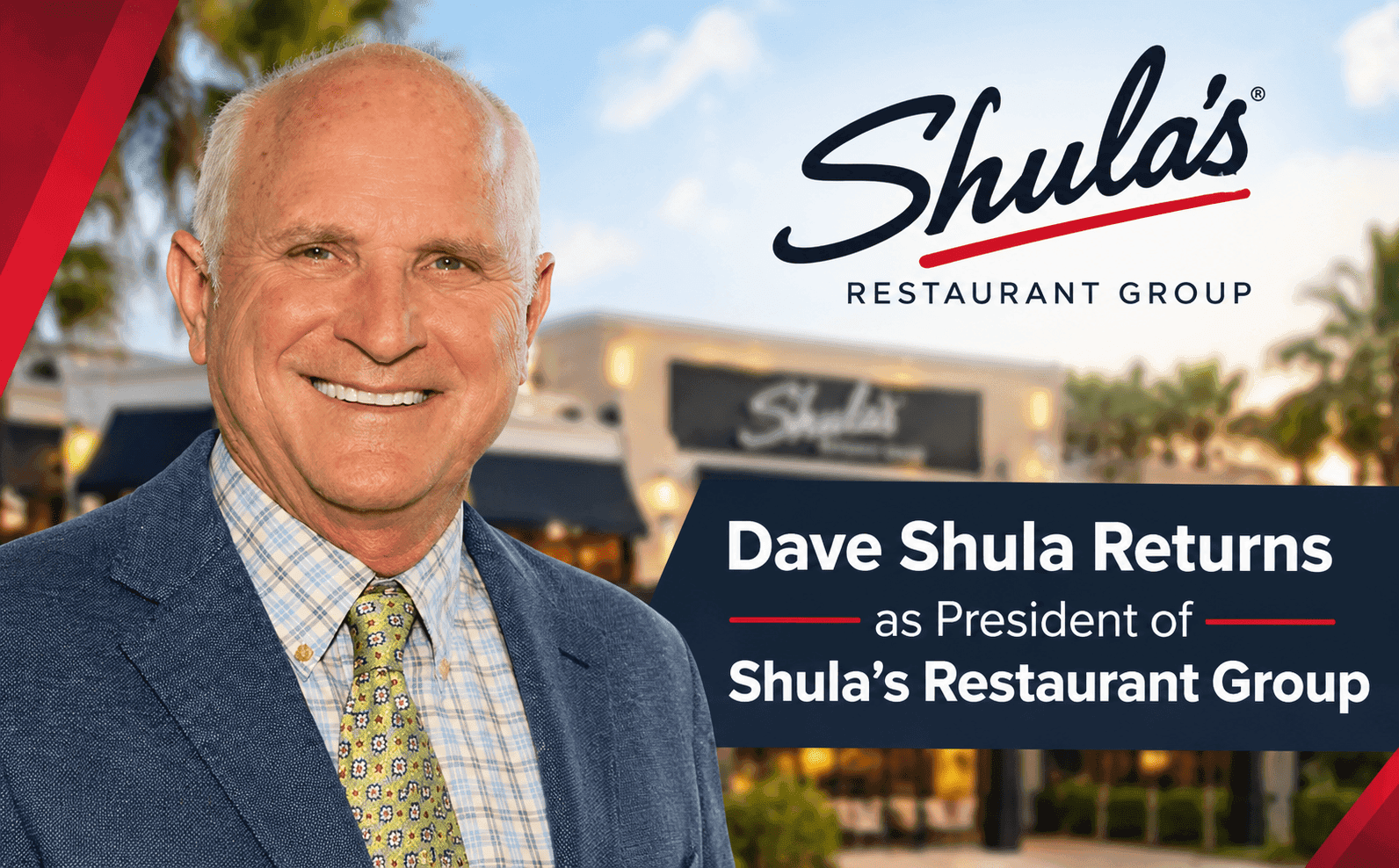
Dave Shula Returns as President of Shula's Restaurant Group
Dave Shula rejoins Shula's Restaurant Group as president, leading growth into Palm Beach Gardens and a 2027 Thomasville, Georgia expansion.
News
Sep 23, 2026
Dave Shula rejoins Shula's Restaurant Group as president, leading growth into Palm Beach Gardens and a 2027 Thomasville, Georgia expansion.
Sep 23, 2026
McDonald's commits $8.5 billion through 2036 to modernize restaurants, boost cash flow by $100,000 per store, and grow chicken and beverage sales.
Sep 23, 2026
WKS Restaurant Group promotes Jay Spongberg to president and COO after he helped grow the company from 65 to 382 restaurants over 16 years.
Sep 23, 2026

Smokey Mo's BBQ names Von Dawson, a Dine Brands veteran, as VP of Franchise Development to lead its Texas expansion strategy.
Sep 23, 2026
.png&w=3840&q=70)
Meritage Hospitality's Chapter 11 filing pulls 5% of Wendy's U.S. stores into bankruptcy, exposing cracks in franchising's bigger-is-safer bet.
Sep 21, 2026
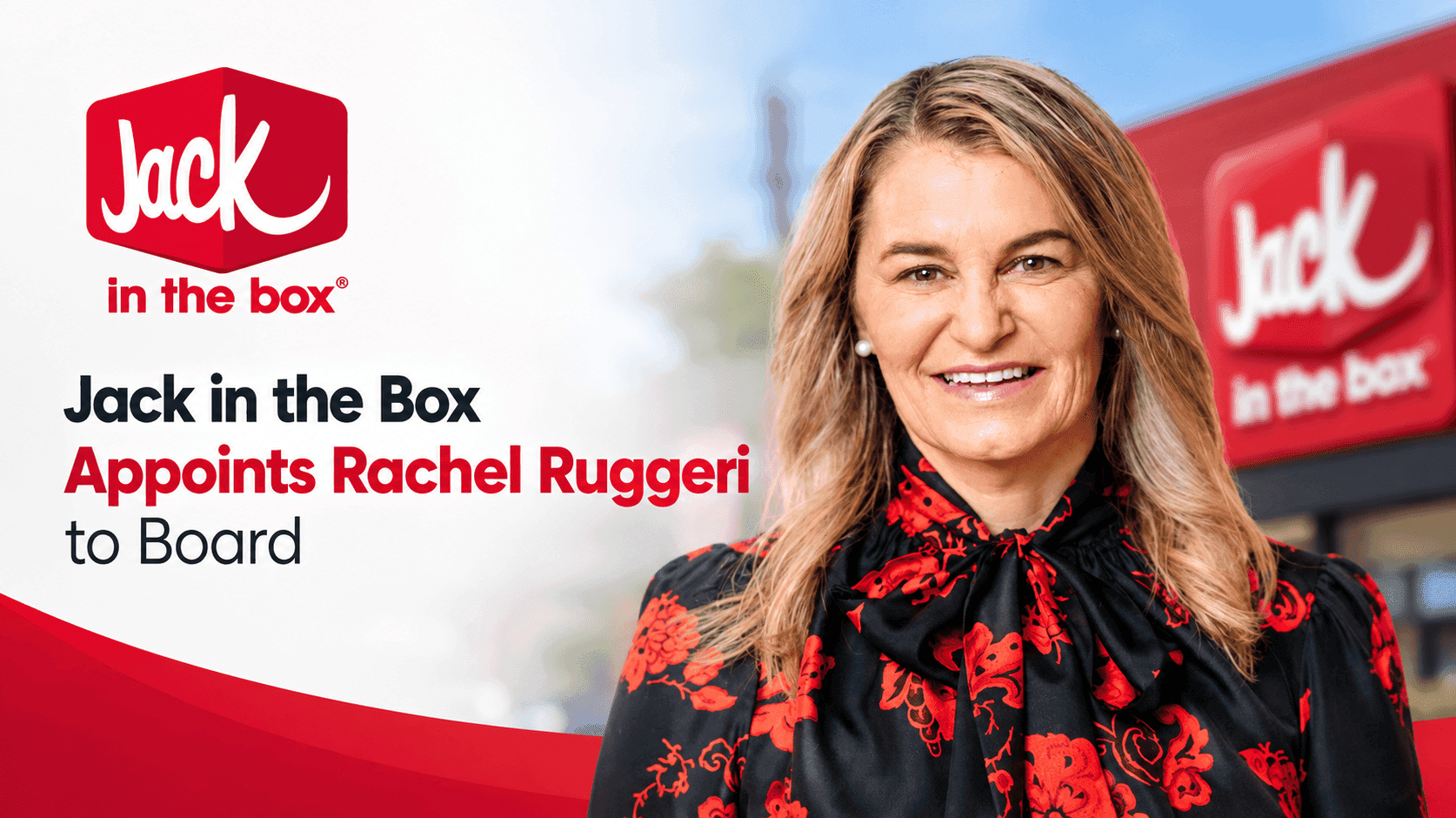
Jack in the Box names Rachel Ruggeri to its board as Michael Murphy retires, amid a CEO transition and deal with investor GreenWood.
Sep 21, 2026

Restaurant inventory tracking helps owners monitor stock, control food costs, reduce waste, improve purchasing, and make informed operational decisions.
Sep 21, 2026
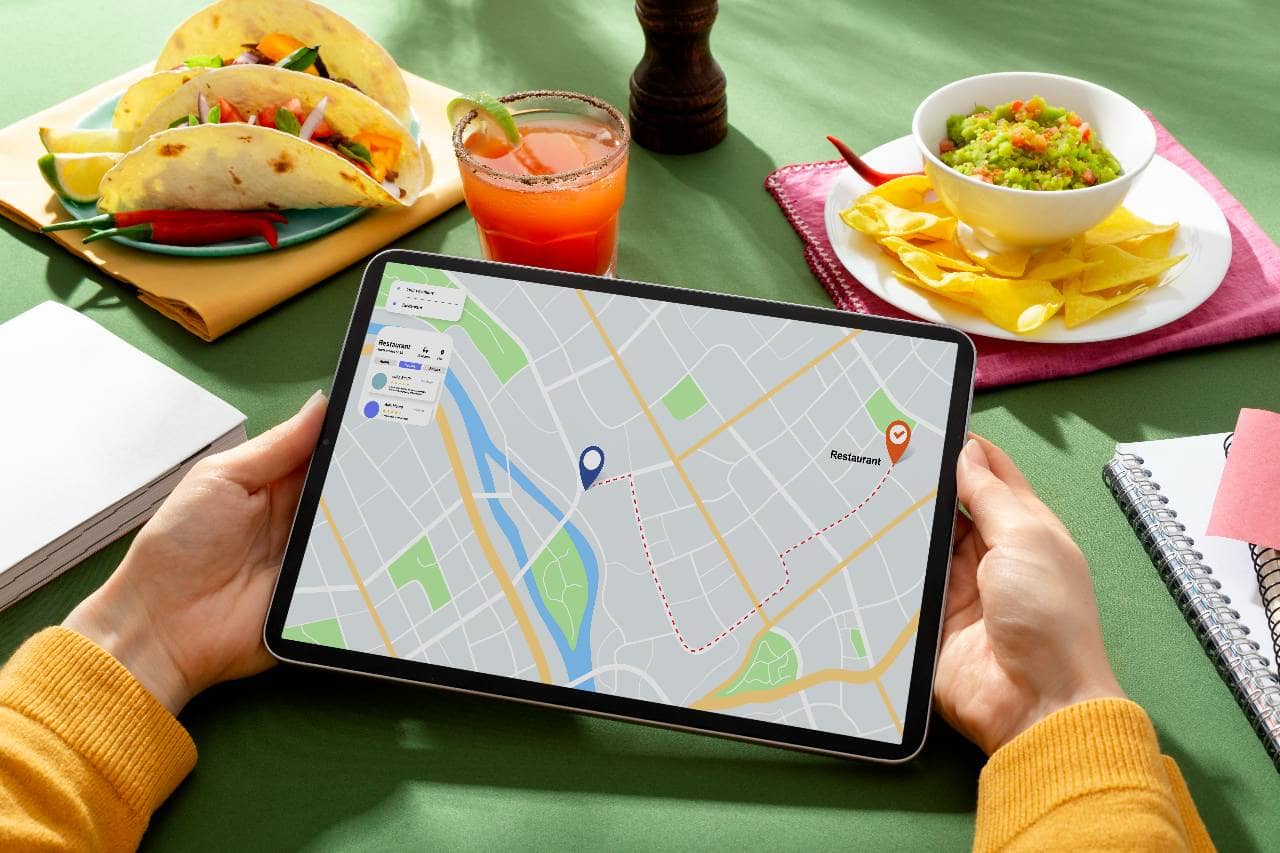
Improve restaurant Google Maps rankings by optimizing your business profile, selecting accurate categories, gathering reviews, adding photos, and strengthening local relevance signals.
Sep 21, 2026

Restaurant owners can significantly reduce restaurant costs by leveraging technology across inventory, labor, procurement, forecasting, and administrative operations for better profit margins.
Sep 18, 2026

Understand how to forecast restaurant revenue and expenses with methods for sales projection, cost scaling, fixed-cost planning, and risk buffering.
Sep 18, 2026

Unlock Exclusive Access To Webinars, Events, And The Latest News For Free!
By learning the Causes And Prevention Of Food Spoilage, restaurants can minimize their food waste, improving efficiency and profitability.
Since inventory is among the biggest expenses for restaurants, businesses should take the necessary precautions to reduce food waste. Although most foods have expiration dates, restaurants can extend the shelf-life by improving storage and ordering techniques. Therefore, restaurants should understand the common causes and prevention practices of food spoilage to save on food costs.
Food spoilage means an ingredient is no longer consumable because its nutritional value, flavor, or texture does not meet quality standards. Perishable goods, such as dairy products, bread, and meats, have shorter shelf life than canned foods. However, all types of food can spoil as a result of-
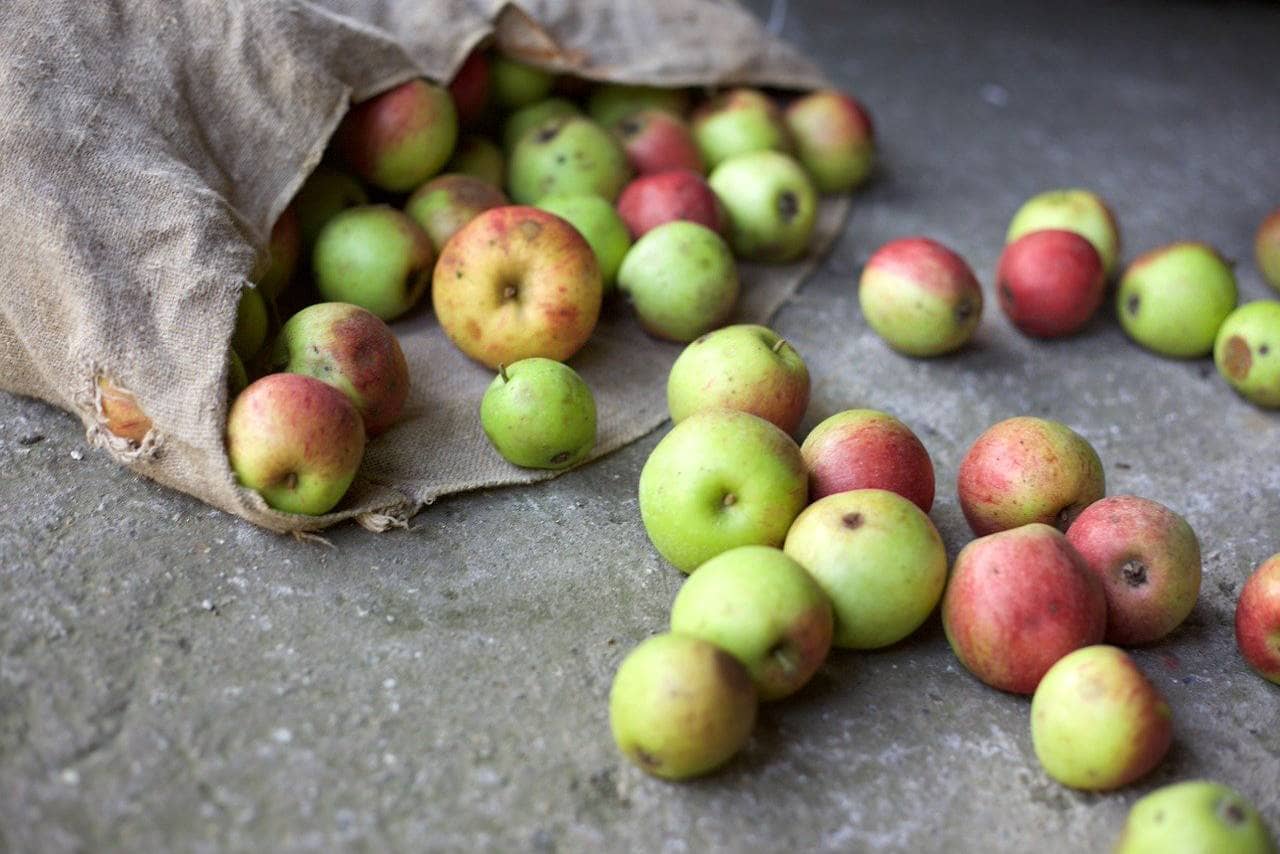
Natural food decay can result from one or multiple factors, including-

Microorganism, or microbial, spoilage can result in severe foodborne illnesses, also known as food poisoning. The three primary causes of microbial spoilage include-

Usually, food spoilage is easily detected through taste, smell, touch, and sight. For example, spoiled vegetables will give off a foul odor, become soft, and turn brown. Spoilage occurs from natural decay due to bacterial growth, which slowly breaks down the food. Sometimes the growth is apparent on the surface, causing discoloration and a slimy substance. Foods that experience soft rot become mushy as a byproduct of enzymatic deterioration. While natural decay can only be elongated and not prevented, restaurants can slow the spread of bacteria through proper storage. Aside from keeping food and beverages at optimal temperatures until preparation, leftovers should be sealed in air-tight containers and kept in cool storage. Restaurants can also practice dehydration and canning to further reduce food spoilage.

The National Restaurant Association reported that 4 to 10% of food is wasted before it even reaches the consumer. This means that restaurants have a significant margin of food waste that they can work on reducing. The most common causes of food waste in the restaurant industry include-
Without proper inventory management, restaurants can overstock products, resulting in excessive food waste. To prevent overordering, businesses should implement inventory tracking software to monitor ingredient usage. This enables managers to finetune their ordering strategies to save money on purchase orders and minimize food spoilage.
Even while maintaining healthy stock levels, restaurants can experience food spoilage if they do not practice the proper precautions. Managers should inspect deliveries before signing off to ensure that food isn't damaged or already expired. Restaurants can also use the first in, first out (FIFO) method to ensure the oldest ingredients are used before the newest to avoid spoilage.
Overproduction is another significant source of food waste. If cooks overestimate the demand for specific dishes, prepared food can only be saved for so long before it must be discarded. Therefore, owners should review reports from their inventory systems to determine customer demand and sales trends.

Whether a server forgets to note a customer's allergy or the chef misreads the order ticket, mistakes can drastically impact food waste. Restaurants should establish a standard method for taking, submitting, and interpreting orders to minimize these occurrences.
If bussers notice large amounts of untouched food leftover on customers' plates, the restaurant's portions may be too large. By practicing portion control, restaurants can maximize their inventory budget without sacrificing food quality. Therefore, businesses should standardize portions for each dish to limit leftovers.