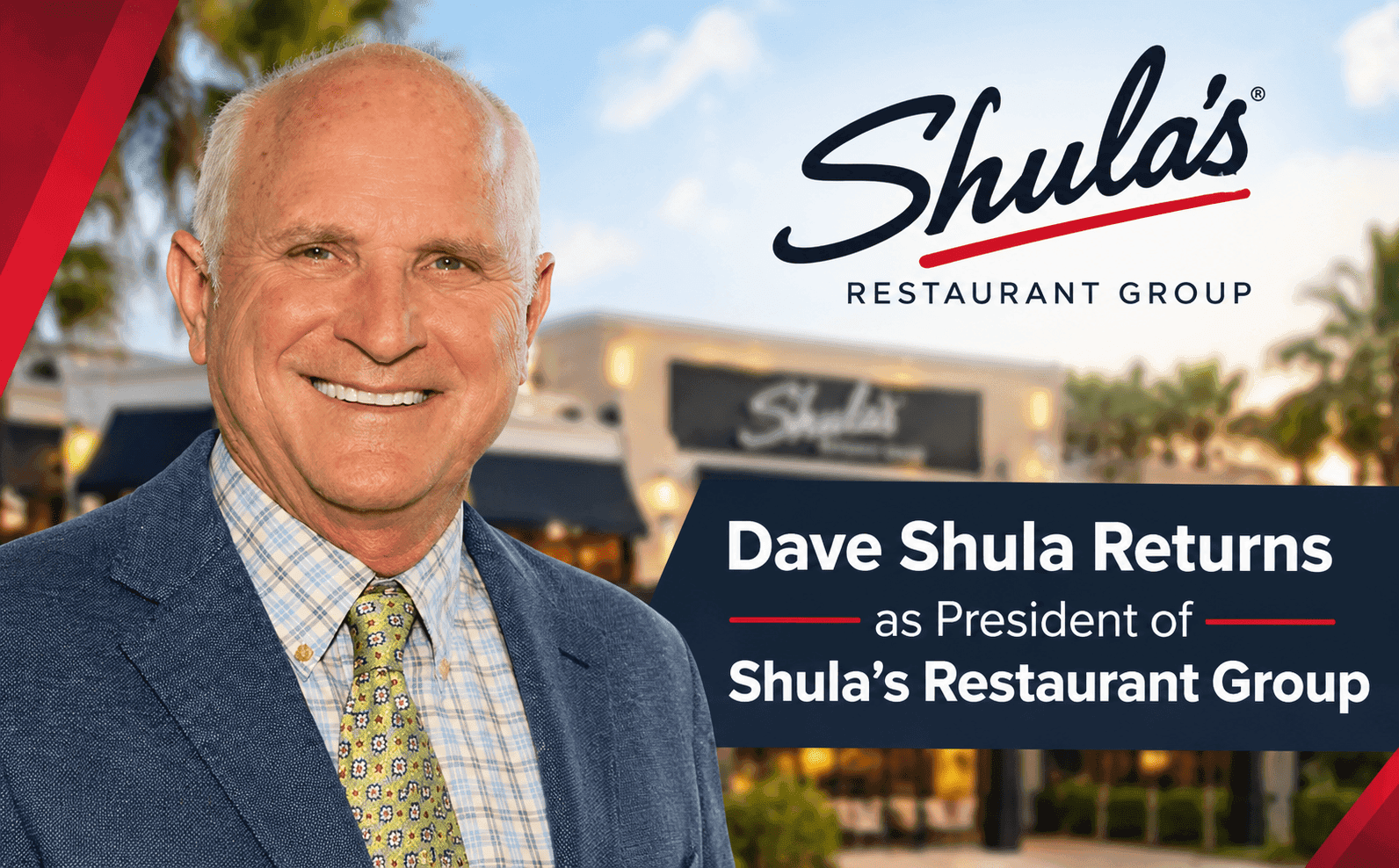
Dave Shula Returns as President of Shula's Restaurant Group
Dave Shula rejoins Shula's Restaurant Group as president, leading growth into Palm Beach Gardens and a 2027 Thomasville, Georgia expansion.
News
Sep 23, 2026
Dave Shula rejoins Shula's Restaurant Group as president, leading growth into Palm Beach Gardens and a 2027 Thomasville, Georgia expansion.
Sep 23, 2026
McDonald's commits $8.5 billion through 2036 to modernize restaurants, boost cash flow by $100,000 per store, and grow chicken and beverage sales.
Sep 23, 2026
WKS Restaurant Group promotes Jay Spongberg to president and COO after he helped grow the company from 65 to 382 restaurants over 16 years.
Sep 23, 2026

Smokey Mo's BBQ names Von Dawson, a Dine Brands veteran, as VP of Franchise Development to lead its Texas expansion strategy.
Sep 23, 2026
.png&w=3840&q=70)
Meritage Hospitality's Chapter 11 filing pulls 5% of Wendy's U.S. stores into bankruptcy, exposing cracks in franchising's bigger-is-safer bet.
Sep 21, 2026
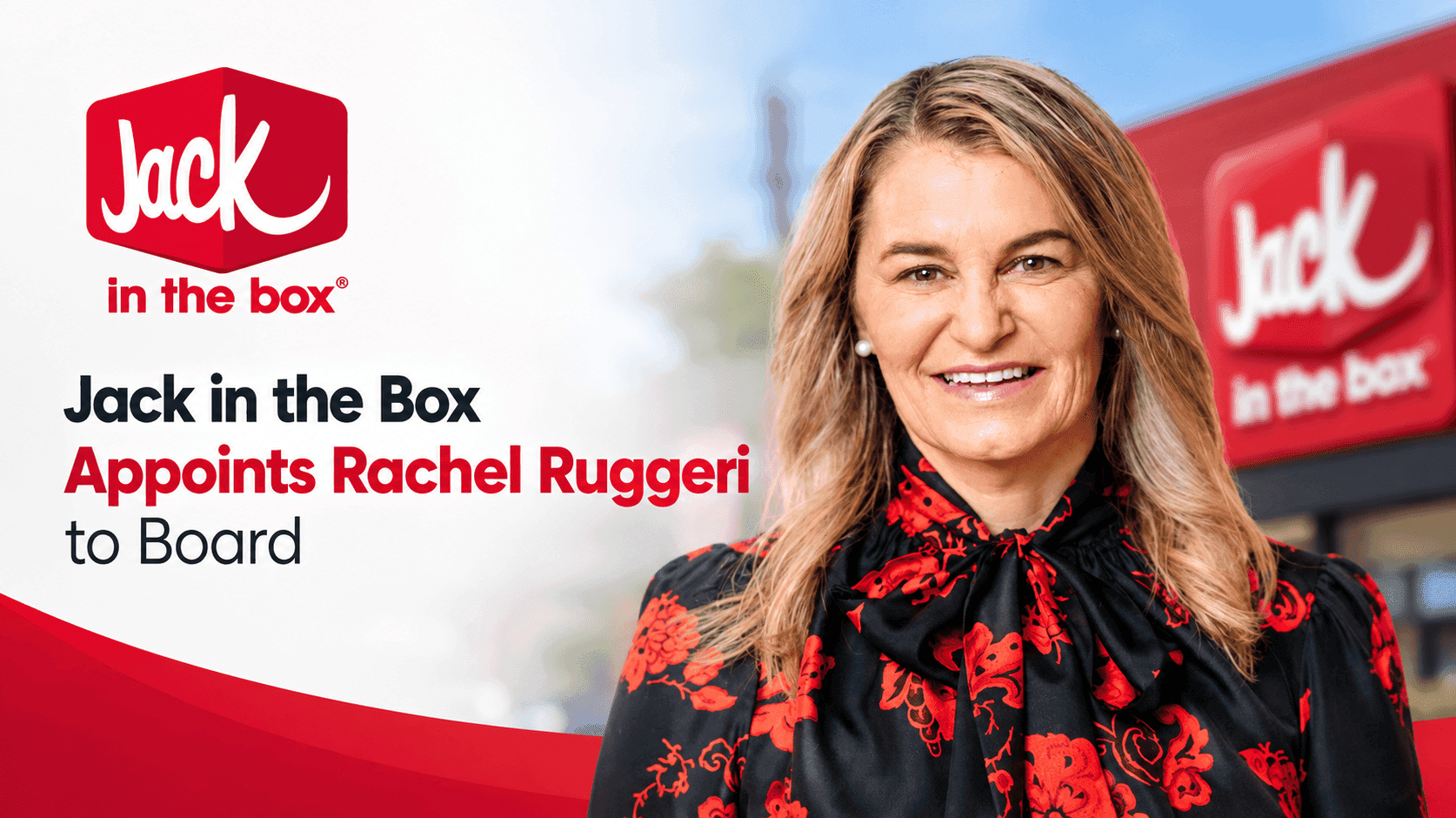
Jack in the Box names Rachel Ruggeri to its board as Michael Murphy retires, amid a CEO transition and deal with investor GreenWood.
Sep 21, 2026

Restaurant inventory tracking helps owners monitor stock, control food costs, reduce waste, improve purchasing, and make informed operational decisions.
Sep 21, 2026
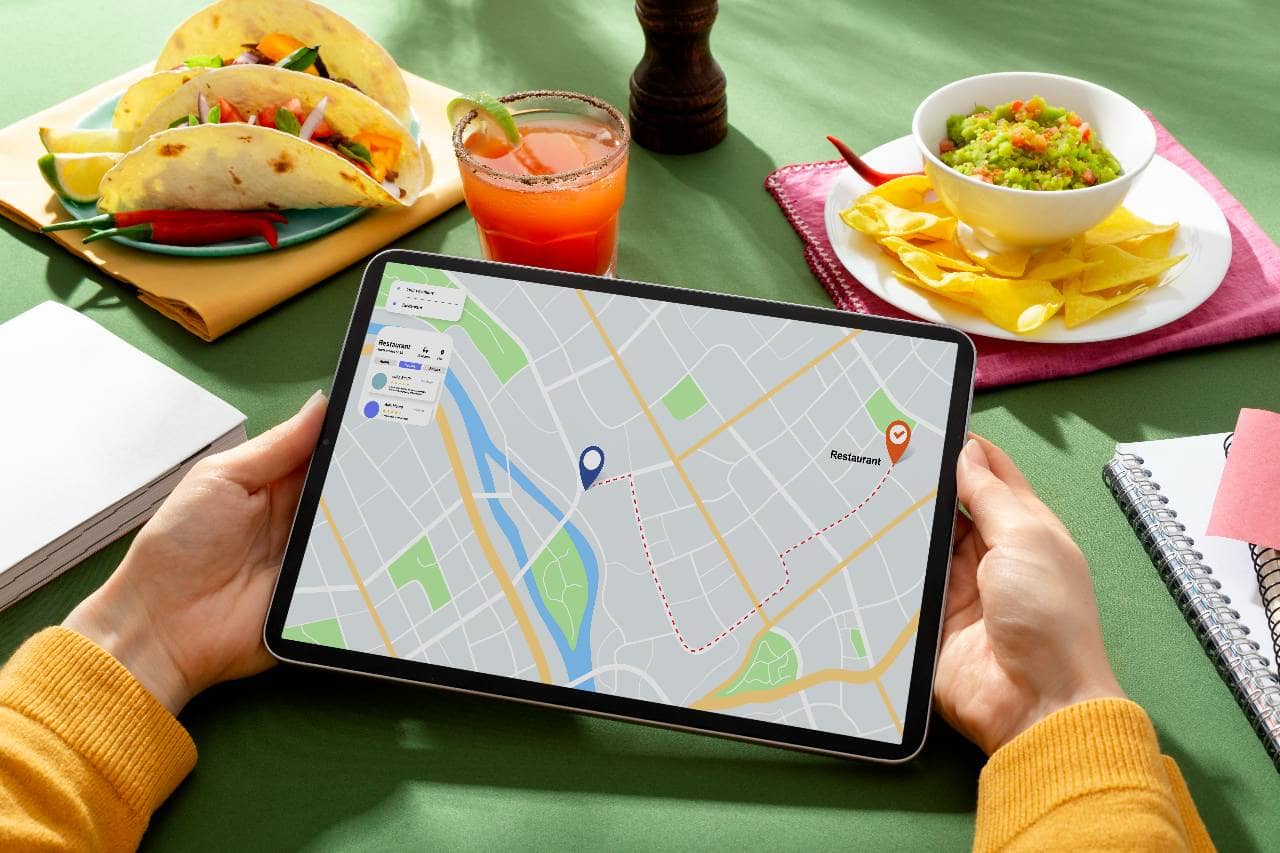
Improve restaurant Google Maps rankings by optimizing your business profile, selecting accurate categories, gathering reviews, adding photos, and strengthening local relevance signals.
Sep 21, 2026

Restaurant owners can significantly reduce restaurant costs by leveraging technology across inventory, labor, procurement, forecasting, and administrative operations for better profit margins.
Sep 18, 2026

Understand how to forecast restaurant revenue and expenses with methods for sales projection, cost scaling, fixed-cost planning, and risk buffering.
Sep 18, 2026

Unlock Exclusive Access To Webinars, Events, And The Latest News For Free!
Restaurant analytics can increase revenue by providing management with data-based reports on guest experience, staff performance, inventory, sales, and profits.

Access to restaurant analytics can help businesses improve their operational efficiency by implementing data-driven plans of action. Restaurant data provided by analytics solutions provide management with actionable insights into customer satisfaction, menu item sales, and demand forecasting. Restaurant technology, including point-of-sale (POS) systems, achieves this by tracking all purchases and generating reports to show how to increase revenue. For example, Fig & Olive used advanced analytics to monitor consumer purchase histories and spending trends to help make effective email marketing campaigns. The email was sent to returning customers, offering a free crostini to those who hadn't visited in the past month, and generated an additional $36,000 in sales. Analytics platforms can also digest qualitative data to enhance the guest experience. Applebee's implemented tabletop tablets to not only streamline ordering and transactions but also collect customer feedback. By the end of 2017, almost 6 million guests provided feedback that suggested various improvements. From this insight, Applebee's relaunched their To-Go option, increasing customer satisfaction by 7% and doubling its annual revenue. Analytics help businesses in the restaurant industry collect customer data to optimize their day-to-day functions and increase profits.
Restaurant analytics is the collection and monitoring of quantitative and qualitative data from all operations to help owners make informed business decisions. Restaurant owners can have access to this information by implementing data solutions such as POS systems that integrate with other software, including inventory control and demand forecasting tools. Everyday procedures are tracked to generate detailed reports on customer insight, transactions, and profit margins. More specifically, integrated software accumulates information from-

By using data from these analytics solutions, restaurants can optimize their overall efficiency and profits by- 1. Increasing Order Sizes Restaurant analytics through POS systems track the sales and profits of individual items, allowing management to create suggestions for each meal to drive revenue. For example, menus and servers can recommend popular high-profit beverages that complement each meal to guests to increase their order size. 2. Promoting Profits Through Menu and Customer Analytics In addition to general sales trends, restaurants can run analytics on loyalty programs and returning customers to retrieve data on purchase histories. This allows management to determine what dishes are frequently reordered, seasonally popular, and underselling. With this information, restaurants can update their menus to consolidate dishes and promote the sales of profitable items. 3. Anticipating Emerging Trends After analytics solutions have collected adequate data, businesses can see how different times throughout the day, days of the week, and holidays affect sales traffic. Management can use this information to determine the optimal number of employees to schedule for busy days to prevent understaffing. The marketing team can also design promotions to run during these high-traffic times to increase exposure. 4. Monitoring Staff POS systems keep records of transactions, tips, and order sizes generated by servers under individual employee dashboards. This way, managers can see top performers to decide promotions and terminations accurately.

5. Enhancing Financial Processes Through POS software, businesses can have a centralized database that gives users access to sales analytics. Owners can determine how to adjust product prices to increase profits and revenue. They can also track the success of different deals, discounts, and exclusive offers. The high-performing promotions can then be expanded to reach larger audiences and attract new customers. On the other hand, if analytics show a deal is costing the business more than it is accruing, it can be removed or altered. Restaurants can further optimize profitability by integrating inventory management and POS solutions to see real-time stock quantities. This information can prevent overstocking of ingredients, reducing inventory costs. 6. Reducing Food Waste In the restaurant industry, food is the primary source of revenue but can be a detriment to the bottom line if perishable ingredients are overstocked. Analytics determine the optimal stock levels for each ingredient based on orders and average usage. Further insights provide data to develop schedules that help kitchen staff organize food preparation and reduce waste. In addition to saving on expenses, reducing food waste promotes business sustainability. It also shows consumers the restaurant is ethically and morally sound by making efforts to limit waste. Implementing solutions that provide restaurant analytics can drive sales and profits by generating comprehensive insights into customer experience, high-profit items, and expenses. Management can utilize this data to design effective menus, create marketing promotions, and make informed decisions to promote revenue.