
California Penalizes Dickey's for Franchise Disclosure Violations
California shifts to public enforcement strategy against Dickey's for deceptive franchise disclosures, signaling stricter state-level franchise oversight.
Franchising
Sep 10, 2026
California shifts to public enforcement strategy against Dickey's for deceptive franchise disclosures, signaling stricter state-level franchise oversight.
Sep 10, 2026
Paul Brown temporarily steps away from Inspire Brands as Scott Murphy assumes interim CEO role during confidential IPO filing process targeting late 2026.
Sep 10, 2026
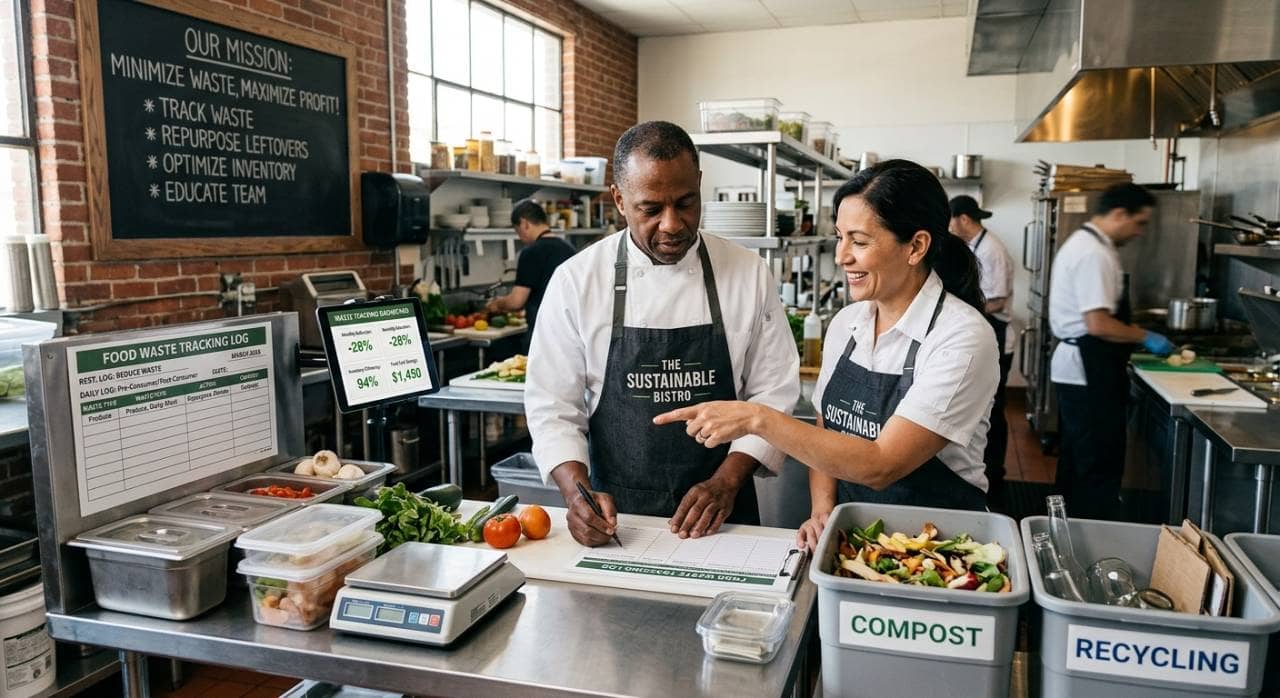
Learn how to reduce food waste in restaurants through smarter purchasing, storage, preparation, and service strategies that cut costs.
Sep 9, 2026
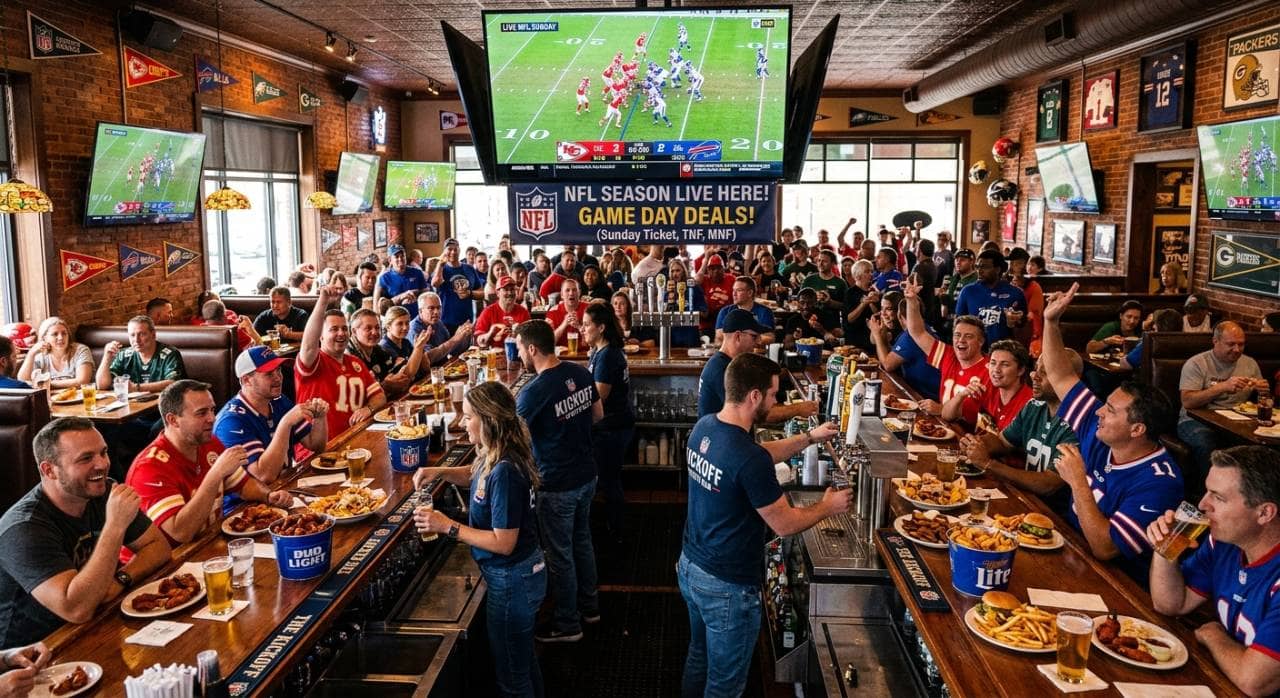
Prepare your restaurant for NFL season with smart menu planning, staffing, marketing, technology, and atmosphere strategies that boost season-long revenue.
Sep 9, 2026
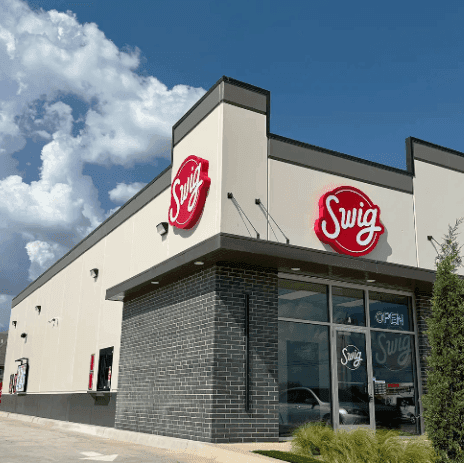
Swig signs franchise agreement for 11 South Denver locations, marking Colorado entry and validating its national expansion strategy.
Sep 8, 2026
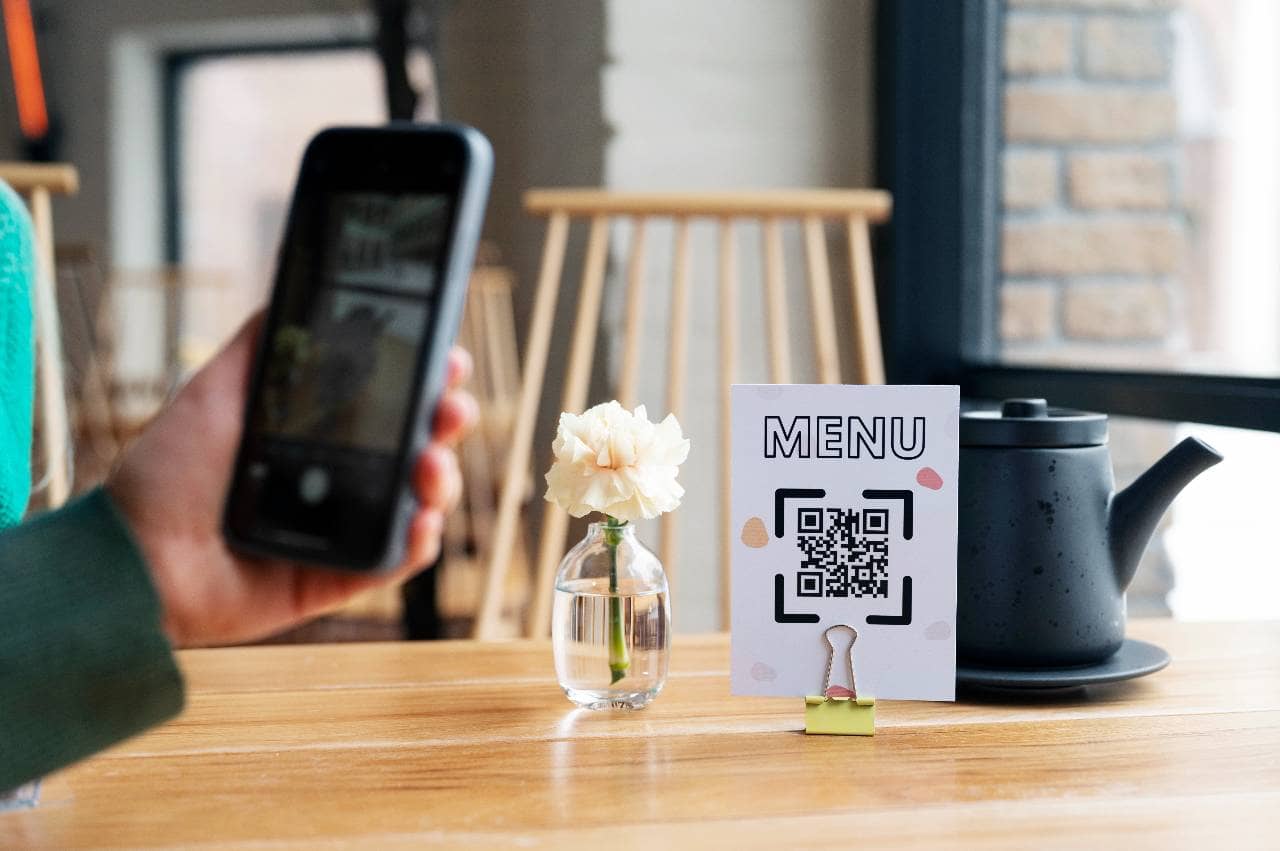
QR code menus let restaurants replace paper menus digitally, enabling instant updates, contactless browsing, ordering, and payment through simple smartphone scanning.
Sep 7, 2026
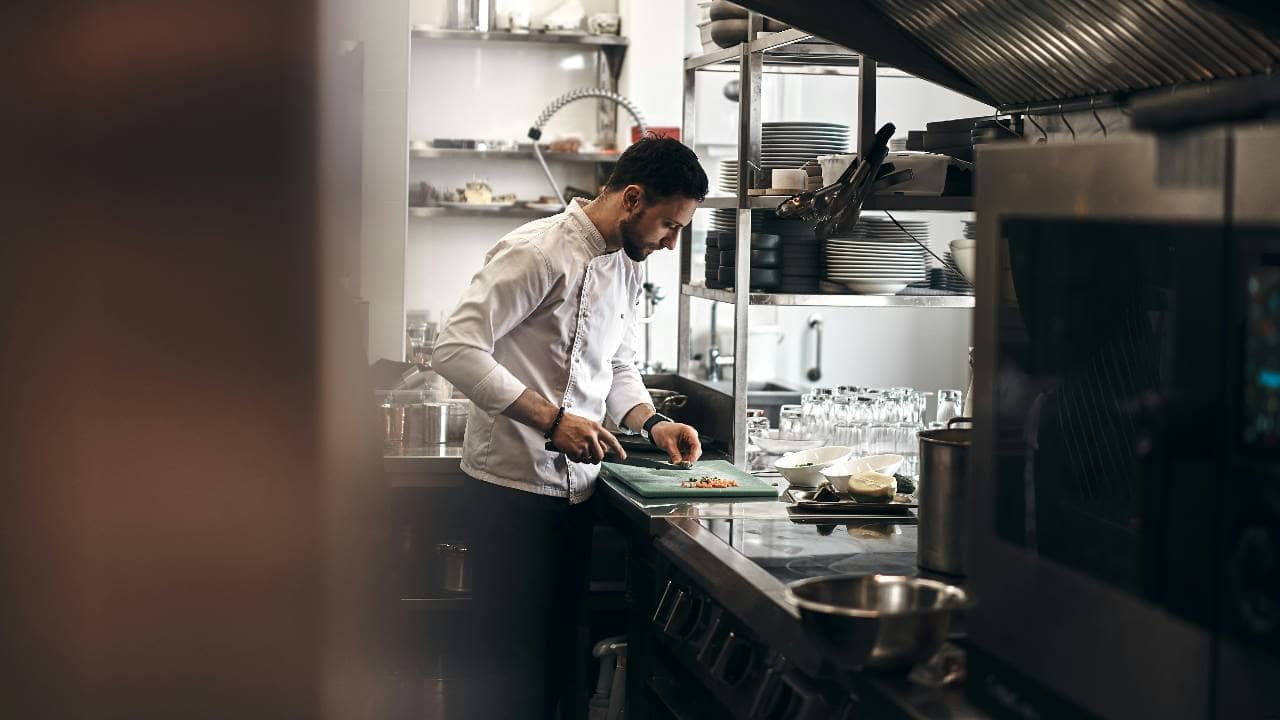
Complete guide helping restaurant owners choose essential kitchen equipment - covering cooking, refrigeration, prep, sanitation, ventilation, safety, and long-term maintenance planning.
Sep 7, 2026

Avoiding common restaurant payroll mistakes - misclassification, tip credit errors, overtime miscalculations - protects businesses from costly penalties, back pay, and compliance risks.
Sep 4, 2026
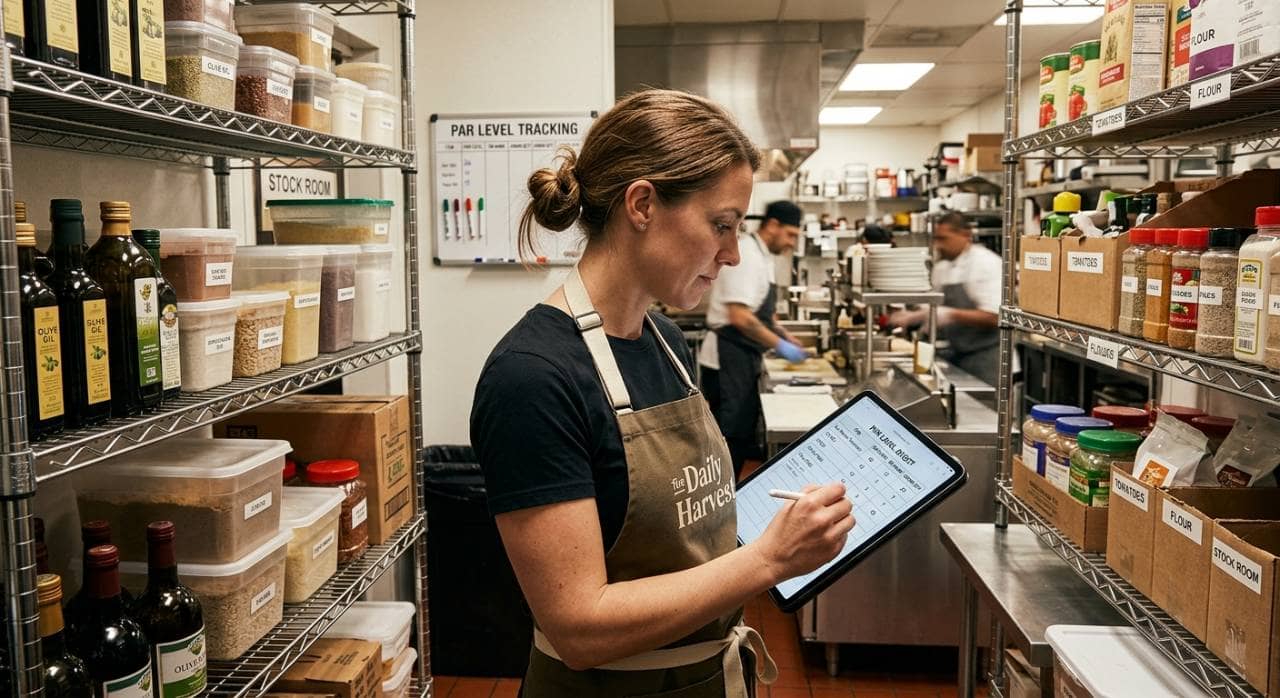
Learn to calculate par levels for restaurant food, beverages, and packaging inventory, preventing stockouts and waste through proper formulas.
Sep 4, 2026
Caribou Coffee appoints Zane Thomas-Rogers as Chief Operations Officer to strengthen execution across its expanding coffeehouse network.
Sep 4, 2026

Unlock Exclusive Access To Webinars, Events, And The Latest News For Free!
Angie’s Lobster debuts in Las Vegas with a cashless, self-serve model, part of a broader four-brand Southwest expansion focused on affordable luxury.

Photo by Mia de Jesus
Las Vegas marks a bold new stage for Angie’s Lobster, a concept arriving with a deliberate, almost quiet confidence: premium seafood delivered through a self-serve, cashless lens. The desert debut sits squarely inside a broader belief held by Angie’s Food Concepts, that luxury ingredients can be accessible when operations are streamlined, costs remain disciplined, and every square foot is considered. This launch isn’t just a single restaurant opening; it’s a measured step in a larger Southwest expansion plan that places a four-brand platform in conversation with fast-casual expectations and guest demand for value without sacrifice. The design is restrained, yet the ambition feels expansive: a thoughtful path for premium dining where accessibility meets ease.
At its core, Angie’s Lobster is piloted by a lean operating philosophy. The store relies on a self-serve ordering flow and a cashless system, with food placed on shelves for shoppers to grab and go. This setup is purpose-built to shrink hourly labor while preserving the quality one associates with premium seafood. The pricing architecture mirrors the goal: high-quality offerings at approachable prices, supported by tight real estate and design costs through local partnerships. In practice, guests encounter a straightforward trio of value-forward choices that feel both indulgent and balanced.

Lean costs, high value define the economics of this model. By inviting guests to participate in the workflow, the leadership aims to lower hourly labor while keeping the dining experience fast and fluid. The absence of cash transactions and the shelf-based presentation reduce touchpoints and staff involvement, allowing a focused team to prioritize preparation, quality, and safety. Angie’s Lobster frames this as value-driven pricing aligned with efficiency: the result is a credible equation where premium ingredients can sit beside everyday price points, and guests feel the balance between luxury and practicality. It’s not a gimmick, it’s a deliberate design choice that travels with the brand as it scales.
Pricing cues anchor the experience: a $5 sandwich and fries, a $7.69 hormone-free chicken sandwich and drink, and a $6.79 bowl. These markers aren’t accidental, they’re part of a marketing and operations philosophy that aims to keep premium seafood accessible while guarding margins through disciplined real estate, design, and staffing costs. The approach signals a broader intent: to demonstrate that value and indulgence can coexist in a fast-cresh environment when the backend is deliberate and transparent.
