California Penalizes Dickey's for Franchise Disclosure Violations
California shifts to public enforcement strategy against Dickey's for deceptive franchise disclosures, signaling stricter state-level franchise oversight.
Franchising
Sep 10, 2026
California shifts to public enforcement strategy against Dickey's for deceptive franchise disclosures, signaling stricter state-level franchise oversight.
Sep 10, 2026
Paul Brown temporarily steps away from Inspire Brands as Scott Murphy assumes interim CEO role during confidential IPO filing process targeting late 2026.
Sep 10, 2026
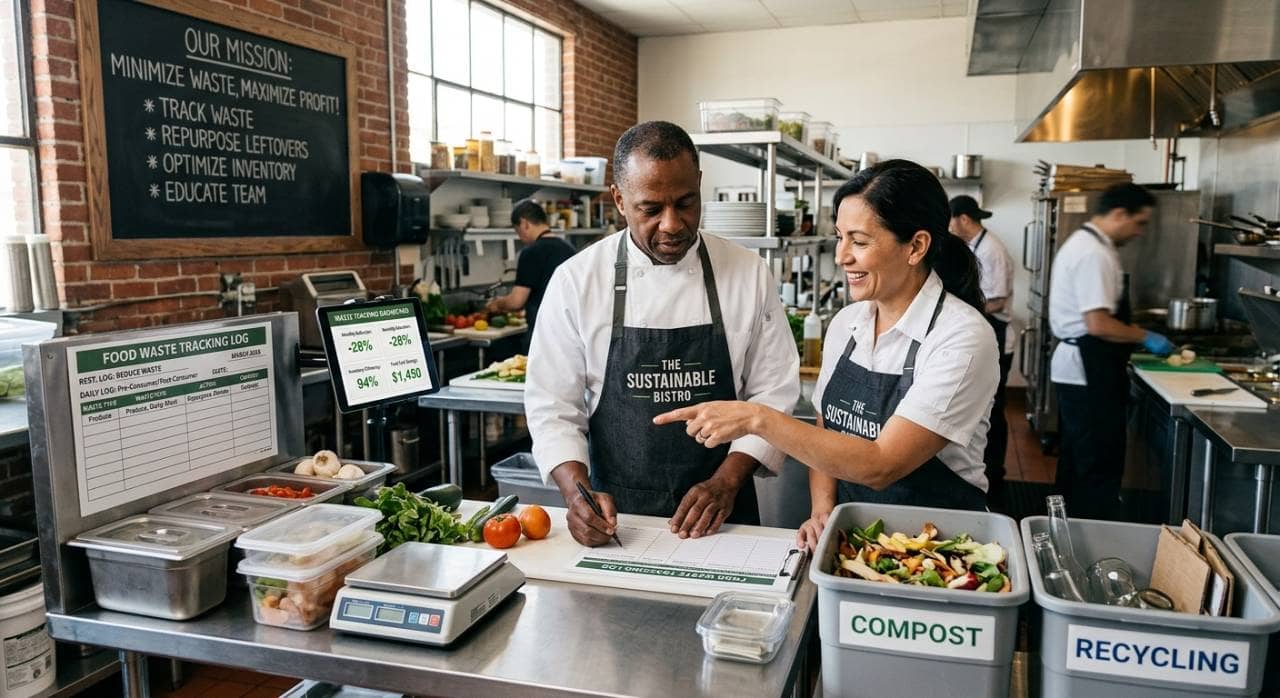
Learn how to reduce food waste in restaurants through smarter purchasing, storage, preparation, and service strategies that cut costs.
Sep 9, 2026
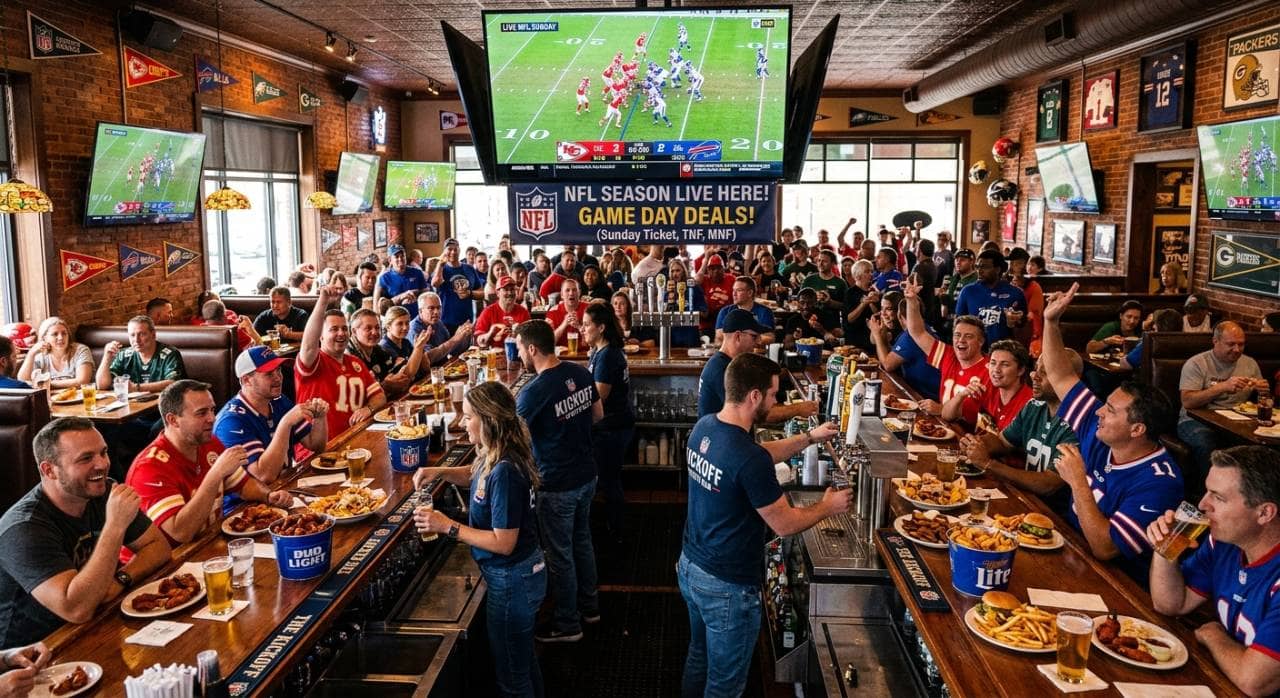
Prepare your restaurant for NFL season with smart menu planning, staffing, marketing, technology, and atmosphere strategies that boost season-long revenue.
Sep 9, 2026
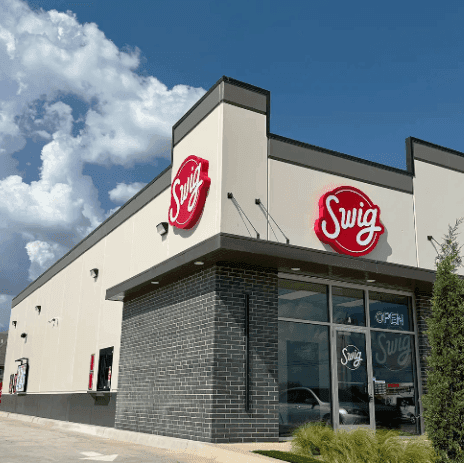
Swig signs franchise agreement for 11 South Denver locations, marking Colorado entry and validating its national expansion strategy.
Sep 8, 2026

QR code menus let restaurants replace paper menus digitally, enabling instant updates, contactless browsing, ordering, and payment through simple smartphone scanning.
Sep 7, 2026

Complete guide helping restaurant owners choose essential kitchen equipment - covering cooking, refrigeration, prep, sanitation, ventilation, safety, and long-term maintenance planning.
Sep 7, 2026

Avoiding common restaurant payroll mistakes - misclassification, tip credit errors, overtime miscalculations - protects businesses from costly penalties, back pay, and compliance risks.
Sep 4, 2026
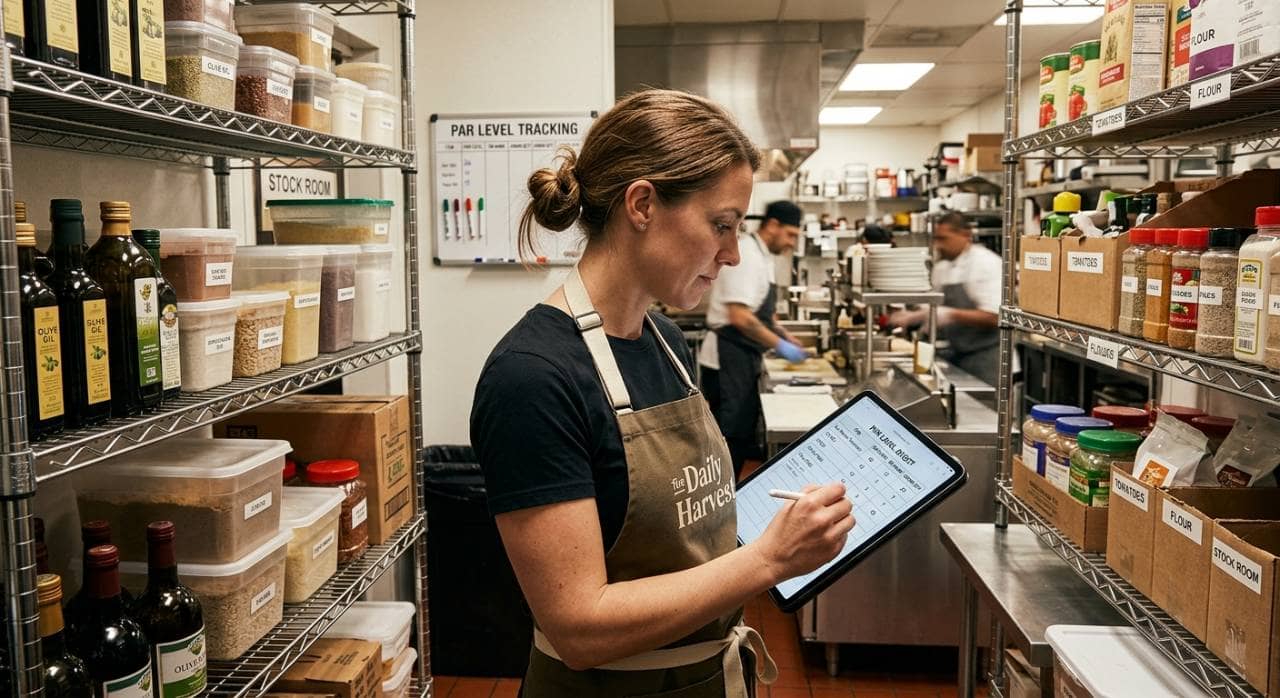
Learn to calculate par levels for restaurant food, beverages, and packaging inventory, preventing stockouts and waste through proper formulas.
Sep 4, 2026
Caribou Coffee appoints Zane Thomas-Rogers as Chief Operations Officer to strengthen execution across its expanding coffeehouse network.
Sep 4, 2026

Unlock Exclusive Access To Webinars, Events, And The Latest News For Free!
BurgerFi faces mounting losses and tightening liquidity as it pursues a multi-quarter turnaround amid creditor pressure and leadership shifts.
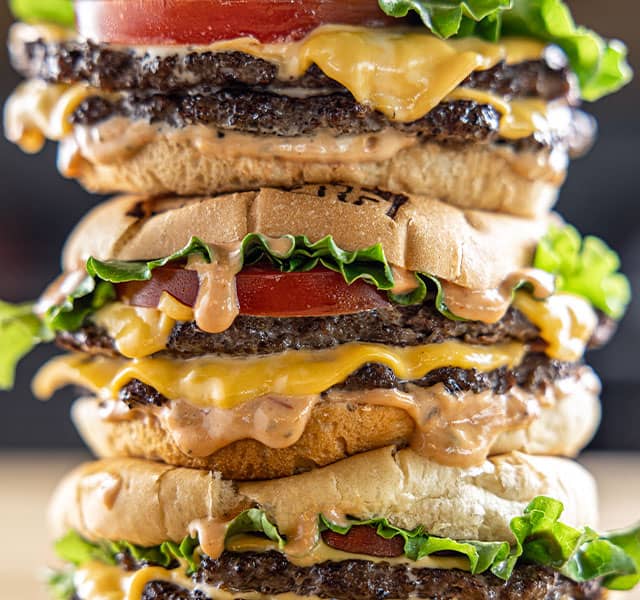
BurgerFi is navigating a precarious stretch. Across its operations, losses have deepened and liquidity is tightening. For the quarter ending July 1, the chain expects a net loss of $18.4 million, a sharp jump from the $6 million loss logged a year earlier. The downturn shows up in sales as well: restaurant revenue declined by about $1.8 million, a 4% year‑over‑year drop in the latest quarter. Management points to declines in same-store sales at both BurgerFi restaurants and its sister concept, Anthony’s Coal Fired Pizza and Wings. With cash and cash equivalents of $4.4 million as of August 14, the path to a durable turnaround hangs on a restructuring plan that can gain traction. What comes next?
In August BurgerFi disclosed the liquidity snapshot that underscores fragility: cash and cash equivalents of $4.4 million at August 14, underscoring the fragility of liquidity and the urgency of a restructuring plan. The pressures span the entire portfolio: a mix of brand economics, soft consumer demand in a tougher macro environment, and the friction that comes with managing a growing, multi-brand footprint. The executive team has signaled disciplined cash management and operational improvements as essential steps, while lenders watch every move for signs of sustainability. The question remains whether these measures can translate into stabilizing results in the near term.

BurgerFi’s current predicament sits atop a history that shaped its options today. The brand went public in 2020 through a SPAC merger, a route that offered growth but added balance-sheet complexity. Since then, losses remained stubborn, with net losses exceeding $100 million in 2022 and improving to $30 million in 2023. Expansion included the 2021 acquisition of Anthony’s Coal Fired Pizza & Wings, which widened the footprint but brought integration challenges. The leadership pivot in 2023 brought Carl Bachmann to CEO and Christopher Jones to CFO, a move designed to stabilize operations and accelerate execution of a turnaround plan.
That publicly traded chapter didn’t erase the hard truths. Since its debut, losses have persisted, and the company has wrestled with the balance between growth and profitability. The Anthony’s acquisition broadened reach but added integration risk, and the new leadership team has faced a tough theatre after-pandemic. The next steps focus on disciplined execution, closing underperforming corners, and turning a page on costs. The long arc remains uncertain, but the company insists the path is intentional and focused on restoring balance sheets while preserving brand equity.

BurgerFi is pulling a three‑pronged set of levers to steady the ship: cost containment, portfolio optimization, and capital-structure work. The company has closed underperforming corporate restaurants as part of its restructuring, while leaning on disciplined cash management and operating efficiency in a challenging macro environment. In parallel, an emergency financing channel has been tapped: a $2.5 million emergency protective advance agreement with its lenders to bridge liquidity gaps while strategic plans unfold. These steps show a multi‑pronged approach that aims to stabilize the business, with real progress unlikely in the short term.
What BurgerFi needs most is steady execution over time. The path is not a sprint; it’s a measured renewal of operations, a trimming of costs, and a careful build‑back of credibility with lenders as plans unfold. The company frames this as a staged effort rather than a dramatic overnight reversal.
The leadership shifts of 2023 signaled high stakes. Carl Bachmann took the helm as CEO and Christopher Jones became CFO, with a mandate to stabilize and accelerate execution of a turnaround in a competitive, post‑pandemic restaurant landscape. While the brand has closed underperforming corporate locations, ongoing sales declines and restructuring costs have outpaced savings to date, keeping profitability elusive. The pattern underscores that a rare mix of disciplined operations and continued financing will be required across multiple quarters.
The path ahead remains clouded by the macro environment and the need for ongoing discipline. Even with leadership in place, the company has to demonstrate that cost reductions stick and that liquidity can be extended long enough to execute its plan. It’s a marathon, not a sprint, and the finish line depends on sustained shifts on multiple fronts.

A direct warning from the company frames the risk clearly. "There is no assurance that the Company will be able to restructure its obligations, obtain additional financing, and/or sell assets on terms and conditions that will permit the Company to meet its current obligations." This sober line underscores the fragility of the path, as lenders could accelerate repayment or push asset liquidation if restructuring stalls. In a liquidity‑strained environment, the next steps must blend timely financing with disciplined operations and creditor cooperation to navigate a difficult transition.
Beyond the warning, the industry backdrop adds context. The SPAC‑driven growth era left many concepts facing distress and consolidation as cash burn rose. For BurgerFi, the road ahead hinges on closing critical gaps, most notably how many corporate locations were shuttered and how debt obligations will be managed with lender support and additional financing. Until those pieces firm up, the turnaround will look more like a careful calibration path than a dramatic comeback.