
California Penalizes Dickey's for Franchise Disclosure Violations
California shifts to public enforcement strategy against Dickey's for deceptive franchise disclosures, signaling stricter state-level franchise oversight.
Franchising
Sep 10, 2026
California shifts to public enforcement strategy against Dickey's for deceptive franchise disclosures, signaling stricter state-level franchise oversight.
Sep 10, 2026
Paul Brown temporarily steps away from Inspire Brands as Scott Murphy assumes interim CEO role during confidential IPO filing process targeting late 2026.
Sep 10, 2026
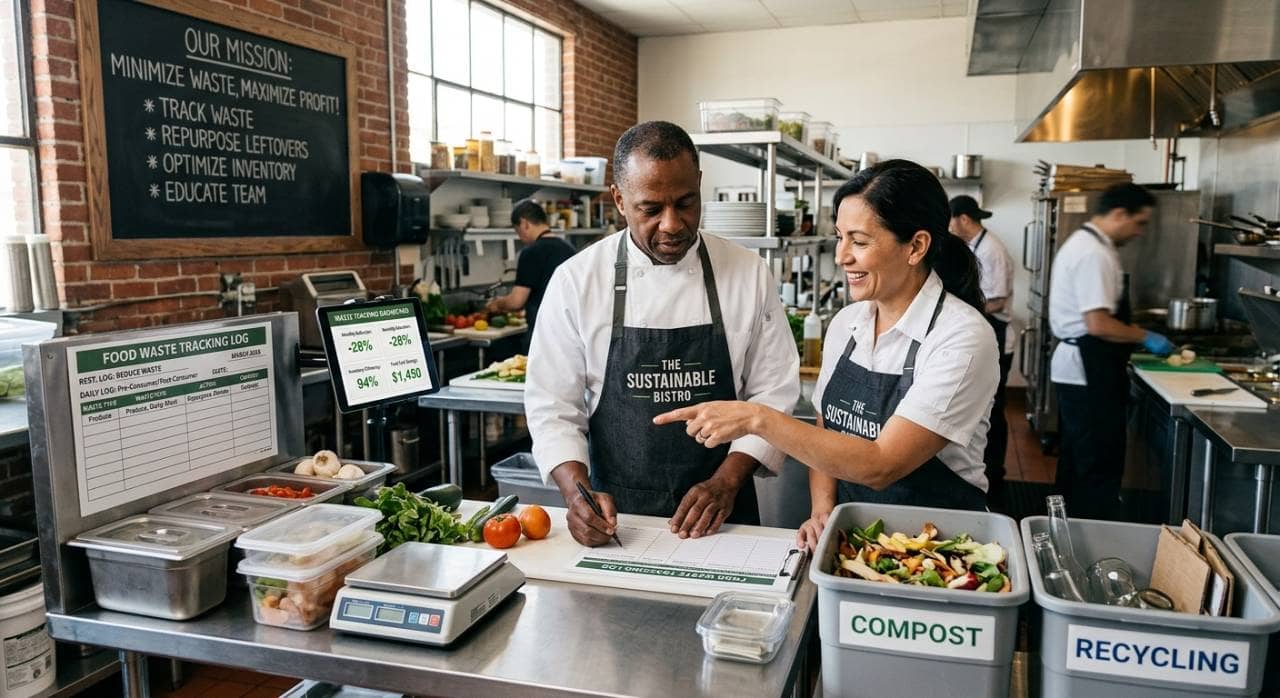
Learn how to reduce food waste in restaurants through smarter purchasing, storage, preparation, and service strategies that cut costs.
Sep 9, 2026
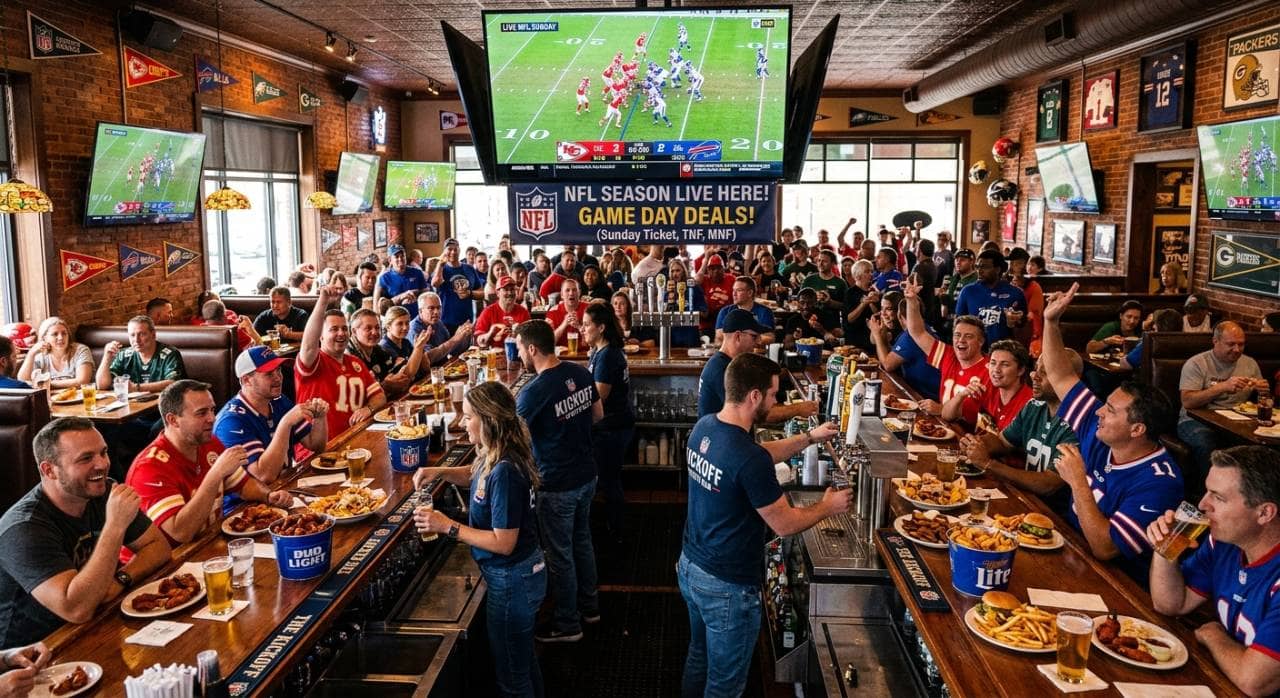
Prepare your restaurant for NFL season with smart menu planning, staffing, marketing, technology, and atmosphere strategies that boost season-long revenue.
Sep 9, 2026
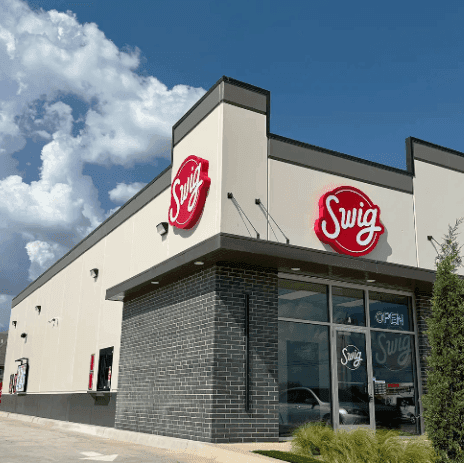
Swig signs franchise agreement for 11 South Denver locations, marking Colorado entry and validating its national expansion strategy.
Sep 8, 2026

Complete guide helping restaurant owners choose essential kitchen equipment - covering cooking, refrigeration, prep, sanitation, ventilation, safety, and long-term maintenance planning.
Sep 7, 2026

QR code menus let restaurants replace paper menus digitally, enabling instant updates, contactless browsing, ordering, and payment through simple smartphone scanning.
Sep 7, 2026

Avoiding common restaurant payroll mistakes - misclassification, tip credit errors, overtime miscalculations - protects businesses from costly penalties, back pay, and compliance risks.
Sep 4, 2026
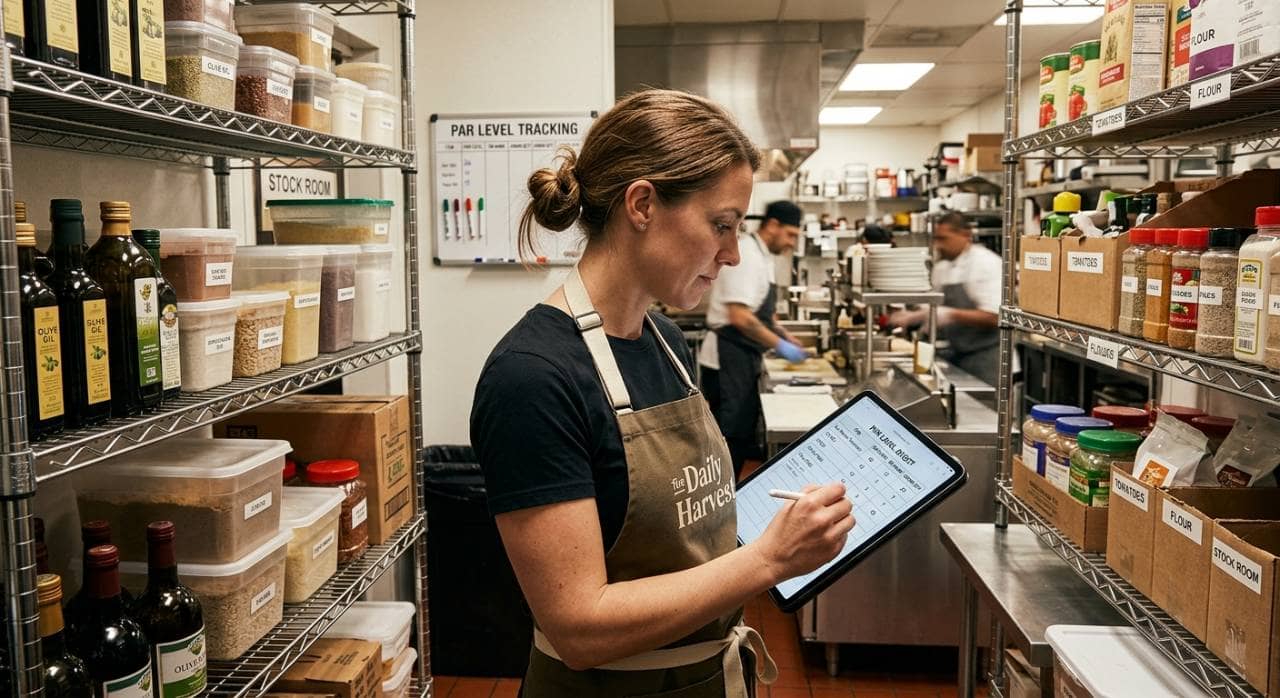
Learn to calculate par levels for restaurant food, beverages, and packaging inventory, preventing stockouts and waste through proper formulas.
Sep 4, 2026
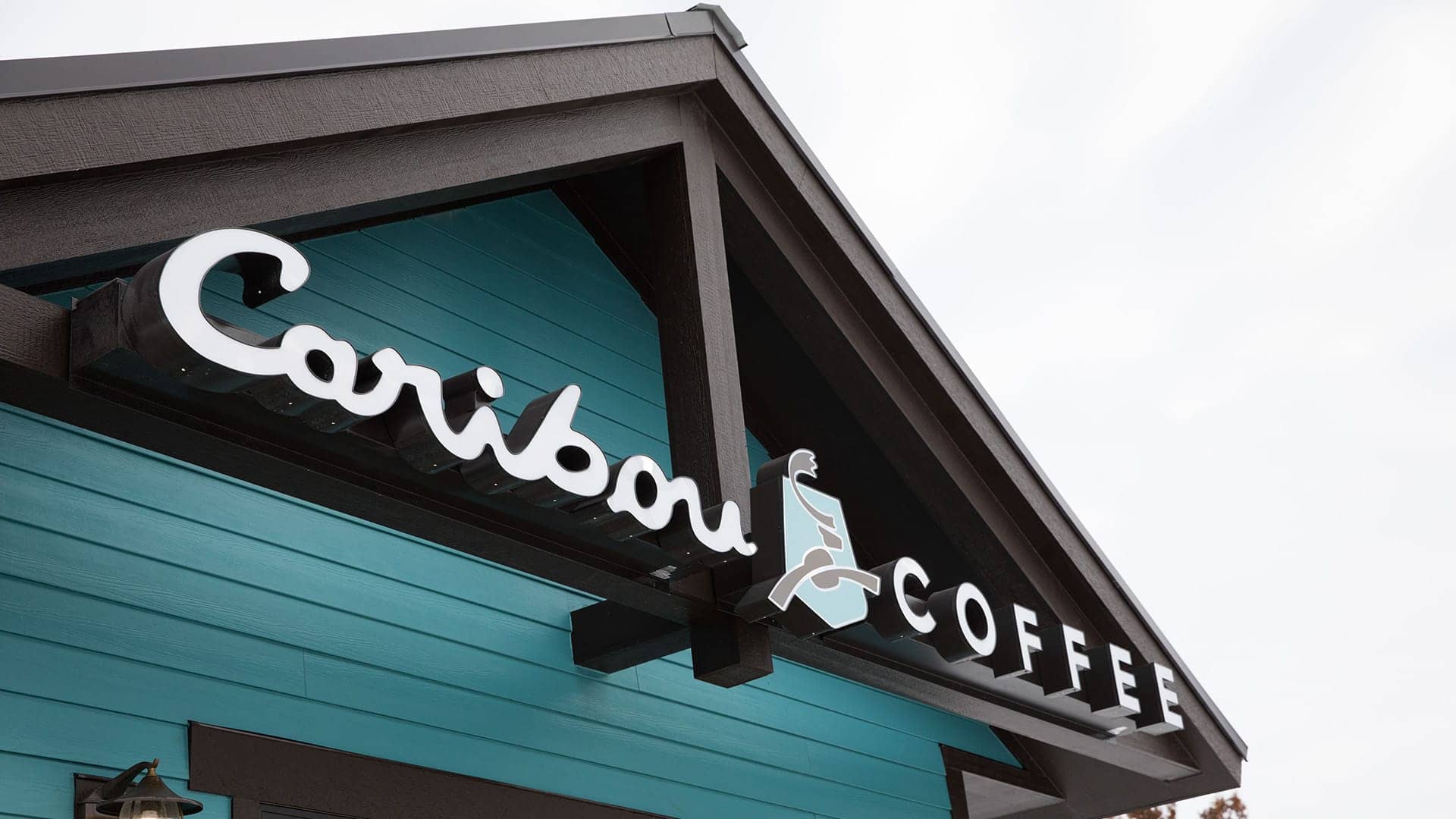
Caribou Coffee appoints Zane Thomas-Rogers as Chief Operations Officer to strengthen execution across its expanding coffeehouse network.
Sep 4, 2026

Unlock Exclusive Access To Webinars, Events, And The Latest News For Free!
Cava sustains growth through value pricing, menu evolution, and Midwest openings, navigating wage pressures and inflation.

Photo by Gabriella Clare Marino
In an environment where inflation gnaws at budgets and competition sharpens its knives, Cava has chosen a different palate. The fast-casual chain has defied headwinds by pursuing value for guests while reinvesting in its operations, a combination that has translated into outsized growth across California and into new markets. In the most recent quarter, restaurant-level margins climbed from 25.2% in Q1 to 26.5% in Q2, a gain attributed to sales leverage and disciplined cost management. At the same time, Cava expanded its menu and footprint, weaving together price discipline with product evolution. As industry peers recalibrate, Cava’s trajectory invites closer inspection: what are the levers behind that momentum?
Recent moves demonstrate a deliberate balance between value and growth. The chain introduced Grilled Steak as a core menu item nationwide on June 3, 2024, a protein option designed to broaden choice without raising the bar on guest cost. Market testing suggested the steak outperformed internal expectations by roughly 20%, reinforcing the value proposition of upgrading protein without price pressure. Concurrently, Cava widened its footprint with two new stores in the Chicago region as part of a broader Midwest push, a geography-first approach that management has framed as a benchmark for future expansion. “Our best new market opening ever,” the CEO has said of Chicago, a statement that resonates with the scale of ambition that guides the brand.

AB 1228, signed into law in 2023, established a fast-food minimum-wage framework with a $20 per hour floor for certain workers, effective April 1, 2024. This regulatory shift created a broader labor-cost challenge for fast-casual brands operating in California. Brett Schulman has framed Cava’s approach as insulation against that shock by starting wages that were already close to the new minimum, a decision he cites as a key differentiator in maintaining guest value while navigating higher labor costs. The law, and its practical implications for hiring, scheduling, and training, remains a meaningful context for any retailer expanding in California.
Within this framework, wage policy influences how Cava staffs, sequences shifts, and trains teams, shaping daily operations across its California locations and beyond. The balance between keeping guest value intact and absorbing higher labor costs becomes a constant conversation as the brand pursues growth in new markets and Chicago’s Midwest entry.

At the core of Cava’s performance lies a pricing philosophy that keeps relative affordability at its heart. Brett Schulman has contrasted modest price increases with broader inflation: from the end of 2019 to the end of 2023, Cava’s total menu prices rose about 12%, while the Consumer Price Index climbed by 18% and fast-food prices surged even more. The gap, he argues, magnifies the brand’s value proposition and strengthens its market position. In the most recent quarter, Cava rolled out Grilled Steak as a core menu item, launched nationwide on June 3, 2024, to bolster protein choices without compromising value. Market testing suggested the steak exceeded expectations by about 20%.
The strategy blends disciplined pricing with ongoing menu evolution and selective geographic diversification. The Chicago openings, including two new stores in the upper Midwest, are presented as evidence of a growth cadence capable of sustaining margins while expanding the footprint. Schulman’s confidence in a geography-first growth model underscores that scaled, consistently executed operations can propel traffic even amid wage pressure and a broader inflation backdrop.

Reactions to Cava’s approach come from leadership and the market alike. Schulman has framed the momentum around delivering guest value while reinvesting in people and operations to fuel long-term margin expansion. The Grilled Steak launch is described as a response to guest demand for higher-quality protein, and internal testing that informed the rollout reinforced the narrative of product-led growth. In market coverage, observers note a steady cadence of new menu items supporting traffic in a competitive landscape, while Chicago’s rollout is cited as a benchmark for the brand’s Midwest ambitions.
Analysts have tracked that Chicago execution may set the tempo for later openings, and industry coverage has highlighted the in-market reception to the new protein. The phrase “our best new market opening ever” has been used to describe Chicago’s performance, tying the city to a broader geography-first growth model that hinges on repeatability and disciplined operations across locations.
From a financial vantage, Cava has shown resilience in margins as it grows. In Q1 2024, restaurant-level margins stood at 25.2%, rising to 26.5% in Q2 2024, with management attributing the improvement to leverage in revenue and disciplined cost control. They reiterate a measured approach to pricing, noting a relatively modest increase in menu prices versus broader inflation, and stating there are no plans to raise restaurant prices for the remainder of 2025. The expansion pace remains ambitious: trackers point to multiple net-new openings in 2024–2025, with guided openings in the mid-to-upper 50s for 2024 and projections of 68–70 openings for 2025.
The longer-term horizon centers on ~1,000 restaurants by 2032, a goal that anchors a growth narrative built on value, margin discipline, and selective expansion. If Cava can translate momentum in California and the Midwest into consistently strong same-store sales and efficient unit economics, it could influence industry practices around pricing, menu engineering, and scale. In the near term, stakeholders will watch how the company balances growth cadence with margin preservation as input costs continue to evolve and openings accelerate.
