
California Penalizes Dickey's for Franchise Disclosure Violations
California shifts to public enforcement strategy against Dickey's for deceptive franchise disclosures, signaling stricter state-level franchise oversight.
Franchising
Sep 10, 2026
California shifts to public enforcement strategy against Dickey's for deceptive franchise disclosures, signaling stricter state-level franchise oversight.
Sep 10, 2026
Paul Brown temporarily steps away from Inspire Brands as Scott Murphy assumes interim CEO role during confidential IPO filing process targeting late 2026.
Sep 10, 2026
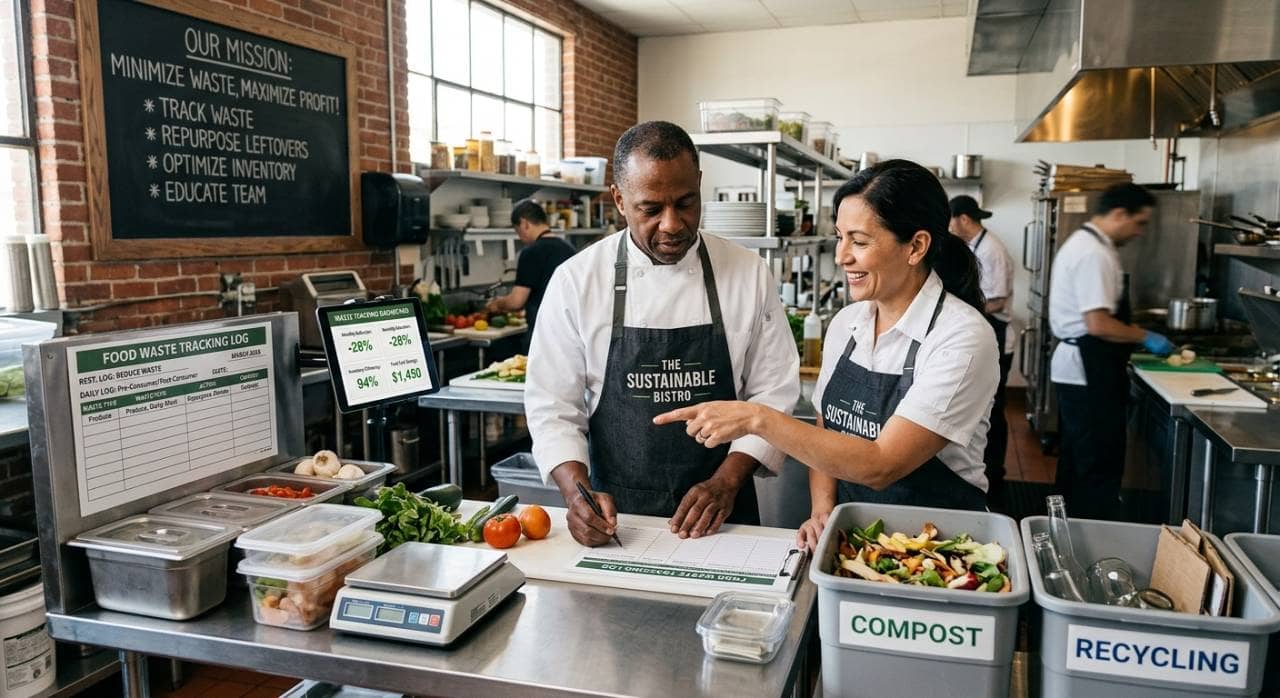
Learn how to reduce food waste in restaurants through smarter purchasing, storage, preparation, and service strategies that cut costs.
Sep 9, 2026
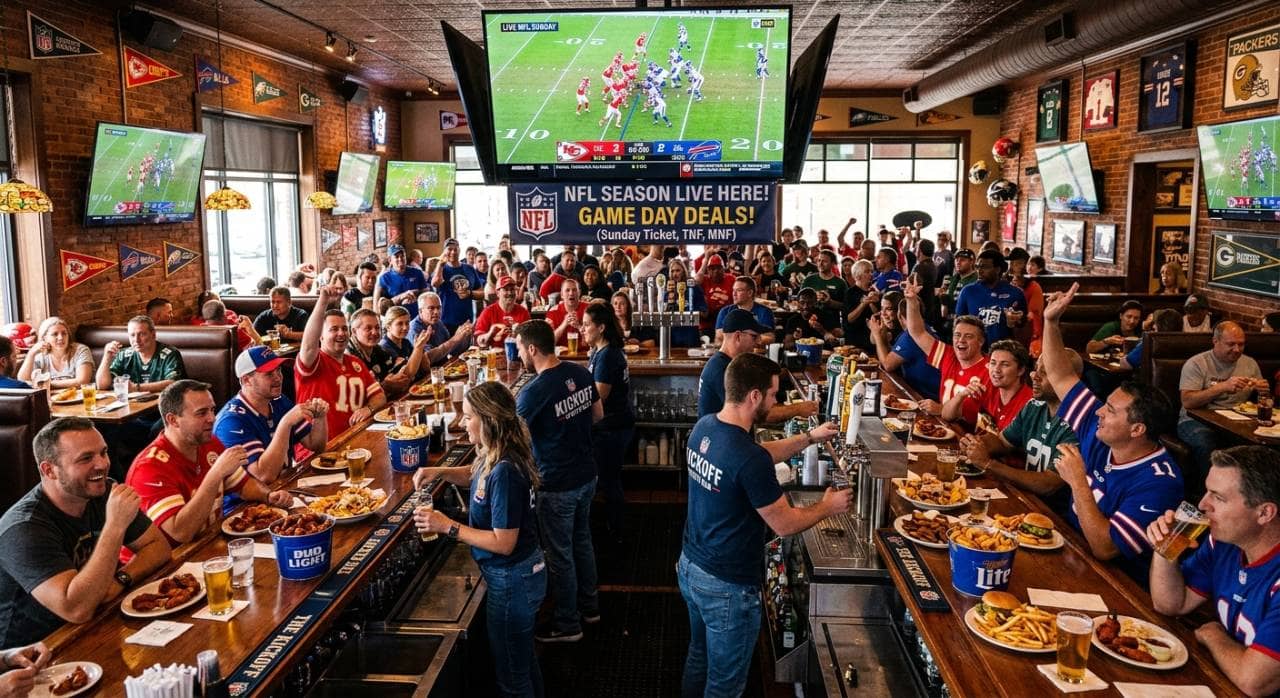
Prepare your restaurant for NFL season with smart menu planning, staffing, marketing, technology, and atmosphere strategies that boost season-long revenue.
Sep 9, 2026
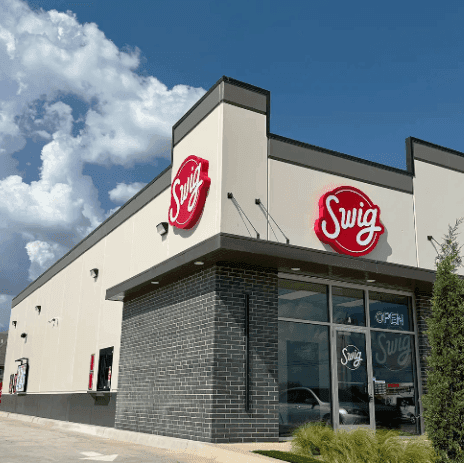
Swig signs franchise agreement for 11 South Denver locations, marking Colorado entry and validating its national expansion strategy.
Sep 8, 2026
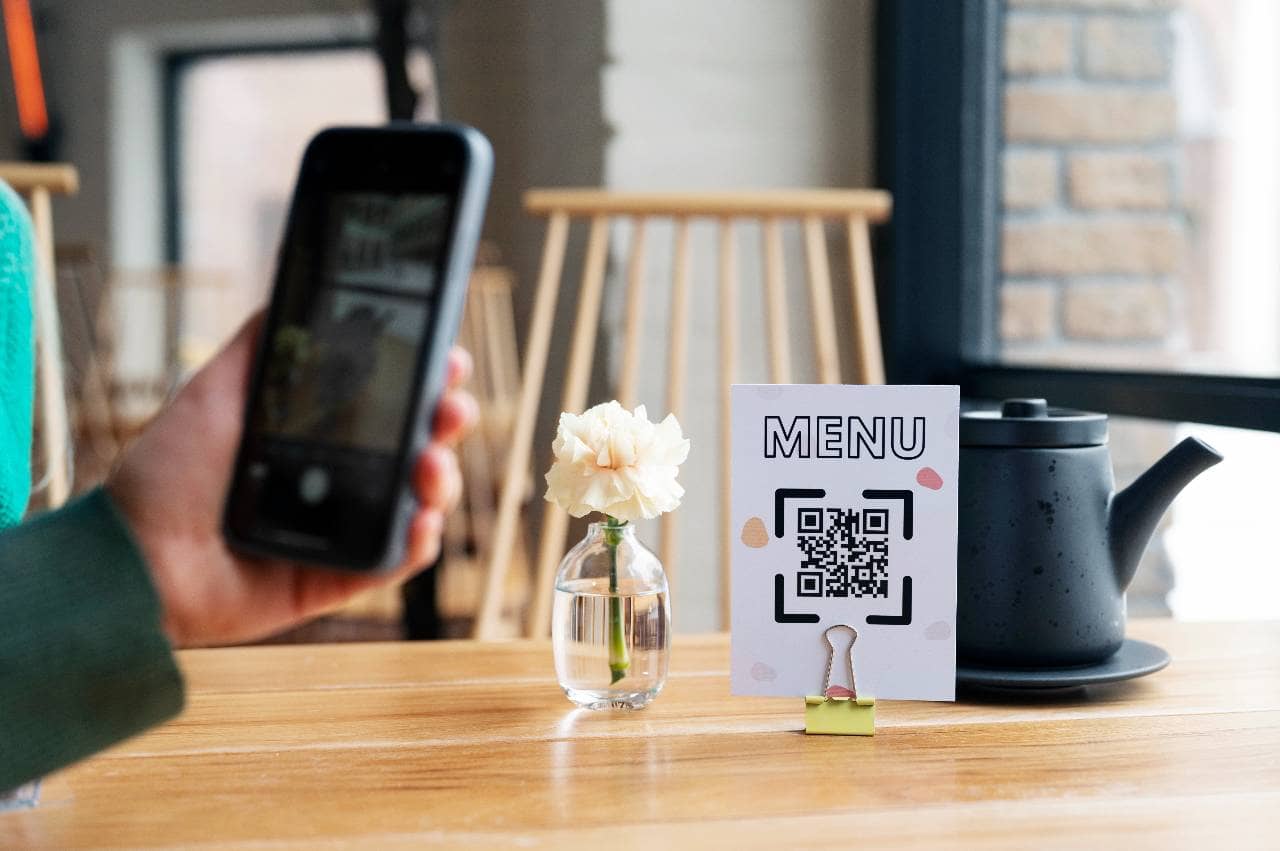
QR code menus let restaurants replace paper menus digitally, enabling instant updates, contactless browsing, ordering, and payment through simple smartphone scanning.
Sep 7, 2026
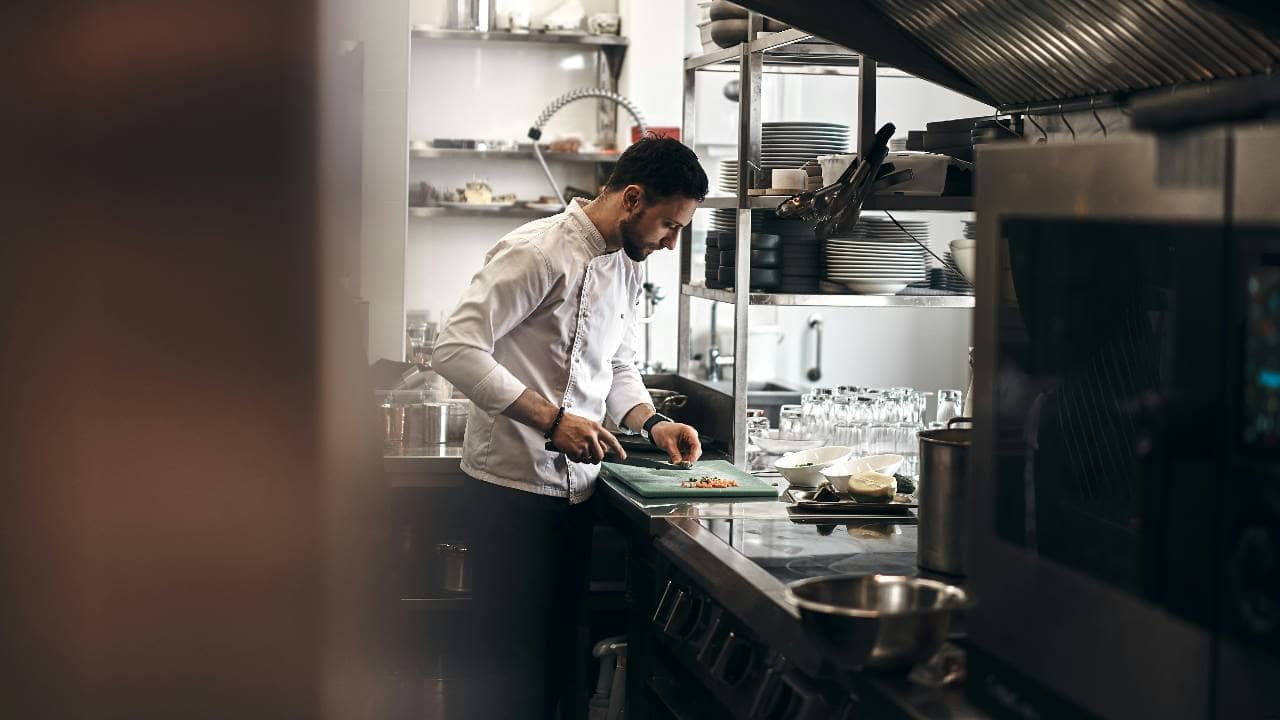
Complete guide helping restaurant owners choose essential kitchen equipment - covering cooking, refrigeration, prep, sanitation, ventilation, safety, and long-term maintenance planning.
Sep 7, 2026

Avoiding common restaurant payroll mistakes - misclassification, tip credit errors, overtime miscalculations - protects businesses from costly penalties, back pay, and compliance risks.
Sep 4, 2026
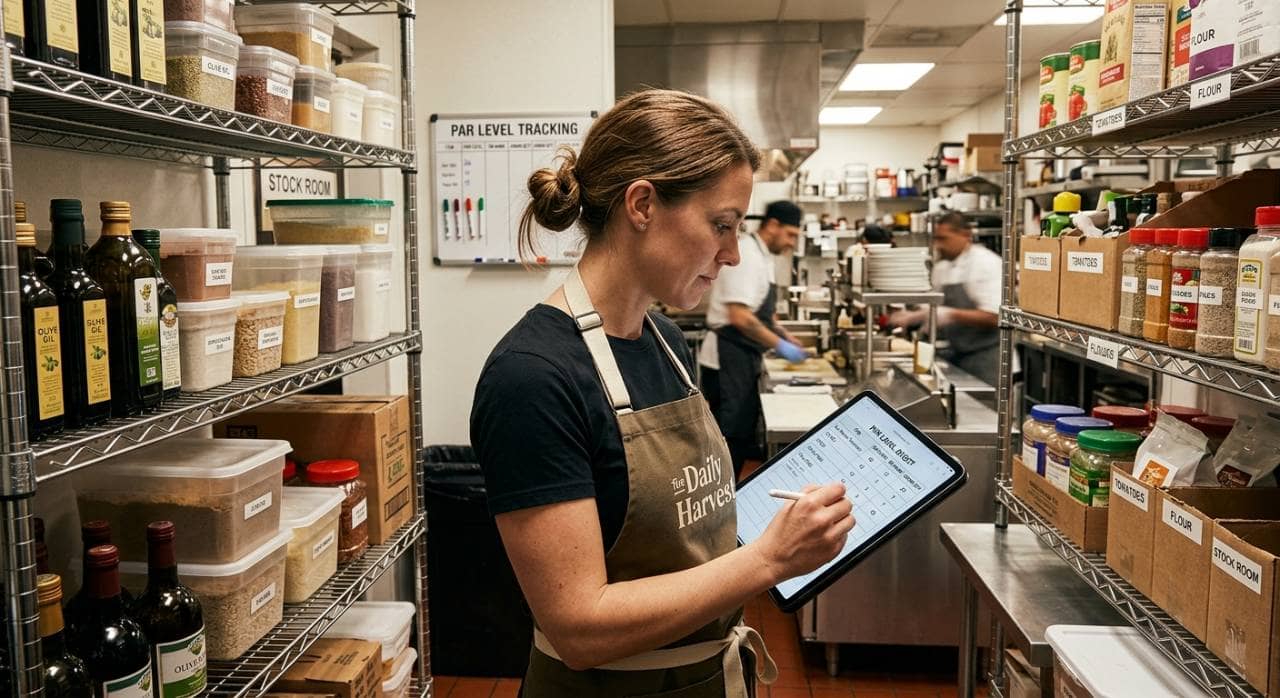
Learn to calculate par levels for restaurant food, beverages, and packaging inventory, preventing stockouts and waste through proper formulas.
Sep 4, 2026
Caribou Coffee appoints Zane Thomas-Rogers as Chief Operations Officer to strengthen execution across its expanding coffeehouse network.
Sep 4, 2026

Unlock Exclusive Access To Webinars, Events, And The Latest News For Free!
Chipotle uses expeditors between the POS and salsa station to speed peak-hour orders, boosting throughput while managing rising costs.
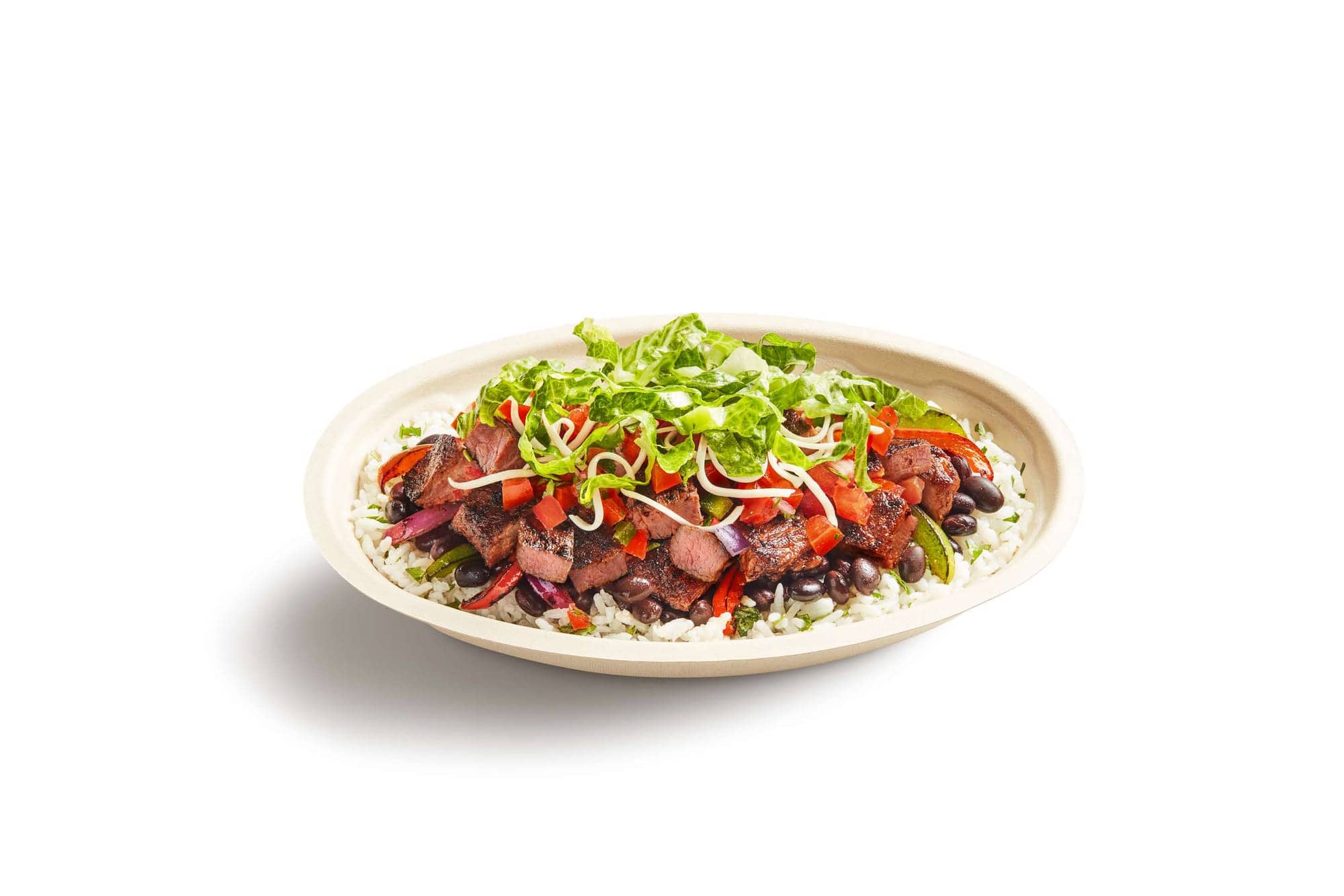
Chipotle’s frontline experiment begins with a simple reallocation of tasks on the line. As spring traffic surged, the company deployed expeditors, workers stationed between the point-of-sale system and the salsa station, to push orders through packaging and payment faster. The goal is not a wholesale staff shuffle but a targeted boost to throughput at peak moments. Leadership notes that roughly half of locations currently employ expeditors, a share they describe as a meaningful step rather than a final target. Early measures paint the payoff: about five extra entrees per store during the busiest 15-minute windows.
These expeditors aren't just extra hands; they're front-line processors. Positioned between the point-of-sale system and the salsa station, they take on packaging tasks and coordinate with cashiers to speed orders through without sacrificing accuracy. They relieve pressure on the till and reduce dwell time at the line front. In practice, that translates into more transactions per minute during surge periods, a straightforward math problem solved with a simple shift in responsibilities. The model is simple, the payoff measurable, and the pace of rollout pragmatic.
Leadership framed the move as progress, not a finished product. For Chipotle, Chief Executive Brian Niccol underscored the milestone with a straightforward line: “We've made progress to get to 50%. In the past, we've been able to get to that number closer to 70%-plus.” The tone is pragmatic, a staged rollout rather than a sprint. The 50% deployment is a real marker, but leadership signals there is more room to grow, especially as traffic patterns shift with the seasons and wage pressures complicate staffing choices.
From the financial side, the narrative is twofold: wages rising and throughput as a counterweight. CFO Jack Hartung notes that wage growth has a meaningful California component, while expeditor expansion factors into overall labor costs. That framing puts throughput gains in relief mode: higher peak transactions can help offset the headwinds of wage inflation, provided pricing and mix keep demand healthy. In short, the company markets the experiment as operational leverage, careful, measurable, and compatible with a margin-focused plan.
On the cost side, Chipotle is balancing rising protein costs with selective menu experiments. The fall return of brisket as a limited-time offer will raise unit costs per pound versus chicken, nudging cost of sales higher. Management projects the trend: cost of sales climbing from about 29.4% of revenue in the second quarter to roughly 31% in the third quarter, with dairy and avocado costs also contributing. In the quarterly disclosures, food, beverage and packaging costs sit around 30%, while labor runs a touch above 25% for large portions of 2025. Throughput is the counterweight, not a silver bullet.
Management frames these moves as careful calibration. Higher protein costs meet pricing and mix strategies, and expeditor deployment is designed to sustain guest value while defending margins. The data, they say, backs a plan that keeps throughput in harmony with cost discipline: steady menu experimentation, measured labor investments, and a focus on turning traffic into transactions without erasing the guest experience.

Beyond Chipotle, the industry wrestles with portions, prices and public scrutiny. The company has faced social chatter about shrinking portions, which leadership rejects, saying sizes are unchanged and retraining keeps consistency. A Axios, Forbes and The Washington Post cover the tension between higher menu prices and perceived value, while noting a wave of value-based strategies emerged in 2024 as brands chased sentiment amid inflation and traffic swings. The story here is not one metric but a broader narrative: external narratives intersect with internal labor and pricing choices to shape how guests perceive value and reliability.
Public perception matters because it feeds traffic trends. When portions sit at the edge of consumer expectations, brands must deliver a reliable experience and clear pricing signals. Chipotle’s stance, maintaining generous portions while standardizing handling, plays into that balance. The takeaway for operators: price increases must be paired with visible value and consistent execution, so rising costs don’t suppress demand.

Yet not all questions have clean answers. The expeditor program remains about 50% deployed, with leadership signaling ongoing expansion, but the pace and geography stay under wraps. Market dynamics add further complexity: wage floors and minimum wage rules shift with policy and inflation, especially in California. Industry trackers flag that California’s fast-food minimum wage framework remains alive, with potential ripple effects for labor costs and restaurant pricing in 2026.
In the near term, Chipotle doubles down on a balanced growth path: keep frontline momentum where it works, prune where costs threaten margins, and communicate with investors and guests with EEAT clarity. The company’s disclosures describe a disciplined approach, throughput gains paired with cost discipline and selective menu bets, aimed at sustaining value during inflation. The lesson for operators is surgical: align labor models with actual demand, measure impact quickly, and tell the story with credible data.
