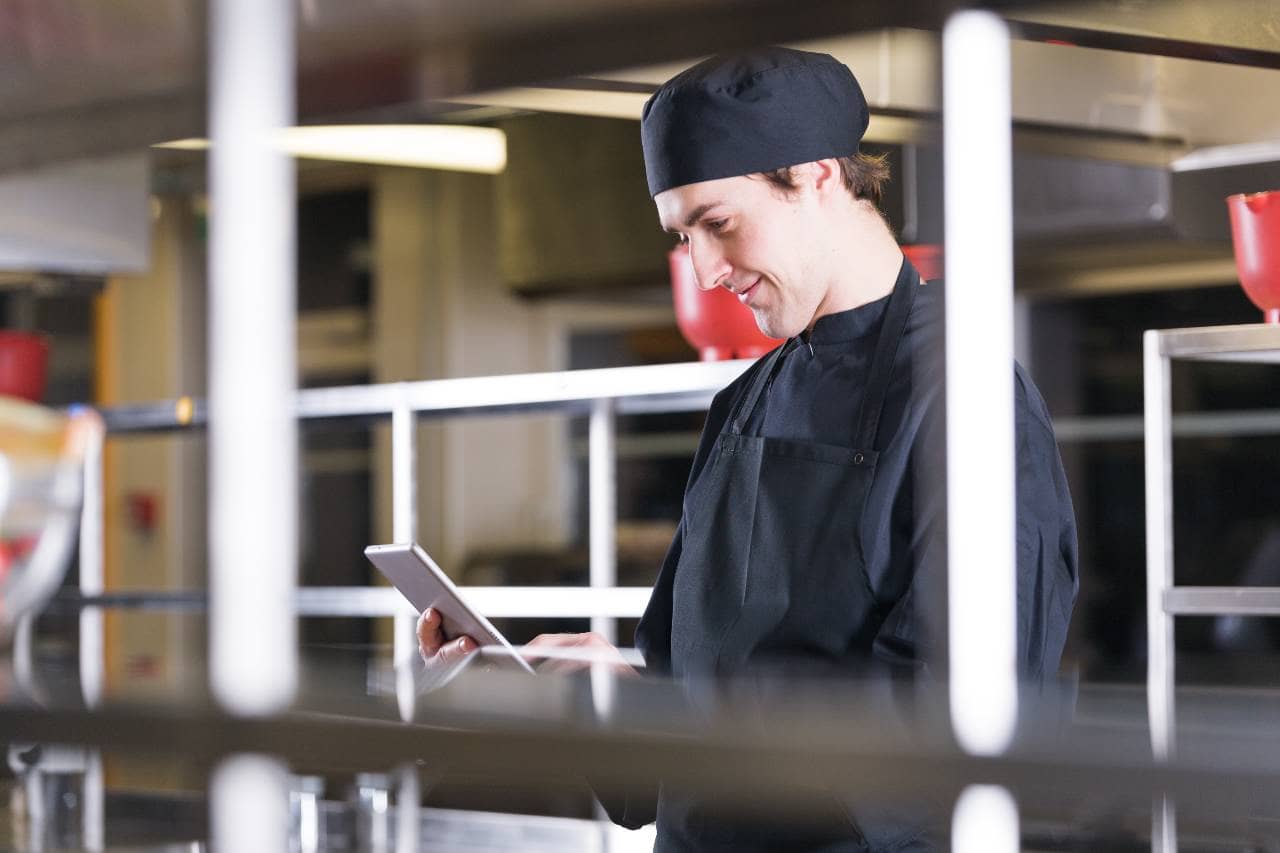
10 Ways to Use AI for Restaurant Back Office Management
AI helps restaurant owners streamline back-office management, automate administrative tasks, improve accuracy, control costs, and make smarter business decisions.
Back Office
Oct 14, 2026
AI helps restaurant owners streamline back-office management, automate administrative tasks, improve accuracy, control costs, and make smarter business decisions.
Oct 14, 2026
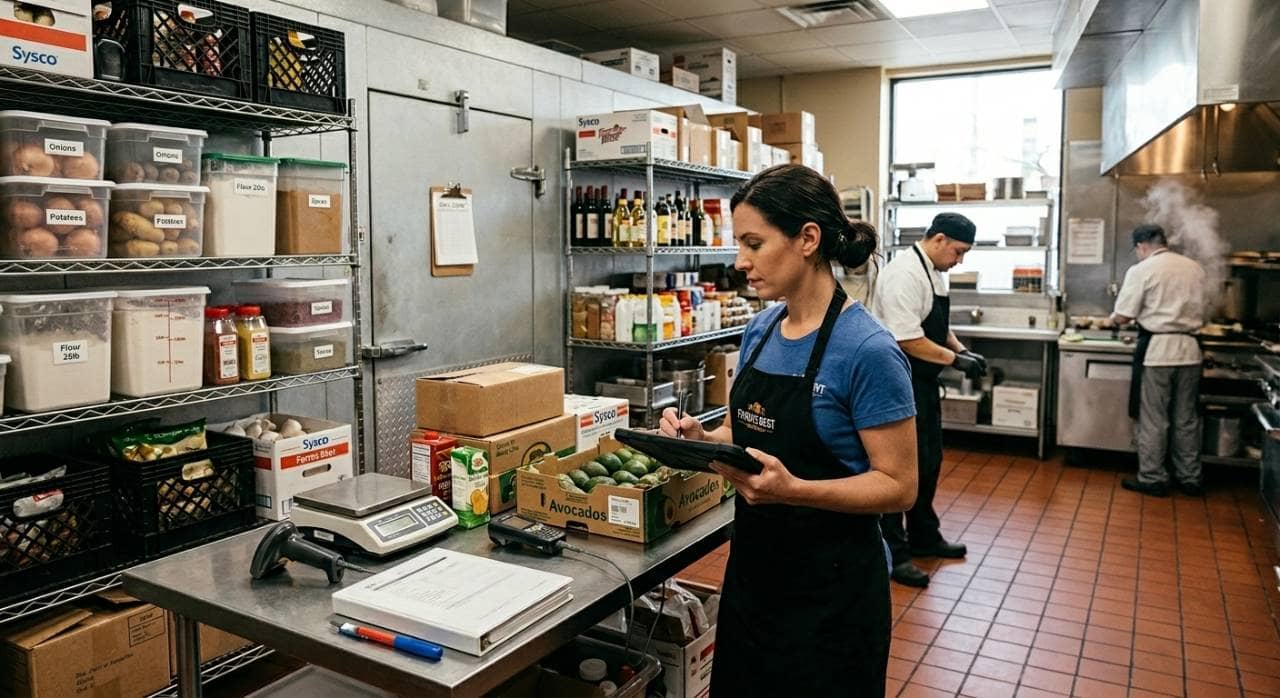
Learn how to forecast restaurant inventory using sales data, demand trends, and stock tracking to reduce food waste, control costs, and improve profitability.
Oct 14, 2026

Gen Restaurant Group sells all 47 Gen Korean BBQ locations to Chubby Cattle Group for $100 million, keeping its brand and CPG business.
Oct 14, 2026
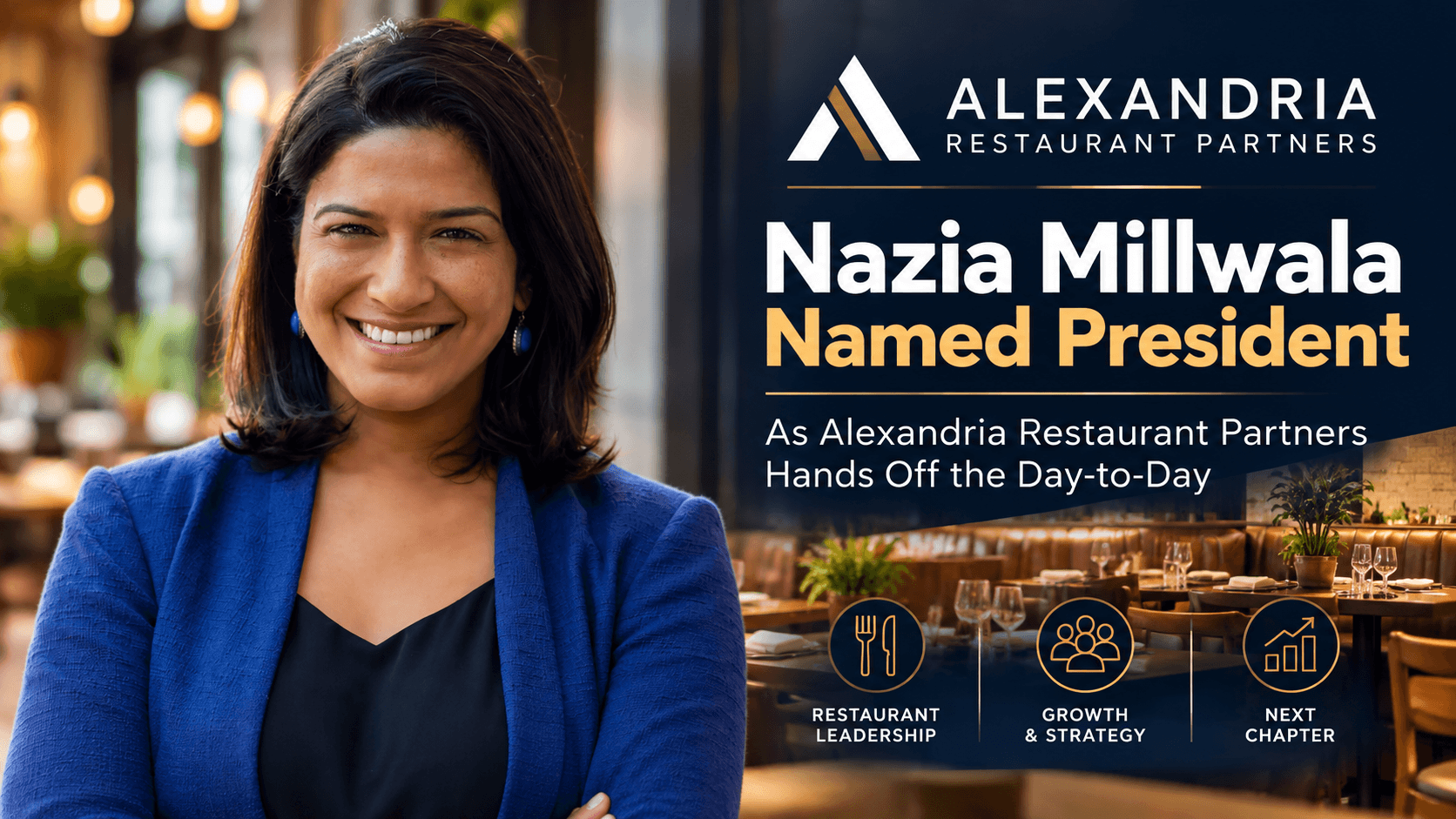
Alexandria Restaurant Partners names Nazia Millwala president, succeeding founders in a planned leadership transition across Virginia and Orlando.
Oct 14, 2026
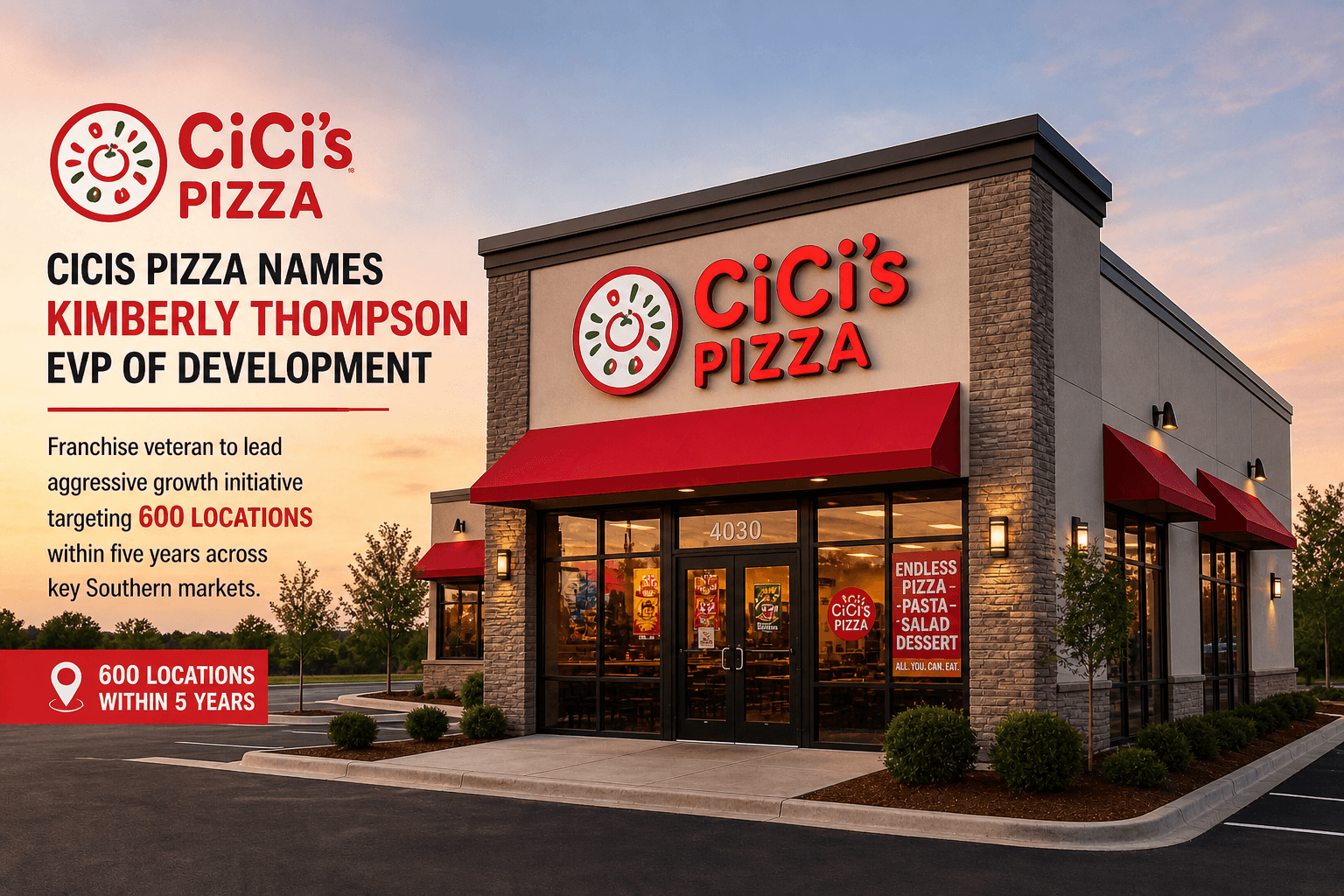
Cicis Pizza names franchise veteran Kimberly Thompson EVP of Development, targeting 600 locations within five years across key Southern markets.
Oct 14, 2026
Savory Fund closes Fund III at $201.5 million, drawing bank capital for the first time as it bets on repeating the success of Swig and Mo' Bettahs.
Oct 13, 2026
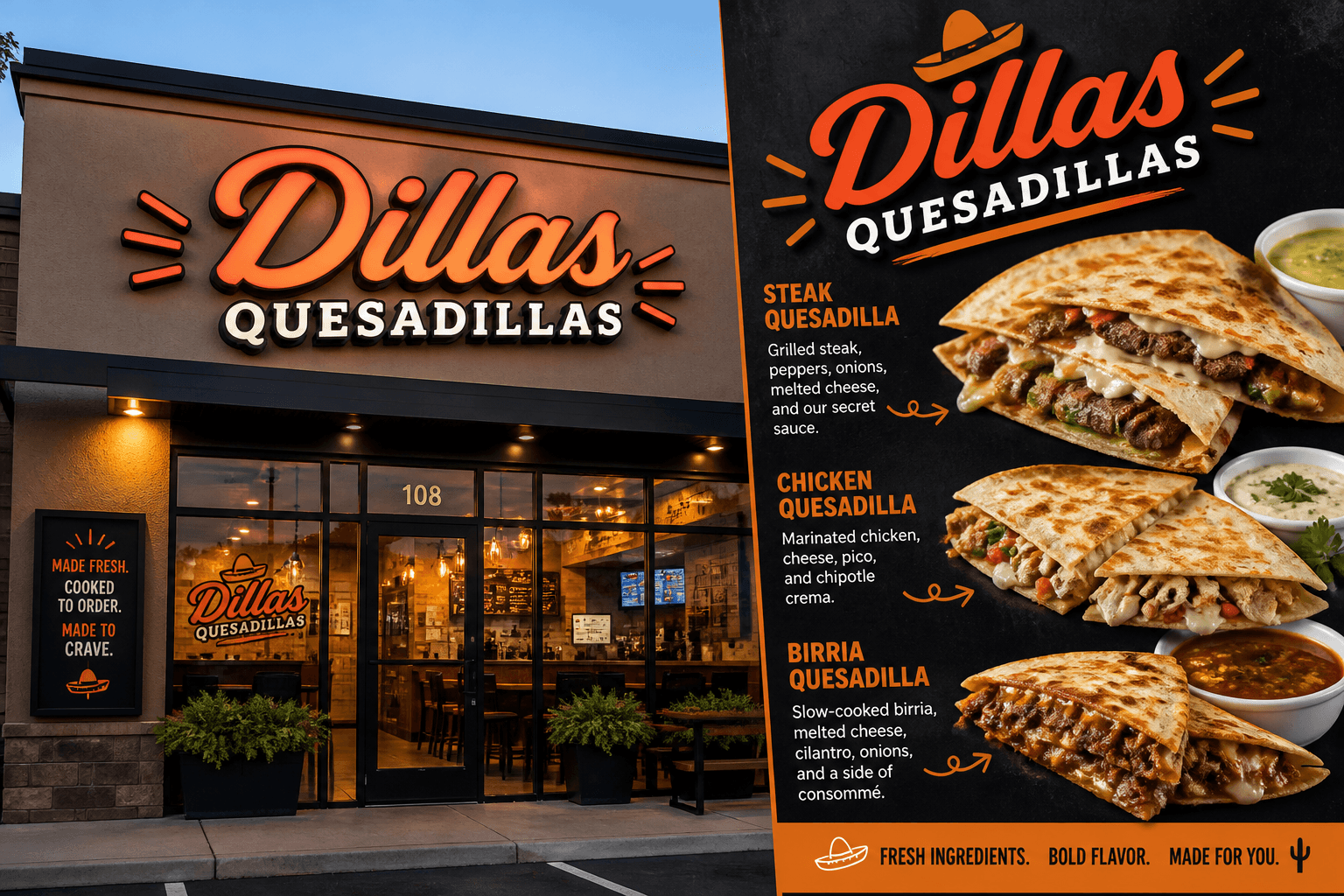
Dillas Quesadillas hires Michael Mabry as its first-ever COO to lead operations, marketing and franchise sales on the path to 50 locations by 2028.
Oct 13, 2026
Starbucks firmly denies rumors of a $50 billion Chipotle acquisition, shifting focus to its turnaround plan and upcoming Q4 earnings report.
Oct 12, 2026

September 2026 restaurant leadership changes highlight executive priorities around expansion, operations, franchising, technology, financial performance, customer engagement, and sustainable growth.
Oct 12, 2026

Learn how to calculate restaurant labor costs, determine labor cost percentages, account for payroll expenses, track spending, and improve profitability through smarter staffing decisions.
Oct 9, 2026

Unlock Exclusive Access To Webinars, Events, And The Latest News For Free!
Coronavirus Economic Impact - Learn how to implement the best practices to protect your business and employees, as we understand the consequences of global pandemics.

COVID-19, a highly infectious respiratory disease that has wreaked havoc in nearly every corner of the globe, is said to spread through small droplets, entering the body through the eyes, nose, or mouth. The economic impact of this pandemic has been felt domestically, as well as internationally, as the public's fear of contamination has increased and policies regarding this outbreak have become stricter. With many cities, states, and countries imposing strict social distancing or shelter in place orders, there have been countless mass gathering and event cancellations, as well as business and school closures. While many fear this threat to financial stability across all industries and the global economy, business leaders can still take the recommended steps by following guidelines from the Center for Disease Control and World Health Organization to create an effective response to this coronavirus crisis.
Currently, many essential businesses across the U.S. are still allowed to operate as long as they are able to maintain a safe 6 feet distance between persons. While some cafes and restaurants are being required to turn away sit-in customers, they are still able to serve take-out or delivery orders. These distancing measures have been implemented in an attempt to slow the spread of the virus and is expected to continue on for some time. Business leaders have seen just how difficult these regulations have been for the economy. As foot traffic falls and new alarming information is released by the government every day, it's vital that companies productively plan for this uncertain time and times to come. As they navigate through how to handle the economic impact of the coronavirus, employers should consider the following recommendations to ensure the safety of customers and staff.

The most important point employers should keep in mind is to remain flexible. Have strategies in place for different scenarios, such as if the business must shut its doors or limit staff members, and make sure there is more than just one plan of action. Take into account how to prevent transmission among staff members, the best ways to protect the people most at risk (older adults and people with serious underlying medical conditions), and how to maintain business operations while staying in line with new procedures. Further considerations should include -

When creating a plan, consider the following steps in relation to the business's current situation.
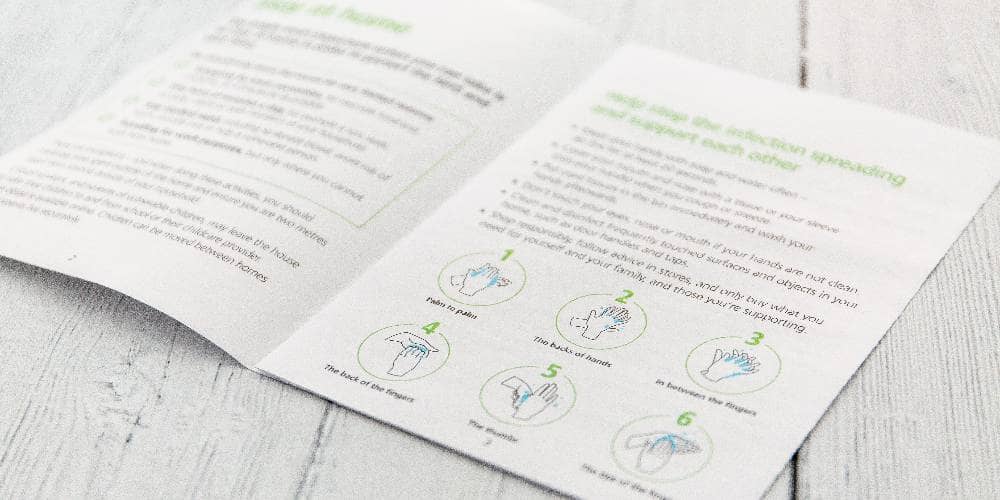
As of right now, there are many possible outcomes to the longterm economic impact of this coronavirus outbreak. Therefore, business decisions should be based on responding to what is factual rather than fears or rumors. When there are major shifts within the dynamic of economics, forecasting tools can be incredibly helpful at giving businesses a clearer outlook on how their sales, labor and supply chain may be affected, as well as how best to cope with potential setbacks and profit losses. Automated software is just one way to harness the power of forecasting to help navigate through these uncertain times.