
California Penalizes Dickey's for Franchise Disclosure Violations
California shifts to public enforcement strategy against Dickey's for deceptive franchise disclosures, signaling stricter state-level franchise oversight.
Franchising
Sep 10, 2026
California shifts to public enforcement strategy against Dickey's for deceptive franchise disclosures, signaling stricter state-level franchise oversight.
Sep 10, 2026
Paul Brown temporarily steps away from Inspire Brands as Scott Murphy assumes interim CEO role during confidential IPO filing process targeting late 2026.
Sep 10, 2026
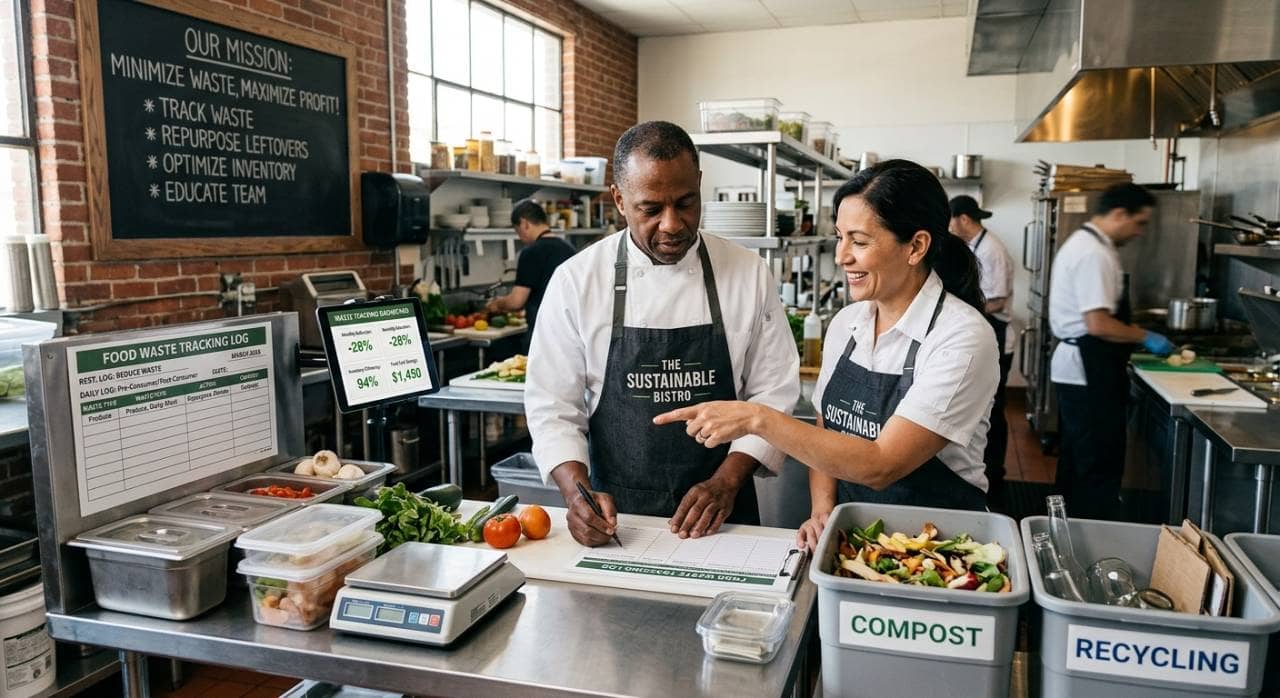
Learn how to reduce food waste in restaurants through smarter purchasing, storage, preparation, and service strategies that cut costs.
Sep 9, 2026
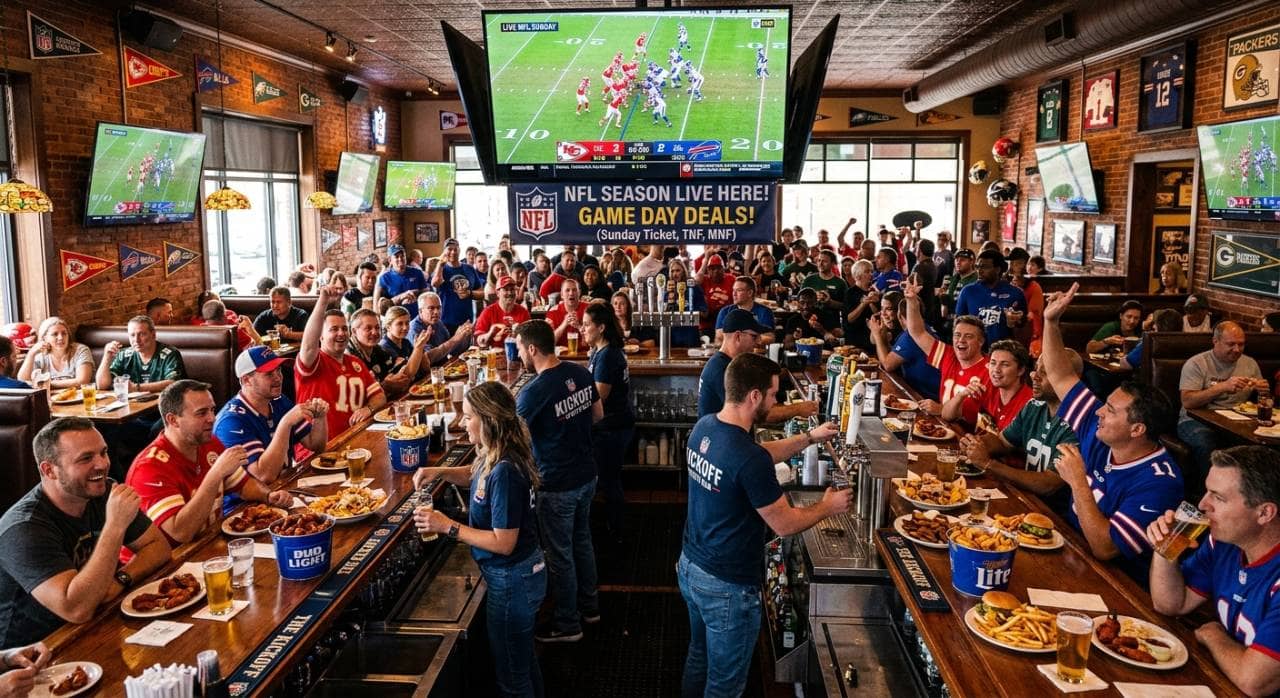
Prepare your restaurant for NFL season with smart menu planning, staffing, marketing, technology, and atmosphere strategies that boost season-long revenue.
Sep 9, 2026
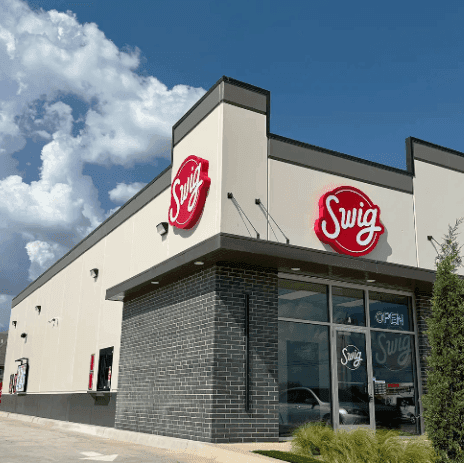
Swig signs franchise agreement for 11 South Denver locations, marking Colorado entry and validating its national expansion strategy.
Sep 8, 2026
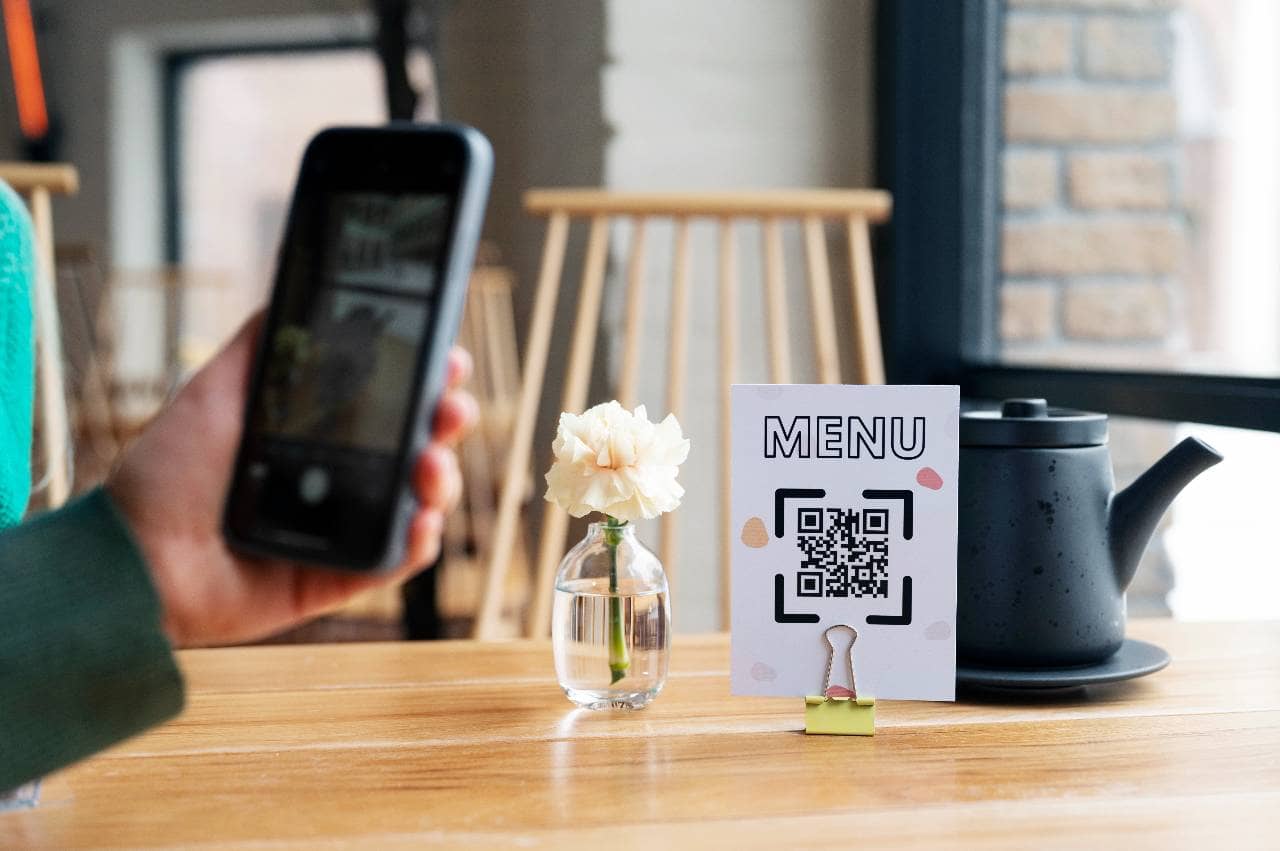
QR code menus let restaurants replace paper menus digitally, enabling instant updates, contactless browsing, ordering, and payment through simple smartphone scanning.
Sep 7, 2026
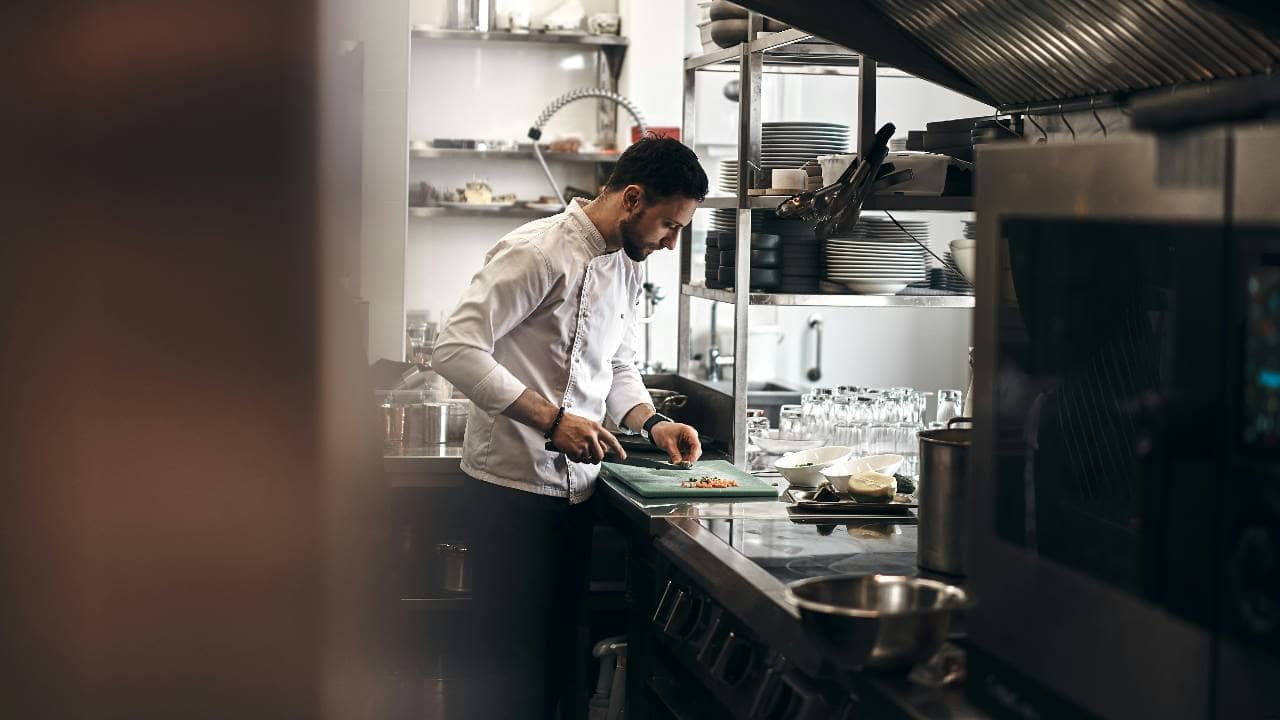
Complete guide helping restaurant owners choose essential kitchen equipment - covering cooking, refrigeration, prep, sanitation, ventilation, safety, and long-term maintenance planning.
Sep 7, 2026

Avoiding common restaurant payroll mistakes - misclassification, tip credit errors, overtime miscalculations - protects businesses from costly penalties, back pay, and compliance risks.
Sep 4, 2026
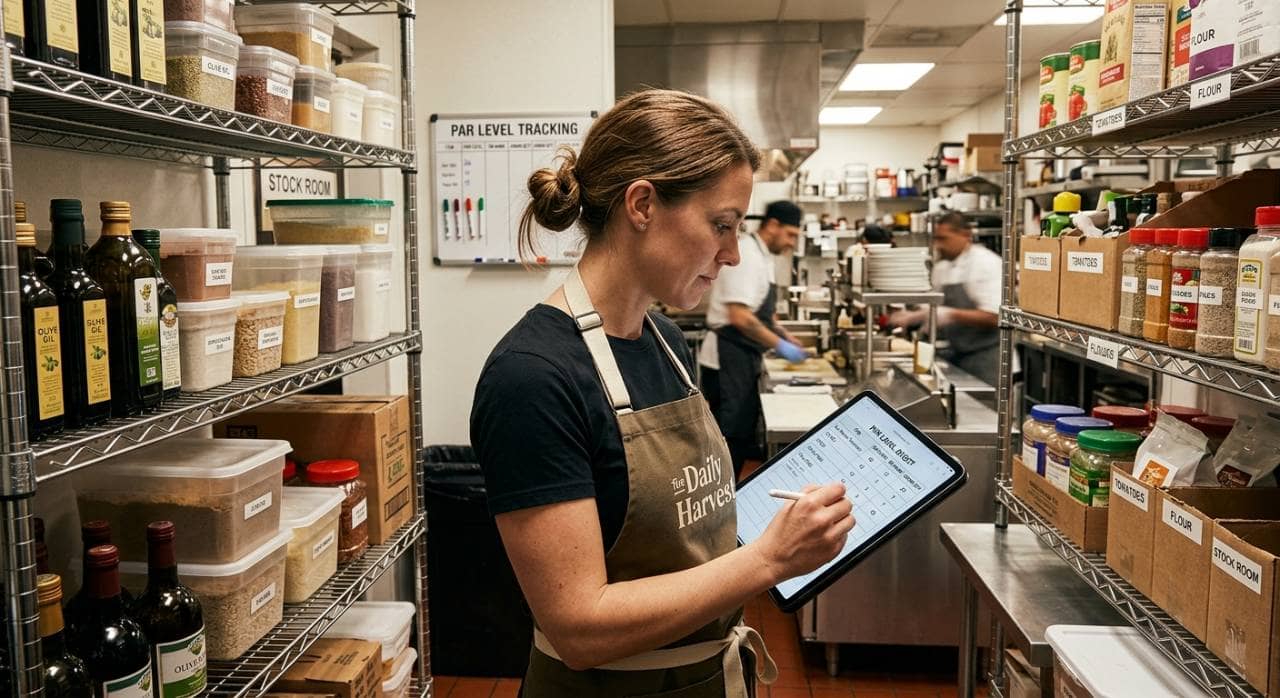
Learn to calculate par levels for restaurant food, beverages, and packaging inventory, preventing stockouts and waste through proper formulas.
Sep 4, 2026
Caribou Coffee appoints Zane Thomas-Rogers as Chief Operations Officer to strengthen execution across its expanding coffeehouse network.
Sep 4, 2026

Unlock Exclusive Access To Webinars, Events, And The Latest News For Free!
Amira Hassan examines how restaurant hiring stays resilient amid a cooling job market, with a focus on staffing stability and guest experience.

Photo by The Storyteller Agency.co
In July, the broader U.S. jobs report showed 114,000 net nonfarm payroll jobs added, a pace that underscored a cooling backdrop for many sectors. The unemployment rate rose to 4.3%, its highest in years, painting a cautious mood among employers. Yet within leisure and hospitality, a different rhythm emerged: eating and drinking establishments posted a meaningful gain, adding 19,500 jobs on a seasonally adjusted basis in July. The month followed an uptick of about 16,500 in May and a dip of 3,100 in June, a reminder that the labor market remains uneven and volatile across the past quarter. For operators, this two-speed reality is more than a headline, it’s a characteristic of a market learning to balance growth with prudence.
The backdrop is not simply a number game. Economists describe a slow-but-steady shift as the economy stabilizes after the rapid rebound, with unemployment hovering and consumer-facing services continuing to hire at a measured pace. In the leisure and hospitality space, the narrative is nuanced: while some subsectors contract, eating and drinking places keep contributing to payroll gains, albeit with fewer hires than during the peak rebound years. The National Restaurant Association notes that hiring momentum has slowed considerably compared with the immediate post-pandemic period, signaling a more sustainable, if uneven, trajectory. As of early 2024, some measures placed eating and drinking places roughly 31,000 jobs above their February 2020 peak, underscoring the complexity of benchmarking in a rapidly evolving labor market.

Despite July’s resilience, hiring momentum in the restaurant sector has cooled from the torrid pace of the post-pandemic rebound. The National Restaurant Association reports that the industry averaged about 7,200 new jobs per month over the most recent four-month window, far below the roughly 23,000 per month seen in the preceding 15 months. The sector also faces high demand for workers, with the broader leisure and hospitality bloc posting about 866,000 openings, well above pre-pandemic levels but still shy of the 875,000 pre-2019 average. In this landscape, eating and drinking places remain the core of the restaurant workforce, and they continue to recruit as the market steadies.
Other measures point to a split across measures and baselines. February 2024 NRA data suggested that eating and drinking places were about 31,000 jobs above the February 2020 pre-crisis level, while broader data sources describe different baselines for the same period. Analysts emphasize taking a multi-month view rather than a single snapshot, recognizing that revisions, cross-survey differences, and definitional choices shape the pace of hiring. Even with measurement caveats, the thread is clear: the demand for restaurant workers remains meaningful as the sector carves out a steadier path forward.
Leadership within flagship chains has tied staffing stability to operational performance. At The Cheesecake Factory, leadership has emphasized that stronger staffing and retention bolster operational efficiencies and guest flow during peak periods. In parallel, Texas Roadhouse executives attribute higher staffing and retention to robust quarterly results, including a 9.3% year-over-year lift in same-store sales and a 4.5% rise in traffic. These patterns, lower turnover, steadier scheduling, and improved colleague experience, translate into steadier service levels, higher throughput, and more predictable labor costs for brands navigating a difficult macro environment.
Together, these leadership signals illuminate a broader truth: stability in staffing translates into tangible benefits for guests and operators alike. When teams stay intact longer, hospitality becomes more consistent, and the math of turnover yields a gentler cost curve. This is a measured, nourishing approach to people work, a discipline that aligns guest satisfaction with responsible workforce management and thoughtful scheduling in a market that rewards steadiness.

The ongoing narrative centers on how staffing and retention translate into bottom-line results. The July data show that even as the overall payroll footprint grows more slowly, restaurant operators are leveraging steadier staffing to drive productivity and sales. The The Cheesecake Factory and Texas Roadhouse examples illustrate a pattern: higher retention reduces the friction and cost of frequent rehiring, supports consistent guest experiences, and improves throughput in peak periods. Across the NRA’s broader portrait, eating and drinking places form the core of the sector’s 15.5 million jobs, accounting for roughly 80% of the workforce, with hiring momentum still meaningful even as the macro pace ebbs.
Looking ahead, operators appear to view workforce stability as a strategic lever for efficiency and guest satisfaction in a slower-growth environment. The path forward will likely feature uneven hiring, with some concepts and regions outperforming others, even as brands double down on training and retention. The sector is expected to continue exceeding pre-pandemic levels in many markets, even if overall job growth in the wider economy remains tempered. The whether-to-hire calculus will hinge on macro conditions, consumer demand for dining experiences, and the ability of brands to attract, train, and retain staff in a competitive labor market, while keeping dining experiences balanced, nourishing, and thoughtfully delivered.
