10 Ways to Use AI for Restaurant Back Office Management
AI helps restaurant owners streamline back-office management, automate administrative tasks, improve accuracy, control costs, and make smarter business decisions.
Back Office
Oct 14, 2026
AI helps restaurant owners streamline back-office management, automate administrative tasks, improve accuracy, control costs, and make smarter business decisions.
Oct 14, 2026
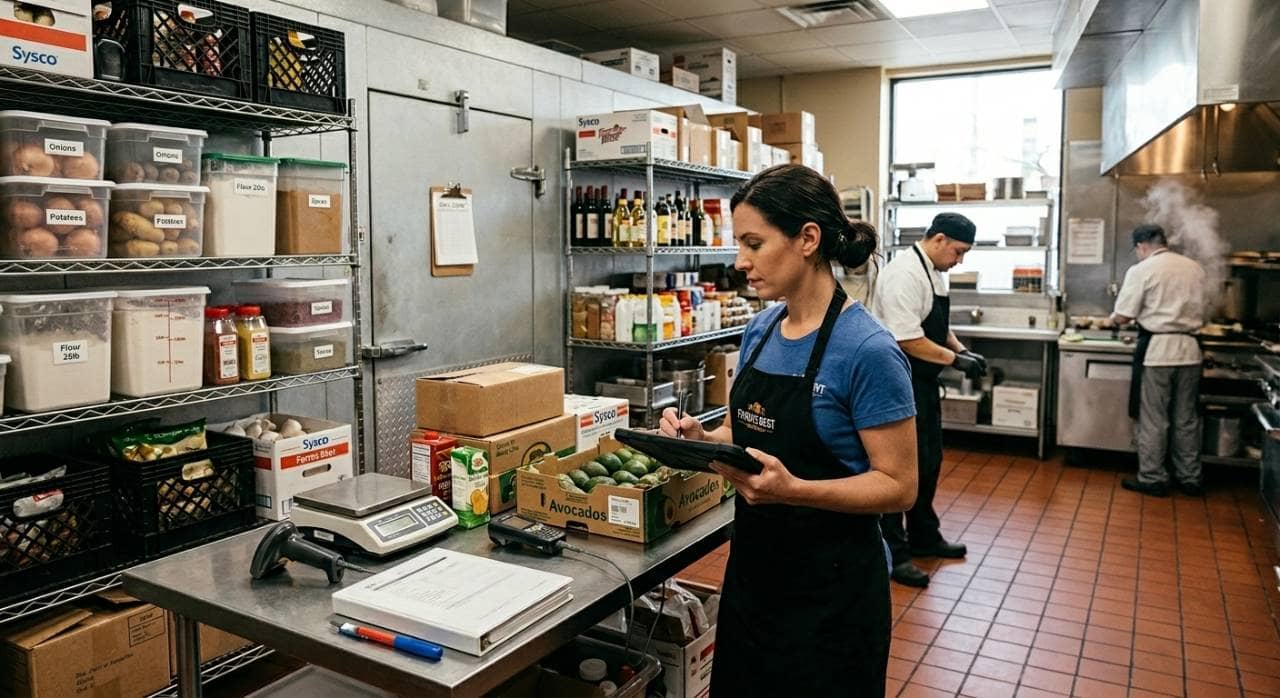
Learn how to forecast restaurant inventory using sales data, demand trends, and stock tracking to reduce food waste, control costs, and improve profitability.
Oct 14, 2026

Gen Restaurant Group sells all 47 Gen Korean BBQ locations to Chubby Cattle Group for $100 million, keeping its brand and CPG business.
Oct 14, 2026

Alexandria Restaurant Partners names Nazia Millwala president, succeeding founders in a planned leadership transition across Virginia and Orlando.
Oct 14, 2026
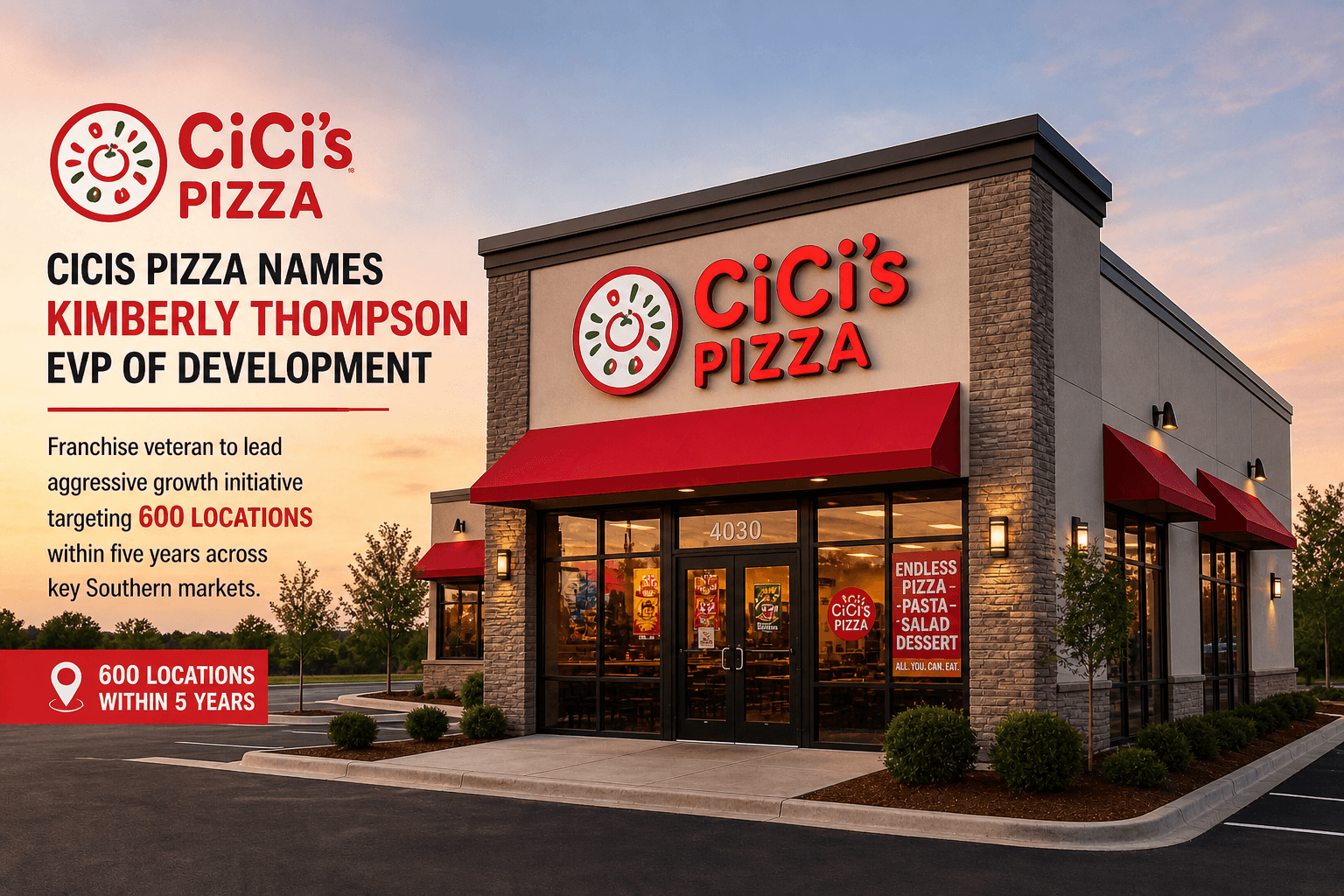
Cicis Pizza names franchise veteran Kimberly Thompson EVP of Development, targeting 600 locations within five years across key Southern markets.
Oct 14, 2026
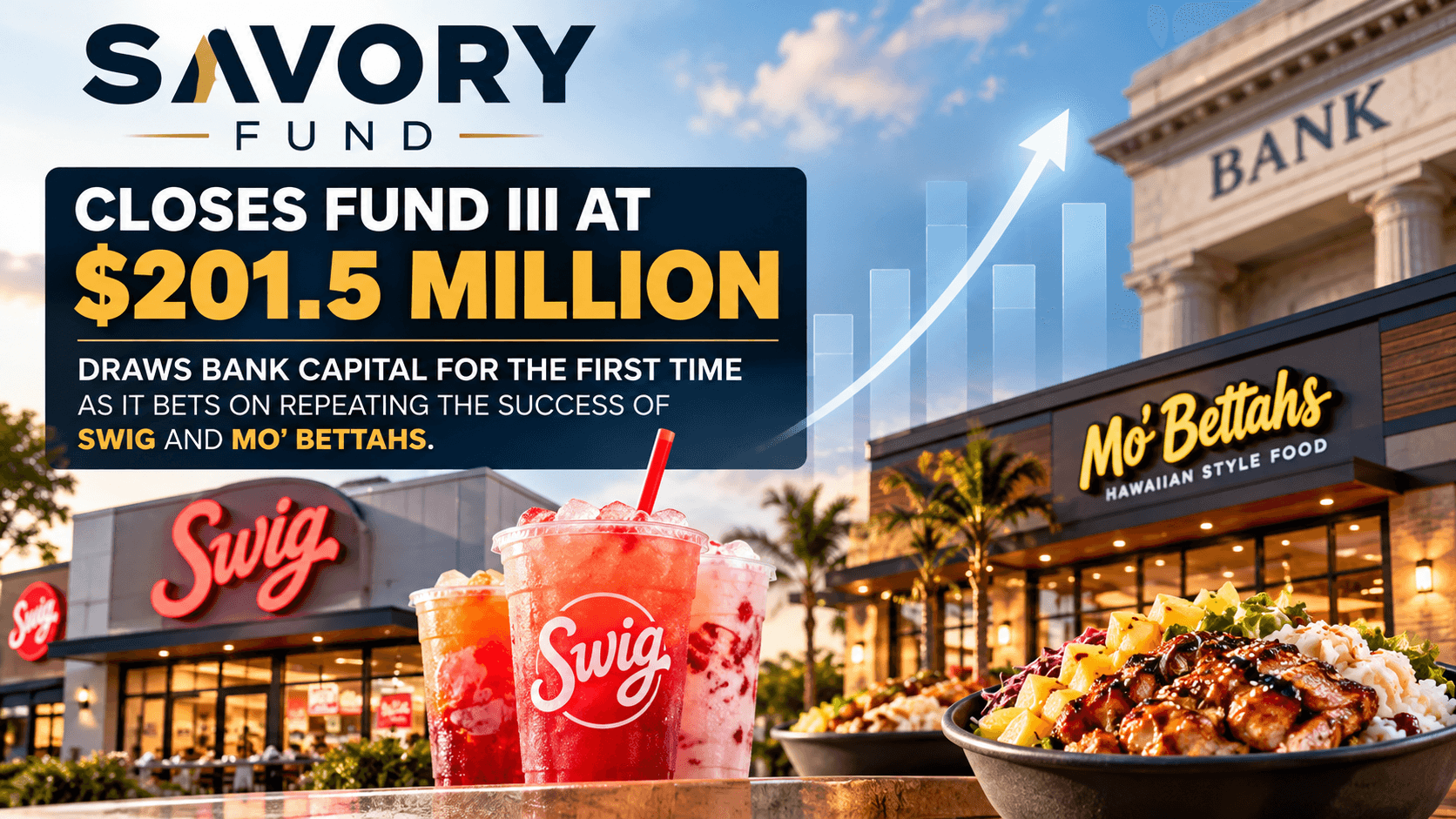
Savory Fund closes Fund III at $201.5 million, drawing bank capital for the first time as it bets on repeating the success of Swig and Mo' Bettahs.
Oct 13, 2026
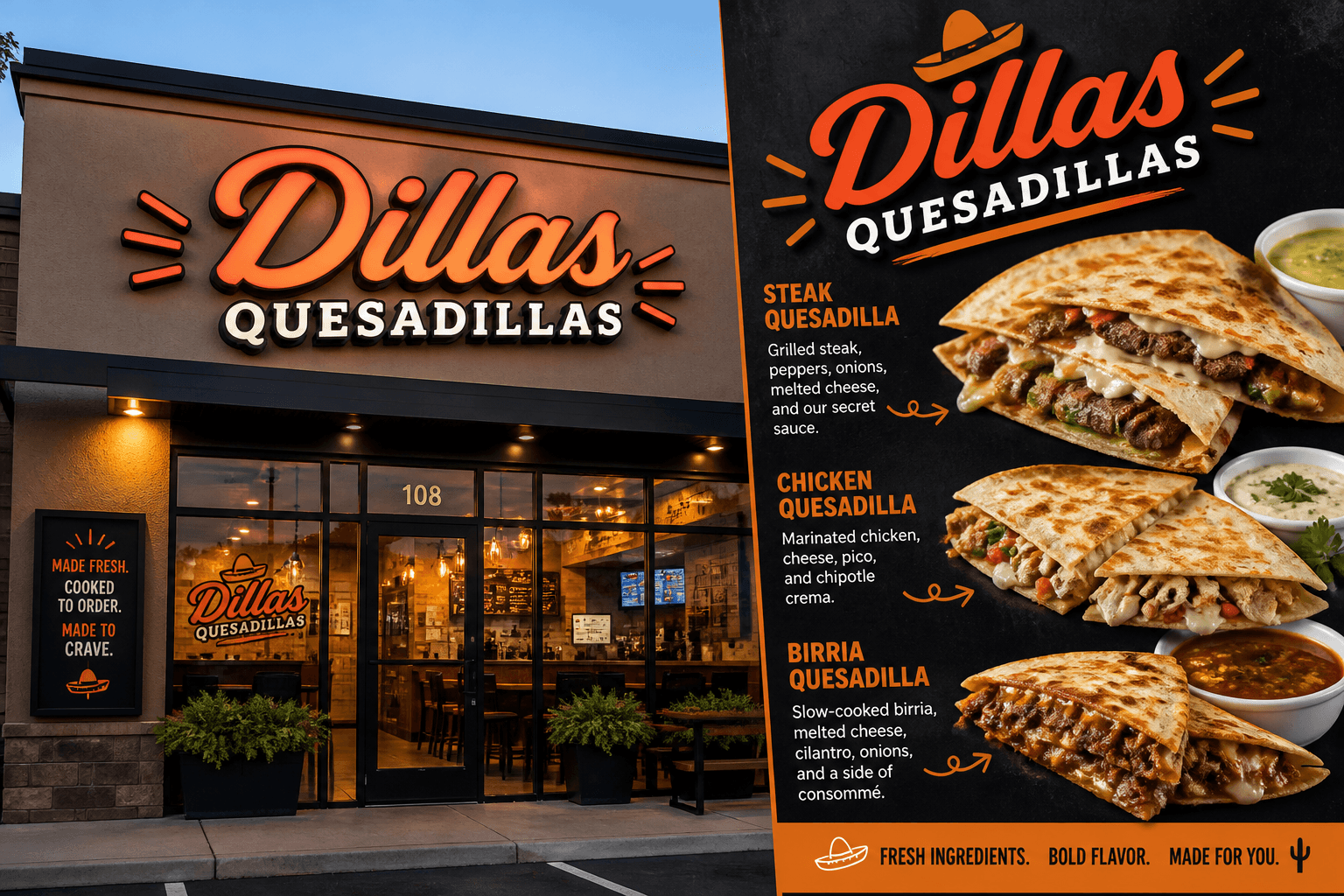
Dillas Quesadillas hires Michael Mabry as its first-ever COO to lead operations, marketing and franchise sales on the path to 50 locations by 2028.
Oct 13, 2026
Starbucks firmly denies rumors of a $50 billion Chipotle acquisition, shifting focus to its turnaround plan and upcoming Q4 earnings report.
Oct 12, 2026
September 2026 restaurant leadership changes highlight executive priorities around expansion, operations, franchising, technology, financial performance, customer engagement, and sustainable growth.
Oct 12, 2026
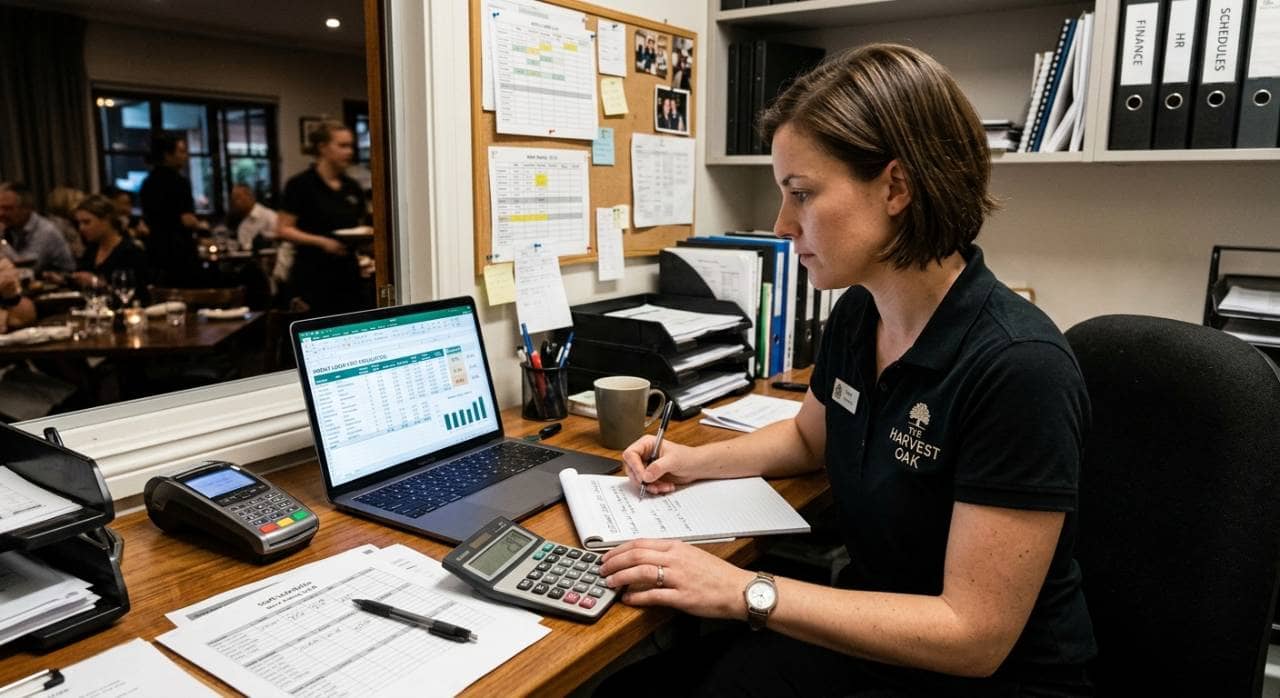
Learn how to calculate restaurant labor costs, determine labor cost percentages, account for payroll expenses, track spending, and improve profitability through smarter staffing decisions.
Oct 9, 2026

Unlock Exclusive Access To Webinars, Events, And The Latest News For Free!
By choosing the appropriate restaurant food storage containers, establishments can streamline preparation and inventory counts while reducing food waste.

There are several health regulations and codes restaurants must abide by to maintain a clean and organized kitchen space. Health codes can even help establishments limit their food waste by outlining how and where ingredients should be stored. However, owners must determine their restaurant food storage preferences, such as material, shape, and size, to optimize space and prevent spoilage.
When it comes to storing food, restaurants must determine which containers work best for their ingredients and kitchen space by asking-
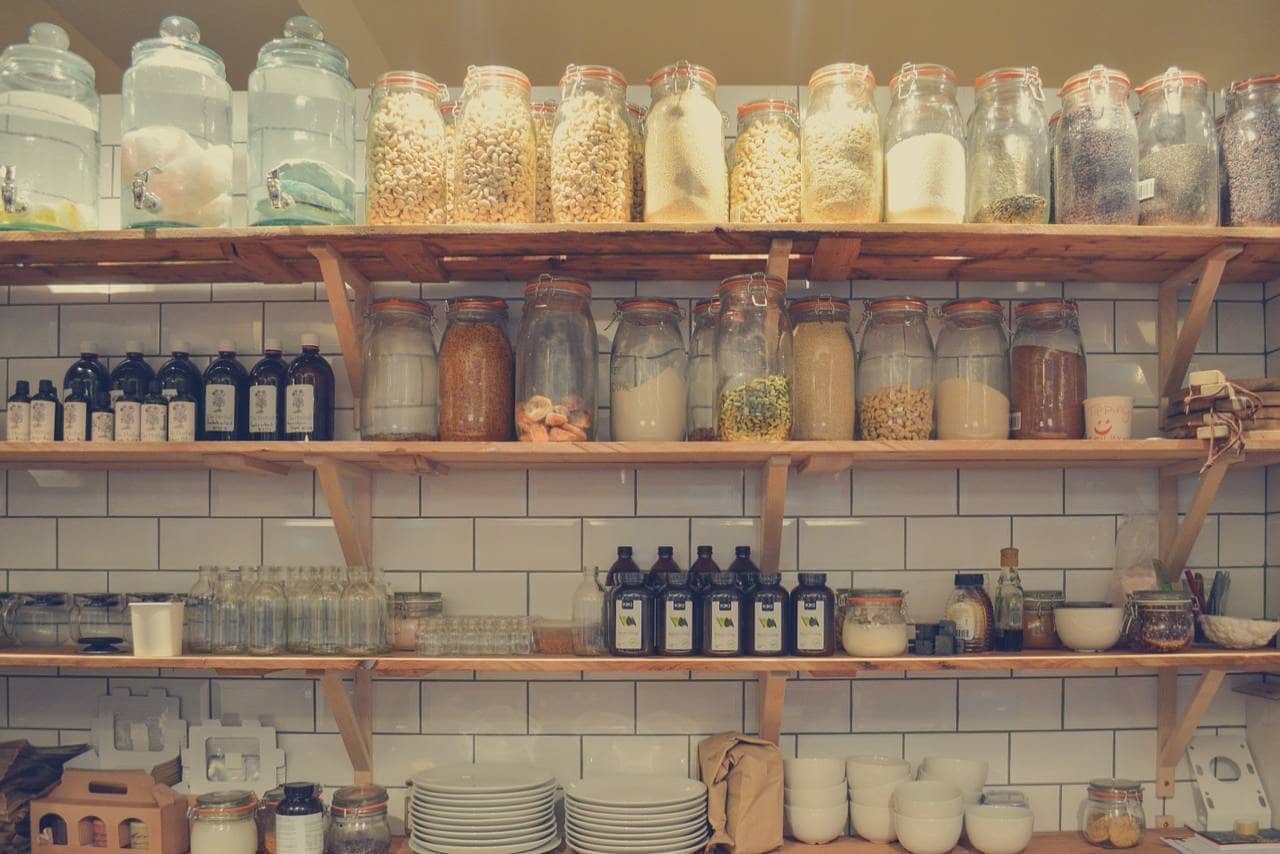
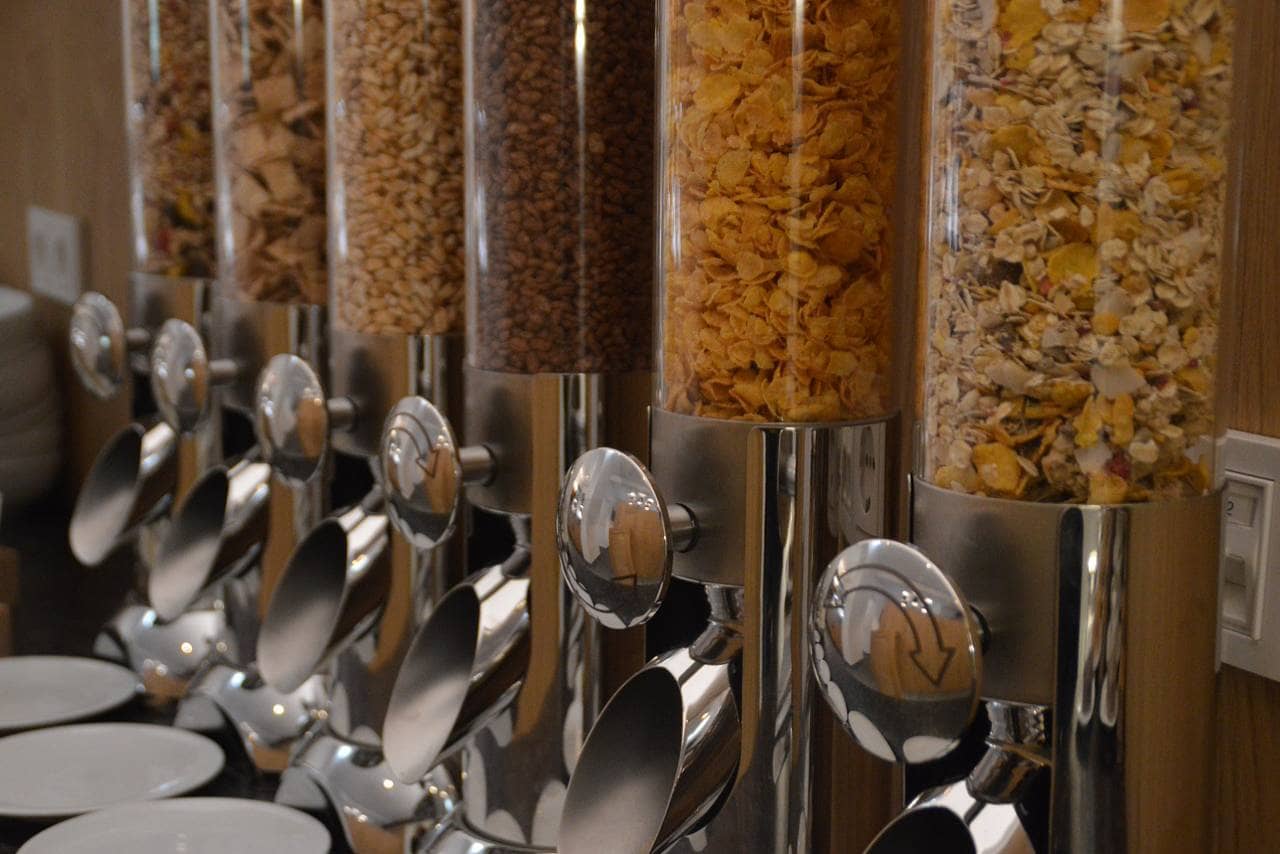
The material food containers are composed of determines their durability, accessibility, and longevity. Plastic is the most common material restaurants use as it is durable and often microwavable. However, there are several types of plastics and metals that restaurants can use, each with its own set of unique properties.
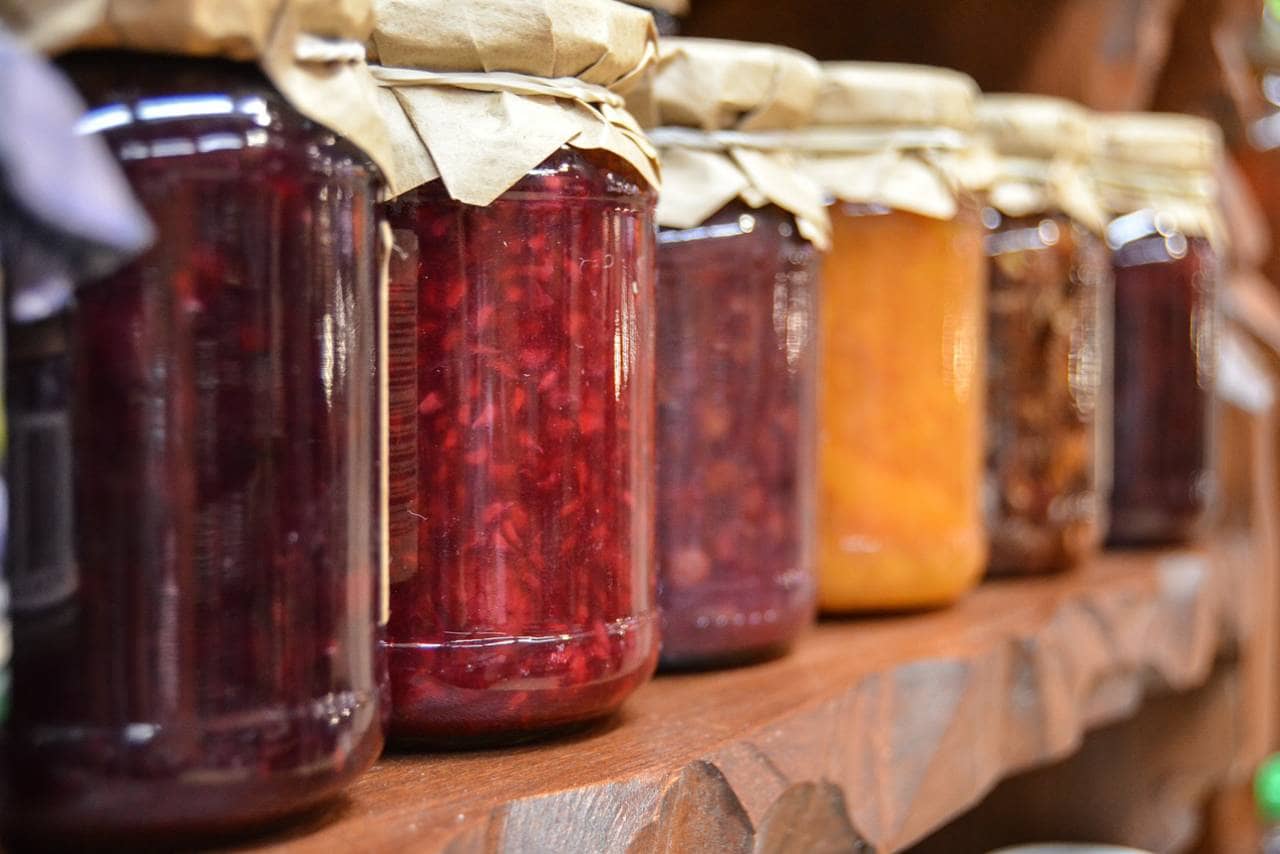

After determining which material is best for each ingredient, restaurants need to assess the different storage options.
Square Containers Square containers typically range from 2 to 22 quarts and are ideal for maximizing limited space as they are stackable and can sit flush against each other. However, these containers are more suitable for liquids, such as dressings and soups, as dry ingredients tend to get stuck in the corners. Square boxes are made from various materials, such as-

Food Boxes Food boxes are rectangular units ranging from 1.75 to 22 gallons used to store large products or smaller items in bulk. Restaurants typically use food boxes to store meat and produce. These containers can come in any color and are made from-
Round Containers Round containers range from 2 to 22 quarts and are used for dry ingredients. However, their curved shape takes up more space, making it challenging to optimize storage. Round containers are also made from-

Ingredient Bins Ingredient bins come as big as 32 gallons, making them ideal for storing bulk ingredients. Many of these containers have FIFO barriers and additional access points so restaurants can retrieve contents while bins are stacked. Ingredient bins are often used in restaurants that use large amounts of certain ingredients, such as pizzerias, bakeries, and coffee shops. These bins are composed of-
Dough Boxes and Pans Dough boxes and pans store unbaked dough to promote or prevent rising. This enables restaurants to prepare large batches of dough at one time. These containers range from 40 to 96 ounces and are made of-

Salad Bar Crocks Salad bar crocks come in 0.6 to 10.38-quart containers and are customized to fit into any food bar. Depending on the size, crocks can be used to store salad dressing, condiments, and salad. These containers are made from several materials-
Kitchen Canisters Kitchen canisters provide storage for smaller amounts, from 4 to 70 ounces. These containers are often used in the front and back-end of restaurants to hold ingredients, such as spices and sugar. Kitchen canisters are composed of-