How to Forecast Restaurant Inventory and Reduce Food Waste
Learn how to forecast restaurant inventory using sales data, demand trends, and stock tracking to reduce food waste, control costs, and improve profitability.
Oct 14, 2026
Learn how to forecast restaurant inventory using sales data, demand trends, and stock tracking to reduce food waste, control costs, and improve profitability.
Oct 14, 2026
AI helps restaurant owners streamline back-office management, automate administrative tasks, improve accuracy, control costs, and make smarter business decisions.
Oct 14, 2026
Gen Restaurant Group sells all 47 Gen Korean BBQ locations to Chubby Cattle Group for $100 million, keeping its brand and CPG business.
Oct 14, 2026
Alexandria Restaurant Partners names Nazia Millwala president, succeeding founders in a planned leadership transition across Virginia and Orlando.
Oct 14, 2026
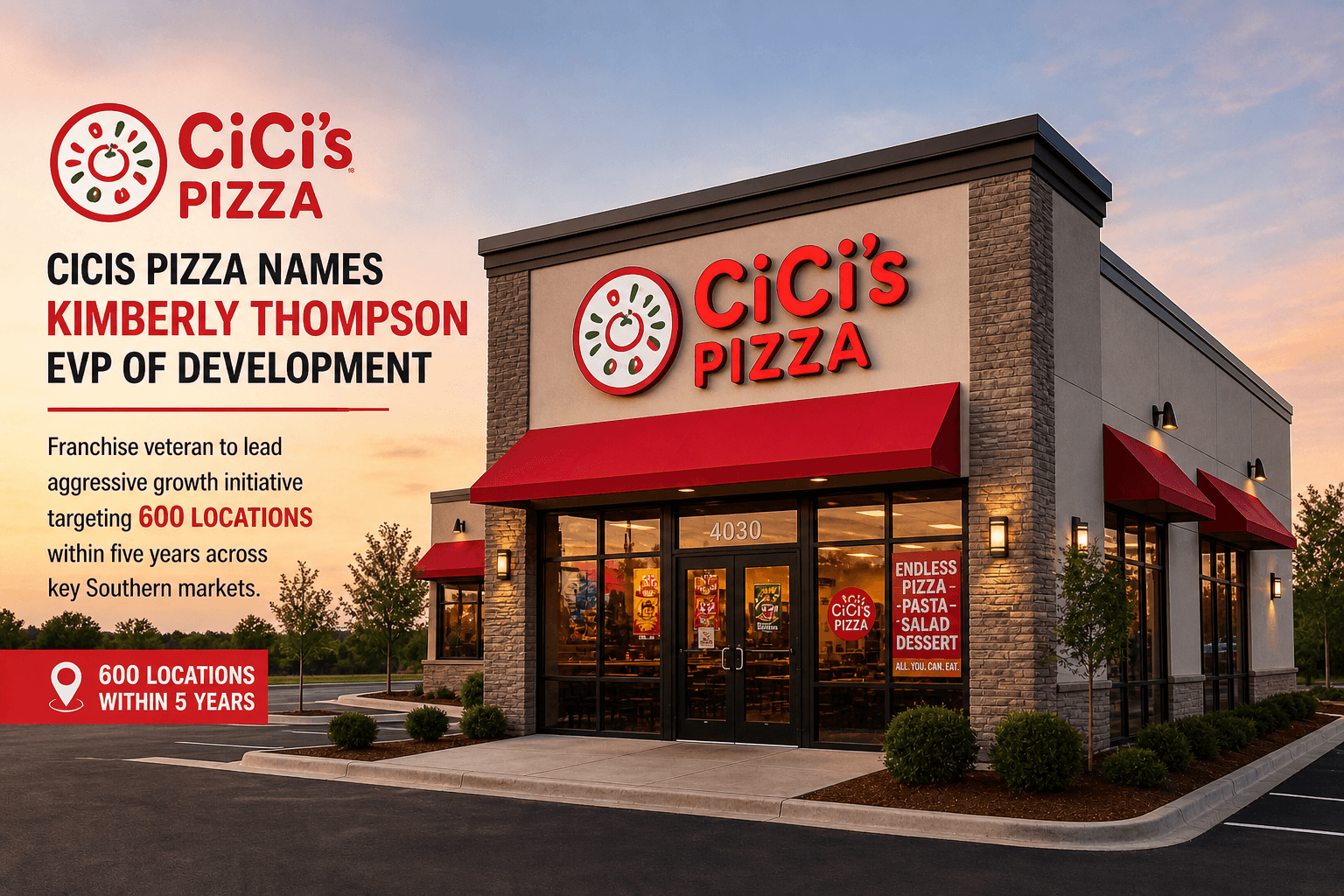
Cicis Pizza names franchise veteran Kimberly Thompson EVP of Development, targeting 600 locations within five years across key Southern markets.
Oct 14, 2026
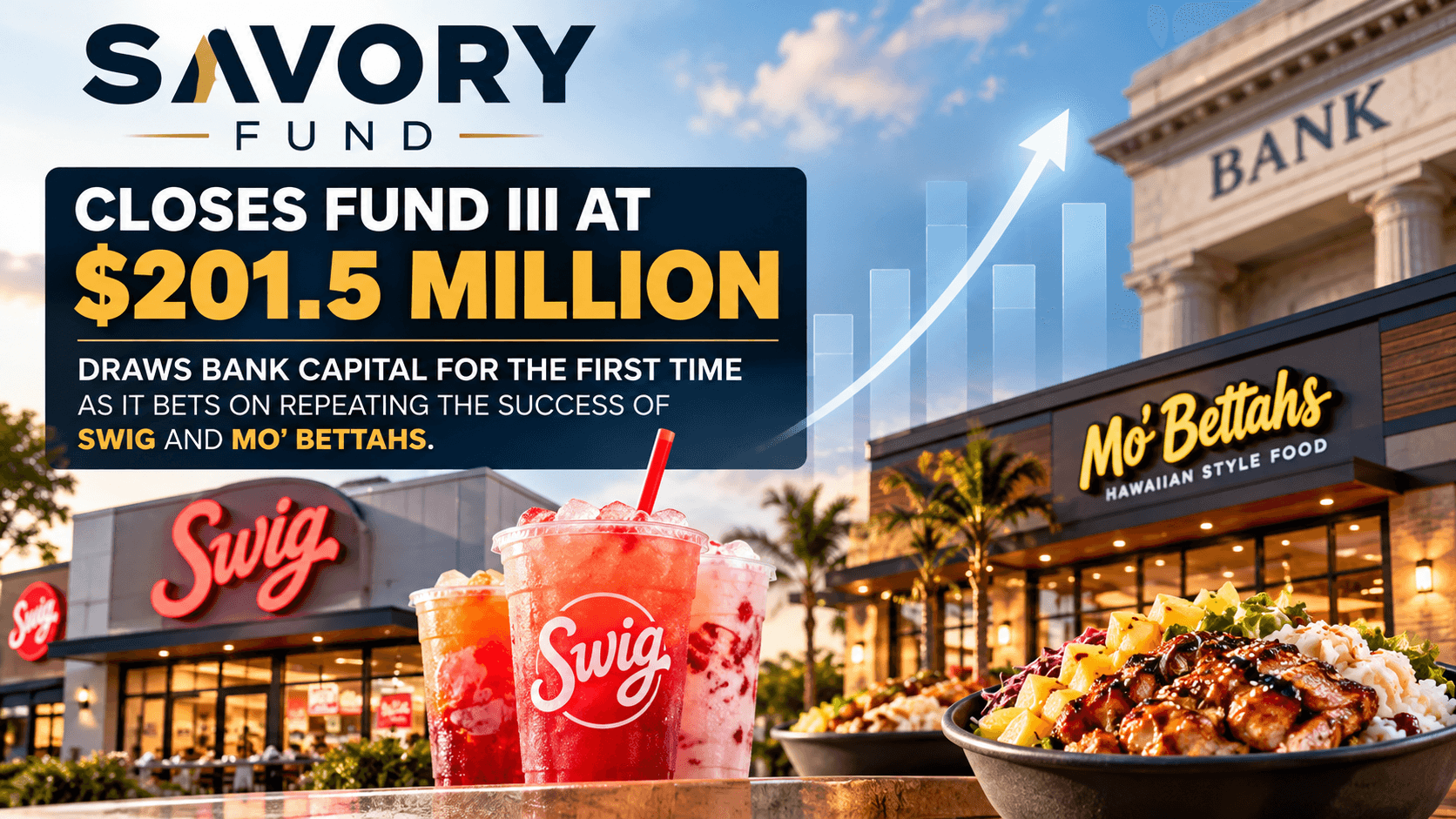
Savory Fund closes Fund III at $201.5 million, drawing bank capital for the first time as it bets on repeating the success of Swig and Mo' Bettahs.
Oct 13, 2026
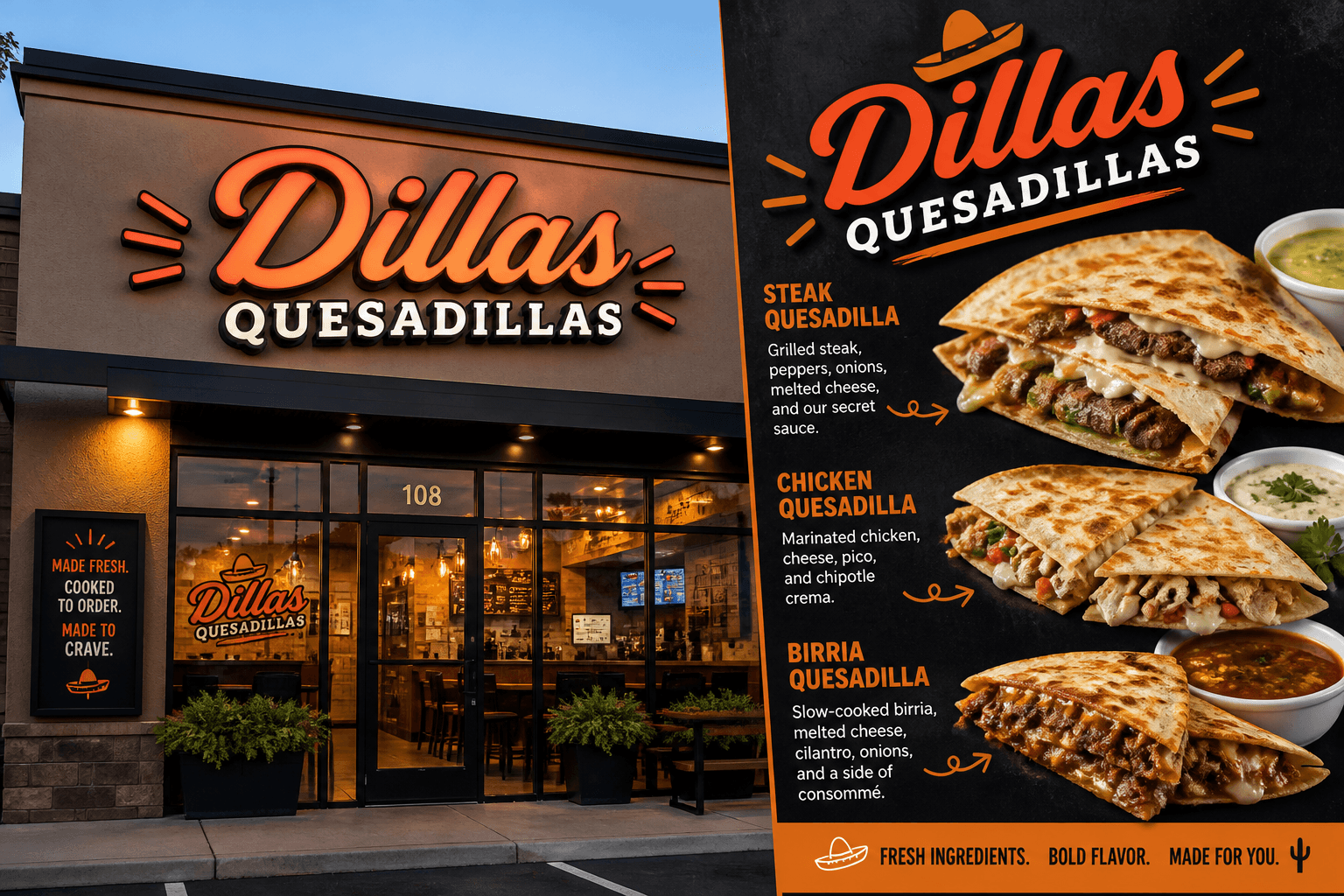
Dillas Quesadillas hires Michael Mabry as its first-ever COO to lead operations, marketing and franchise sales on the path to 50 locations by 2028.
Oct 13, 2026
Starbucks firmly denies rumors of a $50 billion Chipotle acquisition, shifting focus to its turnaround plan and upcoming Q4 earnings report.
Oct 12, 2026
September 2026 restaurant leadership changes highlight executive priorities around expansion, operations, franchising, technology, financial performance, customer engagement, and sustainable growth.
Oct 12, 2026
Learn how to calculate restaurant labor costs, determine labor cost percentages, account for payroll expenses, track spending, and improve profitability through smarter staffing decisions.
Oct 9, 2026
Unlock Exclusive Access To Webinars, Events, And The Latest News For Free!
Restaurants and grocers can reduce food costs and increase revenue by following a set of best practices. Here are the top tips to decrease food costs and prevent food waste.

56% Americans report eating out at least two to three times per week, while 6% say they eat out every day. With more people appreciating the perks of dining out, restaurants are seeing an uptick in customers. While this is good news, it does mean that restaurants need to order more ingredients from suppliers to accommodate the influx of customers. Over time, wholesale prices have continued to rise which increases the cost of food. Here are best ways to cut food costs, reduce food waste, and increase the bottom line.
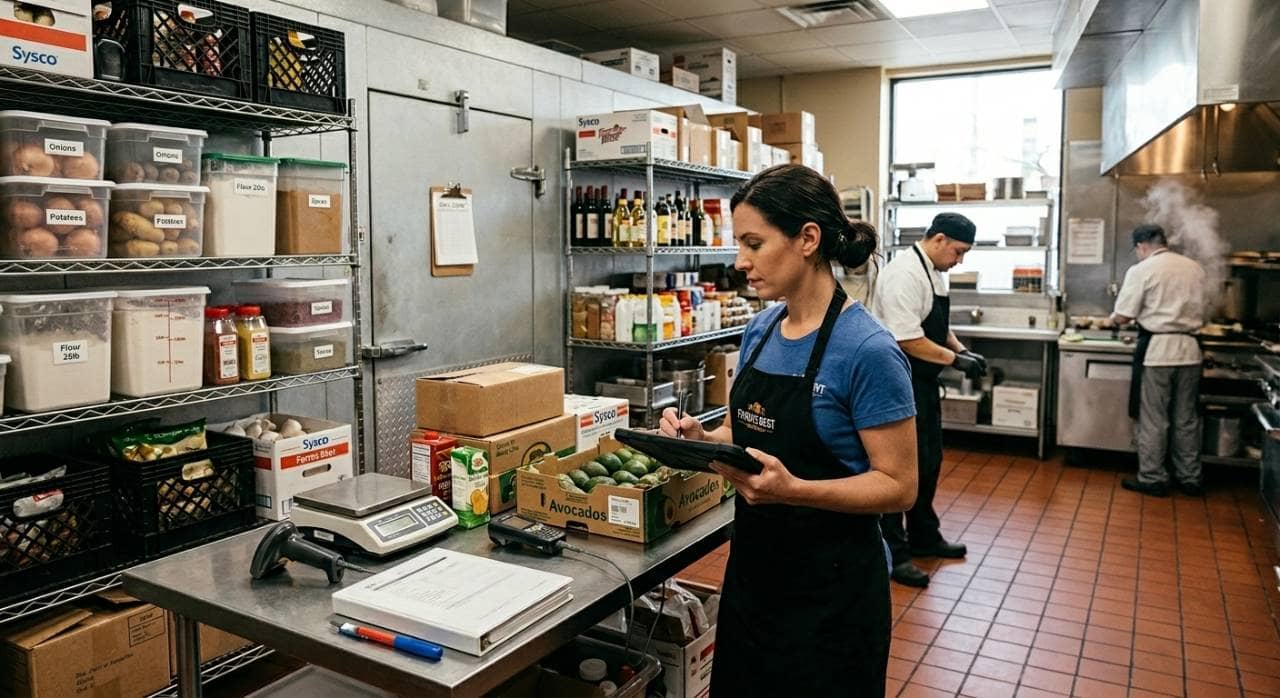
Check inventory once a week to know which ingredients and supplies are used the most. This will determine what necessities should be ordered more frequently than others. This can decrease the restaurant's overall food cost percentage and optimize inventory management.

A purchasing group consists of two or more restaurants that form a partnership to purchase supplies in bulk. A purchaseing group is a money saving method to acquire discounts for larger orders. This is an ideal way for restaurant business owners to compete with chains who have larger purchasing power.
When checking inventory, make sure to use a chart to maintain an accurate record of any food waste incidents. Write down any returned food, spilled food, burned food, and dishes that are half-eaten due to how large the portions are. This can be utilized as a learning tool so staff know to be more careful not to spill or burn food.

Utilize portion control, or the proper quantity of ingredients in preparing a dish. If standards have not already been set for portion control, make a point to do so. Watch for dishes that frequently come back with extra food left on them. Use any observations to adjust portion sizes in the future, like customers regularly asking for take-home boxes for certain dishes. Work with management to refine menu options and avoid offering too many dishes that are oversized.
Food prices tend to go up when an item is low in inventory. This can be a result of being out-of-season or due to unfavorable climate conditions. For example, a drought in California decreased the output of broccoli, tomatoes, and lettuce, resulting in a price increase for those vegetables. If ingredient prices are too high, temporarily remove the associating dish(es) from the menu until external conditions improve.

Putting in extra work to prepare food minimizes costs, maximizes usage, and decreases expenditures. For example, ask suppliers for bone-in chicken options instead of fillets. Though it takes more work to remove the bones and prep the chicken, it will save the restaurant money and reduce waste because fillets tend to be more expensive.
The USDA gives a food-grade to communicate the overall quality of items sent to restaurants The different food grades include prime, choice, good, standard, commercial, utility, cutter, and canner. Restaurants should decide which main ingredients can be purchased from a lower food grade. It is not always necessary to buy the highest grade for all ingredients.
Negotiate discounts with current suppliers or shop around for better pricing with another company. If the preferred choice is to stay with a certain supplier, then use the competitor's costs as leverage for a better rate.

Build business-to-business partnerships with local food suppliers. Local suppliers may be able to offer free delivery or discounted food prices if the restaurant, in turn, provides a worthwhile proposal, like free advertising. Seasonal produce will always be more inexpensive because in-season food is at the peak of its supply and is less costly to farmers. Continuously renewing the menu to include seasonal items will help reduce food costs and keep customers interested as new dishes appear on the menu.
Create a first in first out policy where any produce that goes into the refrigerator will be used in the order of the oldest ingredient first. This will maintain an efficient use of produce and will minimize waste.
Create a daily special if there is an oversupply of a particular item or ingredient that needs to be used before its expiration. This will encourage customers to try something new on the menu while reducing food waste.
Donating leftovers to a recognized charity is tax-deductible on an IRS income statement. Boost the restaurant's reputation and save money on tax bills by donating leftover restaurant food to a worthy cause. Having a socially-conscious and environmentally aware reputation will also attract new customers and build the restaurant's brand.
Utilize a restaurant management software system to streamline food business operations. Intuitive software works with various in-house restaurant technology systems to track and manage inventory. Many software systems can integrate with mobile devices so managers can connect with suppliers and manage food waste incidents conveniently from anywhere.

Price menu items reasonably so customers will be more apt to return. This will help offset any costs from food waste incidents, so the restaurant can still make a profit. Here are some considerations when pricing menu items-