
California Penalizes Dickey's for Franchise Disclosure Violations
California shifts to public enforcement strategy against Dickey's for deceptive franchise disclosures, signaling stricter state-level franchise oversight.
Franchising
Sep 10, 2026
California shifts to public enforcement strategy against Dickey's for deceptive franchise disclosures, signaling stricter state-level franchise oversight.
Sep 10, 2026
Paul Brown temporarily steps away from Inspire Brands as Scott Murphy assumes interim CEO role during confidential IPO filing process targeting late 2026.
Sep 10, 2026
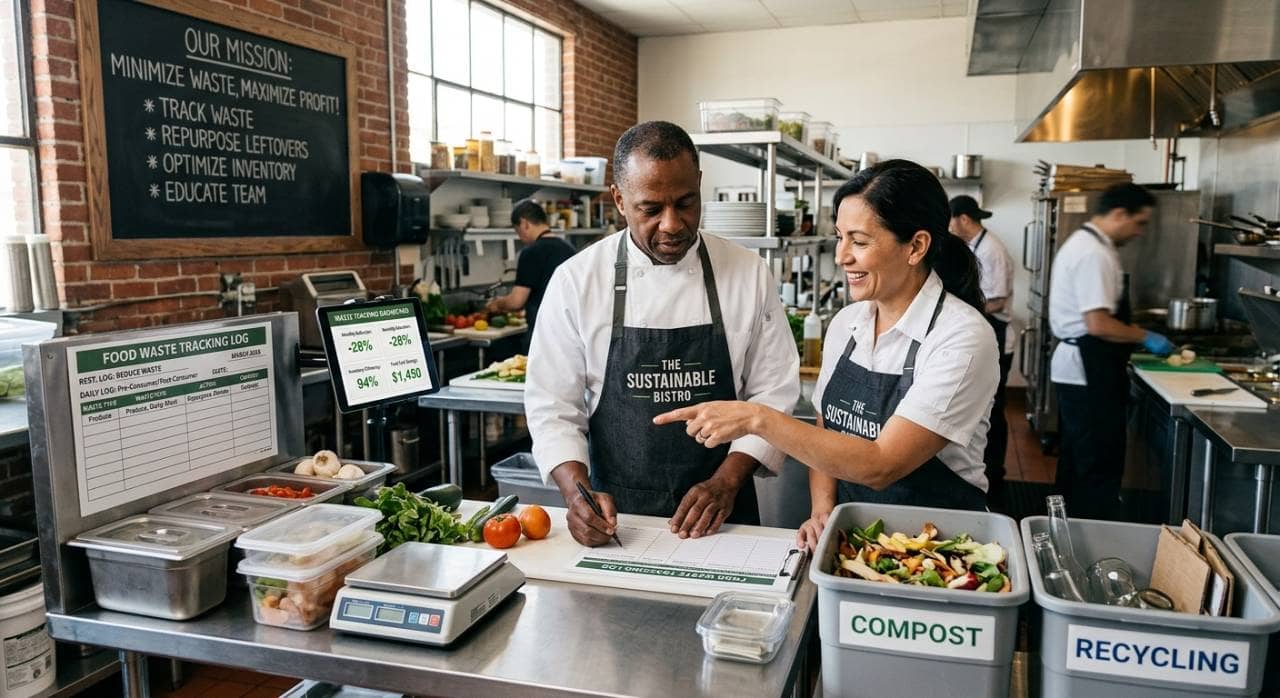
Learn how to reduce food waste in restaurants through smarter purchasing, storage, preparation, and service strategies that cut costs.
Sep 9, 2026
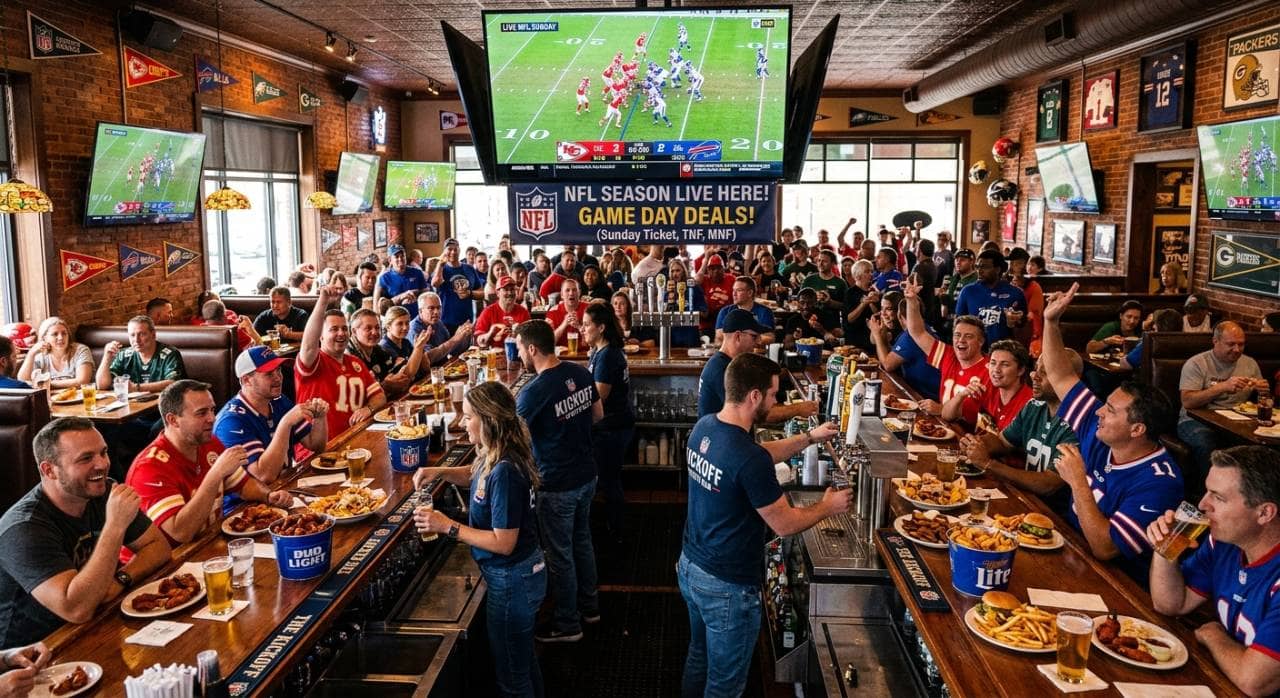
Prepare your restaurant for NFL season with smart menu planning, staffing, marketing, technology, and atmosphere strategies that boost season-long revenue.
Sep 9, 2026
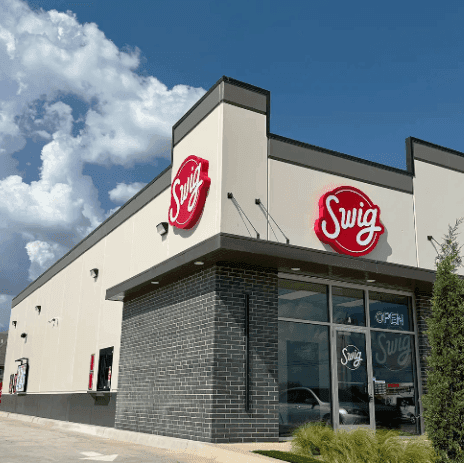
Swig signs franchise agreement for 11 South Denver locations, marking Colorado entry and validating its national expansion strategy.
Sep 8, 2026
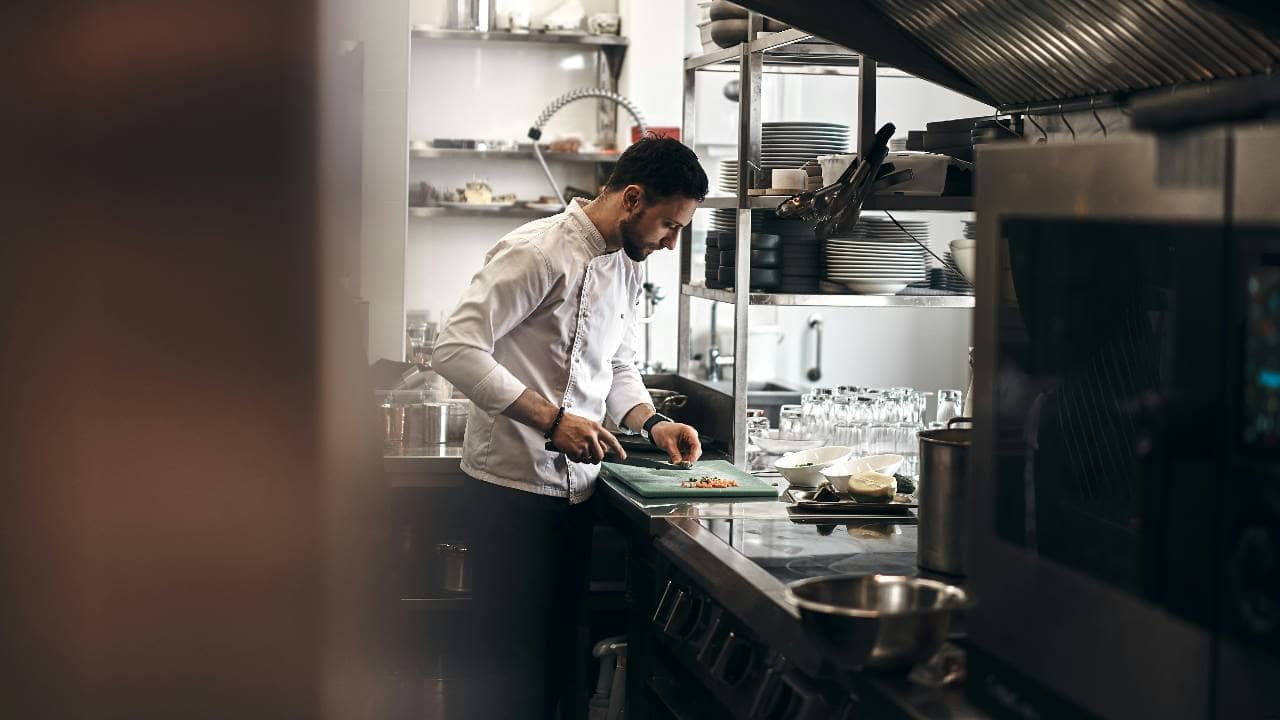
Complete guide helping restaurant owners choose essential kitchen equipment - covering cooking, refrigeration, prep, sanitation, ventilation, safety, and long-term maintenance planning.
Sep 7, 2026
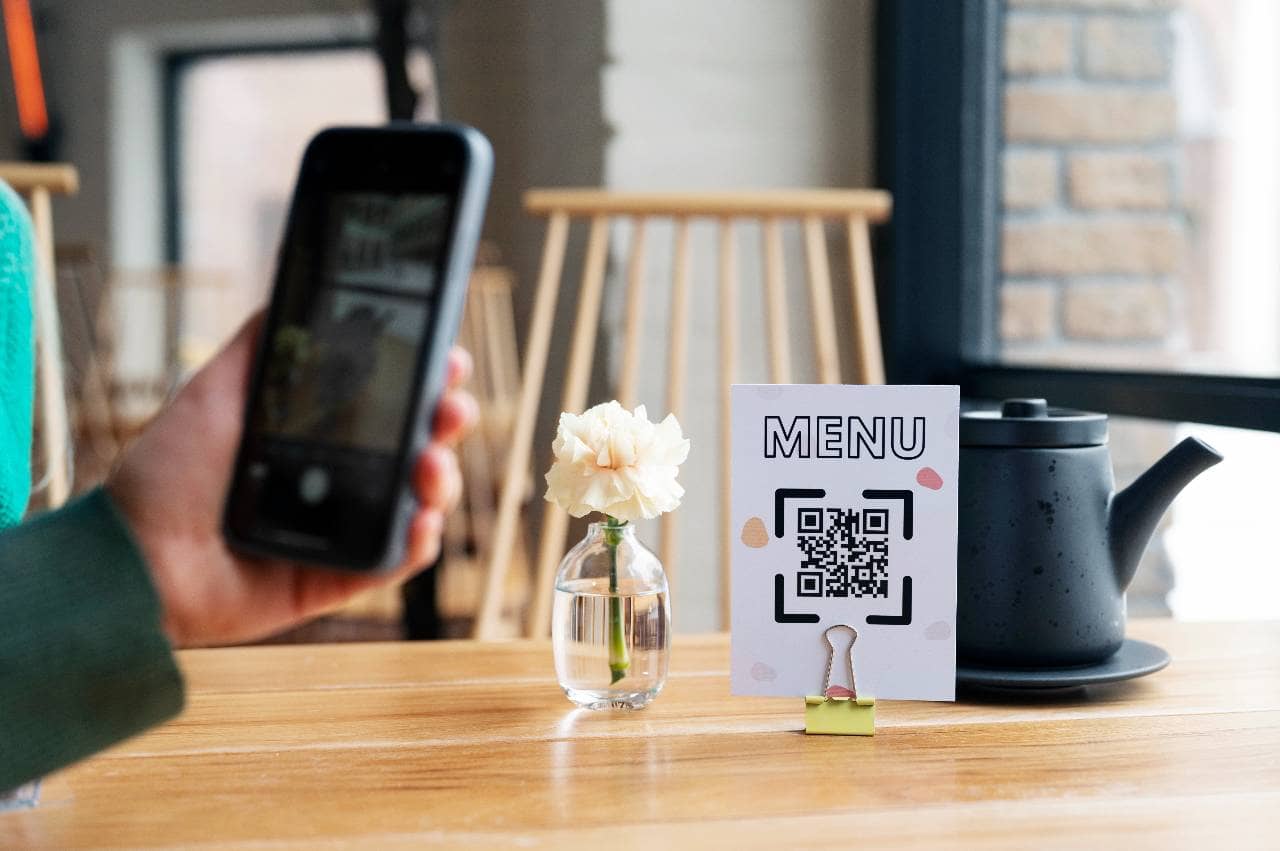
QR code menus let restaurants replace paper menus digitally, enabling instant updates, contactless browsing, ordering, and payment through simple smartphone scanning.
Sep 7, 2026

Avoiding common restaurant payroll mistakes - misclassification, tip credit errors, overtime miscalculations - protects businesses from costly penalties, back pay, and compliance risks.
Sep 4, 2026
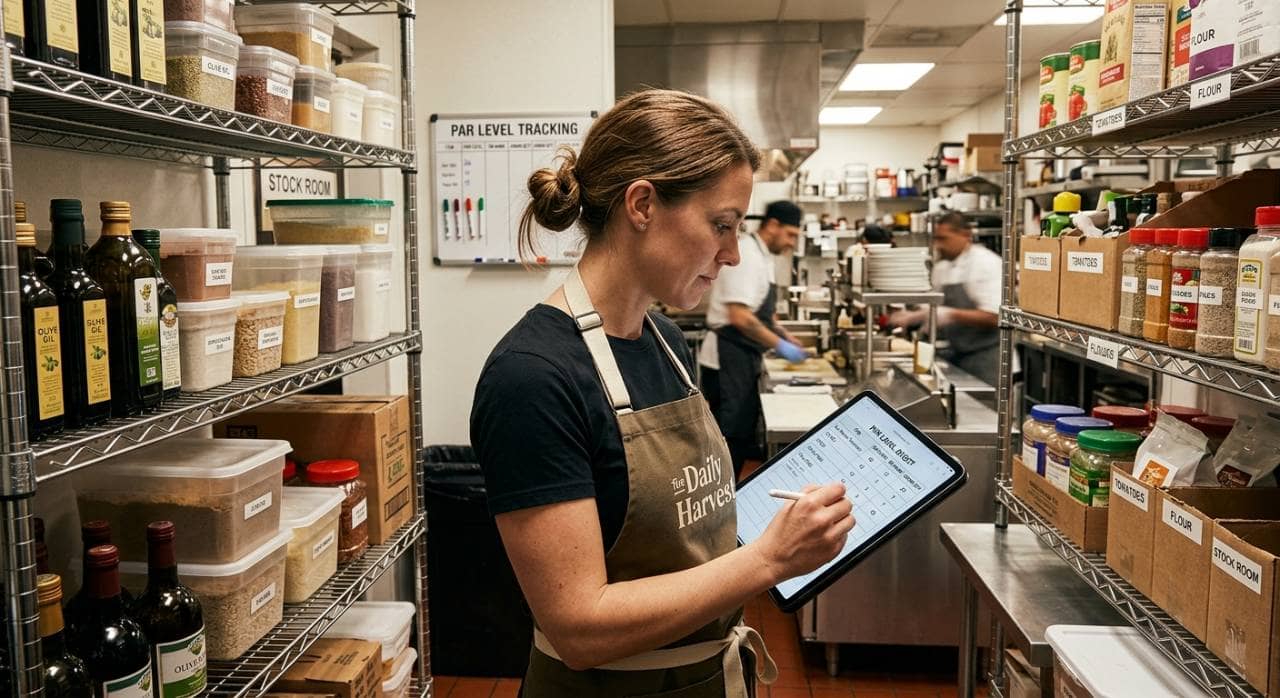
Learn to calculate par levels for restaurant food, beverages, and packaging inventory, preventing stockouts and waste through proper formulas.
Sep 4, 2026
Caribou Coffee appoints Zane Thomas-Rogers as Chief Operations Officer to strengthen execution across its expanding coffeehouse network.
Sep 4, 2026

Unlock Exclusive Access To Webinars, Events, And The Latest News For Free!
A warm, expert look at how real-time accounting links sales, payroll, and inventory to protect margins in modern restaurants.

Photo by Cht Gsml
Morning in a bustling kitchen carries a soft, patient hum, the clatter of pans, the hiss of the grill, and the quiet glow of screens. Behind it all, the ledger is a living thing, shifting with every sale, every receipt, every tip that lands on the payroll. When teams lean into this living picture, service feels steadier, the room more welcoming, as if the café itself exhaled and settled into a gentle rhythm. In practice, this is powered by QuickBooks Online, a cloud-based hub that binds sales, payroll, and inventory into one auditable stream.
But how does it translate to daily discipline in a busy service window?
This living ledger is designed to be more than a ledger. It stitches together Sales, Payroll, Inventory, and Expenses in real time, so managers glimpse a cohesive picture as the dining room lights change. Industry insights lean on the idea that labor costs now claim a substantial share of sales, underscoring why timely insight is not a luxury but a necessity for protecting margins and resilience. The trend line favors integrated dashboards, end-of-shift reconciliations, and forecasting that helps kitchens stay ready for what comes next.
Perishables are the quiet heartbeat of a restaurant's economics. The moment a head of lettuce wilts on the shelf, the math shifts: inventory carrying costs rise, spoilage grows, and the gap between what you buy and what you sell narrows. The framework, from FIFO to COGS, shapes reported profitability and tax exposure. The EOQ model helps balance ordering costs with carrying costs, guiding decisions so kitchens avoid waste while staying responsive to demand. In practice, operators lean on integrated systems that connect purchasing, receiving, and cost allocation to surface variances quickly and guide menu thinking.
In this environment, the math is not theoretical. The EOQ framework, when paired with swift data flows, helps operators balance ordering costs with carrying costs to avoid waste from overstocking and shortages during surges. Integrated systems surface variances quickly, guiding menu engineering decisions and supporting scenario planning that helps teams weather price and demand swings. The point is not to chase perfection but to stay agile through clearer cost signals and timely adjustments.
Daily bookkeeping in a restaurant hinges on capturing fast-changing sales by payment type, revenue category, and sales channel, followed by timely end-of-shift reconciliation to ensure POS totals align with cash on hand and expected card deposits. The routine also logs voids, refunds, and discounts with detailed audit trails that include user, amount, time, and reason for each adjustment. Expense recording is a constant, reflecting ongoing outflows for ingredients, supplies, repairs, utilities, and petty cash. In this framework, QuickBooks Online acts as the central hub by importing daily transactions, linking to vendor payables, and supporting cost-of-goods-sold calculations. The cloud-based nature of QBO enables managers to review dashboards, approve bills, and monitor reports from anywhere, reinforcing internal controls through role-based permissions and real-time visibility.
As a practical corollary, many operators pair QBO with dedicated restaurant inventory platforms to capture recipe-level deductions and batch-level lot tracking for compliance, while dashboards surface variances that warrant attention. The result is a workflow that keeps procurement honest, payroll aligned, and margins within reach, no small feat in a service industry that runs on speed and hospitality.

Operational teams are continually analyzing the cost mosaic, labor, food, and overhead, through the lens of real-time data. Industry surveys quantify the labor share of sales in the mid-30s percentile, with salaries and wages (including benefits) representing a median 36.5% of sales in 2024. This is why operators insist on precise time-tracking, tip handling, and overtime calculations, all of which integrate with payroll modules and financial reporting. Market observers remind us that rising food costs, energy, and insurance require disciplined controls and smarter procurement to keep margins intact.
The data story is not just about numbers; it is a map to resilience. When costs swing, the real-time picture helps leadership steer toward tighter time tracking, prudent menu adjustments, and smarter supplier terms. In a climate where volatility persists across inputs, from ingredients to insurance, the ability to see and act in real time gives hospitality teams a steadier footing and a calmer mood in the dining room.

Industry platforms now bridge core operations with financial outputs, offering a practical antidote to complexity. MarketMan markets a restaurant-focused inventory and vendor-management solution that integrates with QuickBooks Online, helping teams log the most current expenses and improve cost visibility. In parallel, Restaurant365 and related platforms publish midyear and annual reports showing a rising focus on food- and labor-cost controls, inventory integrity, and procurement discipline. The goal remains the same: two-way data flows, POS totals, vendor invoices, and payroll feeds, so managers verify every dollar and align spending with forecasting.
These ecosystems empower operators to surface exceptions, manage working capital, and optimize vendor terms in a single, connected workflow. In parallel, industry observers point to rising attention on procurement discipline and continuous improvement as the backbone of sustainability, even as growth resumes. The takeaway is clear: smarter, not bigger, is the path to resilience.
