
California Penalizes Dickey's for Franchise Disclosure Violations
California shifts to public enforcement strategy against Dickey's for deceptive franchise disclosures, signaling stricter state-level franchise oversight.
Franchising
Sep 10, 2026
California shifts to public enforcement strategy against Dickey's for deceptive franchise disclosures, signaling stricter state-level franchise oversight.
Sep 10, 2026
Paul Brown temporarily steps away from Inspire Brands as Scott Murphy assumes interim CEO role during confidential IPO filing process targeting late 2026.
Sep 10, 2026
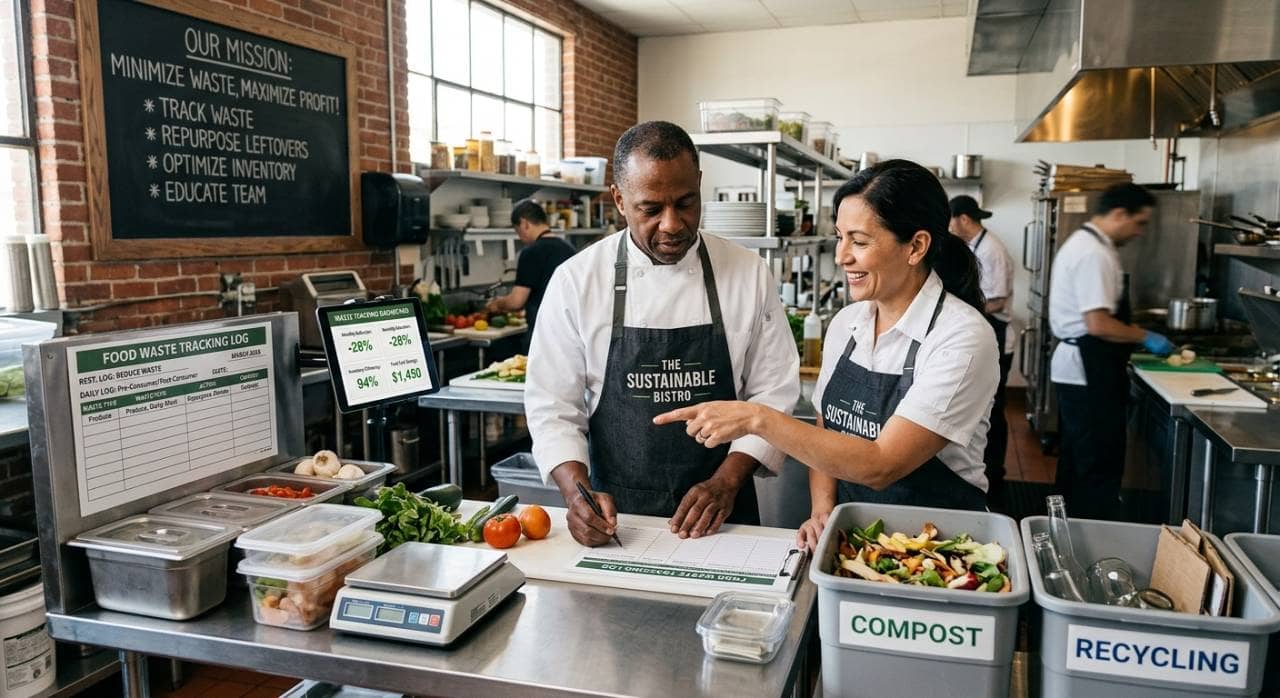
Learn how to reduce food waste in restaurants through smarter purchasing, storage, preparation, and service strategies that cut costs.
Sep 9, 2026
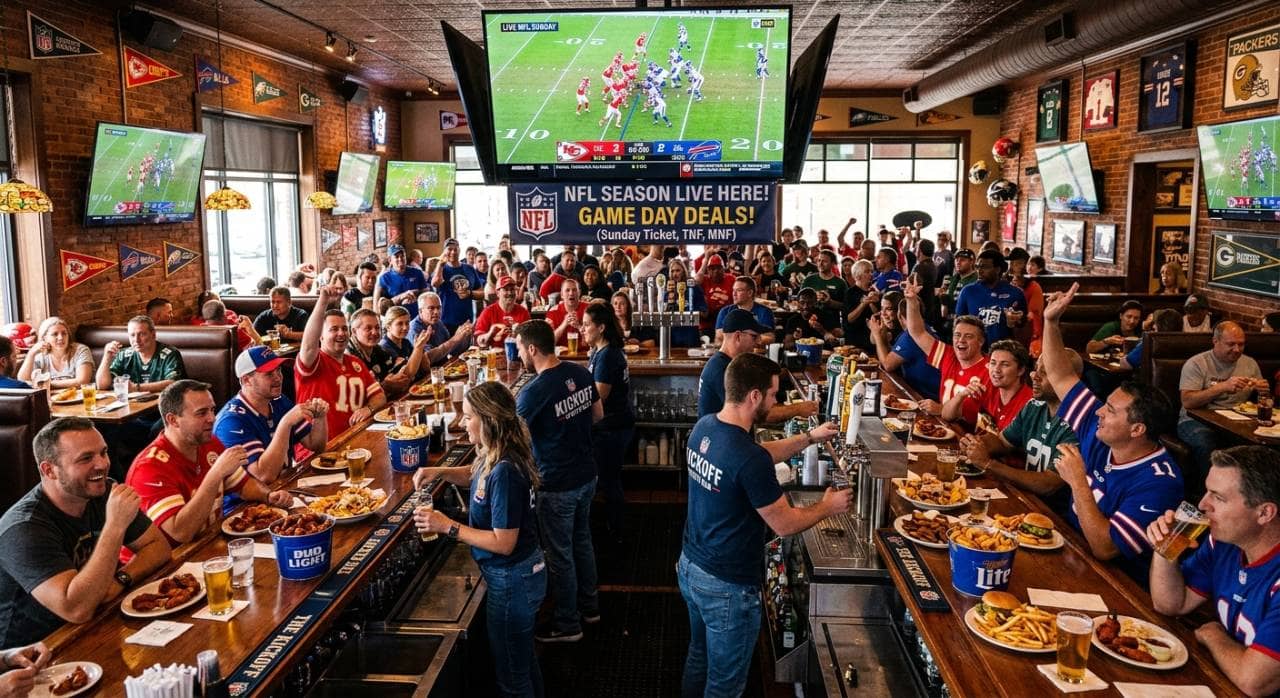
Prepare your restaurant for NFL season with smart menu planning, staffing, marketing, technology, and atmosphere strategies that boost season-long revenue.
Sep 9, 2026
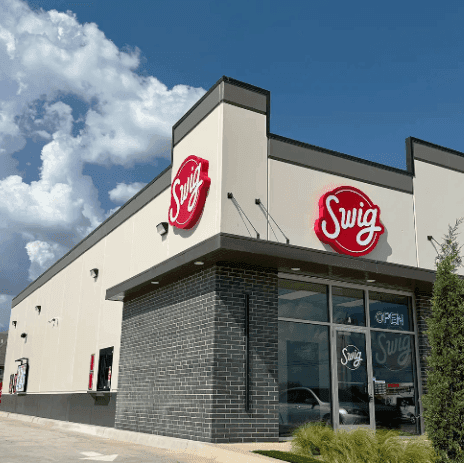
Swig signs franchise agreement for 11 South Denver locations, marking Colorado entry and validating its national expansion strategy.
Sep 8, 2026
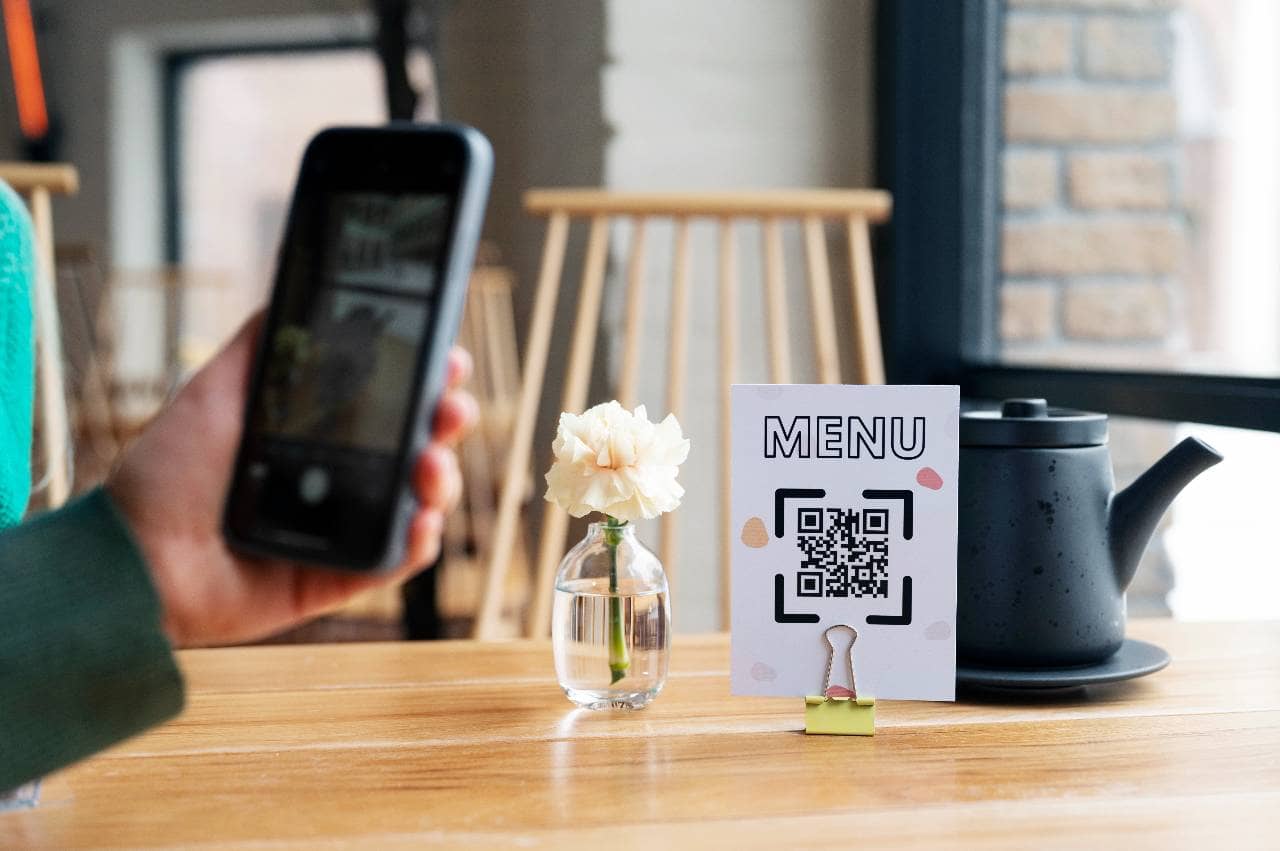
QR code menus let restaurants replace paper menus digitally, enabling instant updates, contactless browsing, ordering, and payment through simple smartphone scanning.
Sep 7, 2026
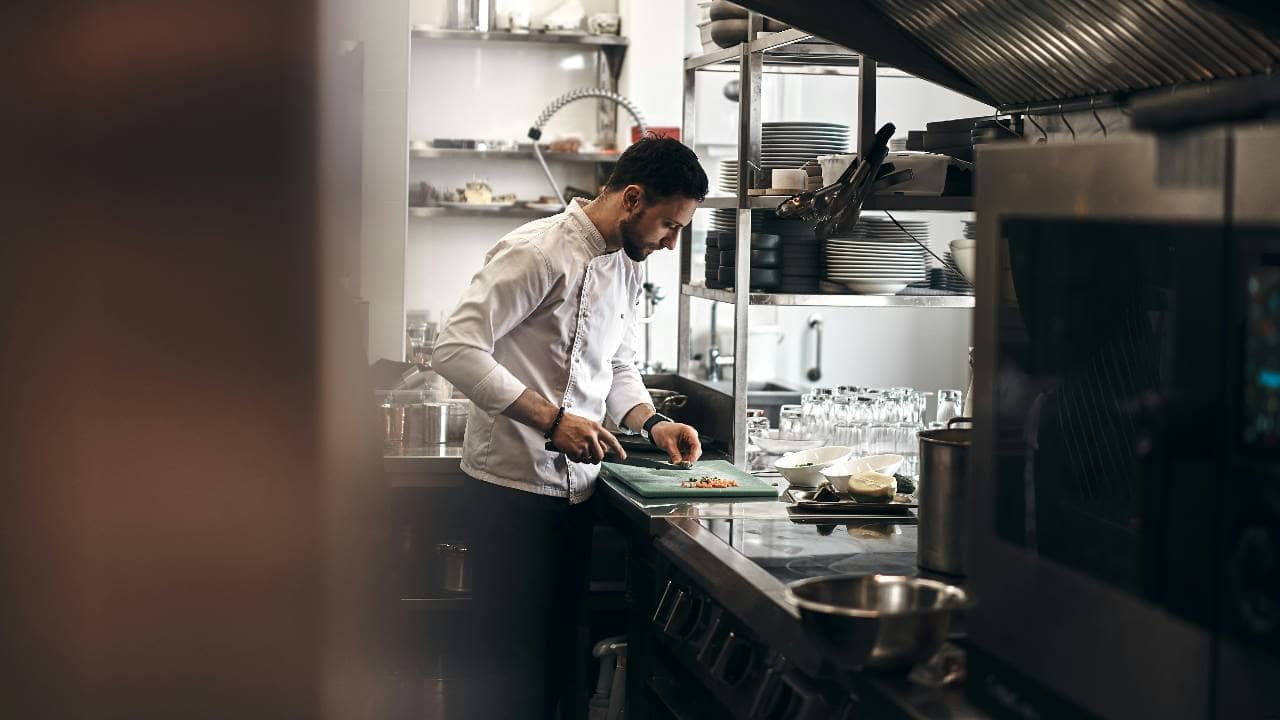
Complete guide helping restaurant owners choose essential kitchen equipment - covering cooking, refrigeration, prep, sanitation, ventilation, safety, and long-term maintenance planning.
Sep 7, 2026

Avoiding common restaurant payroll mistakes - misclassification, tip credit errors, overtime miscalculations - protects businesses from costly penalties, back pay, and compliance risks.
Sep 4, 2026
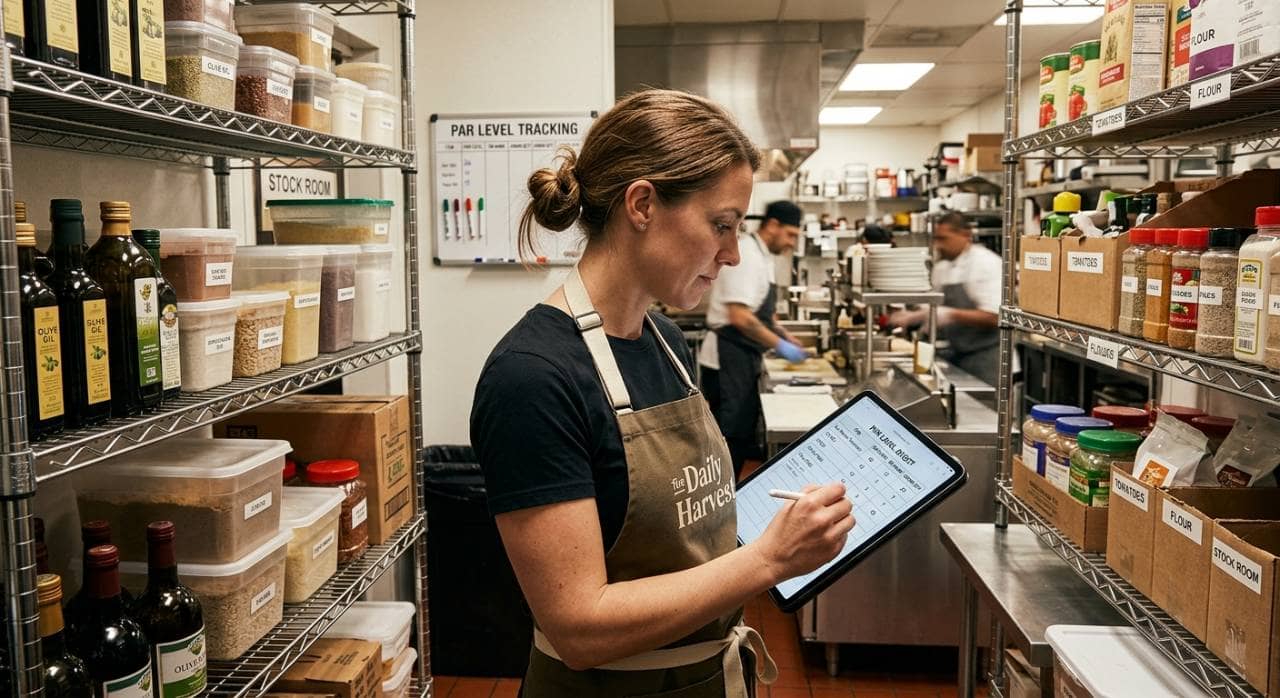
Learn to calculate par levels for restaurant food, beverages, and packaging inventory, preventing stockouts and waste through proper formulas.
Sep 4, 2026
Caribou Coffee appoints Zane Thomas-Rogers as Chief Operations Officer to strengthen execution across its expanding coffeehouse network.
Sep 4, 2026

Unlock Exclusive Access To Webinars, Events, And The Latest News For Free!
Shake Shack leans into loyalty as it scales digital reach and leadership, blending Enlightened Hospitality with a data-driven growth plan.

Photo by Studio Crevettes
Shake Shack enters the next chapter with momentum in hand and a conspicuous gap on the roadmap. The quarter didn’t stall growth; it reinforced a pattern of expansion while the brand still lacked a formal loyalty platform. Leadership has been blunt: to convert gains into durable loyalty, the company must codify a program that mirrors its Enlightened Hospitality in the digital realm. “I can't help but find that a bit ironic, given that Shake Shack was built on the principles and culture of Enlightened Hospitality, where understanding the wants and needs of our guest is paramount.” Lynch notes the irony, but he also frames the opportunity as real: “We have an outsized opportunity to deliver Enlightened Hospitality in a world that increasingly craves it, but across a digital footprint.” The path forward is to invest in 2025 to lay the groundwork for a comprehensive loyalty platform, while the current quarter confirms a steady pace: 4.4% same-store sales growth, $495.1 million in systemwide sales (up 12.8% YoY), and a modest 0.3% uptick in traffic.
Digital upgrade is not a gimmick; it’s the mechanism to translate hospitality into a personalized guest experience. The company argues the growth you see in the stores must be amplified online, without losing the human touch that defines the brand. The coming year is about building the foundation, technology, data, and process, so, when the loyalty platform lands, it can deliver actual value: tailored offers, faster service, and clearer guest insights. This is less about flashy features and more about a disciplined upgrade to the guest relationship, across channels and touchpoints.
Enlightened Hospitality remains the compass for Shake Shack’s long arc, and the company is betting that this legacy can travel beyond the dining room into the digital footprint. Industry observers, including Bloomberg, describe Meyer’s ethos as the engine of sustainable growth through service standards that translate into consistent hospitality across digital channels. The absence of a loyalty program, in this view, stands out as a strategic gap at a moment when retention is a premium in fast casual. Shake Shack is betting that culture paired with data-driven engagement will close that gap.
“I can't help but find that a bit ironic, given that Shake Shack was built on the principles and culture of Enlightened Hospitality, where understanding the wants and needs of our guest is paramount.” “We have an outsized opportunity to deliver Enlightened Hospitality in a world that increasingly craves it, but across a digital footprint.” Lynch explains how the brand plans to extend its hospitality through technology while keeping the guest at the center. The narrative isn’t about discarding tradition; it’s about expanding it into profiles, preferences, and timely interactions that respect the guest’s time and taste.
Openings and closures continue to shape Shake Shack’s growth trajectory. In the third quarter, the company opened 17 new restaurants, split between eight company‑owned and nine licensed locations, while pruning nine underperforming units as part of a pre‑announced strategic course. The result was a quarterly net loss of $10.2 million, or 26 cents per share, even as margins rose by 60 basis points thanks to faster service, streamlined processes, and more rigorous training that boosts guest satisfaction and shortens wait times. Looking forward, Shake Shack targets roughly 75 openings this year and 80–85 next year, with around 45 of those being company‑owned. The gains depend on a stronger leadership bench through expanded GM and sub‑GM training.
- 75 openings this year
- 80–85 openings next year
- 45 company‑owned locations
These targets hinge on leadership development, especially at the GM and sub‑GM levels, and on a disciplined approach to scaling routines that keep service fast and guests satisfied.
Promotions have been central to keeping the brand in motion between menu refreshes. May brought two new barbecue burgers with distinctive sauces, while September saw a return of the truffle menu to inject variety and spark curiosity. The brand also leaned into chicken‑forward tactics with Chicken Sundays, a four‑week promotion that offered a free Chicken Shack sandwich with any $10 purchase on days Chick‑fil‑A is closed. Lynch describes the initiative as a success in the short term and, more importantly, a longer‑term boost to chicken awareness.
Chicken Sundays have been a solid sales contributor in the short term, but more critically, they’ve raised overall chicken awareness, a metric that Shake Shack expects to lift chicken sales well beyond the promotion. Additional campaigns, Free Shake Fridays and Dog Days of Summer, offered giveaways with a $10 purchase and helped attract new and repeat guests. The leadership line is simple: marketing will continue to invest in programs that drive guest acquisition and foster ongoing engagement as the loyalty framework takes shape.
October momentum kept the narrative alive, with same‑store sales up 4.5% while traffic remained flat. In the year ahead, CFO Katie Fogertey emphasized a balanced path, continuing investments in people, brand initiatives, and digital capabilities while maintaining the discipline needed to improve profitability. The plan centers on a scalable leadership bench and faster service, with a dedicated loyalty platform positioned to unlock deeper guest insights and personalized offers across channels.
The broader fiscal narrative at Shake Shack is a long‑term growth plan that ties speed of service, guest satisfaction, and a scalable leadership bench to a future where a loyalty platform could unlock deeper guest insights and more personalized offers. The message from the finance team is clear: build the digital backbone now, so the brand can reap the dividends of retention later.
Industry context shows loyalty bets moving to the center of growth strategy. CNBC highlights fast‑casual brands leaning on loyalty programs to offset soft spending and lift repeat visits, with chains like Potbelly pointing to digital mix and loyalty as meaningful sales drivers. Bloomberg notes Shake Shack’s foray into loyalty as part of a broader push into digital commerce, while Axios and others map an industry‑wide arms race toward personalization, app engagement, and occasional perks to deepen guest relationships. The trend is clear: loyalty is now a core growth engine.
“Loyalty programs are increasingly treated as a core growth engine, with brands pursuing personalization, app engagement, and occasional strategic perks to deepen guest relationships.” The industry view is that digital engagement and retention are inseparable from unit economics and openings, a shift Shake Shack is trying to translate into its own leadership‑driven playbook. The takeaway is practical: success hinges on how well hospitality culture travels through data, not just how many doors open.

Gaps and risks loom around the loyalty initiative and broader digital transformation. Shake Shack signals a multi‑year investment to scale core technology, AI capabilities, and digital platforms, a mission that must weave through point‑of‑sale and kitchen systems while maintaining robust data privacy protections. Project Catalyst is pitched as the accelerant on the road to 1,500 company‑operated Shacks, with careful disclosures about timelines, costs, and vendor performance. Industry watchers warn that loyalty programs shorten payback but demand rigorous execution to avoid margin erosion or guest confusion during transition.
The caution is real: loyalty investments can compress margins if not carefully designed, and guests can be overwhelmed by transitions. Shake Shack’s risk disclosures around vendor performance and cybersecurity echo a wider industry pattern. Yet the upside remains tangible if the loyalty engine delivers precise targeting, faster service, and meaningful rewards that convert visits into predictable growth over time.
