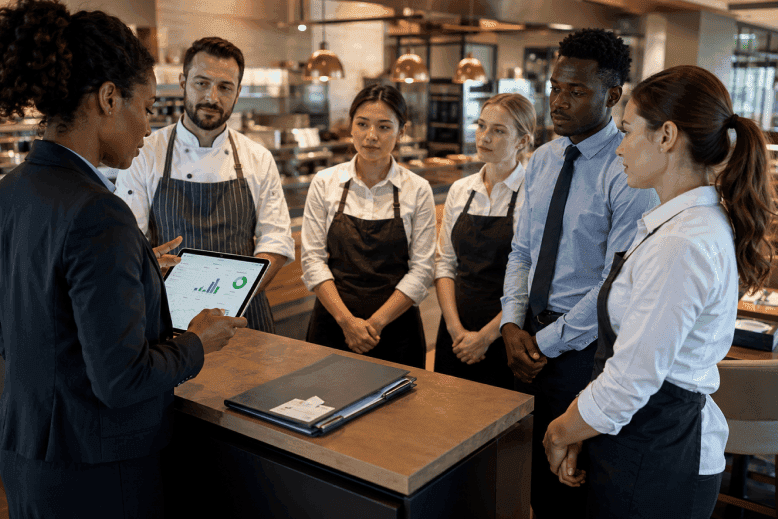
Summer 2026 Restaurant Labor Law Updates
Stay compliant with key restaurant labor regulations in Summer 2026, including minimum wage increases, scheduling laws, and retirement requirements.
business management
Jul 24, 2026
Stay compliant with key restaurant labor regulations in Summer 2026, including minimum wage increases, scheduling laws, and retirement requirements.
Jul 24, 2026
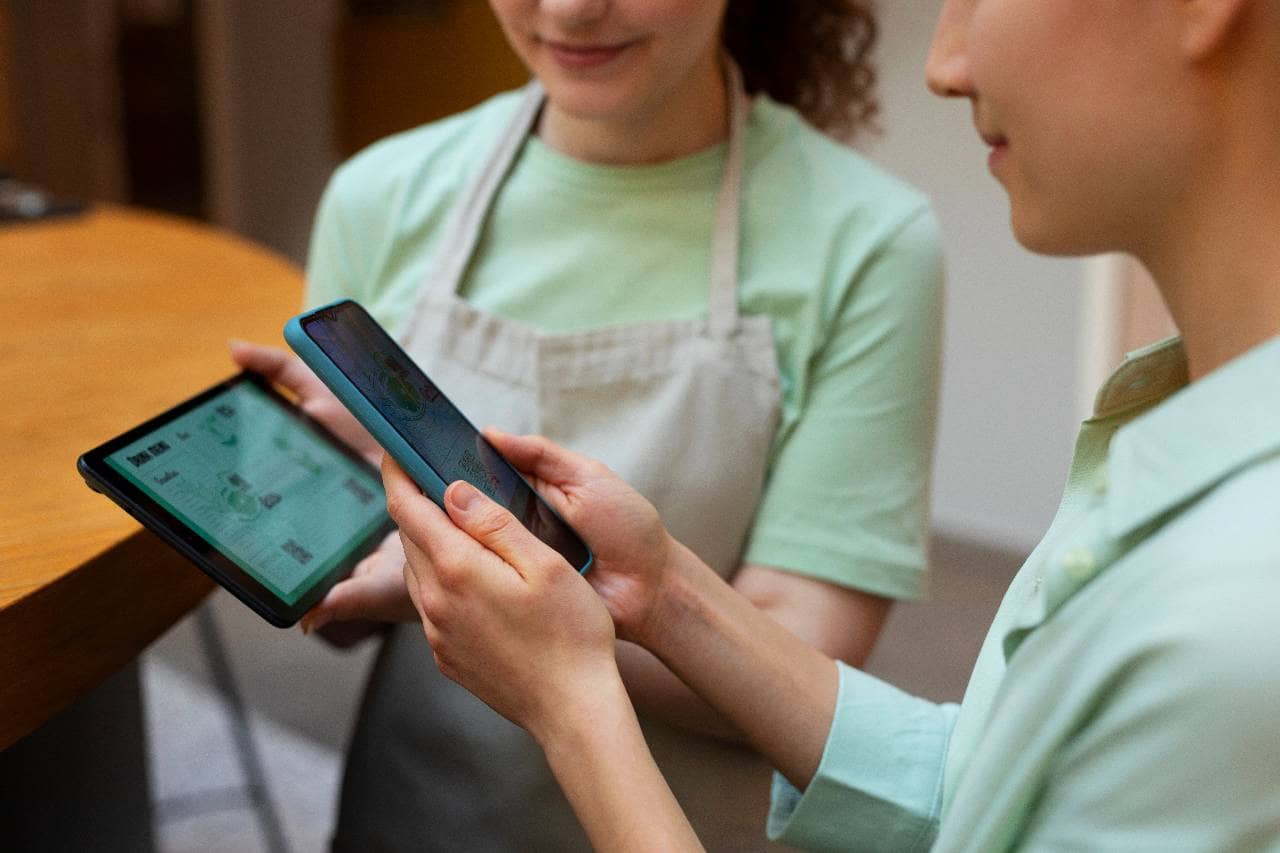
Discover how restaurant apps help owners manage labor, payroll, inventory, food safety, reporting, and back-office operations more efficiently every day.
Jul 24, 2026
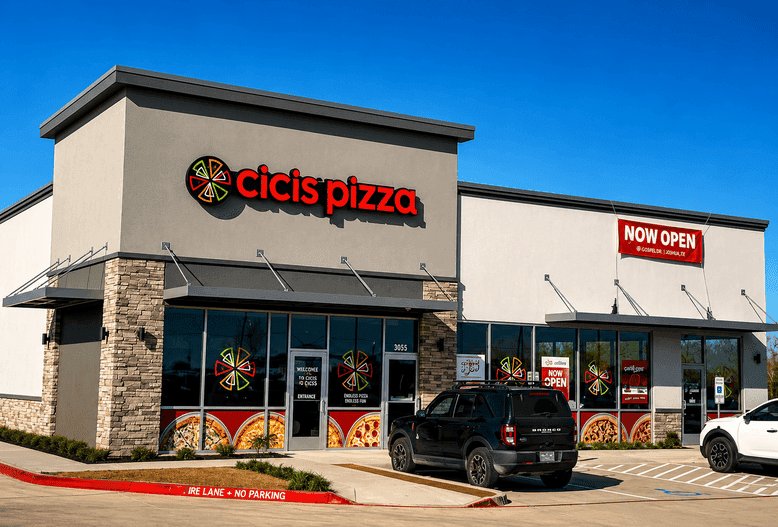
Cicis Pizza’s systemwide sales have surged over 50%, fueled by digital innovation, modern operations, and a revamped franchise strategy. Learn what restaurant owners can take away from Cicis’ transformation.
Jul 24, 2026
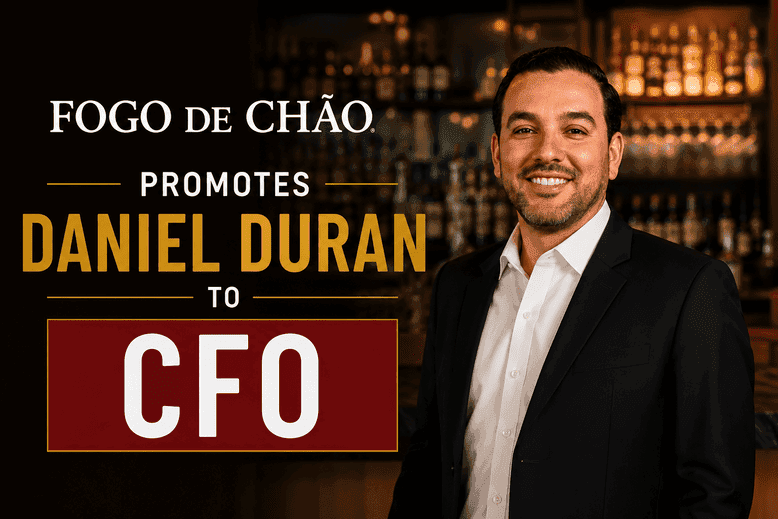
Fogo de Chão has announced Daniel Duran as its new CFO, marking a strategic leadership transition designed to enhance global growth and financial innovation for the renowned restaurant brand.
Jul 24, 2026

Learn how to calculate, benchmark, track, and improve restaurant payroll percentage while balancing staffing costs, sales, service, and profitability effectively.
Jul 24, 2026
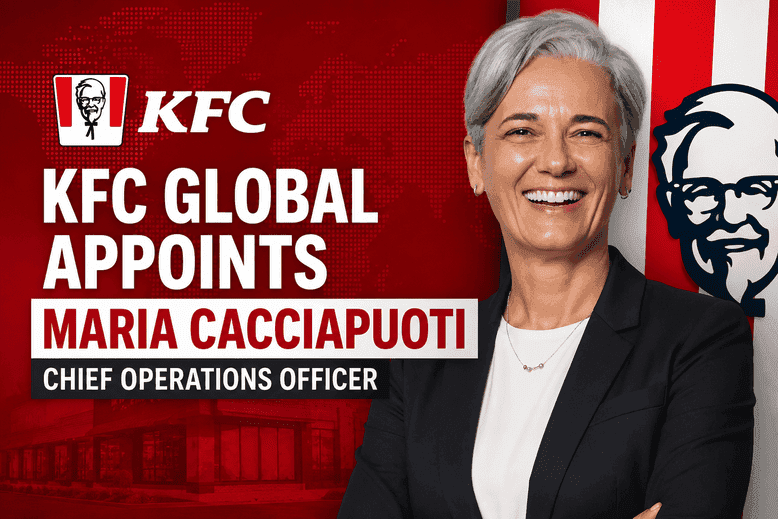
KFC Global has selected experienced leader Maria Cacciapuoti as its new Chief Operations Officer. Discover how her extensive expertise will help shape KFC’s global operations and franchise partnerships.
Jul 23, 2026
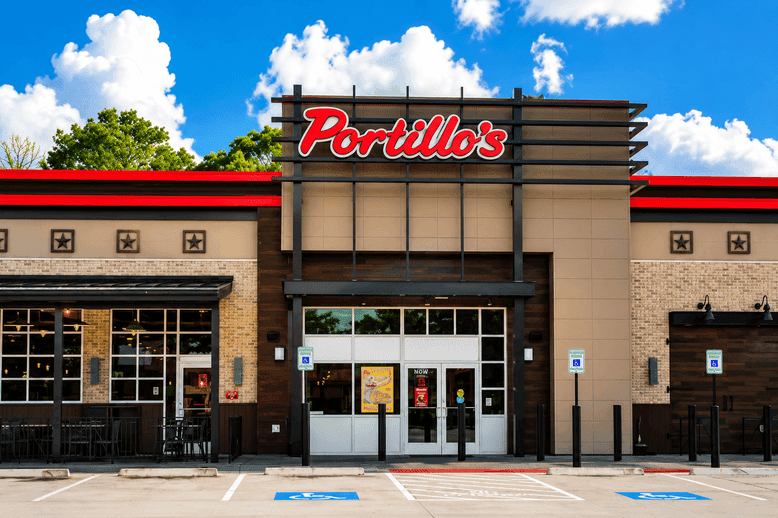
Portillo’s welcomes industry veteran Christopher Hansen as Executive Chef and Senior Director of Culinary Innovation to steer menu strategy and fuel national growth.
Jul 23, 2026
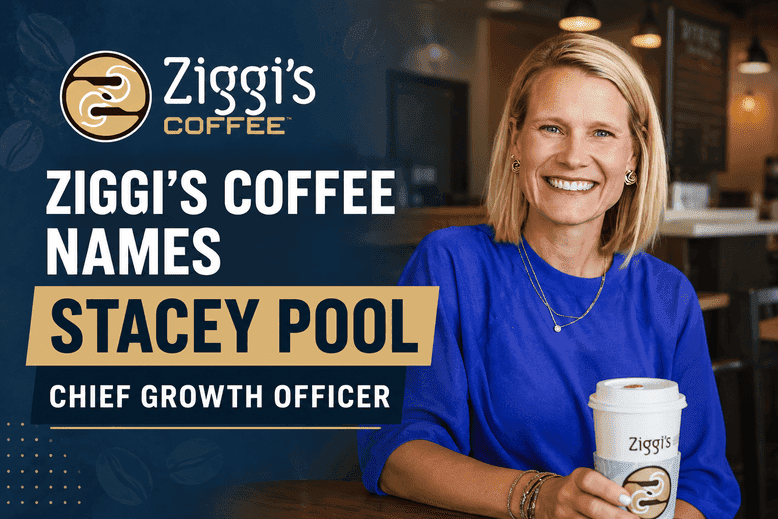
Ziggi’s Coffee welcomes Stacey Pool as Chief Growth Officer to spearhead national expansion and enhance franchise profitability as the brand celebrates a decade of franchising success.
Jul 23, 2026

Cinnabon grows 30% in U.S. units, adding 308 net stores as flexible formats expand into travel centers and convenience; 95 more openings forecast and 359 in pipeline.
Jul 22, 2026

QDOBA targets 2,000 restaurants in 10 years, powered by franchising and recent securitizations, aiming for $5B sales, $2.7M AUV, and 28% margins.
Jul 22, 2026
Shake Shack accelerates growth by speed, drive-thru expansion, and pricing discipline to protect margins, backed by leadership changes and a loyalty push.
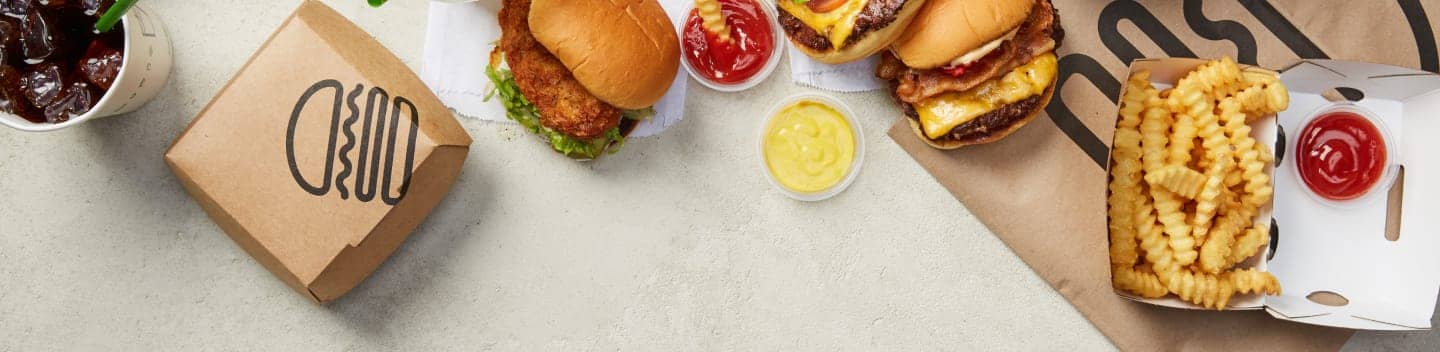
Shake Shack began as a park-side project with a purpose-built playbook: hospitality, quality, and a lean operating rhythm that could scale without losing its edge. The story isn’t nostalgia, it’s a blueprint. The brand is translating that DNA into new markets outside Madison Square Park while preserving the discipline that made it possible: quick service that never sacrifices the made-to-order standard. The park-origin mindset remains the operating heartbeat as the company extends its footprint into suburban formats and multi-channel paths, never forgetting the care that delivered a loyal following.
The park roots inform not just the menu, but the operating tempo. As Shake Shack scales beyond New York, the brand leans on the same hospitality and efficiency that defined its first days. Throughput, guest experience, and disciplined cost control become the backbone of expansion, with drive-thru and digital channels acting as multipliers rather than distractions. It’s not a rewrite of the playbook; it’s the same playbook applied at a bigger scale.
That historic frame, quality first, service fast, hospitality intact, now negotiates a broader geography. The park-origin story isn’t marketing fluff; it’s the model Shake Shack is trying to replicate when it opens new units and formats. The result is a lean, repeatable system that keeps the guest promise even as the footprint grows.

In the second quarter of 2025, total revenue reached $356.5 million, with Shack sales at $343.2 million and licensing revenue of $13.3 million. System-wide sales climbed to $549.9 million, and same-store sales rose 1.8%. Net income was $18.5 million, and diluted earnings per share stood at $0.41. The company opened 13 new Company-operated Shacks (including two drive-thrus) and added nine new licensed Shacks. The data underscores a momentum shift toward throughput and multi-channel expansion, supported by strategic promotions and pricing actions that protect margins.
That quarter’s mix shows the architecture of growth: a stronger cost profile married to a higher-frequency guest experience. It isn’t simply more locations; it’s smarter locations with faster service, better integration of digital tools, and promotions calibrated to lift checks while keeping the Shack value proposition intact.
The park-to-suburb arc is tangible: it’s not just more seats, it’s more throughput across formats that already prove the model works. The emphasis remains on hospitality, but the engine now runs on multi-channel momentum that accelerates the pace without losing the core channel integrity.

Speed has become a key performance indicator. Leadership insists that faster service cannot compromise the made-to-order system or the signature Shack quality. The operating goal is throughput that keeps guests moving while preserving the care that defines the brand. It’s about optimizing sequencing and ordering flows with smart tech aids that shave seconds, without compromising temperature or texture.
Q2 2025 highlighted the margin story. Restaurant-level margins reached 22%, up from 21% a year earlier, the strongest run since 2019. Same-store sales were up 4% year over year. Net income rose to $10.4 million, and earnings per diluted share were $0.23. The team credits progress in product innovation, technology, and pricing to counter inflation, along with promotions that lift checks without eroding the Shack experience.
In short, speed paired with disciplined pricing and a premium product is sharpening unit economics across geographies. The framework remains simple: move faster, price smartly, and keep the guest experience premium while growing the footprint.
Stephanie Sentell was named Chief Operating Officer, effective July 1, 2024, with a mandate to tighten operational efficiencies across company-operated stores. The priority is to shorten drive-thru times, already a known bottleneck, without sacrificing hospitality. The move is paired with governance signals that emphasize throughput and standardized operations, aiming to uncap scale with discipline.
Shake Shack has also advanced a dedicated loyalty program, launched in 2025, with digital challenges and app-based incentives intended to boost frequency. Industry coverage cites this as a core lever to grow visits while maintaining the premium position. The combination of leadership change, process discipline, and guest engagement builds a platform for steadier execution as the network expands.
The strategic thrust is clear: drive-thru speed, standardized operations, and a loyalty ecosystem that keeps guests returning. It’s a calculated push to close gaps in execution while the footprint grows, ensuring throughput and hospitality remain at the core of every new unit.

Q3 2025 results show continued momentum: $367.4 million in revenue, up 15.9%, and system-wide sales of $571.5 million with same-store sales rising 4.9%. Restaurant-level profit was $80.6 million (≈22.8% of Shack sales), and net income reached $13.7 million or $0.30 per diluted share. The company opened 13 new Company-operated Shacks and 7 licensed Shacks in the quarter, sustaining a cadence that pairs openings with throughput gains.
Looking forward, Shake Shack reaffirmed its long-range targets and issued 2026 guidance. The plan centers on revenue expansion from a growing openings pipeline, plus a continued focus on throughput, promotions, and guest experience. The January 2026 update laid out a revenue band of $1.6 billion to $1.7 billion for 2026, with margins remaining a central objective as throughput drives expansion.
The takeaway is purposeful growth: steady openings, disciplined operations, and a guest experience that sustains a premium brand. The message is not to chase scale alone, but to engineer margin-friendly expansion across channels with a shared focus on throughput and hospitality.
Industry context shows a broader fast casual move toward throughput optimization, drive-thru expansion, and digital engagement. Shake Shack’s approach, speed merged with premium product and a loyalty-driven ecosystem, fits the field’s push to broaden addressable markets while protecting profitability. Observers note that the 1,500-location ambition sits within a larger industry pattern: growth that must stay within unit economics that deliver margins.
Weather, Gaps, Outlook remind the team that execution remains a balancing act. Late 4Q25 weather in penetrated markets softened activity, illustrating how macro factors can touch traffic and same-store trends even with openings. Drive-thru performance remains a focal point, with non-standardized layouts and traffic flows shaping wait times. Beef costs, inflation, and digital-channel optimization add complexity, even as promotions and loyalty sustain momentum.
The path forward emphasizes throughput, promotions, and guest experience within a disciplined expansion strategy. Shake Shack’s guidance keeps the long game intact, even as near-term volatility requires adjustments. The trend line stays clear: growth through speed, efficiency, and a compelling guest journey.